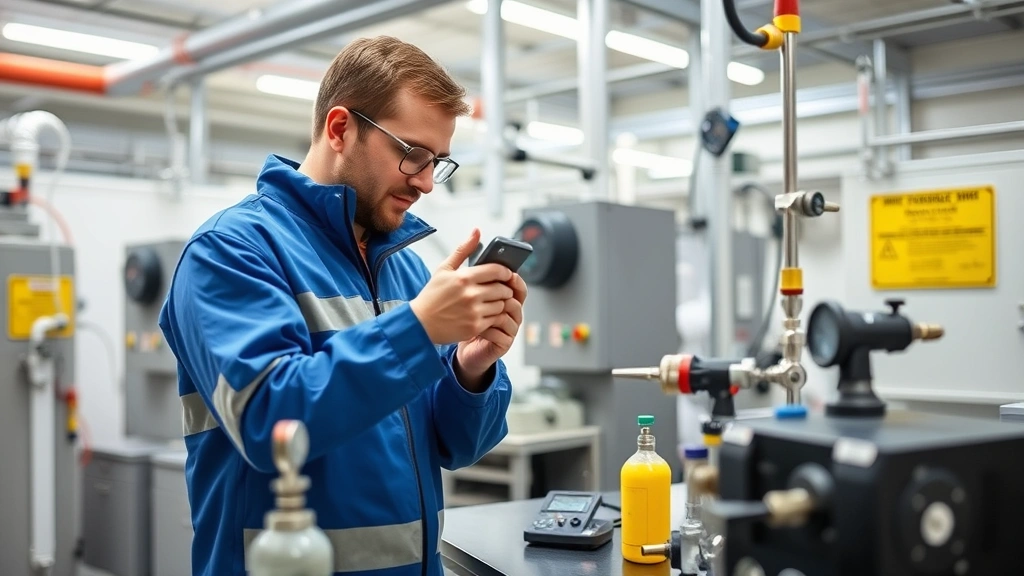
XNX Gas Detector Calibration: Complete Cost Breakdown and Sustainability Impact
Gas detection technology plays a critical role in industrial safety and environmental monitoring. The XNX gas detector represents a sophisticated solution for detecting hazardous gases across various applications, from petrochemical facilities to wastewater treatment plants. However, understanding the true cost of ownership extends beyond the initial purchase price—calibration, maintenance, and operational expenses significantly impact your budget and environmental footprint.
Proper calibration of gas detection equipment ensures accurate readings that protect worker safety and environmental compliance. This comprehensive guide breaks down the XNX gas detector calibration machine pricing, explores cost factors, and connects these investments to broader sustainability principles in industrial operations.
Understanding XNX Gas Detector Calibration Fundamentals
The XNX multi-gas detector is a versatile instrument designed to identify and measure concentrations of multiple hazardous gases simultaneously. Calibration represents the process of adjusting and verifying the detector’s sensors to ensure they accurately measure gas concentrations against known standards. Without proper calibration, detectors may provide false readings—a critical safety concern that could lead to workplace incidents or environmental violations.
Gas detection equipment requires regular calibration to maintain accuracy and regulatory compliance. Most industrial standards and occupational safety guidelines mandate calibration intervals ranging from monthly to quarterly, depending on usage intensity and regulatory requirements. The Occupational Safety and Health Administration (OSHA) establishes strict requirements for gas detection equipment calibration in hazardous environments.
Understanding calibration costs helps facilities make informed decisions about equipment investment and maintenance budgeting. Organizations committed to reducing environmental impact recognize that proper calibration prevents false alarms and unnecessary emergency responses that consume resources and generate unnecessary emissions.
XNX Gas Detector Calibration Machine Price Ranges
The XNX gas detector calibration machine price varies significantly based on specifications, features, and supplier. Understanding these price ranges helps organizations budget appropriately and evaluate return on investment.
Entry-Level Calibration Equipment: Basic calibration machines designed for single-gas or dual-gas detectors typically range from $2,500 to $5,000. These systems provide essential functionality for facilities with limited detection needs and lower calibration volumes.
Mid-Range Systems: Sophisticated calibration platforms capable of handling multiple gas types and detector models generally cost between $5,000 and $12,000. These systems offer enhanced accuracy, automated testing protocols, and data logging capabilities suitable for medium-sized industrial operations.
Professional-Grade Equipment: Advanced multi-gas calibration systems with comprehensive automation, wireless connectivity, and extensive sensor compatibility range from $12,000 to $25,000 or higher. Large facilities and contract calibration services typically invest in premium equipment.
Pricing variations reflect differences in sensor types supported, automation levels, software sophistication, data management capabilities, and manufacturer reputation. Organizations should evaluate their specific needs rather than automatically selecting the lowest-cost option.
Breaking Down the Cost Components
The total cost of gas detector calibration extends beyond the equipment purchase price. A comprehensive cost analysis includes multiple components:
- Equipment Purchase: The calibration machine itself, typically representing 40-50% of total five-year ownership costs for high-volume users
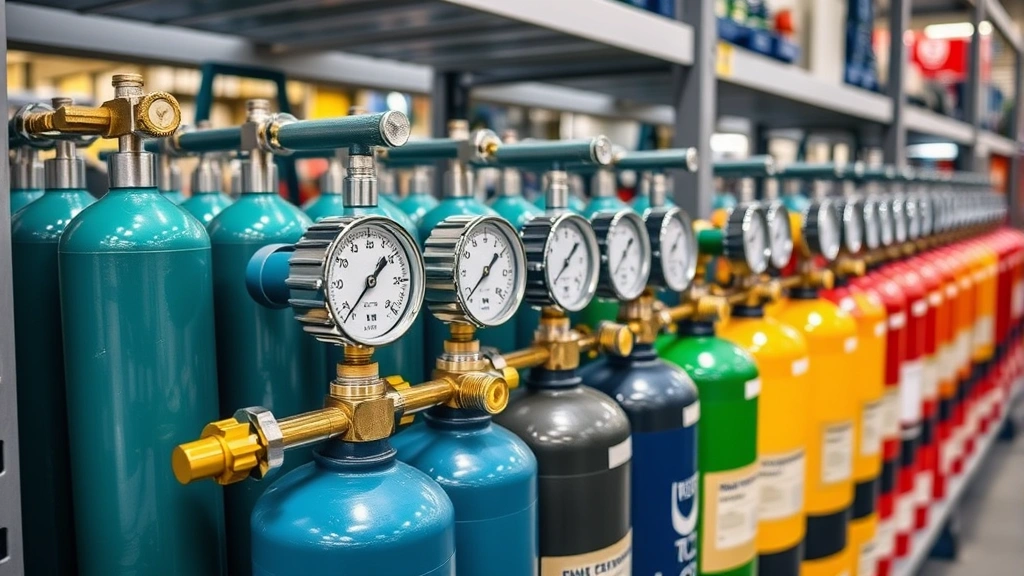
- Calibration Gas Cylinders: Specialty gas mixtures used for calibration, requiring regular replacement and representing 20-30% of operational expenses
- Maintenance and Service Contracts: Annual maintenance, sensor replacement, and technical support ranging from $500 to $2,500 annually
- Operator Training: Certification programs and ongoing education for personnel conducting calibrations, typically $1,000-$3,000 annually
- Software Licenses: Data management and compliance reporting software subscriptions, ranging from $300 to $1,200 annually
- Quality Assurance Standards: Reference gases and verification standards ensuring calibration accuracy, approximately $500-$1,500 annually
- Facility Requirements: Temperature and humidity control infrastructure necessary for accurate calibration operations
Organizations considering in-house calibration capabilities must account for all these components when calculating true equipment costs and determining whether internal calibration or outsourced services provides better value.
Factors Influencing Calibration Equipment Costs
Multiple variables affect XNX gas detector calibration machine pricing and operational expenses. Understanding these factors enables better budget forecasting and equipment selection.
Sensor Technology: Different gas detection sensors require specific calibration methodologies and gas mixtures. Electrochemical sensors, catalytic bead sensors, and photoionization detectors each demand particular calibration approaches, influencing equipment complexity and cost. Facilities detecting diverse gas types require more sophisticated and expensive calibration systems.
Automation Level: Manual calibration systems require significant operator involvement and expertise, reducing equipment costs but increasing labor expenses. Automated systems command premium prices but reduce calibration time and human error, improving overall efficiency and safety. The choice between manual and automated systems depends on facility size, calibration volume, and available expertise.
Data Management Capabilities: Modern calibration equipment increasingly includes digital data logging, compliance reporting, and wireless connectivity features. These capabilities enhance regulatory compliance and operational transparency but increase equipment costs. Organizations prioritizing environmental and safety reporting typically benefit from these advanced features.
Manufacturer and Brand: Established manufacturers with strong reputations for accuracy and reliability typically command premium pricing. However, their equipment often features superior build quality, better customer support, and stronger resale value. Emerging manufacturers may offer cost-effective alternatives but with less market-proven reliability.
Regulatory Requirements: Different industries and jurisdictions impose varying calibration standards and documentation requirements. Equipment capable of meeting stringent regulatory demands costs more but ensures compliance and reduces legal liability risk.
Geographic Location: Pricing varies by region due to shipping costs, local market conditions, and service infrastructure availability. International suppliers may offer competitive pricing but involve longer delivery times and potential customs considerations.
Comparing In-House vs. Third-Party Calibration Services
Organizations must evaluate whether investing in calibration equipment for in-house services or outsourcing to specialized service providers offers better value. This decision significantly impacts long-term costs and operational efficiency.
In-House Calibration Advantages: Maintaining internal calibration capabilities provides immediate turnaround times, reduces detector downtime, and eliminates shipping costs and delays. Organizations with high calibration volumes benefit from spreading equipment costs across numerous calibrations. In-house operations also provide greater control over procedures and scheduling flexibility.
In-House Calibration Disadvantages: Equipment investment, ongoing maintenance, operator training, quality assurance, and facility infrastructure requirements represent substantial fixed costs. Smaller facilities may struggle to justify these expenses with insufficient calibration volume. Equipment obsolescence and technological advancement also create replacement cycle costs.
Third-Party Service Advantages: Outsourcing eliminates capital equipment investment, reduces training requirements, and provides access to professional expertise and certified operators. Service providers maintain equipment to manufacturer specifications and stay current with technological advances. This approach works well for facilities with infrequent calibration needs or limited technical expertise.
Third-Party Service Disadvantages: Detector downtime during shipping and service intervals reduces equipment availability. Per-unit calibration fees accumulate quickly with high-volume usage. Organizations lose direct control over procedures and scheduling flexibility, potentially creating production disruptions.
A hybrid approach—outsourcing complex calibrations while maintaining basic in-house capabilities—often provides optimal balance. Organizations should calculate breakeven points based on annual calibration volume, labor costs, equipment expenses, and facility requirements specific to their operations.
Environmental and Sustainability Benefits of Regular Calibration
Regular gas detector calibration connects directly to broader sustainable energy and industrial practices. Accurate gas detection prevents environmental incidents while supporting operational efficiency and reduced resource consumption.
Preventing Environmental Releases: Properly calibrated detectors accurately identify gas leaks before they escalate into major environmental incidents. Early detection enables rapid response, containing releases and preventing environmental contamination. This proactive approach protects ecosystems, groundwater, and air quality while reducing remediation costs that consume significant resources and generate emissions.
Reducing False Alarms: Miscalibrated detectors trigger false alarms that prompt unnecessary emergency responses, evacuations, and production shutdowns. These events consume resources, generate emissions from emergency vehicle responses, and disrupt operations. Accurate calibration minimizes false alarms, reducing environmental impact and operational inefficiency.
Optimizing Energy Consumption: Facilities with accurate gas detection systems operate more efficiently, avoiding unnecessary equipment shutdowns and emergency procedures. This optimization reduces overall energy consumption and associated emissions. Organizations committed to green technology innovations recognize calibration as essential to operational sustainability.
Supporting Compliance and Reporting: Accurate calibration documentation supports environmental compliance reporting and demonstrates commitment to regulatory adherence. This transparency enhances corporate sustainability profiles and stakeholder confidence. Many environmental certifications and ratings systems require documented, regular calibration procedures.
Extending Equipment Lifespan: Properly maintained and calibrated equipment operates longer, reducing the frequency of replacement cycles. Extended equipment lifespan reduces manufacturing emissions, waste, and resource consumption associated with new equipment production. This lifecycle perspective aligns with circular economy principles and broader sustainability initiatives in industrial operations.
ROI and Long-Term Financial Planning
Calculating return on investment for gas detector calibration equipment requires analyzing costs and benefits over extended timeframes. Organizations should evaluate multiple financial scenarios to support equipment purchasing decisions.
Capital Investment Analysis: Initial equipment costs represent significant capital expenditure. Organizations should evaluate financing options, including equipment leasing, which spreads costs over time and simplifies technology upgrades. Leasing may provide better value for rapidly evolving technology where equipment obsolescence concerns exist.
Operational Cost Projections: Five-year total cost of ownership calculations should include equipment depreciation, calibration gas expenses, maintenance contracts, training, and facility overhead. Most organizations find that annual operational costs approach 15-25% of initial equipment investment for high-utilization systems.
Productivity and Safety Benefits: Reduced detector downtime, faster calibration turnaround, and improved safety outcomes generate quantifiable value. Organizations should estimate labor cost savings from faster in-house calibrations and productivity gains from minimized production disruptions. Safety improvements that prevent incidents provide substantial but difficult-to-quantify benefits.
Compliance and Risk Reduction: Documented calibration procedures reduce legal liability, support regulatory compliance, and avoid costly violations. Organizations should factor in potential fines, remediation costs, and reputational damage prevented through proper calibration practices.
Breakeven Analysis: For most facilities, in-house calibration equipment reaches financial breakeven within 18-36 months when calibration volume exceeds 50-100 units annually. Smaller operations may never reach breakeven and should continue outsourcing. Growing organizations should reassess calibration strategies as volumes increase.
Long-term financial planning should include technology refresh cycles, recognizing that calibration equipment typically requires replacement every 7-10 years as sensors age and technology advances. Building equipment replacement reserves into annual budgets prevents financial surprises and ensures continuous operational capability.
Frequently Asked Questions
What is the typical cost of XNX gas detector calibration equipment?
XNX gas detector calibration machine prices range from approximately $2,500 for basic systems to $25,000 or more for professional-grade equipment. Mid-range systems suitable for most industrial applications cost between $5,000 and $12,000. Actual pricing depends on specific features, sensor compatibility, automation level, and supplier.
How often should gas detectors be calibrated?
Calibration frequency depends on usage intensity, environmental conditions, and regulatory requirements. Most standards recommend monthly to quarterly calibration intervals. High-use environments or safety-critical applications may require monthly calibration, while lower-use equipment might need quarterly service. Always consult specific regulatory requirements and manufacturer recommendations for your application.
Is in-house calibration or outsourced services more cost-effective?
The answer depends on annual calibration volume and labor costs. Organizations calibrating more than 50-100 units annually typically find in-house equipment cost-effective. Smaller operations or those with infrequent needs generally benefit from outsourced services. Conducting breakeven analysis based on your specific volume and costs provides accurate guidance.
What calibration gases are required for XNX detectors?
XNX detectors require calibration gases matching detected gas types, typically including carbon monoxide, hydrogen sulfide, oxygen, and combustible gas mixtures. Specialty gas suppliers provide certified calibration gas cylinders in appropriate concentrations. Gas costs represent 20-30% of annual calibration expenses for most facilities.
How long does detector calibration typically take?
Basic calibration procedures require 15-30 minutes per detector for experienced operators using automated systems. Manual calibration may require 30-60 minutes. Facilities with multiple detectors benefit from automated systems that significantly reduce per-unit time requirements, improving overall operational efficiency.
What certifications should calibration technicians possess?
Most regulatory standards require calibration personnel to complete manufacturer training and obtain relevant certifications. Many organizations require technicians to maintain current CPR certification and occupational safety training. Investing in technician certification ensures compliance and supports accurate, reliable calibration procedures.
Can calibration equipment be financed or leased?
Many manufacturers and equipment distributors offer financing options, including equipment leases and purchase agreements. Leasing provides flexibility for technology upgrades and simplifies budgeting through fixed monthly costs. Organizations should compare total cost of ownership for purchased versus leased equipment to determine optimal financial approach.
How do I choose between different calibration equipment manufacturers?
Evaluate manufacturers based on sensor compatibility with your detector types, automation features matching your calibration volume, software capabilities supporting your compliance requirements, customer support reputation, and total cost of ownership. Request demonstrations and references from similar facilities to validate equipment performance and supplier reliability.


