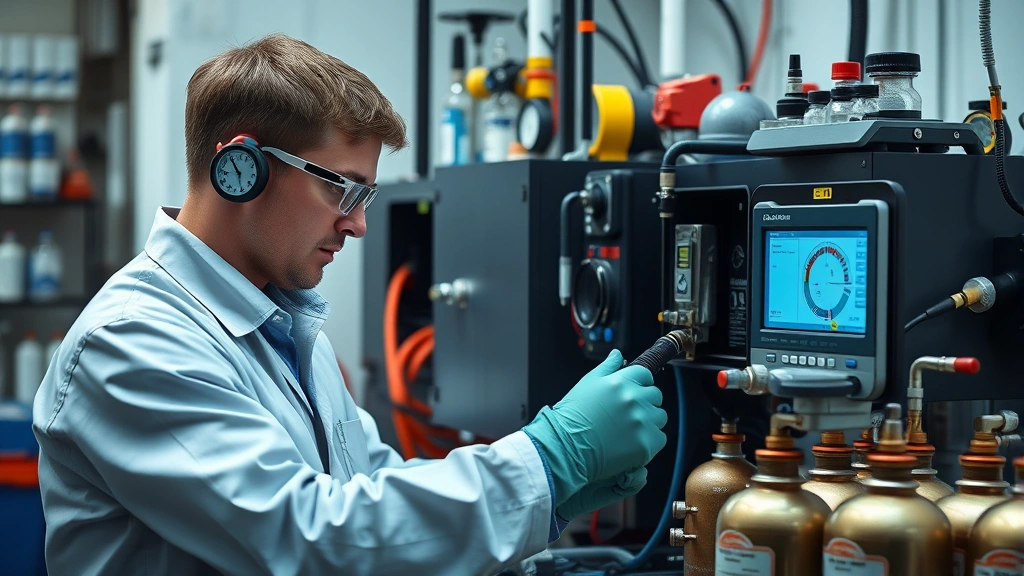
XNX Gas Detector: Calibration Costs Explained
Gas detection technology is essential for maintaining safe environments in industrial, commercial, and residential settings. The XNX gas detector represents a significant investment in safety infrastructure, but understanding the true cost of ownership requires examining calibration expenses, maintenance protocols, and long-term operational investments. Calibration is not merely a regulatory checkbox—it’s a critical component that ensures your detection system functions accurately when it matters most.
Whether you’re managing a manufacturing facility, chemical storage warehouse, or utility company, knowing the XNX gas detector calibration machine price and associated costs helps you budget effectively and maintain compliance with safety standards. This comprehensive guide breaks down calibration costs, explores what influences pricing, and demonstrates why proper maintenance protects both your investment and your personnel.
Understanding XNX Gas Detector Calibration Requirements
The XNX gas detector is a sophisticated multi-sensor device designed to detect various hazardous gases including oxygen depletion, flammable gases, and toxic compounds. Like all precision measurement instruments, these detectors require periodic calibration to maintain accuracy. Calibration involves exposing the detector to known concentrations of test gases and adjusting the internal electronics to ensure accurate readings.
Industry standards, including OSHA regulations and manufacturer specifications, typically require calibration at intervals ranging from monthly to annually, depending on usage intensity and environmental conditions. Understanding these calibration requirements is fundamental to calculating your total cost of ownership.
The XNX platform’s modular design means calibration complexity varies based on which sensor modules you’ve installed. A detector configured with four sensors requires more comprehensive calibration than a single-sensor unit, directly impacting both time and cost. Most manufacturers recommend bump testing (quick functional checks) between full calibrations to verify sensor responsiveness without complete recalibration.
Calibration Machine Pricing Overview
Calibration equipment for XNX detectors varies significantly in price depending on capability level and features. Entry-level calibration machines designed for single-sensor verification typically range from $2,000 to $5,000, making them accessible for smaller operations. Mid-range systems capable of handling multi-sensor configurations and multiple gas types cost between $5,000 and $15,000, offering better versatility for growing safety programs.
Professional-grade calibration systems with automated sequencing, data logging, and regulatory compliance documentation can exceed $20,000, though these investments often prove economical for organizations maintaining 50+ detectors. When evaluating gas detector calibration machine prices, consider not just the equipment cost but also the training required to operate it effectively and the consumables needed—test gases, regulators, tubing, and replacement parts.
Many organizations discover that outsourcing calibration to certified service providers eliminates capital equipment expenses entirely. Third-party calibration typically costs $50 to $150 per detector per calibration cycle, depending on sensor complexity and local service availability. For facilities with dozens of detectors, this can represent a more predictable operating expense than managing in-house equipment.
The decision between purchasing calibration equipment and outsourcing depends on several variables: detector quantity, calibration frequency, available technical expertise, and budget constraints. A facility with 100 detectors requiring annual calibration might spend $5,000 to $15,000 annually on third-party services, whereas purchasing equipment could pay for itself within two to four years if properly maintained.
Factors Affecting Calibration Costs
Multiple variables influence the actual cost of calibrating your XNX detector system. Sensor configuration represents the primary cost driver—detectors with oxygen, combustible gas, hydrogen sulfide, and carbon monoxide sensors require more test gas mixtures and longer calibration procedures than single-parameter units.
Calibration frequency directly impacts annual expenses. Harsh industrial environments with high moisture, temperature fluctuations, or chemical exposure may require quarterly calibration rather than annual intervals, quadrupling your calibration costs. Understanding your specific natural gas detector environment helps optimize calibration scheduling to maintain safety without unnecessary expense.
Test gas costs represent another significant expense component. Premium calibration-grade gases cost more than industrial-grade alternatives but provide superior accuracy. A single calibration cycle might consume $30 to $100 in test gases depending on sensor count and calibration duration. Over a year, organizations with substantial detector networks can spend thousands on test gases alone.
Labor costs vary by region and technician certification level. Certified calibration technicians command higher hourly rates—typically $50 to $100 per hour—but ensure compliance with regulatory standards and proper documentation. In-house calibration reduces labor expenses if you have trained staff available, but requires initial training investment.
Environmental factors significantly impact calibration intervals and costs. Detectors deployed in corrosive atmospheres, extreme temperatures, or high-vibration environments may drift more rapidly, necessitating more frequent calibration. Organizations committed to reducing operational environmental impact should note that proper detector maintenance prevents false alarms that can lead to unnecessary emergency responses.
Equipment age and condition affect calibration success rates. Older detectors may require extended calibration procedures or fail to achieve acceptable accuracy, necessitating repair or replacement. Budgeting for eventual detector lifecycle replacement—typically 5 to 7 years—ensures you’re not perpetually throwing good money after bad on devices approaching end-of-life.
In-House vs. Third-Party Calibration Services
The decision between establishing in-house calibration capabilities and contracting with external service providers deserves careful financial analysis. In-house calibration advantages include immediate availability, control over scheduling, and potential cost savings for large detector networks. However, in-house programs require significant upfront investment in equipment, training, facility modifications, and regulatory documentation systems.
Organizations choosing in-house calibration must invest in certified training for technicians, typically costing $1,000 to $3,000 per person. You’ll need dedicated calibration workspace with controlled temperature and humidity, proper gas storage and handling facilities meeting EPA hazardous materials storage requirements, and comprehensive quality assurance procedures. These infrastructure requirements can consume $5,000 to $20,000 before purchasing a single calibration device.
Third-party calibration benefits include no capital equipment investment, professional expertise, regulatory compliance assurance, and detailed documentation suitable for audits. Service providers maintain traceability to NIST standards, providing defensibility if regulatory agencies question your calibration procedures. The convenience factor—simply shipping detectors to a lab and receiving calibrated units—appeals to facilities without dedicated safety personnel.
Cost-benefit analysis typically favors in-house calibration when you maintain 75+ detectors with annual calibration requirements. Below that threshold, third-party services usually offer better value when accounting for all hidden costs. However, some organizations adopt a hybrid approach: maintaining in-house bump testing capabilities while outsourcing annual full calibrations to certified laboratories, balancing cost and convenience.
Geographic location influences this decision significantly. Facilities in remote areas may find third-party services impractical due to shipping delays and costs, making in-house capabilities essential. Urban facilities with multiple qualified calibration service providers nearby can leverage competition to negotiate better rates on third-party services.
Annual Maintenance and Compliance Budgeting
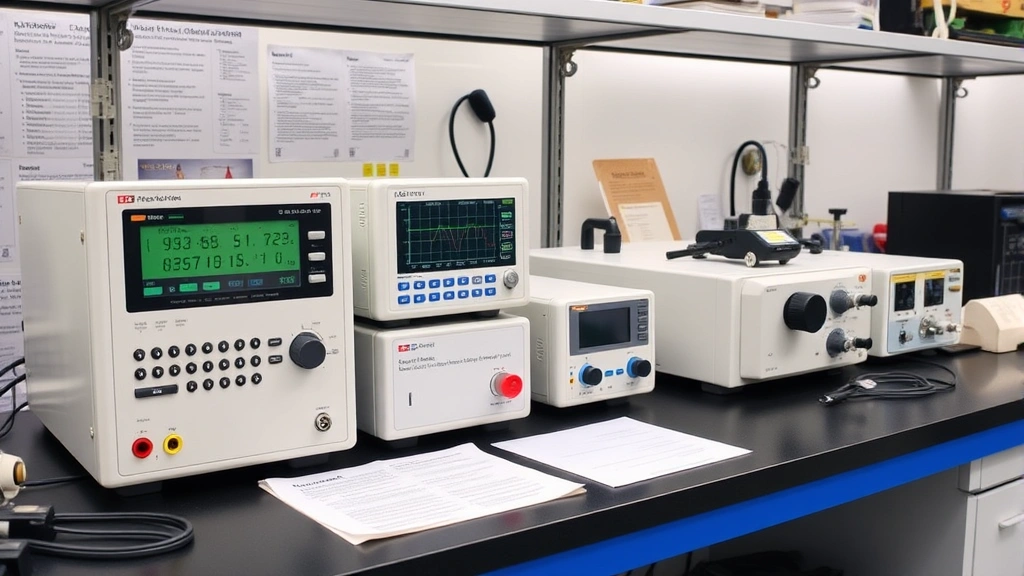
Effective safety management requires comprehensive budgeting that incorporates all detector-related expenses. For a typical mid-sized facility with 30 XNX detectors requiring annual calibration, realistic annual costs break down as follows: calibration services ($1,500 to $4,500), replacement parts and consumables ($500 to $1,500), staff training and certification ($1,000 to $2,000), and documentation/compliance management ($500 to $1,000).
This totals $3,500 to $9,000 annually for a modest detector network—approximately $117 to $300 per detector per year. Organizations managing sustainable energy solutions that include gas detection components should factor these costs into their overall operational budgets and maintenance planning cycles.
Compliance documentation deserves special attention in budget planning. Regulatory agencies expect detailed calibration records including dates, technician credentials, test gas specifications, results, and corrective actions if sensors failed initial verification. Implementing digital record-keeping systems—either custom databases or commercial compliance software—costs $500 to $5,000 but ensures you can quickly retrieve documentation during inspections.
Many facilities overlook the cost of detector repair and replacement when budgeting for calibration programs. If calibration reveals sensors that cannot achieve acceptable accuracy, repair costs typically range from $200 to $600 per sensor module. Complete detector replacement—necessary when multiple sensors fail or the unit is damaged—costs $2,000 to $5,000 depending on configuration.
Establishing preventive maintenance schedules reduces emergency repairs and extends detector lifespan. Quarterly inspections for physical damage, environmental contamination, and sensor responsiveness cost little but catch problems before they escalate. Organizations serious about gas safety and maintenance recognize that prevention consistently outperforms reactive repairs in both cost and effectiveness.
Budget contingencies of 15-20% accommodate unexpected failures, emergency calibrations, or equipment upgrades. This reserve prevents calibration delays when detectors unexpectedly drift out of specification or environmental changes require more frequent validation cycles.
Environmental and Safety Impact
While calibration costs represent a significant operational expense, the safety benefits and environmental protection justify these investments. Properly calibrated detectors prevent false alarms that trigger unnecessary emergency evacuations, reducing disruption to operations and avoiding environmental incidents caused by panic responses.
Accurate gas detection directly supports EPA air quality compliance by enabling rapid detection of gas leaks before they release substantial quantities into the atmosphere. Early detection allows controlled mitigation rather than uncontrolled emissions that could harm ambient air quality. This environmental responsibility extends beyond regulatory compliance—it demonstrates organizational commitment to preventing pollution.
Calibration programs also protect worker health, which carries environmental and social dimensions. Facilities with reliable gas detection systems experience fewer occupational injuries, reducing the healthcare and societal costs associated with gas exposure incidents. Organizations prioritizing worker safety contribute to broader public health goals.
Test gas consumption represents the environmental footprint of your calibration program. Using only calibration-grade gases from certified suppliers ensures you’re not releasing impure gases into the environment. Some facilities investigate zero-waste calibration approaches, such as capturing and recycling test gases, though these advanced methods remain expensive and uncommon.
The longevity of properly maintained detectors—often exceeding 7 years—reduces electronic waste compared to systems that fail prematurely due to inadequate maintenance. Viewing calibration as environmental stewardship, not merely regulatory obligation, aligns safety practices with sustainability commitments.
FAQ
How often should XNX detectors be calibrated?
Most manufacturers recommend annual calibration for standard industrial use, though harsh environments may require quarterly intervals. Monthly bump tests between full calibrations provide interim verification of sensor responsiveness. Consult your facility’s risk assessment and local regulations for specific requirements—industry guidance on gas and energy topics can help inform your schedule.
What’s included in a typical calibration service?
Professional calibration includes sensor exposure to known test gas concentrations, measurement of detector response, adjustment of electronic circuitry if needed, documentation of results, and certification of compliance. Service providers typically provide detailed reports suitable for regulatory audits and maintenance tracking.
Can I calibrate my XNX detector myself without professional equipment?
No—accurate calibration requires specialized equipment, certified test gases, and technical expertise. Attempting DIY calibration without proper equipment compromises detector reliability and violates regulatory requirements. Professional calibration ensures defensibility if your detector’s accuracy is questioned.
How long does calibration typically take?
Single-sensor detector calibration usually requires 15-30 minutes, while multi-sensor configurations may take 45-90 minutes depending on complexity and whether adjustments are necessary. Third-party services typically process detectors within 5-10 business days, though expedited options exist for emergency situations.
What happens if my detector fails calibration?
Failed calibration triggers investigation into the cause—sensor degradation, electronic drift, or physical damage. The technician will either recalibrate the sensor or recommend repair/replacement. Detectors that repeatedly fail calibration should be retired and replaced rather than repeatedly repaired.
Are there cost-saving strategies for large detector networks?
Organizations with 50+ detectors can negotiate volume discounts with third-party calibration providers, establish in-house programs to reduce per-unit costs, or implement staggered calibration schedules to distribute annual expenses. Some facilities also invest in automated bump testing systems to reduce reliance on full calibrations.


