Is EV Charging Efficient? Engineer Insights on Real-World Performance
Electric vehicle adoption continues accelerating globally, yet a critical question remains on many drivers’ minds: just how efficient is EV charging compared to traditional gas stations? The answer is more nuanced than simple yes-or-no responses suggest. From the battery to the grid, multiple efficiency factors determine whether your EV truly delivers the environmental and economic benefits promised. Understanding these layers helps you make informed decisions about switching from gasoline to electric power.
Engineers and energy analysts have spent years studying EV charging systems, and their findings reveal compelling insights. When you compare the complete efficiency chain—from power generation to wheels turning—electric vehicles consistently outperform internal combustion engines. However, efficiency varies dramatically based on your electricity source, charging method, vehicle model, and driving patterns. This comprehensive guide explores the engineering realities behind EV charging efficiency, breaking down complex systems into actionable knowledge.
Understanding EV Charging Efficiency Basics
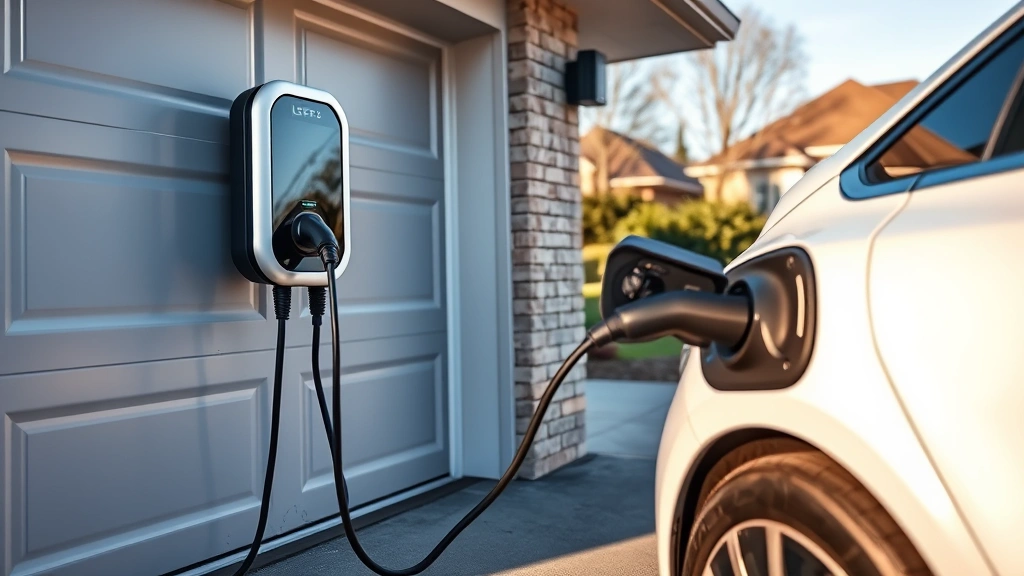
Electric vehicle charging efficiency refers to how much electrical energy actually reaches your vehicle’s battery compared to what flows from the grid. Unlike gas stations where you pump fuel directly into your tank, EV charging involves multiple conversion steps. Each transformation—from alternating current (AC) in your home to direct current (DC) in the battery—introduces minor energy losses through heat dissipation and electrical resistance.
Modern EV chargers typically achieve 85-95% efficiency during the charging process itself. This means if you draw 10 kilowatt-hours from the grid, approximately 8.5 to 9.5 kilowatt-hours actually store in your battery. Compare this to traditional gasoline refining and distribution, which loses roughly 10-15% of energy before reaching your tank. The efficiency advantage becomes even more pronounced when you consider that internal combustion engines convert only 20-30% of fuel energy into mechanical motion, while electric motors convert 85-90% of battery energy into movement.
Engineers distinguish between several efficiency metrics. Charger efficiency measures how well the charging equipment converts power. Battery efficiency reflects the battery’s ability to accept and retain charge without degradation. System efficiency encompasses the entire pathway from generation to propulsion. Understanding these distinctions helps explain why advantages of electric vehicles extend far beyond simple charging speed.
The Complete Energy Chain: From Grid to Wheels
The most revealing efficiency comparison examines the entire energy chain, not just the charging moment. When you charge at a gas station alternative—a home or public charger—electricity travels through transmission lines, substations, and local distribution networks before reaching your vehicle. Each step incurs losses, typically 5-10% during transmission and distribution. However, this pales compared to petroleum’s journey from extraction through refining, transportation, and combustion.
Consider the full lifecycle: crude oil requires energy-intensive extraction, refining consumes 3-6% of the fuel’s energy content, and transportation adds further losses. By the time gasoline reaches your tank, you’ve already consumed roughly 20% of the original energy in production and delivery. Then, your engine converts only 20-30% of that fuel into actual wheel motion. The remaining 70-80% becomes waste heat.
Electric vehicles reverse this equation dramatically. Grid electricity—regardless of source—reaches your battery with only 5-10% transmission losses. Your battery stores 85-95% of incoming energy. Your electric motor converts 85-90% of stored energy into motion. The mathematical result: EVs deliver 3-4 times more motion per unit of primary energy compared to gas engines. Sustainable energy solutions increasingly power this efficiency advantage as renewable electricity penetration grows.
Even when charged from coal-heavy grids, EVs achieve comparable efficiency to gasoline vehicles. As grids transition toward renewables—solar, wind, and hydroelectric sources—EV efficiency gains multiply. An EV charged from a 100% renewable grid achieves roughly 5-6 times better energy efficiency than the best gasoline hybrid vehicles. This efficiency gap widens yearly as renewable capacity expands globally.
Comparing Charging Methods: AC vs. DC
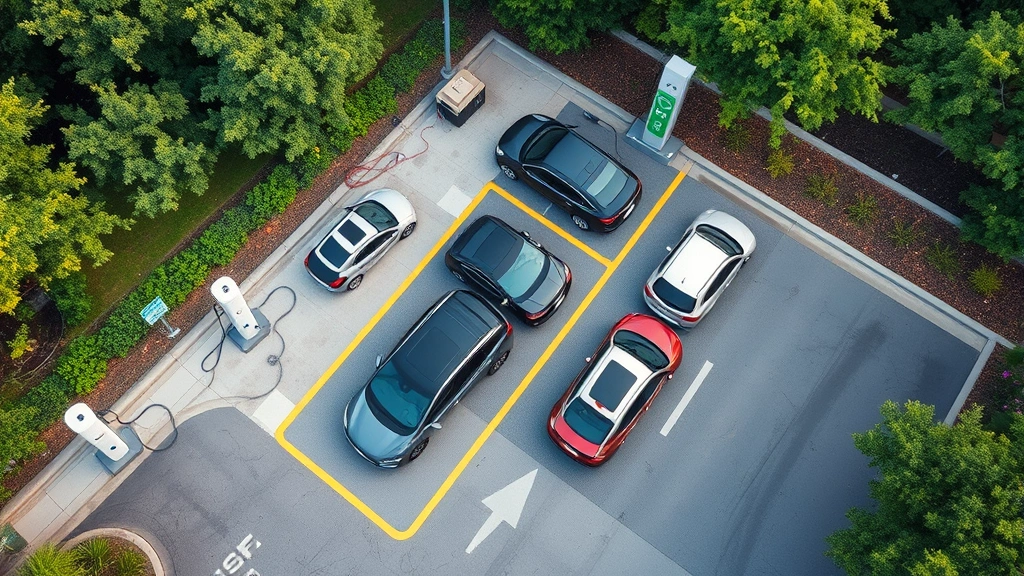
Not all EV chargers deliver equal efficiency. The two primary charging standards—alternating current (AC) and direct current (DC)—operate fundamentally differently, affecting how quickly and efficiently you charge.
Level 1 AC Charging (120V Home Outlets): These standard household outlets charge slowly, typically adding 3-5 miles of range per hour. Efficiency remains high at 90%+, but the extended charging time means you’re using grid power during less optimal periods. Most people reserve Level 1 for overnight charging or emergency situations.
Level 2 AC Charging (240V Home/Public): This standard provides the best efficiency-to-practicality balance for most drivers. Delivering 7-19 kilowatts, Level 2 chargers achieve 88-92% efficiency while adding 25-30 miles of range per hour. Most home installations use Level 2, making it the workhorse of residential EV charging. The onboard charger converts AC to DC internally, introducing minimal losses.
DC Fast Charging (350kW+): These ultra-rapid chargers bypass the vehicle’s onboard charger, delivering DC power directly to the battery. While they reduce charging time from hours to minutes, efficiency drops to 75-85% due to higher power conversion losses and battery heating. The engineering tradeoff: speed versus efficiency. However, DC fast charging’s convenience encourages EV adoption, and improving technology steadily raises efficiency toward 90%.
Engineers recommend matching charging speed to your driving patterns. Daily commuters benefit from efficient Level 2 home charging, while road-trippers occasionally need DC fast charging’s speed. Your environmental footprint reduction increases when you prioritize higher-efficiency charging methods for routine charging.
Real-World Efficiency Metrics and Performance Data
Engineering studies provide concrete efficiency data comparing EVs to traditional vehicles. The U.S. Environmental Protection Agency (EPA) tracks efficiency using a metric called MPGe (miles per gallon equivalent), which standardizes energy comparison across fuel types.
Modern EVs achieve 3-4 MPGe ratings of 25-30, meaning they travel as far on 33.7 kilowatt-hours (equivalent to one gallon of gasoline) as a gas car travels on one gallon. The best EVs exceed 30 MPGe. Conventional gasoline vehicles average 25-35 MPG, making EVs competitive or superior on pure efficiency metrics. When you account for the fact that electricity is cheaper than gasoline per unit energy, EV operating costs drop dramatically—often 50-70% lower than gas vehicles.
Real-world charging efficiency studies conducted by universities and automotive research organizations consistently show similar results. A National Renewable Energy Laboratory (NREL) analysis found that even with current grid composition (roughly 40% fossil fuels, 60% cleaner sources), EVs produce 50% fewer emissions than comparable gasoline vehicles over their lifetime. As grids decarbonize, this advantage expands exponentially.
Battery chemistry significantly influences real-world efficiency. Lithium-ion batteries—the current standard—achieve 95%+ round-trip efficiency (energy stored and retrieved). Solid-state batteries in development promise 97%+ efficiency, while thermal management systems prevent overheating losses during rapid charging. Engineers continuously optimize these systems, improving efficiency 2-3% annually through better materials and control algorithms.
Battery Chemistry and Charging Speed Impact
Modern EV batteries use lithium-ion chemistry, which balances energy density, safety, and cycle life. However, charging speed dramatically affects efficiency and battery longevity. Rapid charging generates heat—a byproduct of electrical resistance—which reduces efficiency and accelerates battery degradation if not managed carefully.
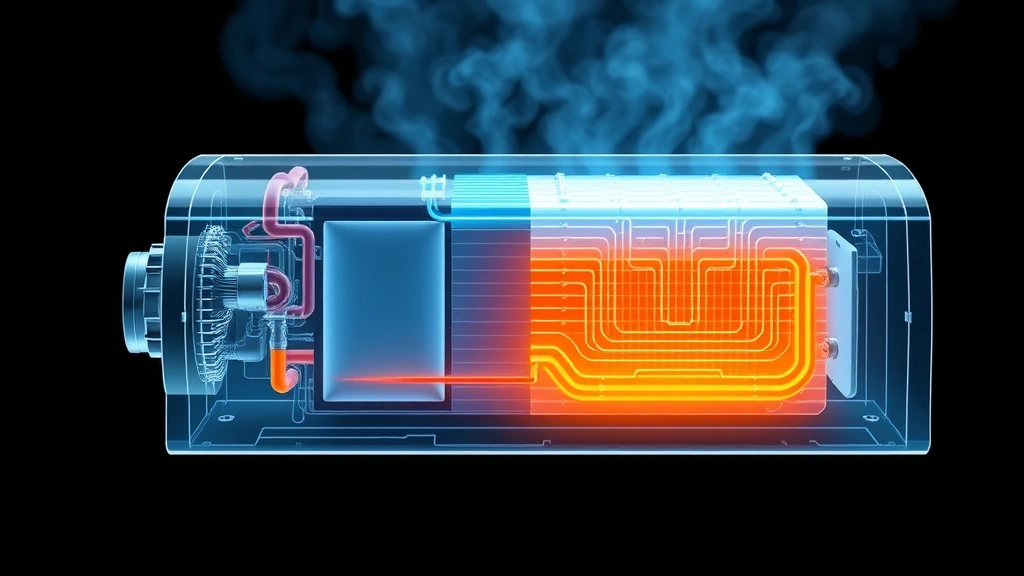
Engineers employ sophisticated thermal management systems to maintain optimal battery temperatures during charging. Liquid cooling systems circulate coolant through battery packs, maintaining 20-35°C temperatures ideal for efficiency and longevity. These cooling systems consume 5-10% of charging power but extend battery life by 20-30%, making the tradeoff worthwhile economically and environmentally.
Charging speed also influences efficiency through the battery’s response to current flow. Slower charging (Level 2) allows more uniform current distribution, minimizing localized heating and maximizing efficiency. Rapid DC charging concentrates current flow, creating thermal hotspots that reduce efficiency. However, modern battery management systems increasingly employ adaptive charging algorithms that adjust current rates based on battery temperature and state of charge, maintaining high efficiency even during fast charging.
The future of EV charging efficiency lies in solid-state batteries, which replace liquid electrolyte with solid material. These batteries tolerate higher charging rates without efficiency loss, potentially enabling 10-minute charges while maintaining 97%+ efficiency. Several manufacturers expect solid-state batteries in production vehicles by 2027-2030, representing a significant efficiency leap.
Environmental Impact: EV vs. Gas Station Energy
Beyond engineering metrics, the environmental implications of EV charging efficiency matter most to sustainability-conscious drivers. Even when powered by current grid electricity—which includes fossil fuels—EVs dramatically reduce emissions compared to gasoline vehicles. The efficiency advantage translates directly to lower carbon footprints.
A typical gasoline vehicle produces roughly 4.6 metric tons of CO2 annually (assuming 12,000 miles driven). The same vehicle as an EV charged from an average U.S. grid produces approximately 2.3 metric tons of CO2 annually—a 50% reduction. In regions with cleaner grids (California, New York, Pacific Northwest), EV emissions drop to 1.0-1.5 metric tons annually. In renewable-powered regions, emissions approach zero.
The EPA’s comparison of EV charging environmental impacts shows that even accounting for battery manufacturing emissions—often criticized as carbon-intensive—EVs offset this initial debt within 1-3 years of driving. Over a 200,000-mile vehicle lifetime, an EV produces 50-70% fewer lifetime emissions than comparable gasoline vehicles.
Charging timing further optimizes environmental benefits. Charging during renewable-heavy periods (mid-day solar peaks, windy nights) reduces grid strain and environmental impact. Smart charging systems increasingly offer time-of-use rates that incentivize charging when renewable generation peaks, creating a symbiotic relationship between EV charging and clean energy deployment. This represents a key aspect of broader green technology innovations transforming our future.
Optimizing Your Charging Practices
Understanding efficiency science helps you maximize EV charging benefits. Engineers recommend several practical strategies:
- Prioritize Level 2 Home Charging: Install a home charger (240V) for routine charging. Level 2’s 88-92% efficiency and minimal cost-per-mile make it ideal for daily driving. Reserve fast charging for road trips.
- Charge During Off-Peak Hours: Many utilities offer reduced rates during low-demand periods (typically 9 PM to 6 AM). This saves money while reducing grid strain and environmental impact when charging from fossil-heavy generation.
- Maintain Optimal Battery Temperature: Avoid charging in extreme heat or cold when possible. Precondition your battery while plugged in (heating/cooling using grid power rather than battery power) before driving in harsh conditions.
- Avoid Constant Fast Charging: DC fast charging occasionally is fine, but regular fast charging degrades battery efficiency and longevity. Use it strategically for long-distance travel.
- Monitor State of Charge: Keeping battery charge between 20-80% maximizes efficiency and extends lifespan. Avoid repeatedly charging to 100% or discharging below 10%.
- Choose Renewable-Powered Chargers: Public charging networks increasingly feature solar-powered or wind-powered stations. Prioritizing these amplifies your environmental benefits.
Your definition of sustainability should include not just vehicle choice but charging practices. Small optimization decisions compound over years of driving, translating to measurable emissions reductions and energy savings.
The emerging Fuel Economy Guide from the Department of Energy provides real-world efficiency data for specific EV models, helping you compare actual performance across vehicles and charging scenarios. These resources empower informed decision-making based on engineering facts rather than marketing claims.
FAQ
Is EV charging more efficient than gas station refueling?
Yes, significantly. EV charging efficiency (85-95%) combined with motor efficiency (85-90%) yields 70-86% overall efficiency. Gasoline refining and combustion achieves only 20-30% overall efficiency. EVs convert roughly 3-4 times more primary energy into motion than gas vehicles.
What’s the most efficient EV charging method?
Level 2 (240V) charging offers the best efficiency-to-practicality balance at 88-92%. DC fast charging prioritizes speed over efficiency (75-85%), while Level 1 (120V) is slowest but most efficient (90%+) for trickle charging. For daily driving, Level 2 home charging maximizes both efficiency and convenience.
How does grid electricity source affect EV charging efficiency?
Transmission losses (5-10%) occur regardless of source. However, renewable electricity sources avoid fossil fuel extraction and refining losses (20-25%), making renewables substantially more efficient overall. An EV charged from renewables achieves 5-6 times better efficiency than gasoline vehicles; even coal-powered EVs match gasoline efficiency.
Does fast charging damage efficiency?
DC fast charging reduces efficiency to 75-85% and accelerates battery degradation if used exclusively. However, occasional fast charging for road trips is fine. Most daily charging should use Level 2 to maintain high efficiency and battery longevity. Modern thermal management systems minimize fast charging damage.
What efficiency improvements can I expect with future batteries?
Solid-state batteries will achieve 97%+ charging efficiency and tolerate faster charging without degradation. Silicon anodes and lithium-metal cathodes will increase energy density 20-30%. These improvements, arriving 2027-2030, will push EV efficiency advantages even further ahead of combustion engines.
How does EV charging efficiency compare across different climates?
Cold climates reduce efficiency 10-20% due to battery heating requirements and increased motor resistance. Hot climates reduce efficiency 5-15% due to cooling system demands. However, even with climate penalties, EV efficiency remains superior to gasoline vehicles. Precondition batteries while plugged in to minimize these losses.
Can smart charging optimize efficiency?
Absolutely. Smart chargers adjust charging rates based on battery temperature, grid demand, and renewable availability. Time-of-use charging during renewable peaks reduces environmental impact. Vehicle-to-grid (V2G) technology allows batteries to return power during peak demand, improving grid efficiency and creating revenue opportunities for EV owners.


