Is Green Energy the Future? A Research Insight
The global energy landscape stands at a critical crossroads. As climate change accelerates and fossil fuel reserves dwindle, the question of whether green energy represents our future is no longer speculative—it’s increasingly urgent. Scientific evidence, technological breakthroughs, and economic trends all point toward renewable energy as the cornerstone of sustainable power systems. This comprehensive exploration examines current research, emerging technologies, and practical insights into how green energy is reshaping our world.
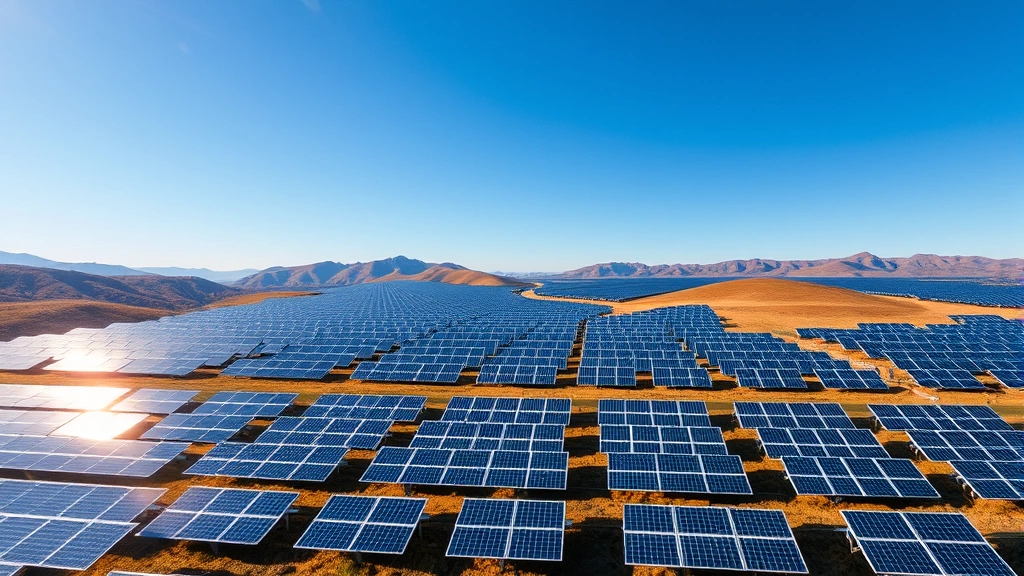
Green energy encompasses renewable sources like solar, wind, hydroelectric, geothermal, and biomass power. Unlike fossil fuels that release centuries of stored carbon, these sources harness naturally replenishing resources with minimal environmental impact. The transition to green energy isn’t merely an environmental imperative; it represents a fundamental economic and technological revolution that’s already underway across the globe.
Current State of Green Energy Adoption
Global renewable energy capacity has reached unprecedented levels. According to the International Renewable Energy Agency (IRENA), renewable sources accounted for approximately 43% of global electricity generation growth in 2023. This represents a dramatic shift from just a decade ago when renewables comprised less than 20% of new energy capacity additions.
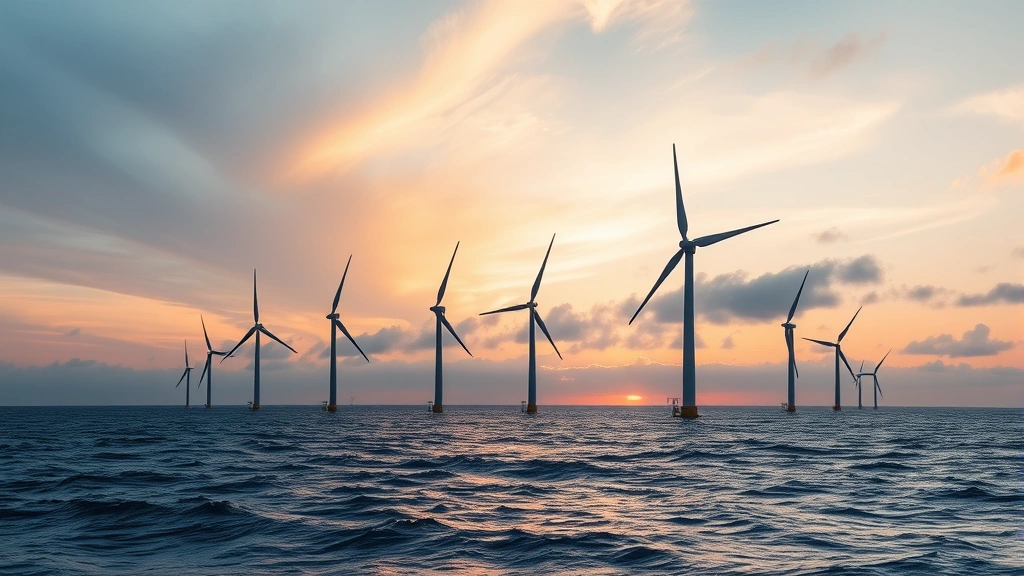
Several regions lead this transformation. Denmark generates over 80% of its electricity from wind power, while Uruguay derives more than 98% of its energy from renewable sources. In the United States, sustainable energy solutions now represent nearly 22% of total electricity generation, with solar and wind installations expanding exponentially year after year.
Developing nations are also embracing green energy at remarkable rates. India has become the world’s fourth-largest renewable energy generator, with ambitious targets to reach 500 gigawatts of renewable capacity by 2030. China leads globally in both solar panel manufacturing and wind turbine installation, demonstrating how green energy adoption transcends economic boundaries.
The transition reflects growing recognition that definition of sustainability extends beyond environmental protection to include energy security, economic resilience, and public health. Communities investing in renewable infrastructure report improved air quality, reduced healthcare costs, and enhanced energy independence.
Technological Innovations Driving Growth
Remarkable technological advances have fundamentally transformed green energy economics. Solar photovoltaic costs have declined by 90% over the past decade, making solar installations cheaper than fossil fuel plants in most markets. Battery storage technology has similarly revolutionized renewable energy viability by addressing intermittency challenges.
Lithium-ion battery costs dropped from $1,100 per kilowatt-hour in 2010 to under $140 today, making grid-scale energy storage economically feasible. This breakthrough enables renewable energy to provide reliable baseload power, addressing the primary criticism that solar and wind are unreliable sources. Emerging battery technologies like solid-state and flow batteries promise even greater efficiency and longevity.
Wind energy innovations continue accelerating. Offshore wind turbines now feature 15-megawatt capacities with blade designs optimized through artificial intelligence. Floating offshore wind platforms open vast ocean areas previously unsuitable for turbine placement. These advances increase capacity factors—the actual power produced versus theoretical maximum—from 35% to over 50% in optimal locations.
Green technology innovations transforming our future extend beyond conventional renewables. Emerging technologies include advanced geothermal systems that tap deep earth heat in previously unsuitable locations, perovskite solar cells with higher efficiency potential, and green hydrogen production through electrolysis powered by renewable electricity. These innovations promise to decarbonize sectors like aviation and heavy industry that resist electrification.
Smart grid technology integrates distributed renewable sources, enabling real-time load balancing and demand response. Artificial intelligence optimizes energy distribution networks, predicts renewable generation patterns, and manages microgrids that combine multiple energy sources. These digital innovations are essential for managing complex energy systems powered primarily by variable renewable sources.
Economic Case for Renewable Energy
The economic argument for green energy has become undeniable. Renewable energy now represents the cheapest electricity source in most global markets. A comprehensive IRENA analysis demonstrates that solar and wind are 30-60% cheaper than coal-fired electricity in competitive markets.
Job creation in renewable sectors far exceeds fossil fuel industries. The renewable energy sector employed 12.7 million people globally in 2023, with growth rates substantially outpacing traditional energy sectors. Solar installation, wind turbine manufacturing, battery production, and grid modernization generate diverse employment across technical, skilled trades, and professional categories.
Investment flows reflect this economic transformation. Global renewable energy investment exceeded $500 billion in 2023, with venture capital increasingly focused on energy storage, green hydrogen, and grid modernization. These investments stimulate economic development in rural and underserved communities where renewable resources are abundant.
Cost-benefit analyses consistently favor renewable energy when accounting for externalities. Fossil fuel combustion causes air pollution linked to 8 million premature deaths annually, generating healthcare costs exceeding $2 trillion. Renewable energy eliminates these hidden costs while avoiding climate change expenses projected to exceed $23 trillion without mitigation.
Energy independence represents another economic advantage. Countries reducing fossil fuel imports strengthen balance of payments and reduce vulnerability to geopolitical supply disruptions. Advantages of electric vehicles similarly extend beyond environmental benefits to include reduced fuel expenses and lower maintenance costs compared to internal combustion engines.
Challenges and Solutions
Despite remarkable progress, significant challenges remain in achieving complete energy transition. Intermittency—the variability of solar and wind generation—requires substantial energy storage infrastructure and grid flexibility. Current battery storage capacity cannot yet provide weeks or months of backup power, necessitating complementary technologies.
Seasonal variability poses particular challenges in northern climates where winter energy demands peak while solar generation plummets. Solutions include interconnected grids spanning broader geographic regions, enabling power transfers from sunny or windy areas to those experiencing shortages. European nations increasingly cooperate on grid integration, with submarine cables connecting renewable-rich regions to population centers.
Green hydrogen emerges as a crucial solution for seasonal storage and decarbonizing difficult sectors. By using renewable electricity to split water molecules, hydrogen can be produced, stored, and transported with minimal losses. Industrial processes, shipping, and aviation increasingly recognize hydrogen’s potential as a clean fuel for applications unsuitable for direct electrification.
Grid modernization requires substantial infrastructure investment. Aging electrical systems designed for centralized fossil fuel generation must evolve to accommodate distributed renewable sources. Smart grid technologies, demand response programs, and advanced forecasting enable efficient integration of variable renewable generation into existing infrastructure.
Supply chain challenges affect renewable energy expansion. Semiconductor shortages, rare earth mineral extraction concerns, and manufacturing capacity constraints periodically limit installation rates. However, diversified supply chains, technological improvements reducing material requirements, and alternative material development address these constraints progressively.
Land use considerations warrant attention. While renewable energy requires less total land than fossil fuels when accounting for mining and fuel extraction, solar and wind installations do occupy significant surface areas. Solutions include agrivoltaics—integrating solar panels with agricultural production—and offshore wind development that preserves terrestrial ecosystems.
Integration with Existing Infrastructure
Successfully transitioning to green energy requires seamless integration with existing systems rather than wholesale replacement. Most developed nations maintain diverse energy portfolios combining renewables, nuclear, natural gas, and hydroelectric sources. This balanced approach provides reliability while progressively increasing renewable percentages.
Natural gas plants serve as transitional bridges during energy transition. Unlike coal facilities requiring complete shutdown, natural gas infrastructure can operate at reduced capacity as renewable generation increases, providing backup power during low renewable production periods. This flexibility enables smoother transitions without reliability risks.
Nuclear energy increasingly features in decarbonization strategies. While not technically renewable, nuclear power generates electricity without carbon emissions and provides reliable baseload generation. Advanced reactor designs promise enhanced safety, reduced waste, and improved economics. Many climate scientists emphasize nuclear’s essential role alongside renewables in achieving net-zero emissions targets.
Electric vehicle adoption integrates seamlessly with renewable energy expansion. Vehicles serving as mobile battery storage can absorb excess renewable generation during low-demand periods and return power to grids during peak demand. This vehicle-to-grid technology transforms transportation infrastructure into distributed energy storage resources. Learn more about advantages of electric vehicles for understanding this integration potential.
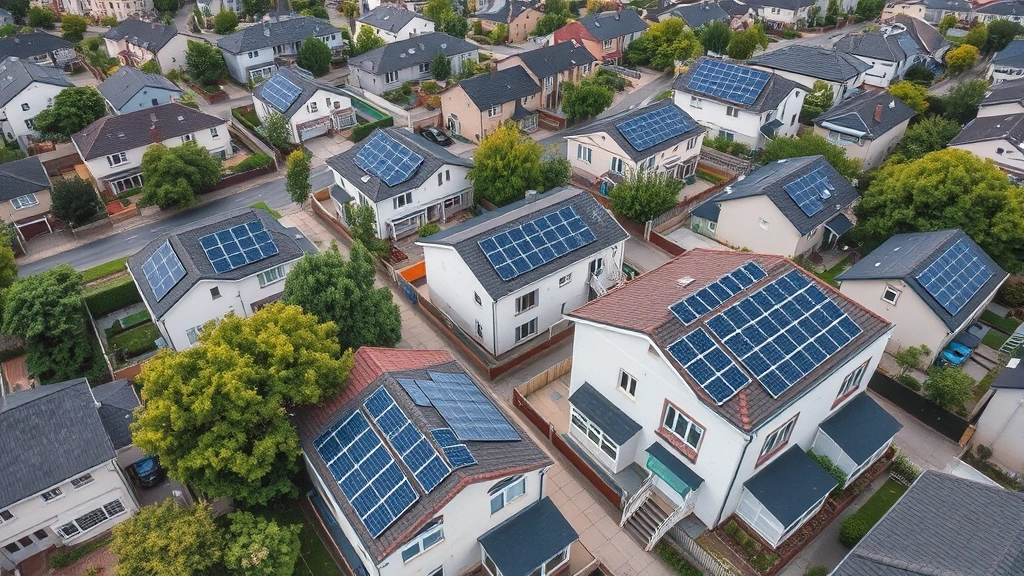
Building-integrated renewable technologies increasingly supplement grid power. Rooftop solar panels, solar windows, and building-integrated wind turbines enable structures to generate their own electricity. Combined with efficient heating systems, insulation, and smart controls, buildings approach net-zero energy consumption, reducing grid demand while improving resilience.
District heating systems powered by renewable electricity or waste heat recovery represent another integration strategy. Rather than individual heating systems, centralized renewable-powered heating serves multiple buildings, improving efficiency and enabling better management of renewable generation variability.
Future Projections and Trends
Research institutions consistently project that renewables will comprise 60-90% of global electricity generation by 2050 under current policy trajectories. More aggressive climate scenarios require faster transitions, with some analyses suggesting 95%+ renewable electricity by mid-century to meet Paris Agreement targets.
Emerging markets present enormous growth opportunities. Regions with abundant solar resources, growing energy demand, and limited existing fossil fuel infrastructure increasingly leapfrog directly to renewable systems. Africa, Southeast Asia, and Latin America will drive substantial portions of future renewable capacity additions.
Decarbonization of difficult sectors accelerates through technological breakthroughs. Green hydrogen production costs continue declining, making industrial process decarbonization economically competitive. Direct air capture technologies, powered by renewable electricity, enable negative emissions—removing carbon already in the atmosphere—essential for limiting warming to 1.5 degrees Celsius.
Circular economy principles increasingly integrate with renewable energy systems. Manufacturing solar panels and wind turbines from recycled materials reduces environmental footprints. Battery recycling programs recover valuable materials while reducing mining impacts. These circular approaches enhance sustainability beyond renewable energy generation itself.
Policy frameworks continue evolving to support transition acceleration. Carbon pricing mechanisms, renewable energy mandates, investment tax credits, and grid modernization funding create favorable conditions for green energy deployment. International cooperation through agreements like the United Nations Framework Convention on Climate Change establishes shared climate commitments driving coordinated renewable energy expansion.
Understanding how to reduce your environmental footprint increasingly involves supporting renewable energy adoption through consumer choices, investment decisions, and political engagement. Individual actions, when multiplied across millions of people, drive market transformation toward sustainable energy systems.
Explore additional insights through our SustainWise Hub Blog covering diverse sustainability topics and practical implementation strategies for individuals and organizations.
FAQ
What percentage of global electricity currently comes from renewable energy?
Renewable sources generated approximately 28-30% of global electricity in 2023, with growth accelerating annually. This includes hydroelectric (15-16%), wind (9-10%), solar (4-5%), and other renewables. Projections indicate renewables will exceed 50% by 2030 under current expansion rates.
Can renewable energy realistically power entire nations?
Yes. Several nations already achieve this milestone: Uruguay (98%), Denmark (80%), and Costa Rica (99% in some years). These examples demonstrate technical feasibility across different climate zones and geographic conditions. Scalability depends on infrastructure investment and political commitment rather than physical impossibility.
What is the biggest barrier to renewable energy adoption?
Barriers vary regionally. Grid infrastructure limitations, upfront capital costs, and political resistance from fossil fuel industries present significant obstacles in some regions. Others face supply chain constraints or land use challenges. Solutions exist for each barrier, but coordinated policy and investment acceleration are essential.
How do renewable energy systems perform in winter or cloudy climates?
Modern renewable systems function effectively in challenging climates through technology combinations: wind generation increases during winter months, diversified renewable sources balance seasonal variations, energy storage systems buffer production fluctuations, and interconnected grids enable power transfers from regions with surplus generation. Germany and Scandinavia demonstrate viable renewable systems despite limited winter sunlight.
What role will nuclear energy play in future energy systems?
Nuclear energy increasingly features alongside renewables in decarbonization strategies. Advanced reactor designs improve safety and economics, making nuclear attractive for reliable baseload generation. Most climate scenarios achieving net-zero emissions combine renewables (60-80%), nuclear (10-20%), and other sources rather than relying exclusively on one technology.
How can individuals support green energy transition?
Practical actions include installing rooftop solar panels, purchasing renewable energy through utility programs, supporting renewable energy investments, transitioning to electric vehicles, and advocating for supportive policies. Consumer demand increasingly drives corporate renewable energy adoption and grid modernization investments.
What timeline should we expect for complete energy transition?
Complete transition to 100% renewable electricity is technically feasible by 2050, with some regions achieving this earlier. However, decarbonizing transportation, heating, industry, and agriculture requires coordinated efforts extending through mid-century. The transition is already occurring faster than most predictions from a decade ago, suggesting acceleration is possible with sufficient investment and policy support.


