Understanding Sustainable Industrial Practices and Chemical Safety Standards
Industrial operations form the backbone of modern economies, yet they carry significant environmental responsibilities. The history of industrial chemistry reveals critical lessons about the importance of safety protocols, ethical manufacturing, and environmental stewardship. Understanding how industries have evolved to prioritize worker safety, environmental protection, and sustainable practices helps us build a more responsible future.
This comprehensive guide explores the evolution of industrial chemical safety standards, the regulatory frameworks that protect both workers and ecosystems, and how modern sustainability principles are reshaping manufacturing across all sectors. By examining historical industrial practices and contemporary improvements, we can better appreciate the importance of stringent safety measures and environmental compliance in today’s production facilities.
Historical Context of Industrial Chemical Regulation
The twentieth century witnessed unprecedented industrial expansion, which unfortunately included numerous instances of inadequate chemical safety protocols. Historical tragedies involving hazardous substances led to the development of comprehensive regulatory frameworks designed to prevent similar incidents. These dark chapters in industrial history underscore why modern definitions of sustainability now include rigorous safety standards as fundamental requirements.
The lack of proper regulation in early industrial periods resulted in catastrophic environmental contamination and widespread health crises. Workers were frequently exposed to toxic substances without protective equipment or warning systems. Communities surrounding manufacturing facilities experienced severe pollution affecting air quality, water resources, and soil integrity. These historical failures prompted governments worldwide to establish strict chemical handling protocols and banned the production and use of the most dangerous substances.
Modern industrial chemistry operates under completely different principles. Regulatory agencies now require comprehensive testing before chemicals enter the market, establish maximum exposure limits for workers, and mandate proper disposal procedures. The evolution from unregulated industrial production to today’s stringent oversight represents a fundamental shift toward protecting both human health and environmental integrity.
Modern Safety Standards and Compliance Requirements
Contemporary industrial operations must comply with extensive safety regulations established by government agencies and international bodies. These standards specify proper storage, handling, transportation, and disposal of chemicals. Facilities undergo regular inspections to ensure compliance, and violations result in significant penalties. The Environmental Protection Agency oversees chemical safety in the United States, while similar organizations operate globally.
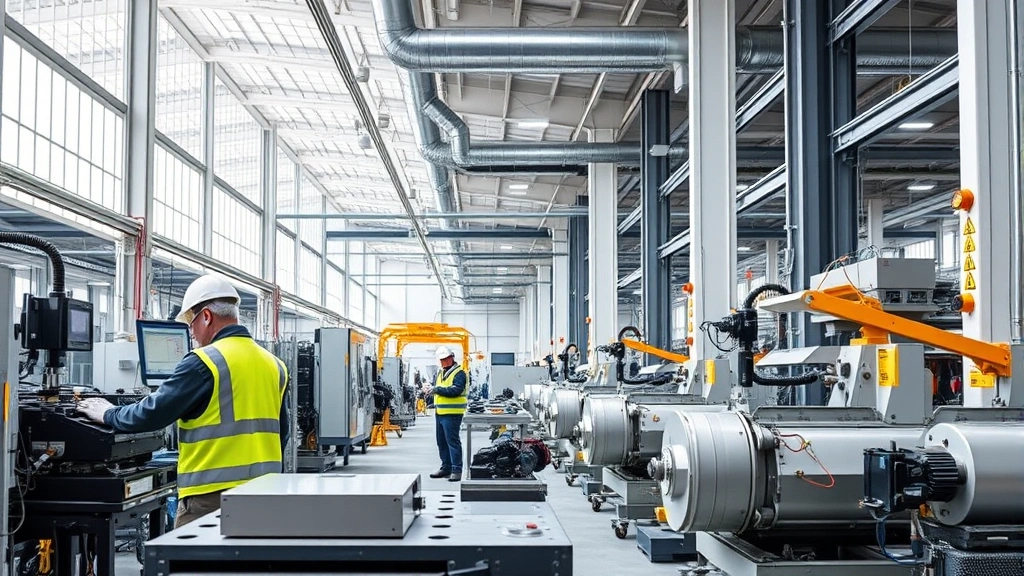
Manufacturing facilities today employ sophisticated monitoring systems that track chemical exposure levels in real-time. Workers receive extensive training on hazard identification, proper use of protective equipment, and emergency response procedures. Safety data sheets provide detailed information about every chemical used in production, including health hazards, exposure controls, and proper handling techniques. This transparency and accountability system represents a dramatic improvement over historical practices.
Chemical safety protocols include segregation of incompatible substances, proper ventilation systems, containment procedures for spills, and emergency response capabilities. Facilities maintain detailed records of all chemical usage, storage conditions, and disposal methods. Regular audits ensure ongoing compliance with safety standards. These comprehensive approaches significantly reduce the risk of accidents, environmental contamination, and worker exposure to hazardous materials.
Environmental Protection in Manufacturing
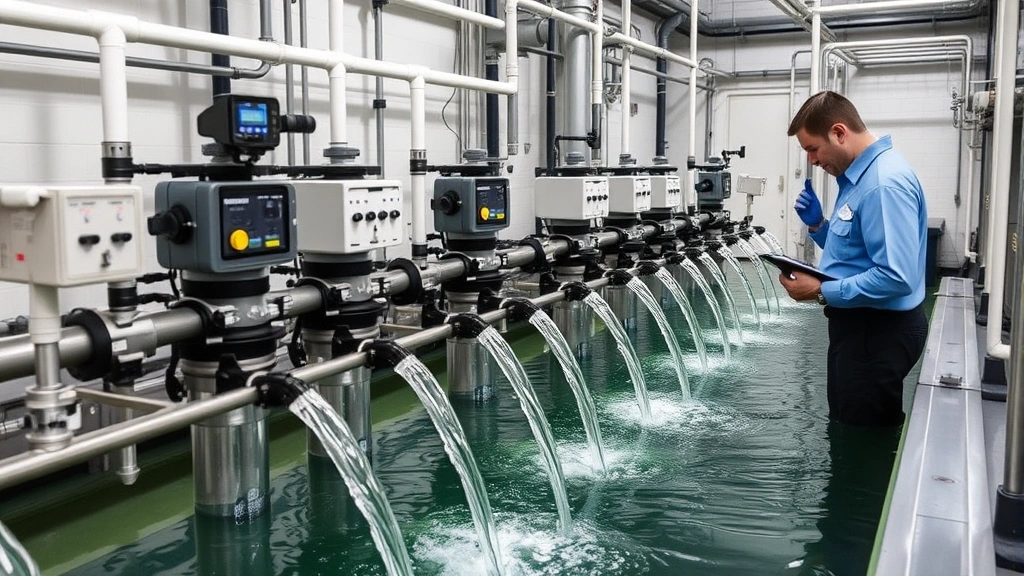
Sustainable green technology innovations have revolutionized how manufacturing facilities approach environmental protection. Modern plants implement closed-loop systems that minimize waste and reduce chemical releases into the environment. Water treatment facilities ensure that industrial discharge meets strict quality standards before entering natural waterways. Air filtration systems capture harmful emissions before they reach the atmosphere.
Manufacturing facilities now prioritize pollution prevention through cleaner production methods. This involves redesigning processes to reduce or eliminate hazardous chemical use from the beginning, rather than relying solely on end-of-pipe treatment. Green chemistry principles guide the development of safer alternatives to toxic substances. Companies invest in renewable energy sources to power their operations, reducing carbon emissions and environmental impact.
Environmental impact assessments precede the establishment of new manufacturing facilities, ensuring that operations won’t degrade local ecosystems or contaminate water supplies. Facilities implement biodiversity protection measures, habitat restoration programs, and conservation initiatives. Regular environmental monitoring tracks air quality, water quality, and soil conditions. These comprehensive environmental management systems demonstrate how industrial operations can coexist with healthy ecosystems.
Worker Safety and Occupational Health
Protecting worker safety remains a paramount concern in modern manufacturing. Comprehensive occupational health programs include medical surveillance, exposure monitoring, and health education. Workers receive personal protective equipment appropriate for their tasks and work in environments designed to minimize hazard exposure. Ergonomic considerations reduce physical strain injuries, while mental health support addresses workplace stress.
Industrial hygiene specialists conduct regular assessments to identify potential hazards and recommend preventive measures. Ventilation systems maintain safe air quality in work areas. Emergency response teams train regularly to handle potential incidents. Workers have the right to refuse unsafe work and to report hazards without fear of retaliation. These protections represent a significant evolution from historical industrial practices.
Modern facilities implement behavioral safety programs that foster a culture of safety awareness and responsibility. Employees receive training on recognizing hazards, reporting concerns, and participating in safety improvements. Regular safety meetings discuss near-miss incidents and implement corrective actions. This collaborative approach to safety has dramatically reduced workplace injuries and illnesses in manufacturing sectors worldwide.
Sustainable Manufacturing Practices
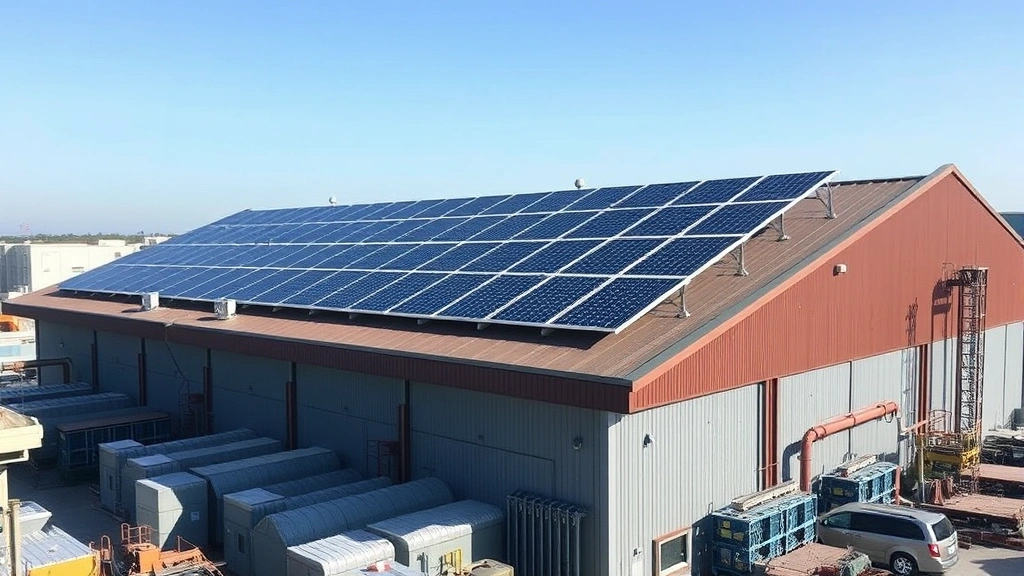
Contemporary manufacturing increasingly embraces sustainable energy solutions and waste reduction strategies. Facilities install solar panels, wind turbines, and other renewable energy systems to power operations. Energy efficiency improvements reduce overall consumption and associated carbon emissions. Waste reduction programs minimize material sent to landfills through recycling, composting, and reuse initiatives.
Circular economy principles guide modern manufacturing design, where products are designed for durability, repairability, and recyclability. Manufacturers collaborate with suppliers to ensure sustainable sourcing of raw materials. Supply chain transparency allows consumers to understand the environmental and social impact of products. Life cycle assessments evaluate environmental impact from raw material extraction through product disposal.
Water conservation measures reduce consumption and protect freshwater resources. Rainwater harvesting systems capture precipitation for use in manufacturing processes. Wastewater treatment facilities ensure that water returned to the environment meets quality standards. Some facilities achieve zero-waste status by eliminating all landfill disposal through comprehensive recycling and composting programs.
To reduce your environmental footprint as a consumer, support companies that demonstrate commitment to sustainable manufacturing. Choose products from certified manufacturers that meet rigorous environmental and safety standards. Understanding the production processes behind the items you purchase encourages manufacturers to improve their practices.
International Regulations and Certifications
Global regulatory bodies establish standards that manufacturing facilities must meet regardless of location. The United Nations Environment Programme coordinates international environmental agreements that restrict or ban hazardous substances. The Basel Convention regulates hazardous waste transportation, while the Rotterdam Convention controls trade in dangerous chemicals. These international frameworks ensure that hazardous substances cannot simply be relocated to countries with weaker regulations.
ISO 14001 certification demonstrates that facilities meet international environmental management standards. ISO 45001 certification indicates compliance with occupational health and safety requirements. These third-party certifications provide independent verification that facilities operate responsibly. Manufacturers pursuing these certifications undergo rigorous audits and implement continuous improvement programs.
The Global Reporting Initiative provides standards for sustainability reporting, allowing companies to transparently communicate their environmental and social performance. This accountability mechanism enables stakeholders to evaluate corporate responsibility. Investors increasingly consider environmental, social, and governance factors when making investment decisions, creating financial incentives for sustainable practices.
Chemical safety certifications ensure that products meet strict purity and quality standards. Facilities producing pharmaceuticals, food additives, and other products for human consumption undergo particularly rigorous inspections. These certifications protect consumer safety and ensure that products don’t contain harmful contaminants or undisclosed ingredients.
Visit the SustainWise Hub Blog for more information on environmental responsibility and sustainable business practices. Explore our comprehensive guide on advantages of electric vehicles to understand how transportation innovation contributes to sustainability goals.
FAQ
What are the main regulatory bodies overseeing industrial chemical safety?
The EPA regulates chemical safety in the United States, while the European Chemicals Agency oversees regulations in Europe. The International Labour Organization establishes occupational safety standards recognized globally. National environmental agencies in each country implement and enforce these standards within their jurisdictions.
How have manufacturing safety practices improved over time?
Modern facilities implement comprehensive monitoring systems, require extensive worker training, and maintain detailed safety documentation. Personal protective equipment has advanced significantly, and emergency response capabilities have improved. The shift from reactive to proactive safety management represents the most significant improvement.
What certifications should manufacturers pursue to demonstrate sustainability?
ISO 14001 for environmental management, ISO 45001 for occupational health and safety, and industry-specific certifications demonstrate commitment to sustainable practices. Third-party certifications provide independent verification of compliance with international standards.
How can consumers identify sustainably manufactured products?
Look for recognized certifications, research company sustainability reports, and support manufacturers that demonstrate transparency in their supply chains. Understand the production processes behind products you purchase and choose companies committed to environmental and worker protection.
What role do international agreements play in chemical safety?
International agreements establish minimum safety standards that apply across borders, preventing companies from relocating hazardous operations to countries with weaker regulations. These frameworks create a level playing field and protect global environmental health.
How do modern facilities prevent chemical contamination?
Closed-loop systems minimize waste, water treatment facilities ensure clean discharge, air filtration captures emissions, and comprehensive monitoring tracks environmental impact. Preventive design principles eliminate hazardous substances from processes whenever possible.


