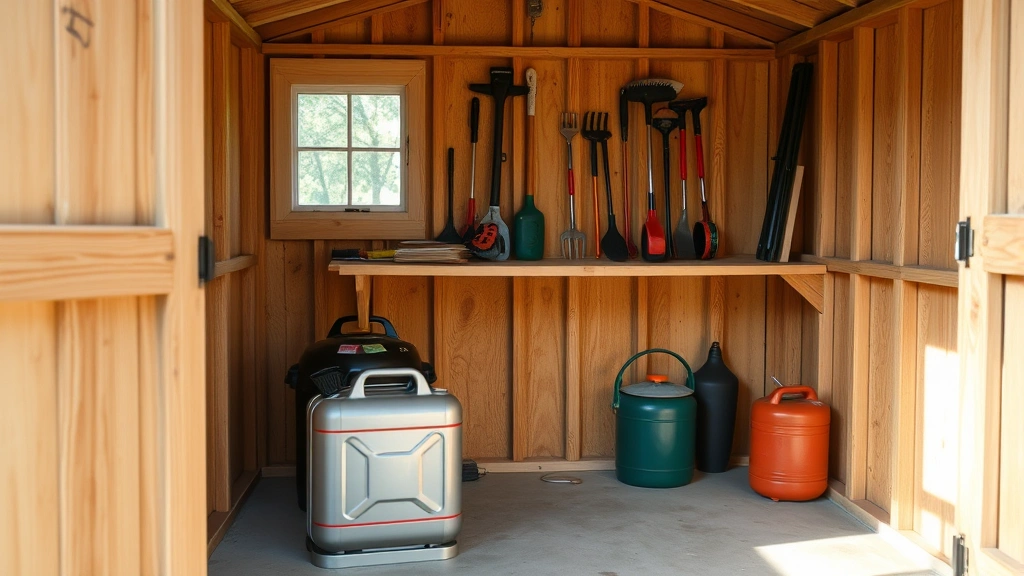
Is a 10 Gallon Gas Can Eco-Friendly? Facts Inside
When you’re standing in the hardware store eyeing a 10 gallon gas can, you might wonder about its environmental impact. While gas cans themselves aren’t inherently eco-friendly—they’re tools for storing and transporting fossil fuels—understanding their role in sustainability practices is crucial. The question isn’t just about the container, but how we use it, maintain it, and what alternatives exist.
Fossil fuel consumption remains one of the largest contributors to greenhouse gas emissions globally. A 10 gallon gas can represents a small but significant piece of this puzzle. Whether you’re fueling lawn equipment, generators, or vehicles, the way you store and handle gasoline matters for both environmental and safety reasons. This guide explores the ecological implications of gas cans, their proper use, and whether they fit into a sustainable lifestyle.
Environmental Impact of Gasoline Storage
A 10 gallon gas can stores approximately 38 liters of gasoline, a highly volatile petrochemical product. The environmental consequences of gasoline extend far beyond the fuel itself. When you store gasoline in any container, you’re managing a substance that contributes significantly to air pollution, climate change, and ecosystem degradation.
The production of gasoline involves crude oil extraction, refining, and transportation—each stage carries substantial environmental costs. Drilling operations can disrupt ecosystems, refining processes consume enormous amounts of water and energy, and transportation creates additional carbon emissions. By the time gasoline reaches your 10 gallon gas can, its carbon footprint is already substantial.
Storage containers play a critical role in preventing environmental contamination. Improper storage or leaking cans can lead to soil contamination and groundwater pollution. A single gallon of gasoline can contaminate up to 750,000 gallons of groundwater, making proper containment essential. When considering whether a gas can is eco-friendly, we must evaluate how well it prevents leaks and spills that could harm the environment.
The lifecycle of a gas can matters too. Manufacturing plastic or metal cans requires energy and raw materials. However, a well-maintained can that lasts for years has a better environmental profile than multiple disposable containers. This longevity factor is often overlooked in eco-friendly assessments.
Types of Gas Cans and Their Materials
Modern 10 gallon gas cans come in two primary materials: plastic and metal. Each has distinct environmental and practical implications.
Plastic Gas Cans: Most contemporary plastic gas cans are made from high-density polyethylene (HDPE), a petroleum-based plastic. While this creates a circular dependency—using plastic derived from fossil fuels to store fossil fuels—HDPE is relatively durable and resistant to corrosion. The environmental concern with plastic cans centers on their production energy requirements and eventual disposal. However, HDPE is recyclable, and many manufacturers now produce cans from recycled plastic content.
Metal Gas Cans: Steel or galvanized metal cans offer superior durability and longevity. Metal cans can last decades with proper maintenance, reducing the need for replacement. They’re also fully recyclable at end-of-life. The trade-off is that metal production is energy-intensive, but the extended lifespan often compensates for this initial environmental cost.
When evaluating the eco-friendliness of a 10 gallon gas can, consider the total lifecycle: manufacturing impact, operational longevity, safety features that prevent spills, and end-of-life recyclability. A metal can that functions perfectly for 20 years may ultimately be more sustainable than replacing plastic cans every 5-7 years.
Modern safety-focused designs have improved significantly. Look for cans with automatic shut-off spouts, improved seals, and reinforced construction. These features reduce spillage and environmental contamination risk, making them more eco-conscious choices despite potentially higher upfront costs.

Fuel Evaporation and Emissions
One of the most overlooked environmental aspects of gas can storage is fuel evaporation. Volatile organic compounds (VOCs) from gasoline evaporate continuously, contributing to air pollution and ground-level ozone formation. A 10 gallon gas can stored in warm conditions can lose significant fuel volume to evaporation over time.
The Environmental Protection Agency (EPA) recognizes fuel evaporation as a significant source of air pollution. VOCs contribute to the formation of harmful ground-level ozone, which damages respiratory health and ecosystems. Every poorly sealed gas can amplifies this problem.
Modern gas cans with improved sealing mechanisms significantly reduce evaporative emissions. Cans with pressure-relief valves and tight-fitting caps prevent unnecessary VOC release. If you’re using an older gas can with a loose-fitting cap, upgrading to a newer model could reduce your environmental impact substantially.
Storage location matters enormously for emission control. Keeping your 10 gallon gas can in a cool, shaded location slows evaporation rates. Storing it away from direct sunlight and heat sources can preserve fuel quality and reduce emissions. This simple practice costs nothing but yields real environmental benefits.
Temperature fluctuations accelerate evaporation. A can stored in a garage that reaches 90°F on summer days will lose more fuel than one stored in a climate-controlled shed. The relationship between storage conditions and environmental impact is direct and measurable.
Safety and Spill Prevention
Environmental protection and safety are inseparable when managing gasoline. Spills represent both immediate hazards and serious environmental contamination events. A 10 gallon gas can that prevents spills protects both human health and ecosystems.
Proper spill prevention requires multiple safeguards: secure caps that don’t leak, sturdy construction that resists impact damage, and stable design that prevents tipping. Cans with anti-slip bases and ergonomic handles reduce accidental spills during transport and pouring. These safety features directly translate to environmental protection.
If a spill occurs, immediate containment is critical. Gasoline can seep into soil and groundwater within hours. Absorbent materials, proper cleanup procedures, and appropriate disposal methods are essential. Understanding how to respond to spills is part of responsible gas can ownership and environmental stewardship.
Regular inspection of your 10 gallon gas can prevents problems before they occur. Check for cracks, rust, loose caps, or damaged seals. A can showing signs of deterioration should be replaced immediately rather than continuing to use a potentially leaky container. This preventive approach protects the environment and maintains safety.
Proper storage location also enhances safety and environmental protection. Store gas cans away from living areas, electrical equipment, and ignition sources. Keep them on level ground in well-ventilated areas. This approach reduces risks while minimizing vapor exposure that contributes to air quality problems.

Sustainable Alternatives to Gas Cans
While a 10 gallon gas can may be necessary for some applications, exploring alternatives aligns with broader environmental footprint reduction strategies. Several options can reduce your dependence on portable gasoline storage.
Electric Equipment: The most impactful alternative is switching to electric-powered equipment. Electric vehicles and tools eliminate the need for gas cans entirely. Battery-powered lawn mowers, chainsaws, and generators have improved dramatically in recent years. While initial costs are higher, operational savings and environmental benefits compound over time.
Fuel Stabilizers: If you must store gasoline, fuel stabilizers extend shelf life and reduce the need for frequent can replacement. This practice reduces overall fuel waste and the environmental impact of purchasing new gasoline more frequently than necessary.
Portable Fuel Containers with Advanced Features: Some newer containers incorporate technology to minimize evaporation and prevent spills. These premium options cost more upfront but offer superior environmental performance compared to basic gas cans.
Consolidated Fueling: Reduce the number of gas cans you maintain by consolidating fuel needs. Rather than keeping multiple cans for different equipment, use one larger capacity container and transfer fuel as needed. This approach reduces overall storage volume and associated environmental risks.
Community Fuel Sharing: In some communities, cooperative arrangements allow neighbors to share fuel storage and equipment. This distributed approach reduces individual storage volumes and environmental risk.
Exploring sustainable energy solutions demonstrates commitment to reducing fossil fuel dependency. Even if you can’t eliminate gas cans entirely, reducing their use represents meaningful environmental progress.
Best Practices for Gas Can Use
Maximizing the environmental performance of your 10 gallon gas can requires understanding and implementing best practices for storage, handling, and maintenance.
Selection and Purchase: Choose cans that meet current safety standards and feature modern emission-reducing designs. Look for cans with EPA-compliant spouts, pressure-relief valves, and improved sealing mechanisms. Metal cans offer longer lifespans; plastic cans should contain recycled content when possible.
Storage Location: Store your gas can in a cool, dry, well-ventilated area away from living spaces. Ideal locations include detached sheds, garages with good ventilation, or outdoor storage areas protected from direct sunlight. Never store gas cans indoors near furnaces, water heaters, or other ignition sources.
Temperature Management: Keep gas cans away from heat sources and direct sunlight. Temperature fluctuations accelerate evaporation and increase pressure inside containers. Stable, cool storage extends fuel quality and reduces emissions.
Regular Inspection: Monthly inspections catch problems early. Check caps for tightness, examine the can for cracks or rust, and verify that seals remain intact. Address any issues immediately rather than continuing to use a compromised container.
Fuel Quality Maintenance: Use fuel stabilizers if storing gasoline for extended periods. This practice prevents fuel degradation and reduces the need to dispose of old fuel and purchase new supplies, lowering overall environmental impact.
Proper Disposal: Never pour old gasoline down drains or into soil. Contact local hazardous waste facilities for proper disposal. Many communities offer free or low-cost fuel disposal services specifically to prevent environmental contamination.
Transportation Safety: When transporting a gas can, secure it firmly to prevent tipping. Use cans with secure handles and stable bases. Transport gas during cooler parts of the day when possible to minimize evaporative losses.
Documentation: Keep records of fuel purchases and usage. This tracking helps identify leaks or unusual consumption patterns that might indicate problems with your storage container.
Implementing these practices demonstrates environmental responsibility while maximizing the useful life of your gas can. Small actions compound into meaningful environmental protection over time.
As you consider your energy needs, reviewing broader green technology innovations transforming our future can inspire additional sustainable choices beyond gas can selection. Many households are discovering that transitioning away from fossil fuel equipment altogether represents the ultimate eco-friendly solution.
FAQ
Are plastic or metal 10 gallon gas cans more eco-friendly?
Metal cans generally have a better environmental profile due to their extended lifespan, typically lasting 20+ years compared to 5-7 years for plastic. However, plastic cans made from recycled HDPE are increasingly available and recyclable at end-of-life. The most eco-friendly choice depends on your specific situation: if you’ll use the can for many years, metal offers superior environmental performance; if you need a can immediately and plastic is your only option, ensure it’s recyclable.
How much fuel is lost to evaporation from a gas can?
Evaporation rates vary based on temperature, humidity, can design, and storage conditions. A poorly sealed can in warm conditions might lose 5-10% of its contents monthly. Modern cans with improved seals reduce this to less than 1% monthly. Proper storage in cool locations further minimizes evaporative losses.
Can I reduce my need for a 10 gallon gas can?
Absolutely. Switching to electric-powered equipment eliminates gas can needs entirely. Battery-powered lawn mowers, chainsaws, and tools have become increasingly practical. If you must maintain some gasoline storage, consolidating equipment and fuel needs reduces the number of cans required.
What should I do if my gas can leaks?
Stop using the can immediately. If the leak is minor, you might repair it with appropriate sealant materials. However, most experts recommend replacement for safety and environmental reasons. Dispose of the old can at a hazardous waste facility and replace it with a new one featuring modern safety features.
Is storing a gas can in my garage safe and eco-friendly?
Garage storage can work if your garage is well-ventilated, temperature-controlled, and free from ignition sources. However, many fire safety experts recommend storing gas cans in detached structures when possible. This approach reduces vapor exposure in living areas while minimizing temperature fluctuations that increase evaporation. Ensure proper ventilation regardless of location.
How often should I replace my gas can?
Well-maintained metal cans can last indefinitely; plastic cans typically last 5-7 years before degradation occurs. Replace cans sooner if you notice cracks, rust, loose caps, or persistent odors. Regular inspection helps identify when replacement is necessary.
Does the type of gasoline I store affect environmental impact?
Yes. Using ethanol-blended gasoline (E10) reduces petroleum consumption and emissions from fuel combustion. However, ethanol-blended fuels can absorb moisture and degrade plastic components in older gas cans. Ensure your can is compatible with your fuel type. Consider fuel stabilizers when using ethanol-blended gasoline for extended storage.
What’s the most eco-friendly alternative to a gas can?
Switching to electric equipment eliminates gas can needs entirely. Battery-powered equipment has improved dramatically and offers environmental, economic, and convenience advantages. If you must maintain gasoline storage, implementing best practices for storage, handling, and maintenance minimizes environmental impact while a transition to electric alternatives proceeds.


