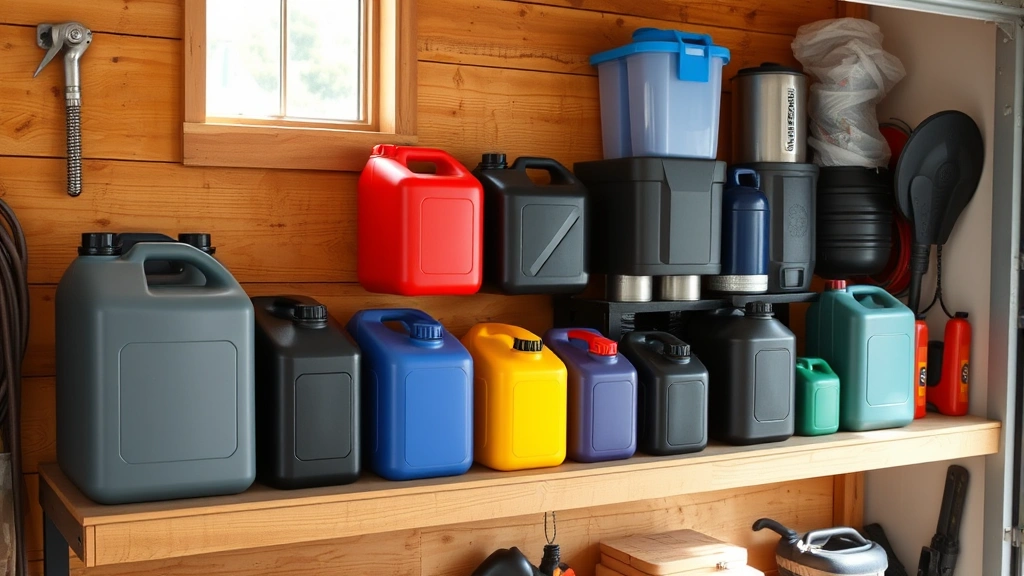
Is a 2 Gallon Gas Can Eco-Friendly? Expert Review
The humble 2 gallon gas can sits in garages and sheds across the country, often overlooked in conversations about environmental sustainability. Yet this small container represents a significant intersection of convenience, safety, and ecological impact. Whether you’re fueling a lawnmower, generator, or recreational vehicle, the choice of fuel storage method matters more than most people realize. This comprehensive review examines whether 2 gallon gas cans align with eco-friendly practices, explores their environmental footprint, and reveals what sustainable alternatives exist.
Gas cans have evolved considerably since their inception, with modern designs incorporating safety features and materials that reflect growing environmental awareness. However, the question of true eco-friendliness extends beyond the can itself to encompass fuel efficiency, emissions, proper storage, and disposal practices. Understanding these factors helps you make informed decisions that reduce your personal environmental impact.

Environmental Impact of 2 Gallon Gas Cans
The environmental footprint of a 2 gallon gas can encompasses multiple stages: manufacturing, transportation, use, and eventual disposal. Modern plastic gas cans, typically made from high-density polyethylene (HDPE), require petroleum extraction and processing. This production process generates carbon emissions and consumes energy resources. However, the impact must be weighed against the can’s lifespan and the fuel it contains.
When we discuss environmental sustainability of fuel containers, we must consider that proper fuel storage actually prevents environmental damage. A leaking or improperly stored gas can leads to soil contamination, groundwater pollution, and ecosystem harm. The EPA reports that improper fuel storage and handling causes thousands of gallons of fuel to enter waterways annually. A quality 2 gallon gas can with secure sealing mechanisms actively prevents these disasters.
The carbon footprint of manufacturing a single 2 gallon gas can is relatively modest—typically equivalent to a few miles of driving. When that can is used for 10-15 years (the average lifespan), the per-year environmental cost becomes negligible. Metal cans, conversely, require more energy-intensive production but offer superior longevity and recyclability. The choice between plastic and metal involves complex lifecycle analysis considerations.
Gasoline itself represents the primary environmental concern. A 2 gallon gas can stores fuel that, when burned, releases carbon dioxide and other greenhouse gases. However, the can itself is neutral in this equation—the fuel’s impact depends on how efficiently it’s used. This connects directly to exploring sustainable energy solutions and reducing dependence on fossil fuels altogether.
Material Composition and Production
Understanding what your gas can is made from reveals important sustainability information. Most modern 2 gallon gas cans use one of three materials: high-density polyethylene (HDPE) plastic, galvanized steel, or aluminum.
HDPE Plastic Cans: These dominate the market due to affordability and lightweight properties. HDPE production involves crude oil refining and polymerization processes. The material is recyclable, though many plastic cans end up in landfills. HDPE offers excellent chemical resistance and won’t rust, extending service life. Manufacturing produces approximately 2-3 kg of CO2 per can. The advantage lies in durability—a plastic can lasting 15 years amortizes this carbon cost significantly.
Steel Cans: Galvanized steel requires mining, smelting, and coating processes—more energy-intensive than plastic production. However, steel is infinitely recyclable without quality degradation. A steel can can be recycled repeatedly, making long-term environmental impact favorable. Steel cans resist degradation from UV light and fuel additives better than plastic, potentially extending lifespan to 20+ years.
Aluminum Cans: Aluminum production is energy-intensive, but the metal is highly recyclable. Some premium gas cans use aluminum for superior corrosion resistance and lighter weight. The environmental break-even point for aluminum occurs after recycling 4-5 times, making it advantageous for long-term use.
Modern manufacturing facilities increasingly implement green technology innovations to reduce production emissions. Many reputable manufacturers now use renewable energy in their facilities and implement waste reduction programs. When selecting a 2 gallon gas can, prioritizing brands committed to sustainable manufacturing practices amplifies positive environmental impact.
Recycling Considerations: At end-of-life, metal cans should enter recycling streams. Plastic cans can be recycled but often aren’t due to fuel residue contamination. Proper cleaning before recycling is essential. Some manufacturers now design cans with recyclability in mind, using mono-material construction that simplifies processing.
Fuel Efficiency and Emissions
The 2 gallon gas can’s true environmental impact centers on how efficiently the fuel it stores gets used. Small engines like those in lawnmowers, chainsaws, and generators operate with varying efficiency levels. A well-maintained engine using fresh fuel from a properly sealed can runs cleaner than one using old, degraded fuel.
Fuel degradation represents a significant but often overlooked environmental factor. Gasoline stored improperly oxidizes and gums up, reducing engine efficiency and increasing emissions. A quality 2 gallon gas can with secure lids, venting systems, and anti-spill mechanisms maintains fuel integrity. Ethanol-blended fuels (E10) require particular attention to storage quality, as ethanol absorbs water over time. Investing in a better gas can directly improves fuel quality preservation.
Small engines produce disproportionately high emissions relative to their fuel consumption. The EPA estimates that one hour of lawn mowing produces emissions equivalent to driving a car for 45 miles. However, this doesn’t indict the gas can—it highlights why advantages of electric vehicles and equipment matter for sustainability. Electric lawnmowers and generators eliminate tailpipe emissions entirely, representing the most eco-friendly approach.
For those unable to transition to electric alternatives immediately, optimizing fuel storage and engine maintenance reduces emissions. Using premium fuel containers with built-in filters, maintaining proper fuel-to-oil ratios in two-stroke engines, and keeping equipment well-maintained all contribute to cleaner combustion. The 2 gallon gas can serves as a tool in this optimization strategy.
Carbon Footprint Calculation: Two gallons of gasoline produces approximately 20 pounds of CO2 when burned. The can itself contributes 0.2-0.5 pounds of CO2 equivalent across its manufacturing and transportation. Over a 15-year lifespan, annual amortized can-related emissions are negligible compared to fuel emissions. The focus should remain on reducing fuel consumption through efficiency and alternative technologies.
Storage Safety and Spill Prevention
Environmental protection through proper storage cannot be overstated. A high-quality 2 gallon gas can with secure sealing prevents volatile organic compound (VOC) emissions and fuel spills. The EPA identifies improper fuel storage as a leading source of groundwater contamination in residential areas.
Modern safety-rated gas cans feature several environmental protection mechanisms:
- Pressure Relief Vents: Prevent vapor buildup while minimizing evaporation loss
- Anti-Spill Nozzles: Reduce spillage during pouring, preventing soil contamination
- Flame Arrestors: Prevent fuel ignition while maintaining proper venting
- Child-Resistant Caps: Ensure secure closure and prevent accidental spills
- Structural Integrity: Resist cracking and leaking from temperature fluctuations or impacts
Fuel spills represent immediate environmental hazards. A single quart of gasoline can contaminate up to 250,000 gallons of groundwater. Proper storage using quality containers prevents this catastrophic pollution. For homeowners with environmental footprint reduction goals, investing in appropriate fuel storage is a tangible, high-impact decision.
Secondary containment—storing gas cans in spill-proof cabinets or trays—adds another layer of environmental protection. This practice captures potential leaks before they reach soil or groundwater. Professional and conscientious homeowners combine quality gas cans with proper secondary containment for maximum environmental safety.
Sustainable Alternatives to Consider
While a quality 2 gallon gas can represents responsible fuel storage, several alternatives deserve consideration for those prioritizing maximum sustainability.
Electric Equipment: The most eco-friendly alternative involves replacing gas-powered tools with electric equivalents. Battery-powered lawnmowers, chainsaws, and generators have advanced dramatically, offering comparable performance without emissions. Though requiring upfront investment, electric tools eliminate ongoing fuel storage needs and reduce environmental impact to near-zero during operation.
Propane Alternatives: For certain applications, propane burns cleaner than gasoline with lower carbon content. Propane equipment requires different storage containers (pressure vessels), but the fuel itself produces fewer emissions. Exploring natural gas vs propane comparisons helps determine if alternative fuels suit your needs.
Community Equipment Sharing: Rather than owning individual gas-powered tools, some communities establish shared equipment programs. This approach reduces manufacturing waste, extends equipment lifespan through distributed use, and decreases per-person fuel consumption. Tool libraries and neighborhood sharing initiatives represent emerging sustainability models.
Fuel-Free Solutions: Manual tools—push mowers, hand-operated equipment—eliminate fuel needs entirely. While labor-intensive, these tools suit small properties and offer health benefits alongside environmental advantages. A hybrid approach combining manual tools for small tasks with electric equipment for larger ones optimizes sustainability.
Biodiesel and Sustainable Fuels: Some applications accept biodiesel or sustainable fuel blends that reduce carbon intensity. Certain jurisdictions offer E85 (85% ethanol) or other renewable fuel options. However, storage container compatibility varies—verify your gas can works with alternative fuels before switching.
Best Practices for Eco-Conscious Use
Maximizing the environmental benefits of a 2 gallon gas can involves adopting several best practices:
- Choose Quality Over Price: Premium gas cans with robust sealing mechanisms prevent spills and fuel degradation. The modest price premium (typically $5-15) yields significant environmental returns through improved fuel preservation and reduced leakage risk.
- Maintain Proper Fuel Rotation: Use older fuel first (FIFO principle). Old gasoline degrades, reducing engine efficiency and increasing emissions. Fresh fuel burns cleaner, making rotation practices environmentally important.
- Store Safely and Properly: Keep gas cans in cool, dry locations away from sunlight and ignition sources. Proper storage preserves fuel quality and prevents vapor emissions. Secondary containment captures potential spills before environmental damage occurs.
- Keep Equipment Well-Maintained: Clean air filters, fresh spark plugs, and proper fuel-to-oil ratios in two-stroke engines reduce emissions significantly. A well-maintained engine burning quality fuel from a proper container operates cleanly.
- Minimize Fuel Consumption: Use equipment efficiently—don’t idle unnecessarily, maintain equipment regularly, and consider electric alternatives for frequent use. The less fuel you consume, the smaller your environmental footprint regardless of storage method.
- Recycle Properly: When your gas can reaches end-of-life, drain any remaining fuel completely and recycle the container through appropriate channels. Metal cans should enter scrap metal recycling; plastic cans (if clean) can enter plastic recycling programs.
- Consider Equipment Right-Sizing: Using appropriate equipment for tasks prevents fuel waste. A small generator for light loads uses less fuel than oversized equipment running inefficiently.
These practices collectively reduce environmental impact far more than the gas can choice itself. The container is merely one component of responsible fuel management.
FAQ
Are plastic 2 gallon gas cans recyclable?
Yes, HDPE plastic gas cans are recyclable, but they require thorough cleaning first to remove fuel residue. Many recycling programs accept cleaned plastic cans. Contact your local waste management facility for specific guidelines, as acceptance varies by location. Metal cans are infinitely recyclable and often preferred by recycling facilities.
How long can you safely store gasoline in a 2 gallon can?
Properly stored gasoline remains usable for 3-6 months in sealed containers. After six months, fuel begins degrading, particularly if ethanol-blended (E10). Storing in cool locations away from sunlight extends storage life. For longer storage, fuel stabilizers can extend viability to 12+ months. Using stored fuel regularly and rotating stock prevents degradation issues.
What’s the difference between metal and plastic gas cans environmentally?
Metal cans require more energy to manufacture but offer superior longevity and infinite recyclability. Plastic cans have lower manufacturing impact but may not recycle easily. Over 15+ year lifespans, metal cans often prove more sustainable. The choice depends on your usage patterns and local recycling infrastructure.
Can a 2 gallon gas can reduce my environmental impact?
A quality gas can prevents fuel spills and preserves fuel quality, reducing emissions from inefficient engine operation. However, the can itself has minimal environmental impact compared to fuel consumption. Maximum environmental benefit comes from reducing overall fuel use through equipment efficiency, maintenance, and transitioning to electric alternatives where possible.
Are there eco-friendly gas can brands?
Several manufacturers prioritize sustainability through recycled materials, renewable energy manufacturing, and designed longevity. Research brands committed to environmental practices. However, any quality, well-maintained gas can provides environmental benefits through proper fuel storage and spill prevention, regardless of brand marketing claims.
Should I switch to electric equipment instead of using gas cans?
For most homeowners, transitioning to electric equipment represents the most significant environmental improvement possible. Electric tools eliminate emissions entirely, remove fuel storage needs, and often provide superior convenience and safety. However, transition costs and application limitations mean gas equipment remains necessary for some users, making proper fuel storage critical in those situations.


