
Is a Gas Wall Oven Eco-Friendly? Chef Insights & Sustainability Analysis
When considering kitchen appliances for a sustainable home, the question of whether a 24 inch gas wall oven qualifies as eco-friendly demands careful examination. As chefs and environmental advocates increasingly scrutinize their cooking equipment, understanding the environmental impact of gas ovens becomes essential for conscious homeowners. This comprehensive guide explores the ecological footprint of gas wall ovens, compares them to alternative cooking methods, and provides actionable insights for making environmentally responsible kitchen choices.
Gas wall ovens have dominated professional and residential kitchens for decades, offering consistent heat distribution and precise temperature control. However, the sustainability narrative surrounding these appliances is more nuanced than a simple yes or no answer. By examining energy efficiency ratings, carbon emissions, and lifecycle impacts, we can better understand how a 24 inch gas wall oven fits into your broader home sustainability strategy.
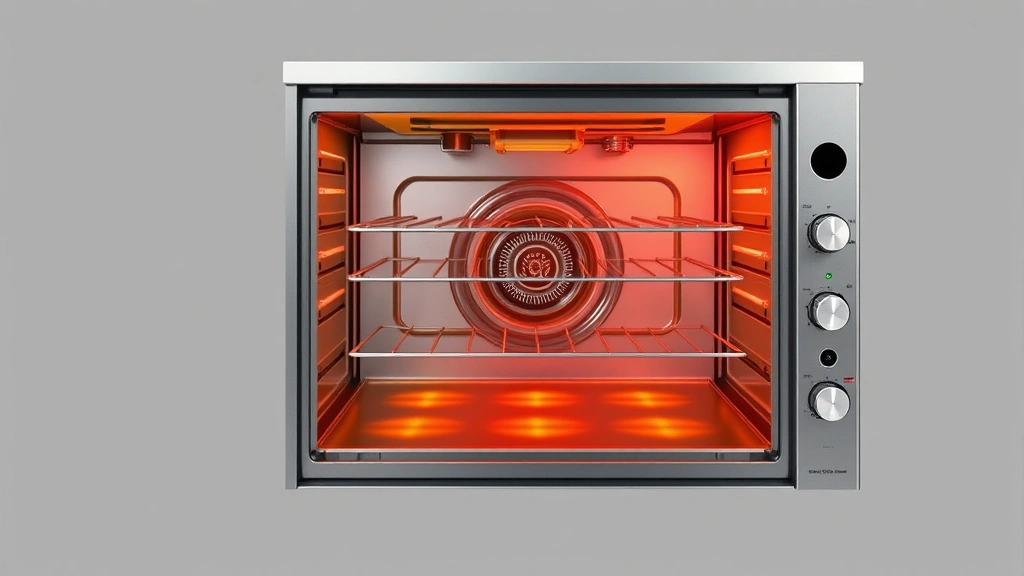
Environmental Impact of Gas Wall Ovens
The environmental footprint of a 24 inch gas wall oven encompasses multiple dimensions beyond just operational emissions. Natural gas, while cleaner than coal or oil, remains a fossil fuel that contributes to greenhouse gas emissions when burned. According to research from the Environmental Protection Agency (EPA), residential cooking accounts for approximately 3-5% of household energy consumption, with gas appliances contributing significantly to this figure.
When natural gas combusts in your oven, it produces carbon dioxide (CO₂) and methane—both potent greenhouse gases. A typical 24 inch gas wall oven generates approximately 15-20 pounds of CO₂ annually during regular use, depending on frequency and efficiency rating. This calculation assumes average cooking patterns of 4-5 hours weekly. The methane leakage throughout the natural gas supply chain adds an additional environmental burden that many consumers overlook.
Manufacturing and transportation of gas ovens also contribute to their total lifecycle emissions. The production process requires energy-intensive metal fabrication, electronic component manufacturing, and packaging materials. However, the operational phase typically accounts for 70-85% of a gas oven’s total environmental impact over its 15-20 year lifespan.
Explore our detailed guide on sustainable energy solutions to understand how different appliances fit into your home’s overall energy strategy.
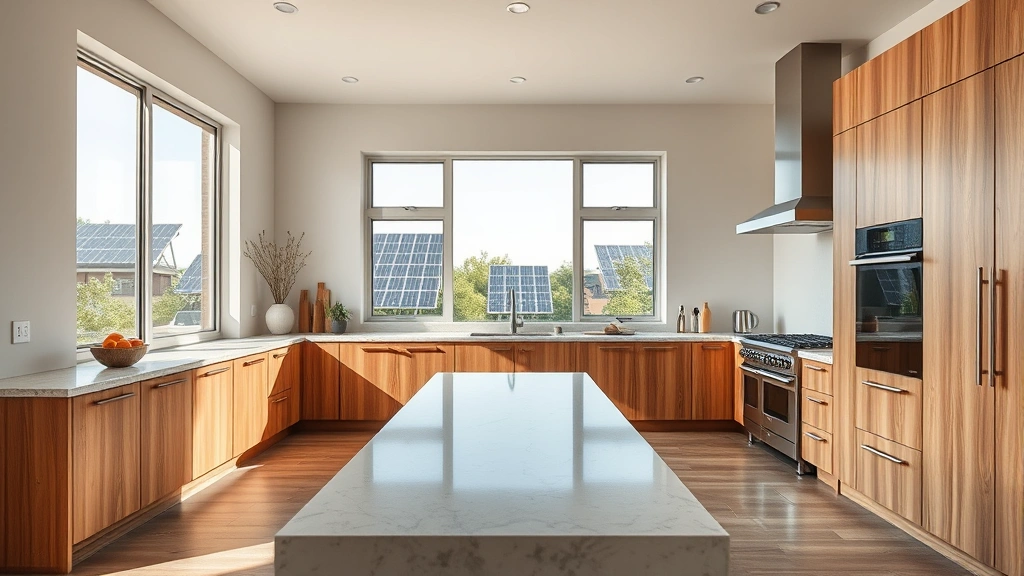
Energy Efficiency Ratings Explained
Understanding ENERGY STAR certifications and efficiency ratings is crucial when evaluating whether a gas wall oven is eco-friendly. The ENERGY STAR program establishes rigorous standards for cooking appliances, certifying only the most efficient models on the market. A 24 inch gas wall oven earning ENERGY STAR certification demonstrates at least 15% greater efficiency than standard models.
Efficiency ratings measure how effectively an oven converts energy input into cooking heat. Gas ovens typically achieve 40-50% efficiency, meaning approximately half the energy escapes as waste heat. Premium models with improved insulation and modern burner technology can reach 55-60% efficiency. Convection gas ovens, which circulate hot air throughout the cooking chamber, offer superior energy distribution and can reduce cooking time by 20-25% compared to conventional models.
The AFUE (Annual Fuel Utilization Efficiency) rating specifically applies to heating appliances, but similar principles govern oven efficiency. Look for models with:
- Sealed burners that direct heat more effectively into the cooking chamber
- Enhanced insulation materials that minimize heat escape
- Precision thermostats maintaining consistent temperatures without energy waste
- Convection fan systems optimizing heat circulation
- Rapid preheating capabilities that reduce standby energy consumption
When comparing models, prioritize those with the highest efficiency ratings available. The minimal additional investment in a premium efficient model typically yields energy savings of 10-15% annually, offsetting the higher purchase price within 5-7 years.
Gas vs. Electric: A Comprehensive Comparison
The gas versus electric oven debate fundamentally hinges on energy source, efficiency, and carbon intensity of your regional electricity grid. This comparison becomes increasingly favorable to electric ovens as renewable energy generation expands across North America and Europe. Understanding your local energy mix and how it compares to alternative technologies provides crucial context for decision-making.
Electric ovens demonstrate 70-85% efficiency rates, substantially higher than gas counterparts. This efficiency advantage stems from direct electrical resistance heating with minimal energy loss. However, the environmental benefit depends entirely on your electricity source. In regions powered primarily by renewable energy (wind, solar, hydroelectric), electric ovens represent the superior eco-friendly choice. Conversely, in coal-dependent regions, the environmental advantage narrows considerably.
Gas ovens offer several practical advantages that merit consideration alongside environmental factors:
- Precise temperature control: Professional chefs prefer gas for its instantaneous heat response and flame visibility
- Moisture retention: Gas combustion produces water vapor, keeping foods moister during cooking
- Lower operational costs: Natural gas typically costs 40-50% less than electricity per BTU in most regions
- Cooking performance: Superior browning and crust development in baked goods
Electric ovens provide distinct advantages including:
- Consistent heat distribution: Heating elements surrounding the chamber ensure uniform cooking
- Higher efficiency: 70-85% compared to 40-50% for gas models
- Renewable compatibility: Increasingly powered by clean energy sources
- Lower emissions: Zero direct emissions during operation
The most environmentally responsible choice depends on your specific circumstances. If your electricity comes from renewable sources, electric represents the clear winner. If you’re in a natural gas-dependent region with coal-heavy electricity, gas may offer a lower overall carbon footprint. Learn practical strategies for reducing home energy consumption regardless of appliance type.
Chef Perspectives on Cooking Performance
Professional culinary experts provide valuable insights into the practical sustainability implications of oven choice. Renowned chefs consistently emphasize that an oven optimizing cooking efficiency—regardless of energy source—represents an eco-friendly choice by reducing wasted food and energy.
Executive chefs from Michelin-starred restaurants highlight that gas wall ovens enable superior cooking precision, reducing the likelihood of failed dishes and food waste. A single ruined batch of bread or pastries wastes not only the ingredients but also the energy consumed during cooking. From this perspective, investing in equipment that maximizes cooking success contributes to overall household sustainability.
Modern chefs increasingly advocate for hybrid approaches, maintaining gas ovens for specific applications while incorporating electric convection ovens for other cooking tasks. This flexibility allows households to leverage each technology’s strengths. A 24 inch gas wall oven excels at artisanal bread baking, roasting, and high-heat applications, while electric convection units provide superior results for baked goods and delicate items.
Professional insights emphasize that equipment quality and proper maintenance dramatically impact both cooking results and environmental footprint. A well-maintained gas oven operating at peak efficiency produces superior results with minimal wasted energy. Conversely, a poorly maintained unit—with clogged burners, damaged seals, or malfunctioning thermostats—wastes substantial energy while delivering inferior cooking performance.
Reducing Your Gas Oven’s Carbon Footprint
If you own or plan to purchase a 24 inch gas wall oven, implementing these strategies minimizes its environmental impact:
Optimize Operational Efficiency
- Preheat for only 10-15 minutes rather than 20-30 minutes
- Use convection settings when available to reduce cooking time by 20-25%
- Cook multiple dishes simultaneously to maximize energy utilization
- Maintain consistent temperature settings rather than frequent adjustments
- Keep oven windows clean to monitor cooking progress without opening doors
Regular Maintenance Protocols
- Clean burners quarterly to ensure optimal fuel combustion
- Check door seals annually, replacing if damaged or worn
- Inspect thermostats for accuracy, recalibrating as needed
- Professional servicing every 2-3 years maintains peak efficiency
Behavioral Adjustments
- Batch cooking reduces the number of preheating cycles required
- Using residual heat for finishing dishes or keeping food warm
- Selecting recipes optimizing oven temperature settings
- Incorporating stovetop cooking for tasks not requiring oven heat
Upgrade Considerations
- Replace older models (pre-2010) with modern ENERGY STAR certified units
- Invest in convection models offering 15-20% efficiency improvements
- Consider hybrid cooking systems combining gas and electric technologies
Sustainable Kitchen Practices
Comprehensive kitchen sustainability extends far beyond oven selection. Implementing holistic practices creates meaningful environmental impact across your cooking and food preparation routines.
Ingredient Sourcing and Food Waste Reduction
The environmental impact of ingredients dramatically exceeds operational appliance emissions. Sourcing local, seasonal produce reduces transportation emissions by 80-90% compared to imported items. Minimizing food waste through proper storage, creative recipe planning, and composting strategies reduces your kitchen’s overall footprint more significantly than any single appliance upgrade.
Water Conservation
Modern kitchens consume substantial water during cooking and cleaning. Installing aerators on faucets, using steam cooking methods, and selecting recipes minimizing water requirements contribute to household sustainability. Washing dishes efficiently and collecting pasta cooking water for plants further reduces consumption.
Material Choices and Kitchen Design
Consider the broader kitchen ecosystem when planning renovations. Sustainable cabinetry, countertops, and flooring choices create cumulative environmental benefits. Explore emerging green technology innovations that integrate with your cooking appliances for comprehensive kitchen sustainability.
Selecting cookware crafted from sustainable materials—cast iron, stainless steel, or ceramic—enhances cooking efficiency while reducing replacement frequency. Quality cookware distributes heat more evenly, improving cooking results and reducing energy waste.
Future-Ready Cooking Technologies
The appliance industry is rapidly evolving toward more sustainable cooking solutions. Emerging technologies promise to address current limitations of both gas and electric ovens.
Induction Cooking Systems
Induction cooktops represent the future of residential cooking, offering 85-90% efficiency with instantaneous heat control. While primarily used for stovetop cooking, induction technology is beginning to appear in specialized wall oven configurations. These systems heat cookware directly rather than the surrounding air, eliminating wasted energy and enabling renewable electricity integration.
Hybrid Oven Technologies
Manufacturers are developing hybrid ovens combining gas and electric heating elements, allowing users to select the optimal energy source for specific cooking tasks. These systems promise to deliver gas’s cooking performance with electric’s efficiency advantages, representing a pragmatic middle ground for environmentally conscious cooks.
Smart Oven Features
Connected ovens with AI-powered optimization adjust cooking parameters in real-time, reducing energy consumption and improving results. Predictive maintenance alerts prevent efficiency degradation, while integration with home energy management systems enables scheduling cooking during renewable energy peaks.
Renewable Energy Integration
As solar and wind capacity expands, cooking appliances designed for renewable energy integration become increasingly practical. Battery-equipped homes can schedule energy-intensive cooking during peak solar production, maximizing renewable utilization and reducing grid strain.
Frequently Asked Questions
Is a 24 inch gas wall oven more eco-friendly than electric?
It depends on your regional electricity grid composition. In renewable-heavy regions, electric ovens are more eco-friendly. In natural gas-dependent areas, gas may offer lower overall carbon emissions. Both technologies can be sustainable when operated efficiently.
How much CO₂ does a gas oven produce annually?
A typical 24 inch gas wall oven generates 15-20 pounds of CO₂ yearly with average use (4-5 hours weekly). This calculation excludes methane leakage throughout the natural gas supply chain, which adds approximately 5-10% additional climate impact.
What efficiency rating should I prioritize when purchasing?
Look for ENERGY STAR certified models demonstrating at least 15% greater efficiency than standard units. Convection models offering 55-60% efficiency represent premium choices. The efficiency improvement typically pays for itself within 5-7 years through reduced energy consumption.
Can I make my existing gas oven more eco-friendly?
Yes. Regular maintenance (quarterly burner cleaning, annual seal inspection), operational optimization (batch cooking, minimal preheating), and behavioral adjustments (using residual heat, monitoring through windows) collectively reduce energy consumption by 10-20%.
Should I replace my gas oven with an electric model?
Replacement decisions should consider your electricity source, cooking preferences, and budget. If your region emphasizes renewable energy and you prioritize baking over high-heat cooking, electric makes sense. If you value gas’s cooking performance and live in a natural gas-dependent region, maintaining and optimizing your gas oven may be more sustainable than replacement.
What’s the environmental impact of manufacturing a gas oven?
Manufacturing accounts for approximately 15-30% of a gas oven’s total lifetime environmental impact. This includes metal fabrication, component production, assembly, and transportation. Extending your oven’s lifespan through proper maintenance maximizes the environmental benefit of the initial manufacturing investment.


