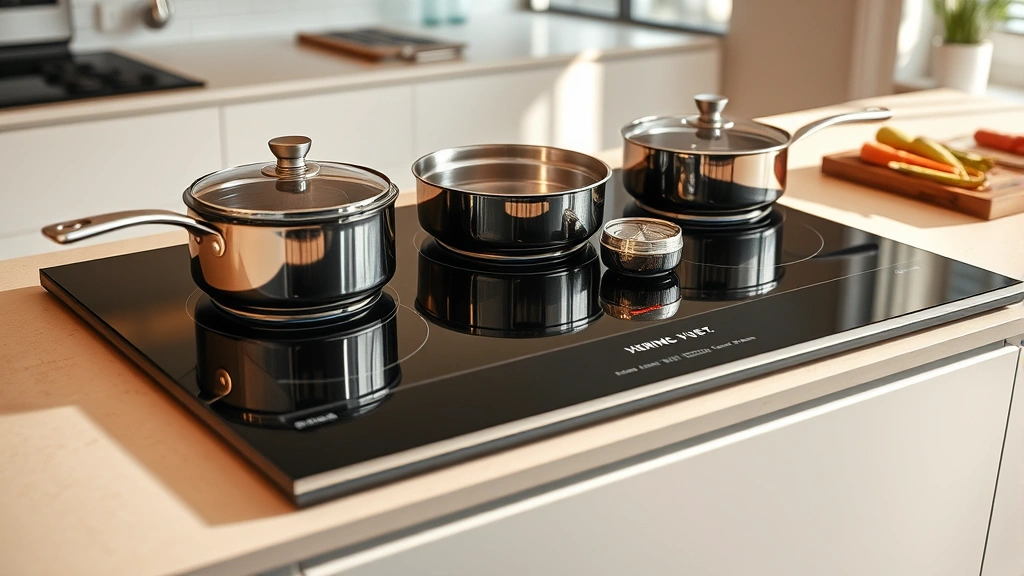
Is a 4 Burner Gas Stove Eco-Friendly? Comprehensive Insights on Environmental Impact
The kitchen is often considered the heart of the home, and the cooking appliance you choose plays a significant role in your household’s environmental footprint. A 4 burner gas stove is a popular choice for many families, but the question of whether it qualifies as an eco-friendly option deserves careful examination. This guide explores the environmental implications of gas cooking, compares it with alternative technologies, and provides actionable insights to help you make a more sustainable choice.
Understanding the ecological impact of your cooking methods is essential for anyone committed to reducing their carbon footprint. Gas stoves have been household staples for decades, yet emerging evidence about their environmental and health consequences has sparked important conversations about sustainable kitchen choices. Whether you’re renovating your kitchen or simply curious about your current appliance’s impact, this comprehensive analysis will help you understand the full picture.
Environmental Impact of Gas Stoves
Gas stoves represent a significant portion of residential energy consumption in North America and Europe. The environmental footprint of a 4 burner gas stove extends far beyond the appliance itself, encompassing natural gas extraction, pipeline infrastructure, transportation, and combustion emissions. Understanding this complete lifecycle is crucial for making informed decisions about your kitchen equipment.
Natural gas, while often marketed as a cleaner fossil fuel compared to coal or oil, still carries substantial environmental costs. The extraction process, known as hydraulic fracturing or fracking, disturbs ecosystems and requires enormous quantities of water. Additionally, the infrastructure required to transport gas from extraction sites to homes involves pipeline networks that span thousands of miles, creating habitat fragmentation and potential leak points.
When you use a 4 burner gas stove, you’re directly contributing to greenhouse gas emissions through combustion. Natural gas is primarily methane (CH4), and when burned for cooking, it releases carbon dioxide (CO2) and other byproducts. However, the environmental story doesn’t end at your kitchen—it begins upstream with extraction and extends to the entire supply chain. To truly understand your cooking impact, explore our detailed resource on how to reduce your environmental footprint, which includes kitchen-related decisions.
The production and manufacturing of the stove itself also matters. A typical 4 burner gas stove requires steel, aluminum, brass, and other materials that demand energy-intensive extraction and processing. The transportation of the finished product to retailers and then to your home adds additional carbon emissions. When considering whether a gas stove is eco-friendly, you must factor in these upstream impacts alongside operational emissions.
Methane Emissions and Climate Change
One of the most pressing environmental concerns associated with gas stoves is methane leakage throughout the supply chain. Methane is a potent greenhouse gas—approximately 28-34 times more effective at trapping heat in the atmosphere than carbon dioxide over a 100-year period. Recent studies have highlighted that gas stoves may leak unburned methane into homes, even when not in active use.
Research from Stanford University and other institutions has demonstrated that gas stoves emit methane during normal operation and standby periods. This unburned methane escapes directly into your home and eventually into the atmosphere, contributing to climate change. A single 4 burner gas stove can release methane equivalent to the carbon dioxide produced by driving a car for several thousand miles annually.
The methane problem extends beyond individual appliances. Throughout the natural gas distribution network—from production wells to pipelines to local delivery systems—leakage occurs at multiple points. Studies by the Environmental Protection Agency (EPA) have tracked these emissions and found that residential gas use contributes significantly to overall methane concentrations. When you choose a gas stove, you’re supporting an entire infrastructure designed around methane extraction and distribution, which inherently involves fugitive emissions.
The climate impact of methane is particularly concerning because it breaks down in the atmosphere relatively quickly (about 12 years) compared to CO2, but during that period, it causes dramatically more warming. This means that switching away from gas cooking can have relatively immediate climate benefits, unlike some other environmental interventions that show results over decades.
Energy Efficiency Comparison
When evaluating whether a 4 burner gas stove is eco-friendly, energy efficiency is a critical metric. Gas stoves typically convert 70-75% of the energy they consume into heat that actually cooks food, while the remaining 25-30% dissipates into the surrounding air. This is actually one area where gas performs reasonably well compared to some alternatives, though not the best available option.
Electric resistance coil stoves are similarly inefficient, with comparable heat transfer rates to gas. However, induction cooktops represent a significant efficiency leap, converting 80-90% of electrical energy directly into cooking heat. This means an induction stove requires substantially less energy to accomplish the same cooking tasks. When powered by renewable electricity, induction cooking becomes dramatically more sustainable than gas cooking.
The efficiency question becomes more nuanced when you consider the electricity grid’s energy mix. In regions where electricity comes primarily from renewable sources—such as hydroelectric, wind, or solar power—electric cooking becomes far more eco-friendly than gas. Conversely, in areas where the grid relies heavily on fossil fuels, the advantage of electric cooking diminishes, though it still typically outperforms gas when accounting for transmission losses and extraction emissions.
For comprehensive understanding of sustainable cooking and energy choices, review our guide to sustainable energy solutions, which covers cooking technologies among other household systems. The efficiency analysis also connects to broader principles covered in our principles of sustainability guide.
Modern gas stove manufacturers have made some efficiency improvements, including better insulation and burner design. However, these incremental gains pale in comparison to the efficiency advantages offered by induction technology. Additionally, efficiency improvements in gas stoves don’t address the methane emissions issue, which remains a fundamental environmental problem regardless of how efficiently the stove operates.
Indoor Air Quality Concerns
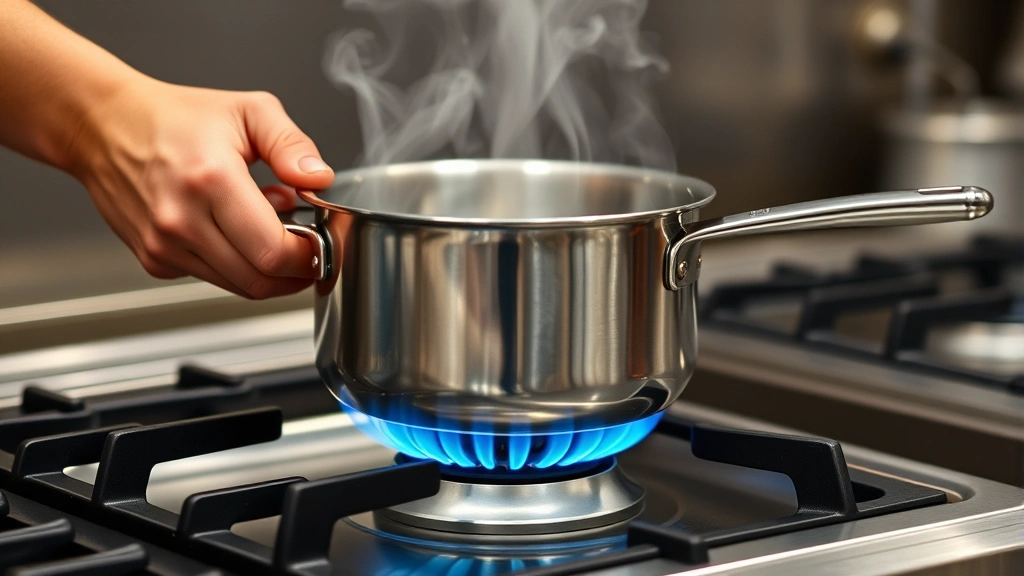
Beyond climate and energy considerations, gas stoves present indoor air quality challenges that affect both personal health and environmental quality. When natural gas combusts, it produces nitrogen dioxide (NO2), carbon monoxide (CO), and formaldehyde, along with water vapor and carbon dioxide. A 4 burner gas stove operating in a kitchen can significantly elevate indoor concentrations of these pollutants.
Studies published in environmental health journals have found that homes with unvented or poorly vented gas stoves experience indoor nitrogen dioxide levels that exceed outdoor ambient air quality standards. This is particularly concerning because cooking often occurs multiple times daily, creating repeated exposure to these combustion byproducts. Children in homes with gas stoves show higher rates of respiratory issues, asthma, and allergies compared to children in homes with electric cooking.
Proper ventilation can mitigate some of these concerns, but many homes lack adequate range hoods or have hoods that recirculate air rather than venting it outside. Even with ventilation, some pollutants escape into the home. The environmental justice aspect of this issue is significant—lower-income households are less likely to have proper ventilation systems, meaning residents face disproportionate exposure to indoor air pollution from cooking.
The combustion of natural gas also produces water vapor, which increases indoor humidity and can promote mold growth if not properly managed. This creates additional indoor environmental quality challenges beyond the direct pollutants from combustion. When you consider the complete environmental picture—not just climate impact but also local air quality and indoor environmental quality—gas stoves present multiple concerns.
Electric cooking, particularly induction, eliminates these combustion byproducts entirely. No nitrogen dioxide, no carbon monoxide, no formaldehyde—just direct heat transfer to cookware. This represents a substantial improvement in indoor environmental quality. For those concerned about their household’s environmental health, transitioning away from gas cooking offers immediate, measurable benefits.
Sustainable Cooking Alternatives
If you’re concerned about the environmental impact of a 4 burner gas stove, several alternatives deserve consideration. Each option presents different environmental tradeoffs, and the best choice depends on your specific circumstances, including your local electricity grid’s energy mix and your cooking preferences.
Induction Cooktops represent the most environmentally advanced cooking technology currently available for residential use. These cooktops use electromagnetic energy to heat cookware directly, eliminating the intermediate step of heating a coil or flame. The efficiency advantage is substantial—induction cooktops waste minimal energy as heat dissipation. They also offer superior cooking control, respond instantly to temperature adjustments, and present safety advantages because the cooktop surface itself doesn’t become dangerously hot. When powered by renewable electricity, induction cooking becomes genuinely eco-friendly.
Electric Coil and Smooth-Top Ranges offer a more affordable alternative to induction, though with lower efficiency. They eliminate combustion byproducts and can be powered by renewable electricity. Their main disadvantage is slower response time and less precise temperature control compared to induction. However, they represent a significant environmental improvement over gas cooking.
Solar Cooking might seem impractical for daily use, but solar cookers and solar ovens can supplement your cooking needs, particularly in sunny climates. This represents a truly renewable cooking method that produces zero emissions and requires no fuel input. While not suitable as a primary cooking method in most climates, solar cooking can offset energy use for certain applications, particularly outdoor cooking and food preservation.
Explore our comprehensive resource on green technology innovations for detailed information about emerging cooking technologies and sustainable kitchen solutions.
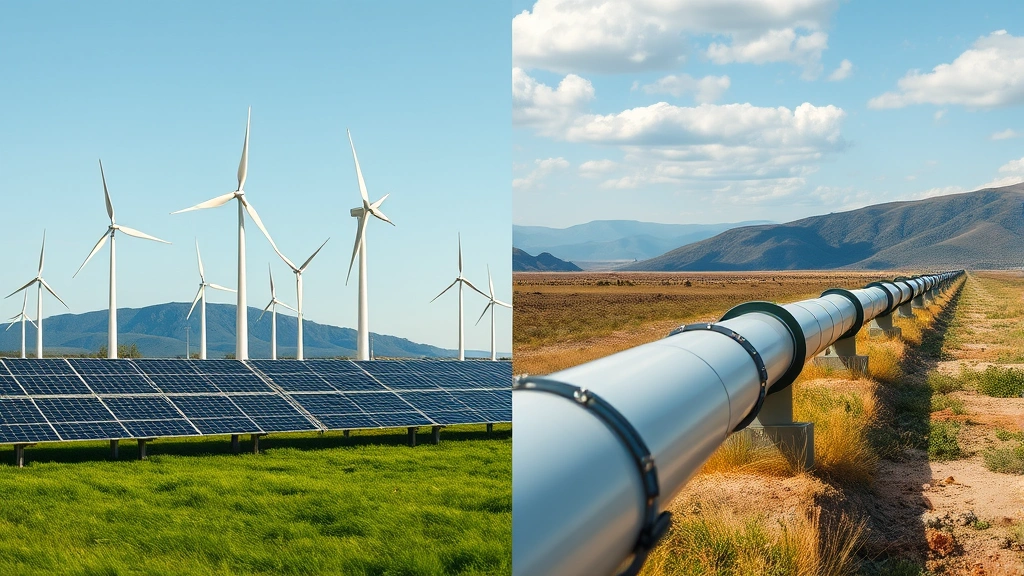
The transition from gas to electric cooking also aligns with broader energy system trends. As electricity grids continue to incorporate more renewable energy sources, the environmental advantage of electric cooking compounds over time. This means that choosing an electric cooktop today positions you well for an increasingly sustainable energy future.
Making Your Kitchen More Sustainable
Whether you’re ready to replace your 4 burner gas stove or looking to maximize the sustainability of your current setup, numerous strategies can reduce your kitchen’s environmental impact. A comprehensive approach addressing cooking methods, food sourcing, and waste management creates the greatest overall benefit.
Optimize Your Current Gas Stove: If you’re not immediately replacing your gas stove, several practices can minimize its environmental impact. Use appropriately-sized cookware that matches your burner size to reduce wasted heat. Keep burners clean to maintain efficiency. Use lids on pots and pans to reduce cooking time and energy consumption. Plan meals to batch-cook when possible, maximizing the utility of the energy you’re consuming. Install or upgrade your range hood to ensure proper ventilation of combustion byproducts.
Plan a Transition Strategy: If replacement is feasible, develop a realistic timeline. Induction cooktops have become increasingly affordable, with quality units available at various price points. Consider starting with a portable induction cooker to test the technology before committing to a full kitchen renovation. Many people find induction cooking superior once they adapt to the different feel and response characteristics.
Complementary Sustainability Measures: Reduce your kitchen’s overall environmental footprint by addressing food sourcing, packaging, and waste. Source ingredients from local producers when possible to reduce transportation emissions. Minimize single-use packaging by buying in bulk and using reusable containers. Compost food scraps rather than sending them to landfills. These measures work synergistically with cooking method improvements to create a genuinely sustainable kitchen.
Understanding the definition of sustainability helps contextualize these kitchen choices within broader environmental goals. Sustainability isn’t about perfection but about making progressively better choices across multiple dimensions of your life.
Community and Policy Engagement: Beyond personal choices, consider advocating for policies that support sustainable cooking transitions. Some municipalities offer rebates for replacing gas appliances with electric alternatives. Supporting these policies and helping neighbors understand the benefits of transitioning away from gas amplifies the environmental impact of individual choices.
FAQ
Is a 4 burner gas stove more efficient than electric cooking?
Gas stoves convert approximately 70-75% of energy into cooking heat, which is comparable to electric coil stoves but inferior to induction cooktops, which achieve 80-90% efficiency. However, efficiency alone doesn’t determine overall environmental impact—methane emissions and combustion byproducts must also be considered.
How much methane does a gas stove leak?
Studies indicate that a typical gas stove emits methane equivalent to driving a car thousands of miles annually. Even when not actively cooking, gas stoves can leak unburned methane into homes. The exact amount varies by stove model and condition.
Can I improve my gas stove’s environmental impact?
While you can optimize operating practices—using appropriately-sized cookware, keeping burners clean, using lids—these measures don’t address the fundamental methane emissions and combustion byproduct issues. Replacement with electric or induction cooking provides more substantial environmental benefits.
Is induction cooking safe?
Induction cooktops are extremely safe. They only heat cookware directly, not the cooktop surface, reducing burn risk. They shut off automatically when cookware is removed. The electromagnetic fields used are well-below safety thresholds established by health organizations.
What is the environmental cost of switching from gas to induction?
Manufacturing a new induction cooktop requires energy and materials, creating an upfront environmental cost. However, the operational efficiency and elimination of methane emissions typically offset this manufacturing impact within 2-3 years of use, depending on your local electricity grid’s energy mix.
Do electric cooking methods work with my existing cookware?
Induction cooktops require ferromagnetic cookware (most stainless steel and cast iron work, but aluminum and copper do not). Electric coil stoves work with any cookware. Many people find that their existing cookware is induction-compatible, minimizing replacement costs.


