Maximize Fuel Efficiency: 46-Gallon T1N Insights
The 46-gallon T1N gas tank represents a critical balance between capacity and efficiency for modern commercial and recreational vehicles. Understanding how to optimize fuel consumption with this specific tank size can significantly reduce your operational costs and environmental impact. Whether you’re managing a fleet or operating a personal vehicle, mastering fuel efficiency strategies tailored to the T1N platform offers tangible benefits for both your wallet and the planet.
The Mercedes-Benz T1N chassis, originally designed for the Sprinter van, has become increasingly popular among businesses and adventurers seeking reliable mid-sized vehicles. The 46-gallon fuel tank capacity provides extended range without excessive weight, making it an ideal choice for those balancing payload, range, and efficiency. This comprehensive guide explores practical strategies to maximize every gallon while maintaining vehicle performance and reliability.
Understanding the 46-Gallon T1N Tank Specifications
The 46-gallon capacity of a T1N fuel tank translates to approximately 174 liters, providing substantial range for vehicles with typical fuel economy ratings between 18-24 miles per gallon. This tank size was engineered to deliver optimal balance—enough fuel for extended operations while keeping vehicle weight manageable and maintaining center of gravity. Understanding your tank’s specifications helps you plan routes more effectively and anticipate refueling needs accurately.
Tank construction materials play a significant role in fuel quality preservation. Modern T1N tanks feature corrosion-resistant coatings and advanced venting systems that minimize fuel oxidation and maintain consistent fuel pressure delivery. The filler neck design and fuel cap seal are engineered to prevent vapor loss, which directly impacts efficiency metrics. Familiarizing yourself with these components ensures you’re maintaining your tank properly and avoiding common efficiency pitfalls.
Fuel tank monitoring systems in contemporary T1N vehicles provide digital readouts of remaining capacity, estimated range, and consumption rates. These systems have become increasingly sophisticated, offering real-time data that helps drivers make informed decisions about fuel purchases and route optimization. Regularly checking these readings helps identify sudden efficiency drops that might indicate maintenance needs or driving habit adjustments.
Engine Optimization for Superior Fuel Economy
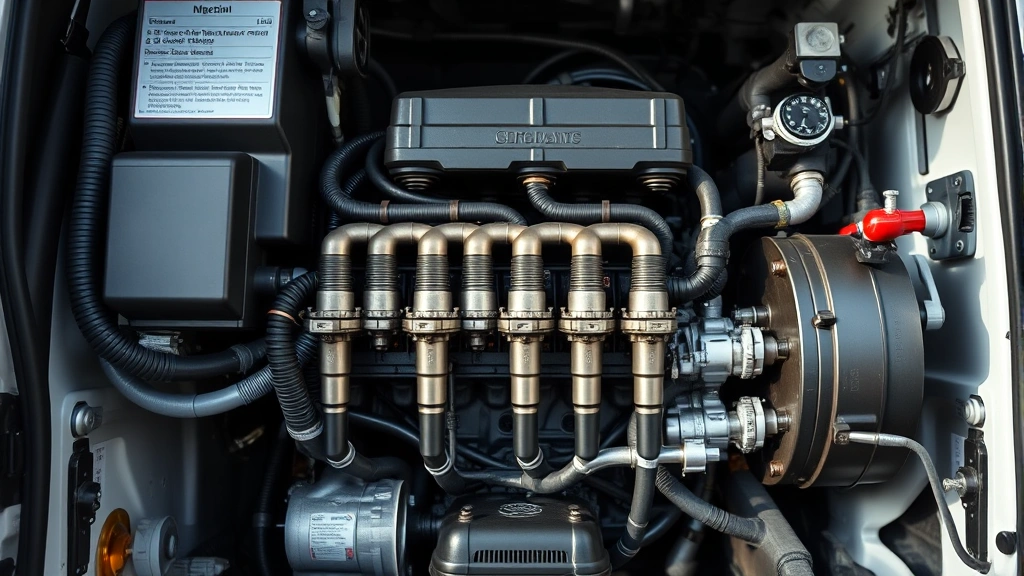
T1N vehicles typically feature diesel engines, particularly the popular 2.7L and 3.0L variants. Diesel engines naturally offer superior fuel efficiency compared to gasoline counterparts, delivering 20-30% better mileage. However, optimizing these engines requires understanding fuel injection timing, combustion efficiency, and load management. Regular maintenance and monitoring ensures your engine performs at peak efficiency.
Fuel injector cleanliness directly impacts combustion efficiency and emissions. Over time, fuel injectors accumulate deposits that disrupt precise spray patterns, reducing combustion completeness and increasing fuel consumption. Professional fuel system cleaning every 50,000-75,000 miles restores optimal injection patterns. Using quality diesel fuel and fuel additives that combat carbon buildup helps maintain injector performance between service intervals.
Engine tuning modifications can enhance efficiency when performed by qualified technicians. ECU (Engine Control Unit) remapping optimizes fuel injection timing and boost pressure to match your specific driving patterns. However, any modifications should prioritize fuel economy over power output. Consulting with certified Mercedes-Benz specialists ensures modifications maintain warranty coverage and vehicle reliability while improving the efficiency of your 46-gallon tank capacity.
Regular oil changes using the manufacturer-recommended viscosity grade reduce internal friction and improve engine efficiency. Synthetic oils provide superior protection and maintain optimal viscosity across temperature ranges, contributing to consistent fuel economy performance. Additionally, keeping your engine properly tuned—including air filter replacement, fuel filter changes, and spark plug maintenance for gasoline variants—prevents efficiency degradation.

Driving Habits That Reduce Fuel Consumption
Aggressive acceleration and rapid deceleration waste significant fuel by forcing engines to operate outside their efficient power bands. Smooth acceleration using gradual throttle application allows engines to operate at optimal RPM ranges where fuel consumption is minimized. This technique is particularly effective in T1N vehicles, where the torque delivery characteristics of diesel engines favor steady, moderate power application.
Maintaining consistent highway speeds improves fuel economy substantially. Aerodynamic drag increases exponentially with speed—traveling at 65 mph rather than 75 mph can improve efficiency by 10-15%. Cruise control helps maintain steady speeds on highways, reducing the micro-accelerations that occur with manual speed management. For those interested in broader environmental impact reduction, adopting consistent driving speeds represents one of the most effective personal choices.
Route planning significantly influences fuel consumption. Avoiding congested areas, selecting routes with fewer traffic lights, and minimizing elevation changes reduce overall fuel burn. Modern GPS systems and traffic applications help identify efficient routes before departure. Planning multi-stop routes to minimize backtracking and unnecessary mileage maximizes the efficiency of your 46-gallon capacity across your operational needs.
Coasting and anticipatory braking extend fuel efficiency. Rather than accelerating toward red lights, early deceleration allows momentum to carry the vehicle, reducing fuel injection demands. Anticipating traffic flow patterns enables smoother speed transitions that consume less fuel than reactive driving. These habits, combined with proper tire pressure maintenance, create compound efficiency improvements throughout your driving cycle.
Idle time represents wasted fuel that generates no productive output. Modern diesel engines in T1N vehicles consume approximately 0.5-1 gallon per hour during idle. Minimizing unnecessary idling—whether during loading, unloading, or waiting—directly preserves your fuel supply. Many modern vehicles feature idle shutdown systems that automatically stop engines after extended idle periods, though driver awareness remains the most effective idle reduction strategy.
Maintenance Practices to Preserve Efficiency
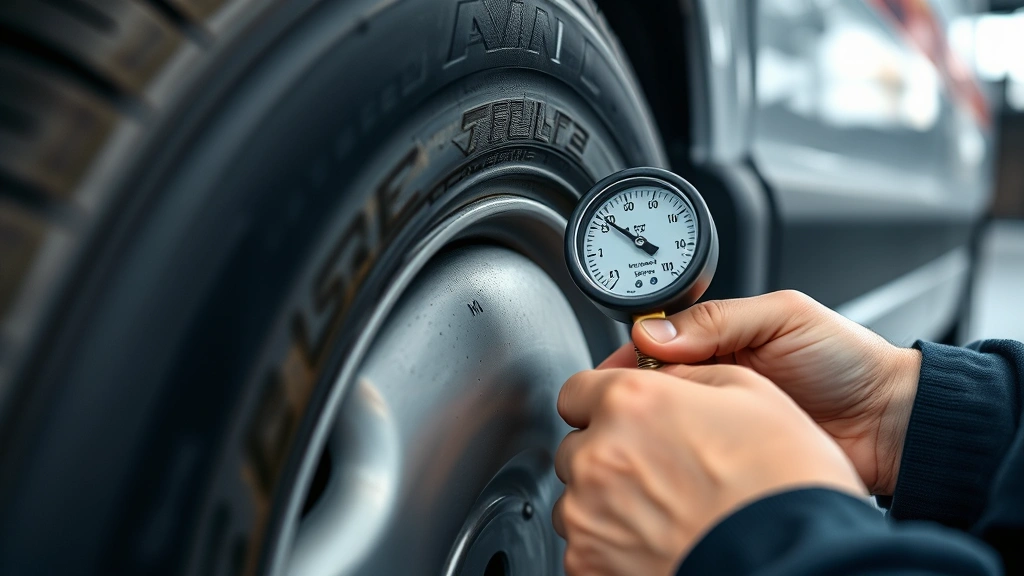
Tire pressure optimization stands as one of the most impactful and overlooked efficiency improvements. Under-inflated tires increase rolling resistance by up to 3%, directly reducing fuel economy. Checking tire pressure monthly and maintaining manufacturer-recommended PSI ensures optimal contact patch and rolling efficiency. T1N vehicles, particularly those carrying loads, benefit significantly from proper tire pressure management and regular rotation to maintain even wear patterns.
Air filter replacement prevents engine strain from restricted airflow. Clogged air filters force engines to work harder, increasing fuel consumption and reducing power output. Replacing filters according to manufacturer intervals—typically every 15,000-30,000 miles depending on driving conditions—maintains optimal air-fuel ratios. Diesel engines are particularly sensitive to air filter condition, making this maintenance task crucial for T1N fuel efficiency.
Transmission fluid quality and level directly impact power transfer efficiency. Low or degraded transmission fluid increases friction losses, reducing efficiency throughout the drivetrain. Regular transmission fluid checks and scheduled changes maintain smooth gear engagement and optimal efficiency. Automatic transmissions in T1N vehicles should be serviced according to manufacturer specifications to preserve the efficiency gains engineered into modern transmission designs.
Exhaust system integrity prevents efficiency losses from gas leaks and backpressure imbalances. Damaged mufflers, cracked pipes, or missing heat shields disrupt optimal exhaust flow, affecting engine efficiency. Regular visual inspections and professional diagnostics identify exhaust system issues before they compound efficiency problems. Maintaining proper exhaust flow ensures your engine’s fuel injection system operates as designed.
Battery condition influences fuel efficiency in T1N vehicles equipped with advanced electrical systems. A weak battery forces the alternator to work harder, consuming additional engine power. Regular battery testing and replacement before failure prevents efficiency degradation. Additionally, minimizing auxiliary electrical loads when not needed—such as air conditioning, heated seats, and auxiliary lighting—preserves fuel for primary propulsion.
Aerodynamics and Weight Management
Vehicle aerodynamics become increasingly important at highway speeds, where drag forces consume substantial fuel. T1N vehicles benefit from aftermarket aerodynamic improvements including roof spoilers, side fairings, and underbody panels that reduce turbulence. These modifications can improve highway fuel economy by 5-10% while maintaining the vehicle’s practical cargo capacity and professional appearance.
Cargo weight directly impacts fuel consumption across all driving conditions. Every 100 pounds of additional weight reduces fuel economy by approximately 1-2%. Removing unnecessary items from your T1N reduces overall mass and improves efficiency. For commercial operators, optimizing payload distribution—concentrating weight toward the vehicle’s center and lower positions—improves handling efficiency and reduces fuel consumption during acceleration and braking.
Roof racks and external cargo carriers create significant aerodynamic drag, particularly at highway speeds. When not in use, removing these items improves fuel economy noticeably. If permanent roof storage is necessary, choosing low-profile, streamlined designs minimizes drag compared to traditional box-style carriers. Strategic cargo placement inside the vehicle whenever possible preserves aerodynamic efficiency.
Trailer towing substantially increases fuel consumption due to increased weight and aerodynamic drag. Properly sized trailers with aerodynamic designs minimize this impact. Ensuring trailer tire pressure is optimal and that towing equipment is securely attached without rattling reduces efficiency losses. For regular towing operations, investing in aerodynamic trailer designs and weight distribution systems provides long-term fuel savings.
Alternative Fuel Options and Hybrid Considerations
Biodiesel blends represent a sustainable fuel option for T1N diesel engines, offering reduced emissions and improved lubricity. B20 blends (20% biodiesel, 80% petroleum diesel) work in most unmodified T1N engines while providing environmental benefits. Sustainable energy solutions like biodiesel reduce lifecycle carbon emissions by 15-20% compared to conventional diesel, making them attractive for environmentally conscious operators.
Natural gas conversions represent another alternative fuel pathway, though understanding natural gas’s renewable status remains important for sustainability decisions. Liquefied natural gas (LNG) and compressed natural gas (CNG) offer lower emissions profiles, though fuel tank modifications are required. For operators with access to natural gas refueling infrastructure, these conversions can reduce operational fuel costs while supporting cleaner energy transitions.
Hybrid and electric vehicle technology continues advancing, with manufacturers developing hybrid diesel-electric systems for commercial vehicles. While dedicated hybrid T1N models aren’t yet mainstream, retrofit hybrid systems are becoming available. Electric vehicle advantages including regenerative braking and reduced idling losses apply equally to hybrid systems. For operators planning long-term vehicle retention, hybrid conversion costs may prove economical through fuel savings.
Synthetic diesel fuels, including renewable diesel and hydrotreated vegetable oil (HVO), offer drop-in compatibility with existing T1N engines while reducing emissions. These fuels maintain diesel engine efficiency while improving environmental profiles. As renewable fuel availability expands, T1N operators can transition to these alternatives without engine modifications, making them practical sustainability choices.
Technology Solutions for Real-Time Efficiency Monitoring
Onboard diagnostic systems and fuel economy monitors provide real-time feedback on driving efficiency. Many T1N vehicles feature trip computers displaying instantaneous fuel consumption, average economy, and estimated range. Monitoring these metrics encourages driver awareness and enables immediate adjustments to driving habits. Some systems alert drivers when efficiency drops below target ranges, prompting investigation of potential mechanical issues.
Aftermarket fuel management systems offer enhanced monitoring capabilities beyond factory specifications. These systems track fuel consumption with precision, identify efficiency trends, and alert operators to anomalies suggesting maintenance needs. For fleet operators managing multiple T1N vehicles, comprehensive fuel monitoring systems provide comparative data enabling identification of driver behavior patterns and vehicle-specific efficiency issues.
GPS-based fleet management systems integrate fuel consumption data with route information, vehicle diagnostics, and driver performance metrics. These platforms identify inefficient routes, excessive idle times, and driving behavior patterns affecting fuel economy. Real-time dashboards enable proactive management decisions that improve overall fleet efficiency. For commercial T1N operators, these systems often pay for themselves through fuel savings within months.
Mobile applications connected to vehicle diagnostic systems enable remote monitoring of fuel economy and engine performance. Drivers can receive notifications about efficiency concerns before they become serious mechanical issues. These applications also provide historical data analysis, helping identify seasonal efficiency variations and long-term trends. Integration with route planning applications creates comprehensive efficiency management ecosystems.
Environmental Impact and Sustainability Benefits
Optimizing fuel efficiency in your 46-gallon T1N vehicle directly reduces your carbon footprint. Each gallon of diesel burned releases approximately 10.15 kilograms of carbon dioxide equivalent. Improving fuel economy from 20 mpg to 22 mpg reduces annual emissions by over 1,000 pounds for typical operators. Over a vehicle’s operational lifetime, efficiency improvements accumulate into substantial environmental benefits.
Reduced fuel consumption decreases demand for petroleum extraction, refining, and transportation—each stage with significant environmental costs. Supporting fuel efficiency improvements contributes to broader energy security and reduces reliance on fossil fuel infrastructure. As you explore green technology innovations, fuel efficiency optimization represents a practical, immediately implementable sustainability strategy.
Lower emissions from optimized vehicles improve air quality in communities, particularly in urban areas where commercial vehicles concentrate. Reduced particulate matter, nitrogen oxides, and volatile organic compounds benefit public health. For commercial operators, demonstrating commitment to efficiency and emissions reduction enhances brand reputation and appeals to environmentally conscious customers.
Fuel efficiency improvements reduce operational costs, improving economic sustainability alongside environmental benefits. Lower fuel expenditures increase profitability for commercial operators and reduce ownership costs for personal vehicle users. This economic-environmental alignment makes fuel efficiency optimization a compelling choice across all vehicle ownership categories.
Frequently Asked Questions
What is the typical fuel economy for a 46-gallon T1N vehicle?
Most T1N vehicles achieve 18-24 miles per gallon, depending on engine size, vehicle configuration, driving conditions, and maintenance status. Diesel variants typically exceed gasoline models by 5-8 mpg. Actual economy varies based on load, driving habits, and route characteristics. Regular maintenance and optimization techniques can improve economy toward the upper range of these estimates.
How often should I service my T1N vehicle to maintain fuel efficiency?
Follow manufacturer maintenance schedules, typically recommending oil changes every 10,000-15,000 miles, air filter replacement every 15,000-30,000 miles, and transmission fluid service every 60,000-100,000 miles. More frequent service intervals may be appropriate for vehicles operating in severe conditions. Regular maintenance prevents efficiency degradation and identifies emerging issues before they compound.
Can I improve T1N fuel economy through modifications?
Yes, several modifications improve efficiency: ECU tuning optimizes fuel injection timing, aerodynamic improvements reduce drag, and lightweight component substitutions reduce mass. However, modifications should prioritize efficiency over power output. Consult certified specialists to ensure modifications maintain warranty coverage and vehicle reliability while delivering measurable efficiency gains.
What tire pressure should I maintain in my T1N vehicle?
Consult your vehicle’s door jamb placard for manufacturer-recommended tire pressures, which vary based on vehicle weight and configuration. Maintain these pressures within manufacturer specifications—both under and over-inflation reduce efficiency and tire lifespan. Check pressures monthly and before long trips, as temperature changes affect pressure readings.
How does payload affect T1N fuel economy?
Each 100 pounds of cargo reduces fuel economy by approximately 1-2%. Heavy loads significantly impact acceleration fuel consumption and highway efficiency. Minimizing unnecessary weight and distributing loads efficiently maximizes range from your 46-gallon tank. For commercial operators, optimizing payload-to-efficiency ratios improves profitability alongside sustainability.
Are biodiesel blends safe for my T1N diesel engine?
B20 biodiesel blends (20% biodiesel, 80% petroleum diesel) are compatible with most unmodified T1N diesel engines. Higher biodiesel concentrations may require engine modifications and component upgrades. Consult your vehicle manufacturer or qualified technicians before using biodiesel blends above B20 to ensure compatibility and maintain warranty coverage.
What driving speed optimizes fuel efficiency?
Most vehicles achieve optimal fuel economy between 45-55 mph, with efficiency declining significantly above 65 mph due to increased aerodynamic drag. Highway driving at 60-65 mph represents a practical compromise between efficiency and travel time. Using cruise control maintains consistent speeds that maximize efficiency across varying terrain and traffic conditions.


