
Eco-Friendly Gas Storage? Expert Tips on Metal Cans
Storing gasoline safely and responsibly is a critical concern for homeowners, contractors, and outdoor enthusiasts. While traditional plastic containers dominate the market, 5 gallon metal gas cans offer a surprisingly sustainable alternative that combines durability, safety, and environmental consciousness. Understanding how to choose and maintain proper gas storage solutions directly impacts your household’s safety profile and carbon footprint.
The debate between plastic and metal containers extends beyond mere convenience—it touches on resource consumption, chemical leaching, and long-term environmental impact. Metal cans, particularly those made from galvanized steel, represent a thoughtful choice for eco-aware consumers seeking to minimize their ecological footprint while maintaining regulatory compliance and personal safety standards.
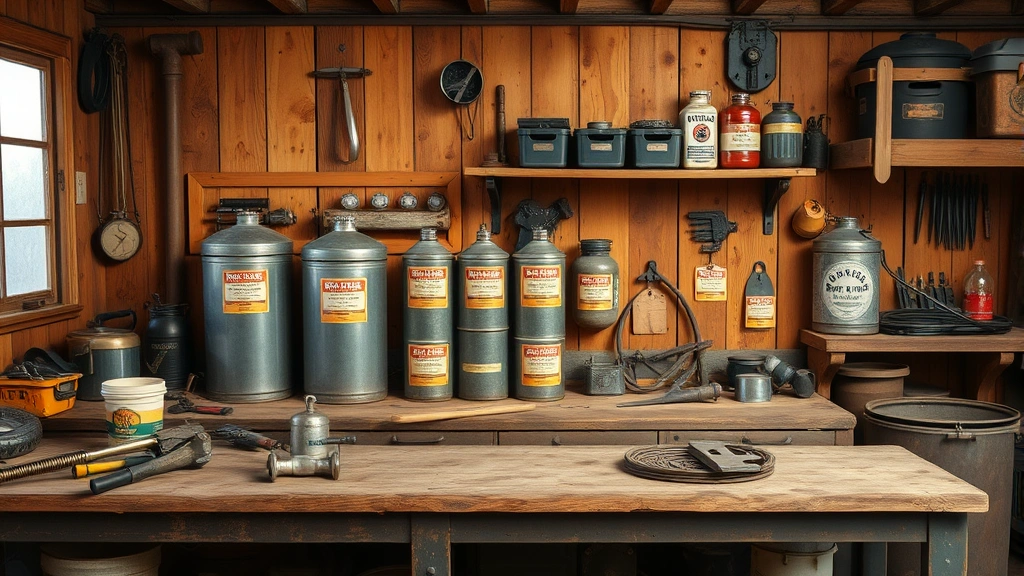
Why Metal Gas Cans Matter for Sustainability
The choice of fuel storage containers may seem trivial, but it carries surprising environmental implications. When you select a 5 gallon metal gas can, you’re making a decision that aligns with broader principles of sustainability by prioritizing durability and longevity over disposability. Metal containers represent a shift away from the single-use mentality that has dominated consumer culture for decades.
Metal gas cans can last for 20-30 years or more with proper care, whereas plastic containers typically degrade within 5-10 years. This longevity means fewer containers end up in landfills, reducing the overall waste stream associated with fuel storage. Additionally, metal is infinitely recyclable without losing its material properties, making end-of-life disposal a straightforward environmental benefit rather than a burden.
The manufacturing process for metal containers, while energy-intensive, produces fewer toxic byproducts compared to plastic production. Plastic manufacturing releases volatile organic compounds and relies heavily on petroleum extraction, both of which contribute significantly to greenhouse gas emissions and environmental degradation. By choosing metal, you’re reducing demand for fossil fuel-based plastics and supporting more sustainable manufacturing practices.
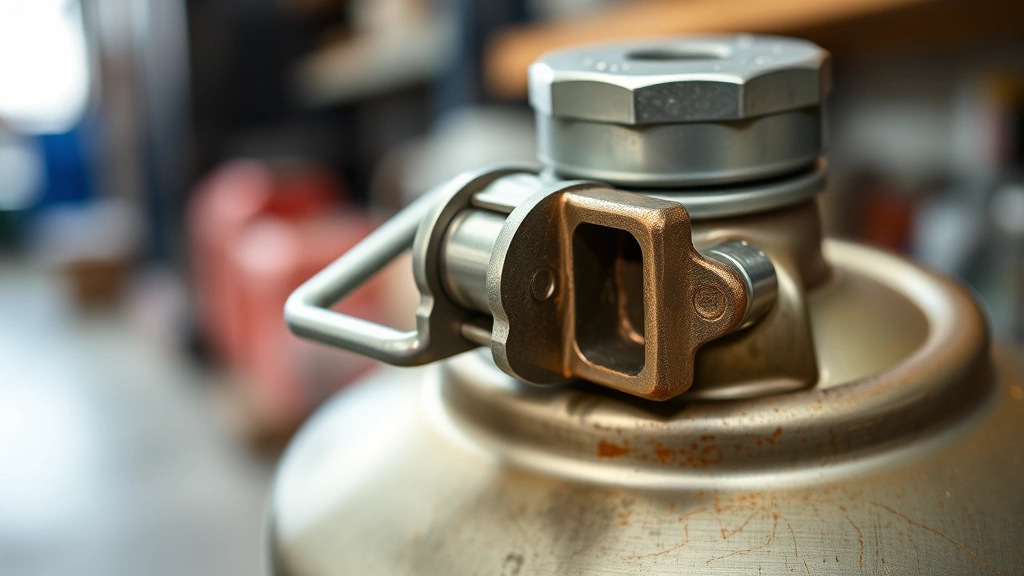
Understanding 5 Gallon Metal Gas Can Standards
Proper fuel storage requires adherence to specific safety standards established by regulatory bodies. The 5 gallon metal gas can capacity has become the industry standard because it balances portability with safety regulations. A five-gallon container holds approximately 38 pounds of gasoline, making it manageable for most adults while complying with Department of Transportation (DOT) guidelines.
Metal cans meeting DOT specifications feature reinforced seams, vented caps with flame arrestors, and grounding lugs to prevent static electricity accumulation. These safety features are essential for preventing fires and explosions during storage and transport. Galvanized steel construction provides corrosion resistance, ensuring that fuel purity remains uncompromised throughout the storage period.
The American Petroleum Institute (API) and Underwriters Laboratories (UL) establish rigorous testing protocols for fuel containers. Reputable metal gas cans undergo pressure testing, drop tests, and chemical compatibility assessments to ensure they meet or exceed these standards. When purchasing, look for certification marks indicating compliance with these safety standards—this guarantees you’re investing in a genuinely protective storage solution.
Environmental Benefits of Metal Storage Solutions
Switching to metal containers represents a tangible step toward reducing your environmental footprint. The environmental advantages extend across multiple dimensions of sustainability, from resource extraction through end-of-life management.
Reduced Chemical Leaching: Plastic containers can degrade when exposed to gasoline, releasing harmful chemicals into the fuel and surrounding soil. Metal containers eliminate this risk entirely. If a plastic container leaks near groundwater sources, petrochemicals and plastic additives contaminate drinking water supplies. Metal’s inert nature prevents such contamination, protecting both your fuel quality and local ecosystems.
Lower Manufacturing Emissions: While metal production requires significant energy, the per-unit lifecycle emissions decrease substantially when accounting for durability. A single metal can used for 25 years produces dramatically fewer emissions than five plastic cans replaced over the same period, each requiring manufacturing, packaging, and transportation.
Recyclability and Circular Economy: At end-of-life, metal cans enter established recycling infrastructure with near 100% recovery rates. The recycling process requires only 5% of the energy needed to produce virgin aluminum and roughly 25% for steel. This closed-loop system embodies circular economy principles by transforming used containers into new products indefinitely.
Ecosystem Protection: Avoiding plastic accumulation protects wildlife from ingestion and entanglement risks. Metal production, while environmentally demanding, doesn’t contribute to ocean plastic pollution or microplastic contamination—growing concerns affecting marine ecosystems and human health.
Safety Features and Regulations
Understanding regulatory requirements ensures your fuel storage complies with local, state, and federal guidelines. The 5 gallon metal gas can design incorporates multiple safety features mandated by law and best practices.
Flame Arrestor Technology: Modern metal cans feature flame arrestors in their vent caps—screens that allow air exchange while preventing flame propagation into the container. This critical feature prevents explosions if the can is exposed to ignition sources. The arrestor works by cooling any flame attempting to travel through the vent to temperatures below the fuel’s ignition point.
Grounding and Static Dissipation: Metal construction naturally conducts electricity, and many cans include grounding lugs specifically designed for bonding to vehicle fuel systems during transfer. This prevents static electricity buildup that could ignite fuel vapors. Always use these lugs when transferring fuel to ensure safe electrical continuity.
Pressure Relief Mechanisms: Sealed metal cans can develop internal pressure as fuel vapors expand, particularly in warm temperatures. Properly designed containers include relief mechanisms that vent excess pressure safely without releasing fuel or creating hazardous conditions.
OSHA and EPA Compliance: The Occupational Safety and Health Administration (OSHA) and Environmental Protection Agency (EPA) establish storage requirements for hazardous materials including gasoline. Metal cans must be stored in approved cabinets or locations away from ignition sources, with proper labeling and documentation. Compliance protects your household from legal liability and serious safety incidents.
Proper Storage and Maintenance Practices
Maximizing the lifespan and safety of your 5 gallon metal gas can requires consistent maintenance and proper storage protocols. These practices protect your investment while preventing environmental contamination and safety hazards.
Storage Location Selection: Store metal cans in well-ventilated areas away from living spaces, heat sources, and ignition sources. Outdoor storage in designated fuel storage cabinets offers optimal safety. Ensure the location is protected from temperature extremes—excessive heat accelerates fuel degradation and increases vapor pressure, while freezing temperatures can damage seals. Ideal storage temperatures range between 50-80°F.
Regular Inspection Protocol: Inspect cans monthly for signs of corrosion, dents, or seal degradation. Small rust spots can be addressed with wire brushing and touch-up paint, but deep corrosion requires can replacement. Check that caps seal properly and that vent mechanisms function correctly. Perform these inspections before seasonal storage to catch problems early.
Fuel Stabilization: If storing gasoline for extended periods, add fuel stabilizers to prevent gum and varnish formation. These additives extend fuel viability from 3-6 months to 1-3 years, reducing waste and ensuring reliable performance when you need the fuel. Stabilizers are inexpensive insurance against fuel degradation.
Moisture Prevention: Water contamination compromises fuel quality and promotes internal corrosion. Store cans with caps tightly sealed and positioned to prevent water pooling on top. In humid climates, consider silica gel desiccant packs placed in storage areas to absorb ambient moisture.
Labeling and Documentation: Clearly label cans with contents, storage date, and fuel type. This practice prevents dangerous mix-ups and helps you rotate stock using first-in-first-out principles. Documentation also supports insurance claims if incidents occur and demonstrates regulatory compliance.
Comparing Metal vs. Plastic Containers
The metal versus plastic debate requires examining multiple factors beyond initial cost. A comprehensive comparison reveals why metal containers often represent superior long-term choices for environmentally conscious consumers.
Durability and Longevity: Metal cans withstand 20-30+ years of use, while plastic containers typically fail within 5-10 years. Plastic degrades from UV exposure, temperature cycling, and chemical interaction with gasoline. This durability advantage means purchasing one metal can instead of three or four plastic replacements over a lifetime.
Safety Performance: Metal’s structural integrity prevents accidental ruptures from drops or impacts that would puncture plastic containers. Metal’s conductivity also facilitates safe static electricity dissipation. Plastic containers have documented failure rates exceeding metal alternatives, particularly when exposed to temperature extremes or mechanical stress.
Fuel Quality Preservation: Metal containers maintain fuel purity indefinitely, while plastic containers degrade chemically, contaminating stored fuel with additives and degradation products. This contamination can damage engine components and reduce equipment performance.
Environmental Impact: As discussed earlier, metal’s recyclability and longevity provide substantial environmental advantages. Plastic containers contribute to landfill waste and potential environmental contamination through leaching. The lifecycle environmental cost of plastic containers significantly exceeds metal alternatives when accounting for manufacturing, transportation, and end-of-life management.
Cost Analysis: While metal cans cost more initially ($30-60 versus $15-25 for plastic), the per-year cost decreases substantially when accounting for durability. A $50 metal can lasting 25 years costs $2 annually, while $20 plastic cans replaced every 5 years cost $4 annually. Over time, metal represents superior financial value.
Cost-Effectiveness Over Time
Investing in quality 5 gallon metal gas can storage demonstrates sound financial stewardship alongside environmental responsibility. Understanding the total cost of ownership clarifies why metal represents prudent long-term spending.
Initial Investment: Quality metal cans cost $40-70 depending on brand and features. Premium options with enhanced safety features command higher prices but provide additional protection and longevity. This upfront cost deters some consumers, but understanding lifecycle economics reveals the genuine value proposition.
Replacement Frequency: Plastic containers require replacement every 5-7 years due to degradation and failure. Over a 25-year period, you might purchase 4-5 plastic cans at $20 each, totaling $80-100. A single $50 metal can eliminates replacement expenses entirely, saving money while reducing waste.
Maintenance Costs: Metal cans require minimal maintenance—occasional inspection and touch-up paint for minor corrosion. These costs are negligible compared to replacing failed plastic containers. Fuel stabilizers ($5-10 per can annually) represent the primary ongoing expense, equally applicable to both container types.
Indirect Savings: Reliable fuel storage prevents equipment damage from contaminated fuel, avoiding expensive repairs. Proper storage compliance prevents fines and liability issues associated with regulatory violations. These indirect benefits, while difficult to quantify, provide substantial value.
Resale Value: Quality metal cans retain value and can be sold or gifted when no longer needed. Used plastic containers have minimal resale value due to durability concerns. This residual value further improves the metal can’s financial performance.
For sustainable energy solutions, proper fuel storage represents a foundational component. Whether maintaining backup power systems or storing fuel for seasonal equipment, metal containers provide reliable, environmentally responsible storage.
Consider exploring green technology innovations that reduce fuel dependency altogether. While transitioning away from gasoline represents the ultimate sustainability goal, responsible storage practices demonstrate commitment to environmental stewardship during the transition period. Visit the SustainWise Hub Blog for additional resources on sustainable living practices.
For those interested in transportation sustainability, advantages of electric vehicles provide compelling alternatives to fossil fuel dependency. However, until complete electrification occurs, responsible fuel management remains essential.
FAQ
What size metal gas can is most practical for household use?
The 5 gallon capacity represents the optimal balance between portability and practicality. It’s large enough to minimize refilling frequency while remaining manageable for most people to handle safely. Larger 10-gallon cans exist but are significantly heavier and more difficult to transport.
How long can gasoline be safely stored in a metal can?
Without additives, gasoline remains usable for 3-6 months. With fuel stabilizers, storage life extends to 1-3 years. Metal containers preserve fuel quality better than plastic, making them ideal for long-term storage when combined with proper stabilization techniques.
Are metal gas cans safe for indoor storage?
No. Gasoline vapors present explosion and fire hazards. Store metal cans outdoors in well-ventilated areas, away from living spaces and ignition sources. Many jurisdictions legally require outdoor storage in approved cabinets or designated areas.
Can I store diesel fuel in a gasoline metal can?
Yes, metal cans are compatible with diesel fuel. However, avoid cross-contamination by using separate, clearly labeled cans for different fuel types. Diesel storage follows similar safety and environmental protocols as gasoline storage.
What’s the best way to dispose of an old metal gas can?
Empty the can completely, rinse thoroughly with water, and air dry. Once empty and dry, metal cans can be recycled through standard metal recycling programs. Contact your local waste management facility for specific recycling instructions and drop-off locations.
Do metal gas cans require special venting?
Modern metal cans include integrated venting mechanisms with flame arrestors. These allow pressure equalization during fuel use while preventing flame propagation. Never seal vents or plug vent holes—this creates dangerous pressure buildup.
How do I prevent rust on a metal gas can?
Store cans in dry locations with good air circulation. Inspect regularly and address surface rust immediately with wire brushing and touch-up paint. Ensure caps seal properly to prevent moisture intrusion. Galvanized steel provides inherent corrosion resistance, but maintenance extends lifespan significantly.
Are vintage metal gas cans worth preserving?
Vintage cans with historical significance may have collector value, but they often lack modern safety features like flame arrestors and grounding lugs. For functional fuel storage, modern cans meeting current safety standards provide superior protection. Display vintage cans as decorative items rather than functional storage containers.


