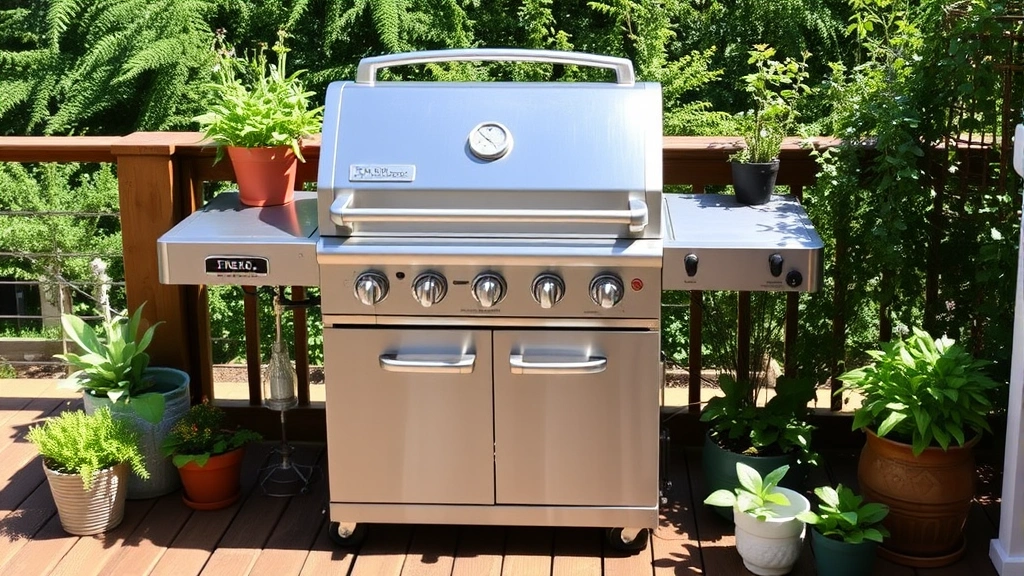
Are 6 Burner Gas Grills Eco-Friendly? Expert Review
The allure of a six-burner gas grill is undeniable—spacious cooking surface, independent temperature control, and the convenience of propane or natural gas fuel. However, as environmental consciousness grows, many homeowners ask a critical question: are these powerful appliances actually eco-friendly? The answer is nuanced and depends on multiple factors including fuel source, efficiency ratings, usage patterns, and how they compare to alternative cooking methods.
Understanding the environmental impact of a 6 burner gas grill requires examining greenhouse gas emissions, energy efficiency, manufacturing processes, and lifecycle considerations. While gas grills offer certain advantages over charcoal or electric alternatives, they’re not without environmental drawbacks. This comprehensive review explores the sustainability credentials of these popular outdoor cooking appliances and helps you make an informed decision aligned with your environmental values.
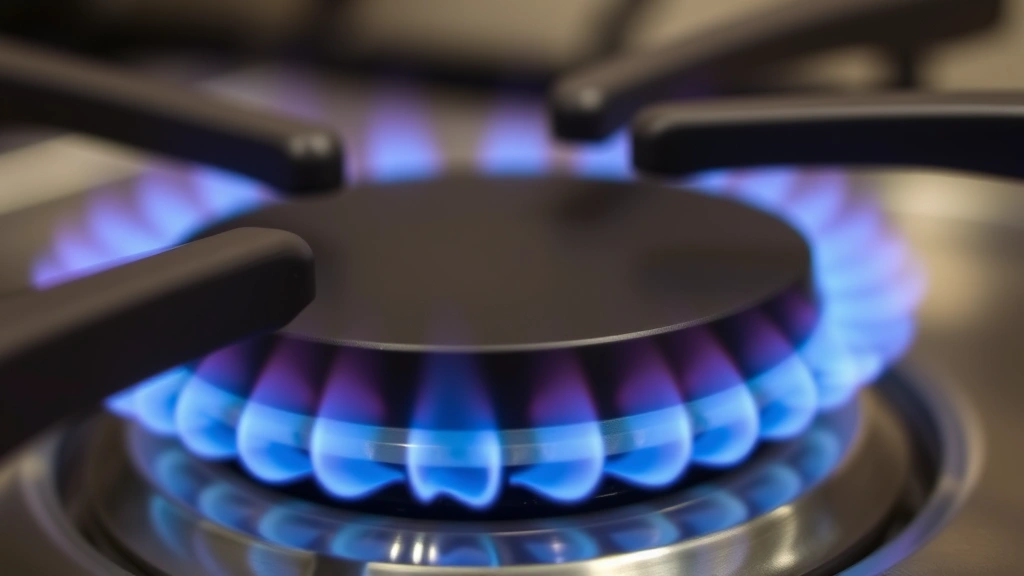
Environmental Impact of Gas Grills
Gas grills produce carbon dioxide and methane emissions during operation, contributing to climate change. A typical six-burner grill burns propane or natural gas, releasing approximately 5-12 pounds of CO2 per hour of use, depending on burner intensity and fuel type. Natural gas is marginally cleaner than propane, producing roughly 15% fewer emissions per unit of energy produced. However, both fossil fuels remain carbon-intensive energy sources.
The environmental footprint extends beyond direct emissions. Propane extraction and transportation involve energy-intensive processes, and natural gas production contributes to methane leakage—a greenhouse gas approximately 28-34 times more potent than CO2 over a century. When evaluating whether a six-burner model fits your environmental sustainability examples and practices, consider that cooking frequency and portion sizes significantly influence total emissions.
Methane leakage from natural gas infrastructure represents a substantial hidden environmental cost. According to the EPA’s greenhouse gas overview, methane emissions from natural gas systems account for a meaningful portion of anthropogenic climate forcing. Even if your grill operates efficiently, upstream emissions from fuel production warrant consideration in your sustainability assessment.
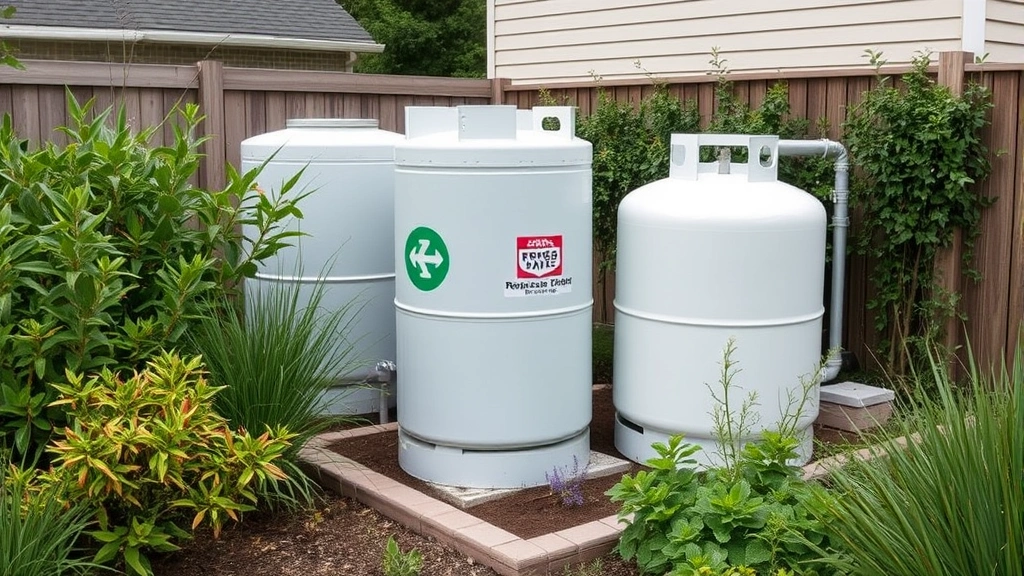
Fuel Efficiency and Emissions
Modern six-burner gas grills demonstrate improved fuel efficiency compared to older models. High-quality units convert 60-75% of fuel energy into cooking heat, with the remainder lost through the grill box and venting. This efficiency rating varies significantly based on insulation quality, burner design, and maintenance status. A well-maintained grill with clean burners and intact seals operates at peak efficiency, reducing fuel consumption and emissions per meal prepared.
Propane generally provides more energy density than natural gas—approximately 91,500 BTU per gallon versus 1,000 BTU per cubic foot for natural gas. This means propane grills require less total fuel volume to achieve equivalent cooking temperatures. However, propane production and transportation create separate environmental considerations. Natural gas, when sourced responsibly with minimal leakage controls, may represent a lower-carbon option despite requiring larger fuel volumes.
The combustion process in gas grills produces water vapor, CO2, and nitrogen oxides (NOx). While water vapor is benign, NOx contributes to ground-level ozone formation and air quality degradation. Grills with ceramic burners and improved air mixing reduce NOx emissions by 20-30% compared to traditional designs. If environmental impact matters to you, investigating specific burner technology and emissions certifications before purchasing is essential.
Preheating efficiency also influences overall sustainability. Many homeowners preheat their six-burner grills for 10-15 minutes unnecessarily. Modern grills reach optimal cooking temperatures in 5-8 minutes. Reducing preheat time saves approximately 0.5-1 pound of CO2 per grilling session, which compounds significantly over a season of regular use.
Comparing 6 Burner Models to Alternatives
To properly assess whether a 6 burner gas grill is eco-friendly, comparison with alternatives provides essential context. Charcoal grills produce similar or higher CO2 emissions, consume non-renewable resources, and generate substantial ash waste. However, charcoal grills don’t require ongoing fuel production and transportation infrastructure. Electric grills, powered by renewable electricity sources, represent the lowest-emission cooking option, though they typically lack the heating capacity and flavor profile of gas grills.
Wood-fired grills, increasingly popular among sustainability-conscious consumers, burn renewable biomass but produce higher particulate matter emissions and require significant space. Pellet grills offer a middle ground, burning compressed sawdust (often waste products) with digital temperature control and reasonable efficiency. When comparing heating methods, consider your regional electricity grid composition—in areas with high renewable energy percentages, electric cooking becomes substantially more eco-friendly than gas.
Portable camping stoves and small tabletop grills consume less fuel per use but require higher per-meal energy input due to poor insulation. A six-burner grill’s superior insulation and larger cooking surface allow you to prepare multiple servings simultaneously, improving energy efficiency per portion of food cooked. If you entertain regularly, consolidating cooking into fewer sessions using a larger grill reduces total emissions compared to multiple smaller cooking events.
Gas grills outperform charcoal in terms of startup emissions—charcoal requires significant energy input to reach combustion temperatures, whereas gas ignites instantly with minimal waste. This makes gas preferable for frequent, shorter cooking sessions. However, charcoal enthusiasts argue that superior flavor justifies higher environmental costs, introducing subjective value judgments into sustainability decisions.
Manufacturing and Materials
The embodied carbon in a six-burner gas grill—emissions generated during manufacturing and transportation—represents a significant environmental cost often overlooked by consumers. A typical premium six-burner grill requires 40-60 pounds of stainless steel, aluminum, and cast iron, plus electronic components. Steel production generates approximately 1.8 tons of CO2 per ton of steel produced, meaning a single grill’s material footprint equals roughly 150-200 pounds of CO2 emissions.
Stainless steel offers superior durability and corrosion resistance compared to painted steel, extending product lifespan and amortizing manufacturing emissions across more years of use. Premium grill manufacturers increasingly use recycled stainless steel content, reducing embodied carbon by 40-50%. Examining a product’s material composition and recycled content percentage reveals manufacturer commitment to sustainability beyond operational efficiency.
Transportation from manufacturing facilities (often overseas) to retail locations adds 10-30 pounds of CO2 per grill depending on shipping method and distance. Purchasing locally-manufactured models or choosing regional retailers can marginally reduce logistics emissions. However, the embodied carbon differential between premium and budget models typically outweighs transportation savings—a well-built grill lasting 15-20 years proves more sustainable than replacing a cheaper unit every 5-7 years.
Packaging materials, often including expanded polystyrene foam and plastic components, contribute to manufacturing waste. Manufacturers implementing plastic-free or recyclable packaging reduce environmental impact during the production phase. When evaluating options, research whether manufacturers accept packaging returns for recycling or composting programs.
Longevity and Durability Factors
Product lifespan represents perhaps the most critical sustainability metric for outdoor appliances. A six-burner grill lasting 15 years proves far more eco-friendly than replacing a cheaper model every 5 years, even if the durable grill consumes slightly more fuel per use. Premium models with stainless steel construction, sealed burner boxes, and replaceable components typically last 12-20 years with proper maintenance, while budget alternatives may deteriorate after 5-8 years.
Maintenance practices directly influence longevity and efficiency. Regular cleaning of burner ports prevents incomplete combustion and fuel waste. Covering your grill during off-season storage protects materials from weathering and corrosion. Replacing worn seals, thermometer gaskets, and grates extends functional lifespan and maintains peak efficiency. These relatively simple maintenance tasks, detailed in your gas tank storage and maintenance guide, prevent premature replacement and reduce cumulative environmental impact.
Manufacturer warranty length often correlates with expected product durability. Five-year warranties suggest 8-10 year lifespan, while 10-15 year warranties indicate confidence in 15-20 year durability. Some premium manufacturers offer limited lifetime warranties on stainless steel components, reflecting commitment to longevity-based sustainability. Investing slightly more upfront in a durable six-burner grill amortizes environmental costs across decades of use.
Repair availability and parts accessibility influence whether a grill can be economically maintained throughout its lifespan. Established manufacturers with extensive dealer networks facilitate repairs, while obscure brands may become unsupported as they exit markets. Choosing a reputable manufacturer ensures you can replace burners, valves, and thermometers rather than discarding the entire unit when components fail.
Optimizing Your Gas Grill for Sustainability
If you’ve decided a six-burner gas grill aligns with your lifestyle and environmental values, numerous optimization strategies minimize its ecological footprint. First, use only the burners necessary for your cooking task—a six-burner grill doesn’t require all burners operating simultaneously. Cooking with three active burners instead of six reduces fuel consumption by 50% while maintaining adequate cooking space and temperature control.
Preheat efficiently by igniting burners only 5-8 minutes before cooking begins. Many environmental guides recommend skipping preheating entirely for foods like vegetables and meat patties that don’t require precise initial searing temperatures. Every minute of unnecessary preheating wastes approximately 0.1 pounds of CO2. Over a summer season with twice-weekly grilling, this compounds to 10+ pounds of unnecessary emissions.
Maintain consistent grill temperature by minimizing lid opening during cooking. Each time you lift the lid, heat escapes, requiring additional fuel to restore target temperatures. Using a reliable gas and sustainability articles from SustainWise Hub can guide you toward best practices. Invest in a quality thermometer that reads accurately without requiring lid opening.
Clean your burner ports quarterly to ensure complete combustion and prevent fuel waste. Clogged ports create incomplete burning, reducing heat output and increasing emissions per meal prepared. This simple maintenance task improves efficiency by 5-10% and extends burner lifespan significantly.
Consider converting to natural gas if your home receives natural gas service. While propane remains convenient, natural gas eliminates transportation emissions and generally produces 10-15% fewer emissions per BTU consumed. Conversion kits cost $100-300 and provide long-term environmental benefits through reduced fuel production impacts.
Certification and Eco-Labels
Several certification systems help identify relatively eco-friendly gas grills. The ENERGY STAR program certifies grills meeting specific efficiency standards, though fewer gas grill models participate compared to other appliance categories. ENERGY STAR certified grills demonstrate 15-25% better fuel efficiency than standard models, representing meaningful environmental improvement.
The American Gas Association (AGA) certifies gas appliances for safety and performance, with some models exceeding standard efficiency requirements. While AGA certification doesn’t specifically address environmental impact, it indicates rigorous testing and quality assurance, suggesting the grill will maintain efficiency throughout its lifespan.
Some manufacturers pursue NSF International certification, focusing on food safety and material standards. While not explicitly environmental, NSF certification correlates with quality construction practices that typically extend product lifespan and maintain efficiency. Reviewing third-party certifications provides objective performance data beyond manufacturer claims.
Look for manufacturers publishing Environmental Product Declarations (EPDs) detailing lifecycle environmental impacts from raw material extraction through end-of-life disposal. EPDs, verified by independent organizations, provide transparent data on embodied carbon, manufacturing emissions, and recyclability. Few grill manufacturers currently publish EPDs, but requesting this information encourages industry progress toward transparency.
Cost-Benefit Analysis
Evaluating six-burner gas grill sustainability requires honest cost-benefit analysis comparing environmental impact against practical benefits. A premium $1,500-2,500 six-burner grill lasting 18 years averages approximately $85-140 annually in ownership costs (excluding fuel). A budget $400-600 model lasting 6 years costs $65-100 annually, appearing cheaper despite shorter lifespan and higher per-use fuel consumption.
Calculate total lifecycle costs including fuel consumption rates. Premium grills with superior insulation reduce fuel usage by 20-30% compared to budget alternatives. If you grill twice weekly using approximately 5 pounds of propane per session, annual propane consumption reaches 500+ pounds. At $2-3 per pound, premium efficiency saves $30-50 annually in fuel costs, offsetting higher purchase prices within 8-12 years.
Consider opportunity costs of your time and effort. A durable six-burner grill simplifies entertaining, potentially reducing restaurant dining and associated transportation emissions. If you host one additional backyard gathering monthly instead of dining out, the carbon savings from reduced driving likely exceed the grill’s operational emissions.
Evaluate your regional energy profile when considering alternatives. In areas with high renewable electricity penetration, electric grills become substantially more eco-friendly than gas. However, most U.S. grids still contain 40-60% fossil fuel generation, making natural gas grills competitive with electric alternatives in many regions. Check your local utility’s EPA Power Profiler tool to determine your grid’s carbon intensity.
The true sustainability of a six-burner gas grill depends on your personal circumstances. For frequent entertainers in areas without renewable electricity dominance, a fuel-efficient gas grill represents a pragmatic choice with acceptable environmental impact. For occasional users or those with abundant renewable power, alternative cooking methods prove more sustainable. Honesty about usage frequency and entertaining patterns enables genuine sustainability assessment rather than rationalization.
FAQ
Are six-burner gas grills more eco-friendly than charcoal grills?
Six-burner gas grills and charcoal grills produce comparable total emissions, though through different mechanisms. Gas grills emit CO2 and methane directly, while charcoal production involves energy-intensive manufacturing. Gas grills demonstrate superior startup efficiency and require less fuel for equivalent cooking heat. However, charcoal burns renewable biomass rather than fossil fuels, appealing to some sustainability-conscious consumers despite higher particulate emissions and ash waste.
How much CO2 does a typical six-burner gas grill emit annually?
A six-burner grill used twice weekly for six-month grilling seasons emits approximately 150-300 pounds of CO2 annually, depending on burner efficiency, fuel type, and cooking intensity. This calculation assumes 5-10 pounds of propane or equivalent natural gas per session. Premium, well-maintained models operate at the lower end, while budget units and neglected grills approach higher estimates.
Can I make my existing six-burner grill more eco-friendly?
Yes. Clean burner ports quarterly, minimize lid opening during cooking, preheat efficiently, use only necessary burners, and maintain proper seals to improve efficiency by 15-25%. Converting to natural gas (if available) reduces fuel production emissions. Regular maintenance extending the grill’s lifespan amortizes manufacturing impacts, representing the most significant sustainability improvement possible for existing grills.
Are propane or natural gas six-burner grills more sustainable?
Natural gas grills produce approximately 10-15% fewer direct emissions per BTU and eliminate transportation impacts of propane delivery. However, natural gas infrastructure leakage creates methane emissions offsetting some advantages. In regions with strong natural gas leak detection and repair programs, natural gas proves more sustainable. Where infrastructure is aging with significant leakage, propane represents a viable alternative despite higher transportation impacts.
What’s the environmental impact of manufacturing a six-burner grill?
Manufacturing a typical six-burner grill generates 150-250 pounds of embodied CO2 from steel production, aluminum components, and transportation. Premium stainless steel models may have slightly higher manufacturing emissions but extend functional lifespan by 50-100%, amortizing these costs across more years of use. Purchasing durable models designed for 15+ year lifespan proves more sustainable than replacing cheaper units every 5-7 years.
Should I choose an electric grill instead for environmental reasons?
Electric grills prove more eco-friendly only in regions with high renewable electricity percentages (>60% wind, solar, hydro). In areas where grids rely heavily on fossil fuels, gas grills produce comparable or lower emissions. Electric grills also typically lack the heating capacity and flavor development of gas alternatives. Evaluate your regional grid composition using EPA tools before assuming electric superiority.


