Table of Contents
Introduction
Picture this: you’re standing in your kitchen, holding a plastic water bottle, and suddenly it hits you—where does this thing go when you’re done with it? That moment of awareness? It’s happening to millions of people every day. And honestly, it’s about time.
Environmental sustainability isn’t some trendy concept that’ll fade away next year. It’s the real deal—our planet’s survival guide, if you will. Think of it as learning to live within our means, except instead of balancing a checkbook, we’re balancing the health of entire ecosystems. The stakes? Only the future of every living thing on Earth. No pressure, right?
Here’s what’s keeping me up at night (and probably you too, if you’re reading this): we’re using up our planet’s resources faster than it can replenish them. It’s like having a savings account that you keep withdrawing from without ever making deposits. Eventually, you hit zero. The difference is, with Earth, there’s no overdraft protection.
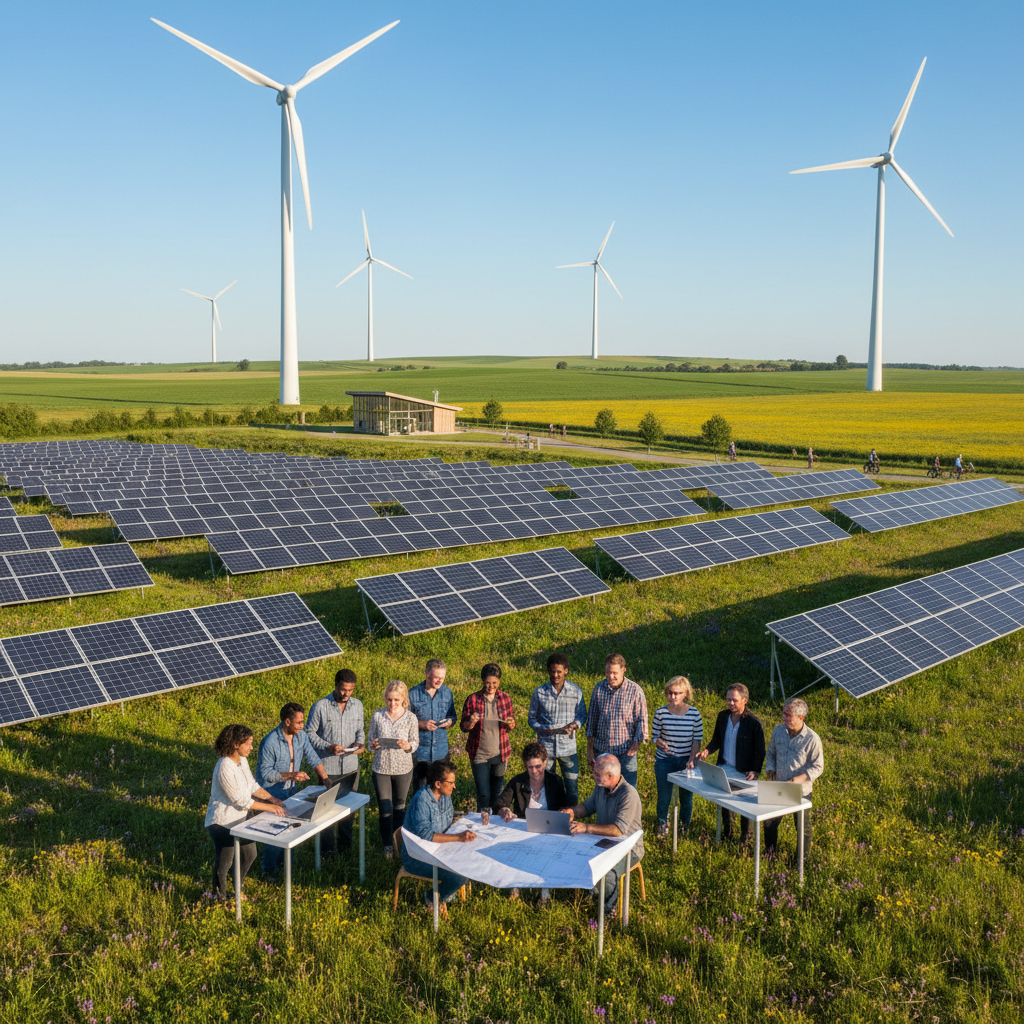
But here’s the thing—and this is where it gets interesting—people everywhere are figuring out how to flip this script. Communities are embracing renewable energy, families are cutting waste, and businesses are rethinking everything from their supply chains to their coffee cups. It’s actually pretty inspiring when you see it in action. The green technology innovations happening right now? They’re not just cool gadgets—they’re game-changers that are literally reshaping how we interact with our environment.
Now, let’s talk about what environmental sustainability actually looks like in practice. We’re talking about the big three: conserving water (because clean water isn’t unlimited, despite what our faucets might suggest), reducing emissions (yes, that includes your car, but it’s bigger than that), and protecting biodiversity (those endangered species lists aren’t getting shorter on their own). These aren’t just feel-good initiatives—they’re directly connected to our health, our economy, and our ability to, well, keep living on this planet.
You might be wondering where to start. Trust me, I get it. The whole topic can feel overwhelming—like you need a PhD in environmental science just to buy groceries responsibly. But that’s exactly why understanding the principles of sustainability matters so much. These principles give us a framework for making decisions that actually work in the real world, balancing what’s good for the environment with what’s practical for people and the economy.
And speaking of the real world—sustainability isn’t happening in a vacuum. It’s tangled up with social justice, economic development, and pretty much every other challenge we’re facing as a society. That’s not a bug, it’s a feature. When we address environmental issues, we’re also tackling inequality, creating jobs, and building stronger communities. Take sustainability in supply chain management, for example. When companies clean up their act, it ripples through entire industries, affecting everything from worker conditions to the price of your favorite products.
The beautiful thing about this interconnectedness is that it means everyone has a role to play. You don’t need to be a Fortune 500 CEO or a government official to make a difference. (Though if you are, we definitely need you on board too.)
What You’ll Learn in This Guide
Ready to dive in? Here’s exactly what we’re going to explore together:
- Understanding Environmental Sustainability: We’ll cut through the jargon to give you a crystal-clear picture of what environmental sustainability really means and why it’s absolutely critical for our planet’s future.
- Common Sustainability Practices: From renewable energy to waste reduction to water conservation—we’ll explore the practical approaches that real people and communities are using every day.
- The Benefits of Sustainable Living: Discover how sustainable choices don’t just help the planet—they improve human health, protect wildlife, and create economic opportunities that actually last.
- Actionable Steps for Everyone: Whether you’re an individual looking to make better choices, a business owner wanting to go green, or someone interested in policy changes—we’ve got concrete steps you can take.
As we move through this guide, you’re going to discover something pretty amazing: sustainability isn’t about sacrifice. It’s about smart choices that often save money, improve quality of life, and create the kind of world we actually want to live in. We’ll look at success stories from around the globe—places where sustainable practices are thriving and making a real difference.
You’ll see how different sectors are stepping up to the plate, from government initiatives that are changing entire regions to corporate responsibility programs that are transforming industries. But we’re not going to sugarcoat the challenges either. Economic constraints, technological barriers, resistance to change—these are real obstacles, and we’ll talk about practical ways to navigate them.
Want to go even deeper? We’ll also touch on specialized areas like sustainable agriculture techniques that are revolutionizing how we grow food while protecting soil, water, and biodiversity. Because let’s face it—we all need to eat, and how we produce food is one of the biggest environmental challenges we face.
By the time you finish this guide, you’ll have something invaluable: the knowledge and confidence to make choices that matter. Not just feel-good gestures, but real, measurable actions that contribute to a healthier planet. You’ll understand the why behind sustainable living, know the how of implementing it, and have the tools to keep learning and growing.
So let’s get started. Our planet’s been waiting long enough, and frankly, so have we. It’s time to turn concern into action and make sustainability a natural part of how we live, work, and plan for the future.
So we’ve talked about why environmental sustainability matters—now let’s get into the good stuff. The real-world examples, the strategies that actually work, and most importantly, what you can do about it. Because here’s the thing: sustainability isn’t just some abstract concept floating around in policy papers. It’s happening right now, all around us, and you’re probably already part of it without even realizing it.
Common Examples of Environmental Sustainability in Action
Walk through any forward-thinking city these days, and you’ll see sustainability in action everywhere. Solar panels gleaming on rooftops. Wind turbines spinning gracefully on hillsides. Community gardens thriving where vacant lots used to sit. These aren’t just feel-good projects—they’re proof that we can live differently, and better. Want to understand what drives all this innovation? Check out the principles of sustainability that guide these incredible efforts.
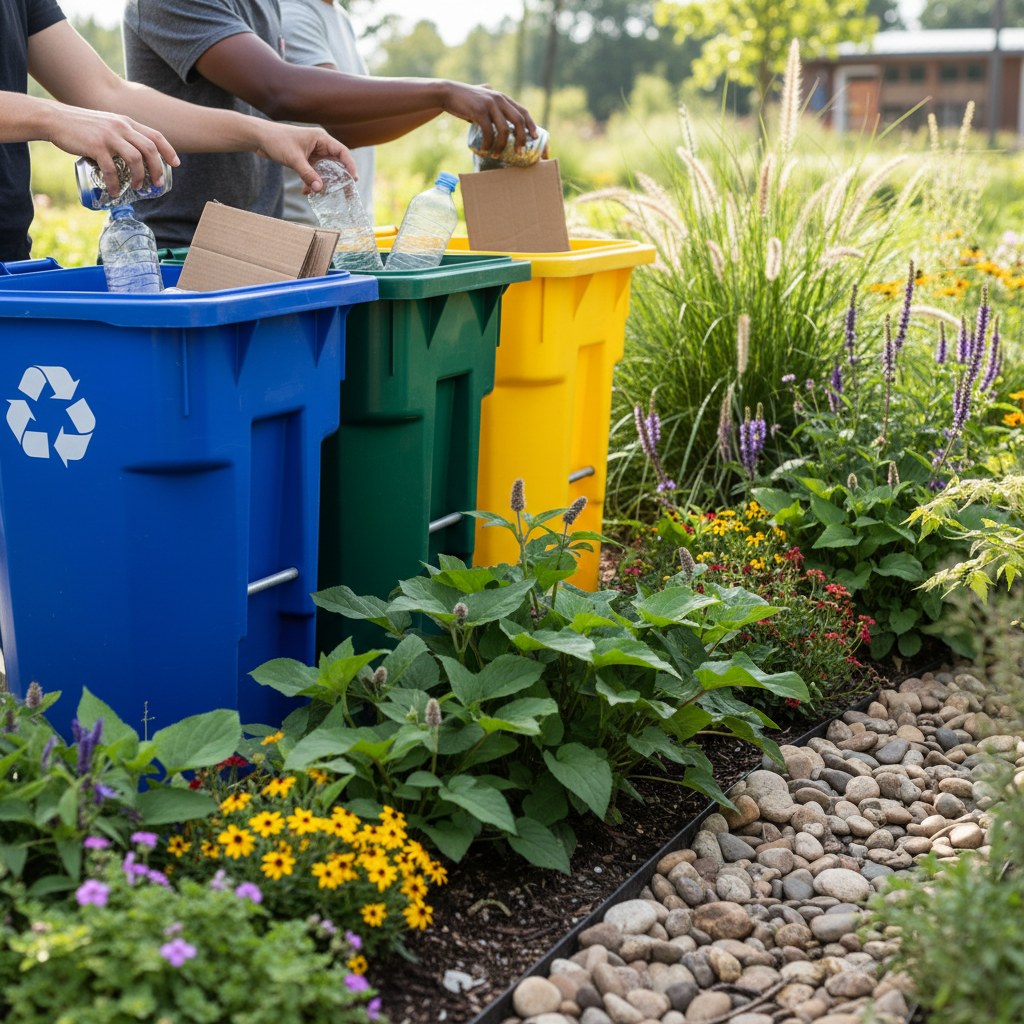
Take renewable energy, for instance. Every solar panel installed is a small victory against fossil fuels. Every wind farm built is another step toward energy independence. And it’s not just about cutting emissions (though that’s huge)—it’s about creating jobs, stabilizing energy costs, and giving communities more control over their power. Then there’s the waste reduction movement. You know those recycling programs that seemed optional a decade ago? They’re now essential infrastructure, turning yesterday’s trash into tomorrow’s resources. Water conservation might not sound sexy, but when you see rain gardens preventing flooding while creating habitat for wildlife, or greywater systems turning shower water into garden irrigation—well, that’s pretty amazing. Speaking of water, if you’re curious about tackling pollution specifically, effective strategies for cleaner water breaks down some game-changing approaches.
Key Aspects of Environmental Sustainability Examples
Let’s break down what makes these sustainability efforts actually work. Because it’s not just about good intentions—it’s about smart strategies that deliver real results:
- Adoption of Renewable Energy Sources: This is where the rubber meets the road. Solar, wind, hydro—these aren’t “alternative” energy anymore, they’re often the cheapest option. Communities are discovering that going renewable doesn’t just help the planet; it often saves money and creates local jobs. Energy independence? That’s just the cherry on top.
- Comprehensive Waste Reduction and Recycling Programs: Remember when recycling meant just tossing bottles in a separate bin? Now we’re talking circular economy—where waste from one process becomes input for another. Composting programs are turning food scraps into black gold for gardens. It’s beautiful, really.
- Innovative Water Conservation Practices: Here’s where it gets creative. Rain gardens that double as neighborhood beauty spots. Smart irrigation systems that know when it’s about to rain. Greywater systems that give your laundry water a second life watering your tomatoes. It’s all about working with nature instead of against it.
- Community Engagement and Education: This might be the secret sauce. When people understand why sustainability matters—and see how they can be part of the solution—magic happens. Neighborhood groups start composting programs. Schools launch green initiatives. It becomes a movement, not just a mandate.
What ties all this together? It’s the recognition that sustainability works best when it makes sense for people, planet, and wallet. The most successful programs don’t ask people to sacrifice—they show them a better way to live.
How Individuals Can Make a Meaningful Impact on Sustainability
Here’s where you come in. And before you start thinking “But I’m just one person,” remember this: every massive change started with individuals making different choices. Your daily decisions matter more than you think. The question isn’t whether individual action makes a difference—it’s which actions make the biggest difference. If you’re ready to dive deeper, practical ways to reduce your environmental footprint offers a roadmap that’s actually doable for real people with real lives.
Start with energy. Those old incandescent bulbs? Swap them for LEDs and watch your electric bill drop. That thermostat setting? Nudge it a degree or two toward efficiency—you probably won’t even notice, but your carbon footprint will. Transportation gets interesting too. Maybe you can’t bike to work every day (winter happens, we get it), but could you try it once a week? Or carpool? Or combine errands into one trip instead of three? Then there’s the stuff you buy. Local farmers’ markets aren’t just trendy—they’re actually cutting the miles your food travels to reach your plate. And that reusable water bottle gathering dust in your cabinet? Time to put it to work.
Key Personal Actions for Environmental Sustainability
Ready for some specific moves that actually move the needle? Here’s what makes the biggest impact:
- Energy Conservation at Home: Think of your house as a energy-efficient machine. LED bulbs, programmable thermostats, unplugging the “energy vampires” (those devices that draw power even when off)—small changes that add up to real savings. Your electricity bill will thank you, and so will the atmosphere.
- Choosing Sustainable Transportation Options: This isn’t about giving up your car (unless you want to). It’s about being smart with it. Walk to the corner store. Bike when weather permits. Try public transit for your commute. Carpool when it makes sense. Every mile you don’t drive solo is a win.
- Mindful Consumption and Waste Reduction: Here’s the mindset shift: before buying anything, ask “Do I really need this?” When you do buy, choose quality over quantity. Support businesses that align with your values. And master the art of reusing—that glass jar makes a perfect food storage container.
- Water Use Efficiency: Fix that dripping faucet (seriously, it’s probably easier than you think). Take shorter showers. Collect rainwater for your plants. Install low-flow fixtures when it’s time to replace old ones. Water conservation often saves money while helping the environment—a true win-win.
The beautiful thing about personal sustainability actions? They often make your life better, not just greener. You save money, feel healthier, connect more with your community, and sleep better knowing you’re part of the solution. And when millions of people make these choices? That’s how we change the world.

Here’s the thing about environmental sustainability—it’s not just some trendy buzzword. It’s actually our best shot at keeping this planet livable while still meeting human needs and growing our economies. Throughout this piece, we’ve looked at real examples that are already working: solar and wind power taking off everywhere, smart waste reduction programs, and water conservation techniques that protect our precious freshwater systems. What’s amazing is how these efforts create this ripple effect—cleaner air, healthier ecosystems, and yes, even economic opportunities. Everything’s connected.
But the benefits go way beyond just “saving the environment” (though that’s pretty important too). When we clean up our act, we literally breathe easier—cleaner air and water mean healthier communities. Those conservation efforts? They’re keeping the ecosystems running that our food systems and climate depend on. And here’s something interesting: all this green innovation is creating jobs. Real jobs in renewable energy, sustainable farming, and green tech. You can jump in with simple changes—use less energy, ditch some of those single-use plastics, maybe bike to work occasionally. The big picture stuff—policies and corporate responsibility—that’s crucial for scaling things up.
Ready to do more? Start wherever feels right for you. If you’re curious about how food gets grown sustainably, dive into sustainable agriculture techniques—you’ll be surprised how much farming can actually help the environment. Worried about water quality? Learning about reducing water pollution is eye-opening. Want to shrink your overall impact? There are practical guides on reducing environmental footprints that’ll give you concrete steps you can take today. And if you’re fascinated by what’s coming next, check out the latest green technology innovations—some of this stuff is genuinely exciting. For those thinking bigger picture, exploring business sustainability strategies shows how companies are (slowly but surely) changing their game.
Look, environmental sustainability isn’t a destination—it’s more like a long road trip where everyone needs to pitch in. Your choices matter, even when they feel small. (Trust me, they add up.) You’ve got the knowledge now, and you’ve got options for action. The goal isn’t perfection; it’s progress. So pick something that clicks with you and start there. The planet needs all hands on deck, and that includes yours.
Frequently Asked Questions
-
What is environmental sustainability?
- Environmental sustainability refers to interacting responsibly with the environment to prevent resource depletion and maintain ecological balance for future generations.
-
Can small actions really make a difference?
- Yes, when many individuals adopt sustainable habits, their collective impact significantly benefits the environment and promotes long-term health.
-
What are simple examples of sustainable living?
- Using reusable bags, conserving water, reducing energy consumption, and recycling effectively are practical ways to live sustainably every day.
-
Why is sustainability important for businesses?
- Sustainability helps businesses reduce costs, meet regulations, foster innovation, and enhance reputation by demonstrating corporate responsibility.
-
How can governments support environmental sustainability?
- Governments can enact laws, invest in green infrastructure, fund conservation programs, and promote public awareness campaigns to drive sustainable development.