Maximize Efficiency with Riflespeed Gas Blocks: A Comprehensive Guide to Performance and Sustainability
In the world of firearm engineering and sustainable resource management, precision components play a critical role in optimizing performance while minimizing waste. The Riflespeed gas block represents a significant advancement in rifle technology, designed to enhance operational efficiency and reduce unnecessary energy expenditure. Whether you’re a firearms enthusiast, a professional marksman, or someone interested in understanding how precision engineering contributes to resource optimization, this comprehensive guide explores every aspect of Riflespeed gas blocks and their impact on modern shooting performance.
Gas blocks are fundamental components in modern rifle systems, regulating the flow of expanding gases that cycle the action and chamber subsequent rounds. A properly functioning gas block ensures reliable operation while maintaining the delicate balance between performance and component longevity. Riflespeed has engineered their gas block solutions to address common inefficiencies in traditional designs, offering shooters a pathway to enhanced reliability and reduced operational costs—principles that align with broader sustainability goals of minimizing resource waste and maximizing equipment lifespan.
Understanding Gas Block Fundamentals
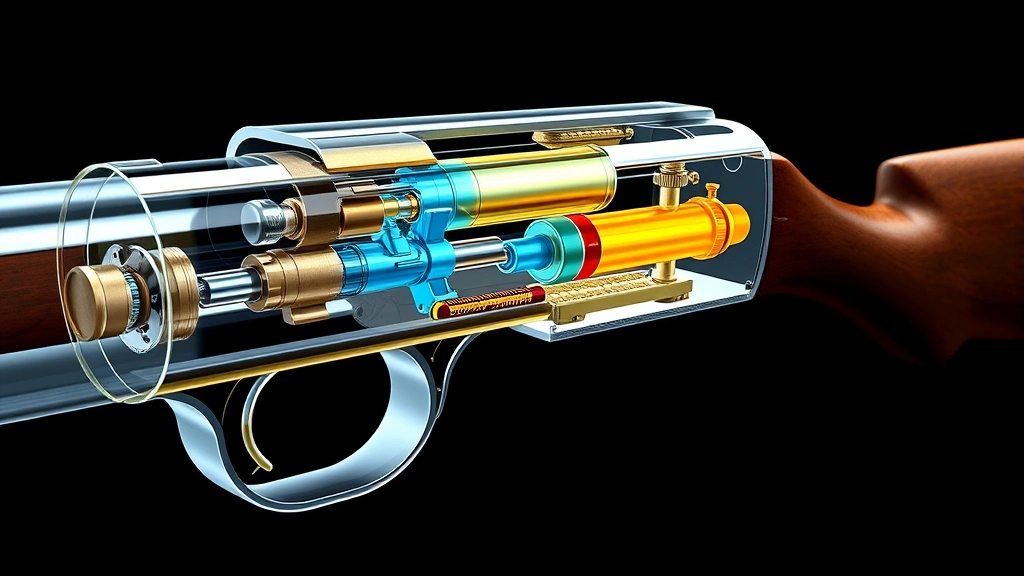
Gas blocks function as the regulatory heart of direct impingement rifle systems, controlling the volume of high-pressure gases that operate the bolt carrier group. When a cartridge fires, expanding gases push the projectile forward while simultaneously creating pressure that must be harnessed to cycle the weapon. Without proper regulation, excessive gas can damage components, reduce accuracy, and create unnecessary wear patterns that shorten equipment lifespan.
Traditional gas block designs often suffer from several inefficiencies. Oversized gas ports allow excessive gas to enter the system, creating unnecessary stress on internal components and increasing felt recoil. This inefficiency translates directly into wasted energy—both in terms of ammunition consumption and component deterioration. Understanding these fundamentals is essential for anyone seeking to optimize their rifle system’s performance.
The concept of gas regulation ties directly to broader sustainability principles. Just as we work to reduce your environmental footprint in daily life, optimizing mechanical systems reduces waste and extends equipment lifespan. When rifle components last longer and operate more efficiently, fewer replacements are needed, reducing overall resource consumption and manufacturing waste.

Riflespeed Gas Block Technology
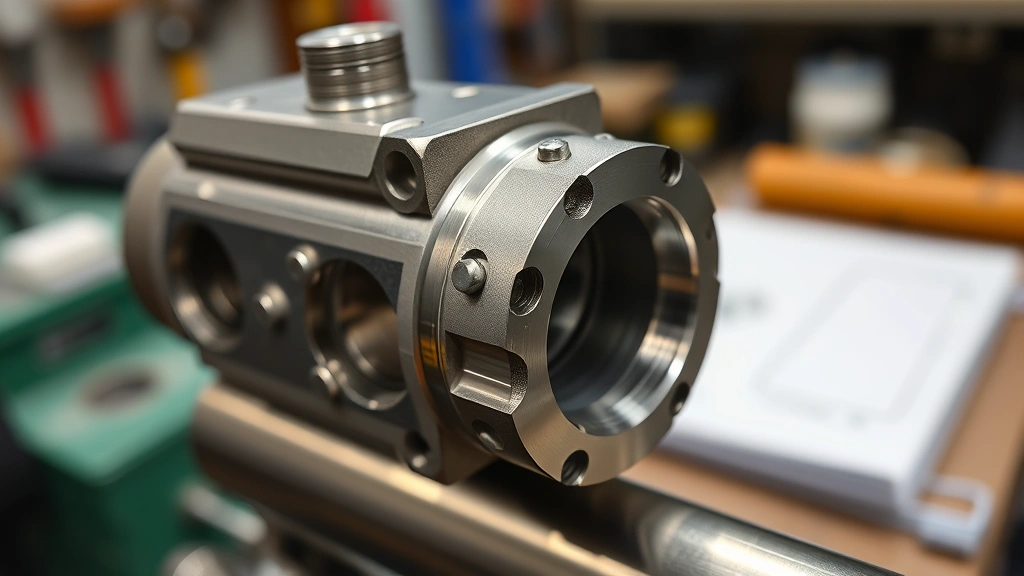
Riflespeed has pioneered advanced gas block engineering that sets new standards for precision and efficiency. Their designs incorporate precision-machined porting systems that regulate gas flow with unprecedented accuracy, ensuring optimal cycling while minimizing excess pressure in the system. This technological advancement represents years of research into ballistic physics and materials science.
The Riflespeed gas block features several distinguishing characteristics. First, the precision porting system utilizes computer-aided design to calculate exact gas requirements for various ammunition loads and barrel lengths. This customization ensures that whether you’re using standard pressure ammunition or specialized loads, your rifle cycles reliably without excess stress. Second, the construction materials are selected for durability and thermal stability, maintaining precise tolerances even under extreme operating conditions.
One of the most significant advantages is the adjustable nature of many Riflespeed models. Rather than accepting a one-size-fits-all approach, shooters can fine-tune their gas system to match their specific setup. This adjustability means you’re not forced to choose between reliability and performance—you can optimize for both simultaneously. When you’re considering how to maximize sustainable energy solutions in mechanical systems, precision adjustment capabilities represent a fundamental improvement.
The engineering excellence extends to how Riflespeed blocks integrate with modern rifle platforms. Whether you’re running a direct impingement system, piston-driven rifle, or hybrid configuration, Riflespeed offers solutions engineered for compatibility and performance. Their commitment to precision manufacturing means every block meets exacting standards for concentricity, surface finish, and dimensional accuracy.
Installation and Compatibility
Proper installation of a gas block is absolutely critical to achieving the performance benefits the component offers. Fortunately, Riflespeed gas blocks are designed with installer-friendly features that make the process straightforward for both professional gunsmiths and experienced shooters performing their own maintenance.
Before installation, verify that your gas block is compatible with your specific rifle platform and barrel diameter. Riflespeed manufactures blocks for standard .625″ diameter barrels as well as intermediate sizes and specialized applications. Measure your barrel diameter carefully—this single step prevents installation errors and ensures optimal fit.
The installation process typically involves removing the existing gas block, cleaning the barrel to remove any carbon or debris, and carefully sliding the new Riflespeed block into position. Many models feature roll pins or set screws that secure the block to the barrel with precision-engineered clamping force. This secure attachment prevents gas leakage and maintains consistent regulation throughout the block’s service life.
Alignment is crucial. A misaligned gas block can cause uneven gas distribution, leading to cycling problems and potential component damage. Riflespeed blocks include indexing features and detailed installation instructions to ensure proper alignment. Taking time during installation to verify that the gas port is perfectly aligned with the barrel port pays dividends in reliable long-term performance.
For those unfamiliar with installation procedures, consulting professional gunsmiths who have experience with gas line installation techniques can provide valuable guidance. The same precision principles that apply to residential gas systems also apply to firearm gas regulation—accuracy matters.
Performance Benefits and Efficiency Gains
The decision to upgrade to a Riflespeed gas block delivers measurable performance improvements that enhance the shooting experience while promoting equipment longevity. These benefits extend across multiple dimensions of rifle operation.
Reliability Enhancement: Precision gas regulation ensures consistent cycling across various ammunition types and environmental conditions. Whether you’re shooting in extreme temperatures or using ammunition from different manufacturers, a properly tuned Riflespeed block maintains reliable operation. This consistency eliminates the frustration of occasional malfunctions that plague systems with inadequate gas regulation.
Recoil Reduction: By optimizing gas flow, Riflespeed blocks reduce felt recoil without sacrificing reliability. Less recoil translates to improved accuracy during rapid fire sequences and reduced shooter fatigue during extended shooting sessions. For competitive shooters, this advantage can be the difference between winning and placing.
Component Longevity: Excessive gas pressure accelerates wear on the bolt carrier group, firing pin, and other internal components. By precisely regulating gas flow, Riflespeed blocks reduce unnecessary stress on these parts, extending their service life significantly. This efficiency gain directly supports sustainability goals by reducing the need for replacement components and the manufacturing waste associated with producing them.
Accuracy Improvement: Consistent gas cycling contributes to more predictable recoil impulses, which translates to improved shot-to-shot consistency. Shooters using Riflespeed blocks frequently report tighter groupings and more reliable performance in competition environments.
Suppressor Compatibility: If you use sound suppressors, proper gas regulation becomes even more critical. Suppressors increase back pressure in the system, and an improperly regulated gas block can cause cycling problems. Riflespeed blocks are engineered to maintain reliable operation even with suppressor-induced pressure increases.
Maintenance and Longevity
One of the most valuable aspects of investing in a quality Riflespeed gas block is the minimal maintenance required to maintain peak performance. Unlike components that degrade rapidly or require frequent adjustment, Riflespeed blocks are engineered for decades of reliable service with basic care.
Regular cleaning is the primary maintenance requirement. Carbon and powder residue can accumulate around the gas port over time, potentially affecting regulation. A simple cleaning with a brush and solvent removes these deposits and restores optimal performance. Most shooters find that cleaning during their regular rifle maintenance routine is sufficient to keep the gas block functioning perfectly.
Inspection during maintenance intervals allows you to verify that mounting hardware remains tight and that no damage has occurred to the block itself. The precision-engineered clamping surfaces that hold the block in place should remain clean and free from debris. If you notice any looseness, simply tightening the mounting hardware restores proper function.
The materials used in Riflespeed construction resist corrosion and thermal stress, ensuring that the block maintains its dimensional accuracy throughout its service life. Stainless steel and hardened steel components withstand the harsh environment inside a rifle barrel without degradation. This durability means that a Riflespeed block installed today will likely still be performing perfectly decades from now—a remarkable return on investment that minimizes long-term costs.
When considering how to detect and prevent gas system leaks, the principle of precision engineering applies equally to firearm systems. A well-maintained Riflespeed block prevents gas leakage around the block-barrel interface, ensuring that all available gas is properly directed through the system rather than escaping around the component.
Environmental Considerations
While firearms might seem disconnected from environmental sustainability discussions, the principles of efficiency and waste reduction apply universally. A Riflespeed gas block contributes to sustainability in several meaningful ways.
Extended Equipment Lifespan: By reducing stress on internal components, Riflespeed blocks extend the operational life of entire rifle systems. Equipment that lasts longer requires fewer replacements, reducing the manufacturing waste and resource consumption associated with producing new components. This principle aligns perfectly with broader sustainability goals.
Reduced Ammunition Consumption: Properly regulated gas systems require less ammunition to achieve equivalent performance. Some shooters find that optimized gas regulation allows them to achieve the same results with fewer rounds, reducing consumption of this resource-intensive product.
Precision Manufacturing: Riflespeed employs advanced manufacturing techniques that minimize material waste during production. Computer-aided machining ensures that every component is produced with minimal scrap, and quality control processes prevent defective units from reaching consumers—reducing waste associated with returns and replacements.
Supporting Sustainable Practices: When you choose precision-engineered components that last longer and perform more reliably, you’re supporting manufacturing approaches that prioritize quality and longevity over planned obsolescence. This philosophy extends naturally to broader sustainable energy solutions and resource management practices.
The intersection of firearm engineering and sustainability might seem unlikely, but both disciplines share a fundamental commitment to optimization and efficiency. Just as we work toward advantages of electric vehicles and renewable energy sources, we can optimize mechanical systems to reduce waste and extend equipment lifespan.
For those interested in understanding how gas systems work in broader contexts, exploring resources about natural gas water heater technology reveals how precision engineering principles apply across different applications. The same attention to efficiency, regulation, and performance optimization benefits all gas-based systems.
Frequently Asked Questions
What is the primary function of a gas block in a rifle?
A gas block regulates the flow of expanding gases from the cartridge into the rifle’s operating system. It directs precisely the right amount of gas into the bolt carrier group to cycle the action reliably while preventing excessive pressure that could damage components or create uncontrollable recoil.
How does a Riflespeed gas block differ from standard blocks?
Riflespeed gas blocks feature precision-engineered porting systems, adjustable regulation options, superior materials, and exacting manufacturing tolerances. These advancements deliver more reliable operation, reduced recoil, improved accuracy, and extended component lifespan compared to standard designs.
Can I install a Riflespeed gas block myself?
Many shooters successfully install Riflespeed blocks themselves, though the process requires careful attention to proper alignment and torque specifications. If you’re uncertain about any step, consulting a professional gunsmith ensures correct installation and optimal performance.
Do Riflespeed blocks work with all ammunition types?
Yes, properly adjusted Riflespeed blocks function reliably with standard pressure ammunition from all manufacturers. The precision regulation ensures consistent cycling whether you’re using commercial factory ammunition or reloaded rounds.
How often should I clean or maintain my Riflespeed gas block?
Basic cleaning during your regular rifle maintenance routine is typically sufficient. Simply brush away any carbon accumulation around the gas port and verify that mounting hardware remains tight. Most shooters find that annual or biennial cleaning maintains optimal performance.
Will a Riflespeed gas block work with a suppressor?
Yes, Riflespeed blocks are engineered to maintain reliable operation even with suppressors installed. In fact, proper gas regulation becomes even more important when using suppressors, as they increase system back pressure. A Riflespeed block handles this increased pressure without cycling problems.
What warranty does Riflespeed offer?
Riflespeed stands behind their products with comprehensive warranties covering manufacturing defects. Specific warranty terms vary by product and region, so consult the documentation included with your block or contact the manufacturer directly for detailed information.
Can adjustable Riflespeed blocks be tuned for specific loads?
Absolutely. Adjustable models allow fine-tuning of gas flow to match your specific ammunition, barrel length, and operating conditions. This customization capability ensures optimal performance whether you’re using standard loads or specialized ammunition.


