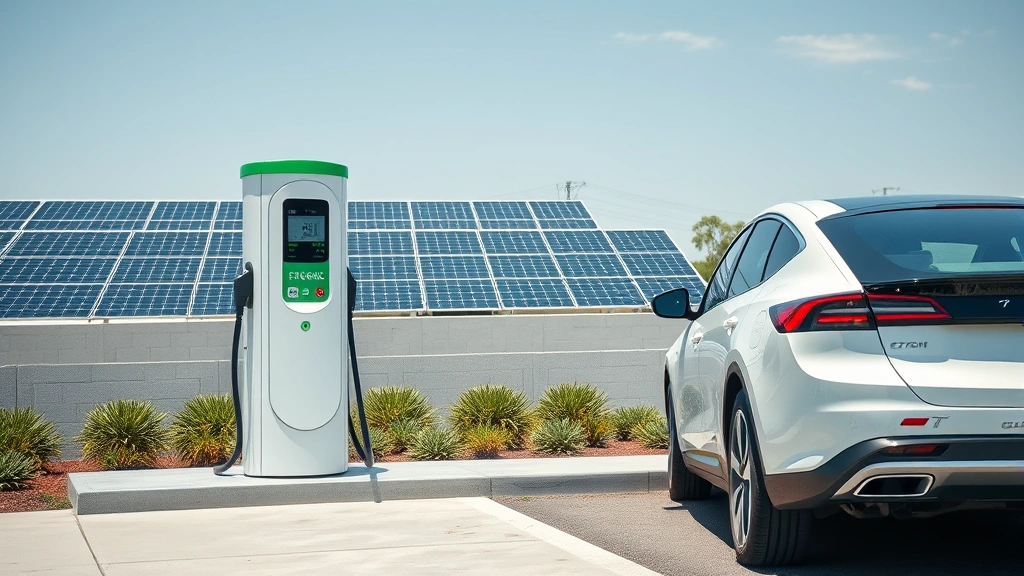
Are Electric Cars Greener? Research Insights and Environmental Impact Analysis
The shift toward electric vehicles represents one of the most significant transportation transformations of our time. Yet a critical question persists among environmentally conscious consumers: are electric cars truly greener than their gasoline counterparts? This question demands nuance, as the answer depends on multiple factors including electricity grid composition, vehicle manufacturing processes, and lifetime emissions calculations.
Understanding whether electric vehicles deliver genuine environmental benefits requires examining the complete lifecycle—from raw material extraction through manufacturing, operation, and eventual recycling. Current research provides compelling evidence that electric cars do offer substantial environmental advantages, though the magnitude varies by region and energy infrastructure. This comprehensive analysis explores the scientific findings that illuminate this complex sustainability question.

Lifecycle Emissions: The Complete Picture
When evaluating whether electric vehicles are genuinely greener, researchers must account for every stage of a vehicle’s existence. A comprehensive lifecycle assessment considers manufacturing emissions, operational emissions, and end-of-life recycling impacts. According to research from the Environmental Protection Agency (EPA), electric vehicles produce significantly lower total emissions across their entire lifespan compared to gasoline vehicles, even when accounting for manufacturing impacts.
The critical turning point occurs relatively early in an electric vehicle’s operational life. Most studies indicate that an electric car breaks even with a comparable gasoline vehicle within 15,000 to 30,000 miles of driving. After this breakeven point, every additional mile driven in an electric vehicle generates substantially fewer emissions. For a typical driver covering 12,000 miles annually, this means an electric car achieves environmental parity within 1-2.5 years of ownership.
Lifecycle analyses consistently demonstrate that electric vehicles produce 50-70% fewer emissions than gasoline vehicles over their entire lifespan in regions with average electricity grids. In areas with cleaner grids powered by renewable energy, this advantage expands to 70-80% or greater. The Carbon Brief has published extensive research showing that even in regions relying heavily on fossil fuels for electricity generation, electric vehicles maintain a clear environmental advantage.
Understanding these lifecycle impacts helps contextualize the broader sustainability question. While manufacturing creates an initial environmental deficit, the operational phase—which spans the vehicle’s useful life—more than compensates for this burden. This is fundamentally why electric vehicles emerge as the greener choice despite the energy-intensive production process.
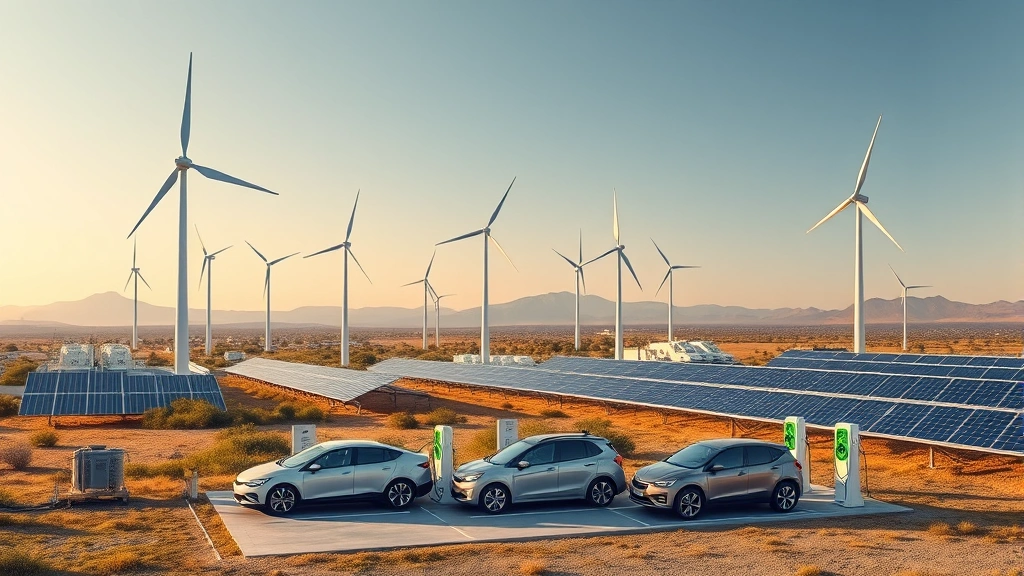
Manufacturing and Battery Production
Battery manufacturing represents the most energy-intensive phase of electric vehicle production. Creating the lithium-ion battery pack requires significant electrical input and involves mining for lithium, cobalt, nickel, and other materials. This manufacturing phase creates approximately 30-40% higher production emissions compared to manufacturing a conventional gasoline vehicle of similar size.
However, this manufacturing disadvantage must be contextualized within the vehicle’s total environmental impact. A typical electric vehicle battery pack, weighing 400-500 pounds, enables approximately 150,000-200,000 miles of zero-emission driving. The environmental cost of manufacturing this battery is repaid through emission reductions within the first portion of the vehicle’s operational life.
The industry is simultaneously improving battery manufacturing efficiency. Advances in production techniques, increased automation, and higher manufacturing volumes continue to reduce the energy requirements for battery production. Additionally, sustainable energy solutions are increasingly powering battery manufacturing facilities themselves. Tesla’s Nevada Gigafactory, for example, utilizes renewable energy sources to power much of its battery production.
Material sourcing presents another manufacturing consideration. Responsible mining practices and supply chain transparency have become increasingly important as the industry scales. Major manufacturers are investing in supply chain improvements and exploring alternative battery chemistries that reduce reliance on cobalt and other problematic minerals. Research into sodium-ion batteries and other next-generation technologies promises to further reduce manufacturing environmental impacts.
Grid Electricity and Regional Variations
The environmental benefit of electric vehicles directly correlates with the cleanliness of the electrical grid charging those vehicles. This represents perhaps the most important variable in determining whether electric cars are truly greener in any given region. A vehicle charged primarily from renewable energy sources delivers dramatically greater environmental benefits than one charged from a coal-heavy grid.
Current grid composition varies substantially across North America and globally. Regions like California, New York, and parts of the Pacific Northwest benefit from grids with 40-60% renewable energy penetration. In these areas, electric vehicles generate emissions equivalent to vehicles achieving 80-120 miles per gallon of gasoline. Conversely, in regions with grids still heavily dependent on coal generation, electric vehicles might achieve equivalency to 40-60 mpg vehicles—still substantially cleaner than average gasoline vehicles but with less dramatic advantages.
The positive news is that grid composition is rapidly improving. Coal-fired power plants are retiring at accelerating rates, while solar and wind capacity expands annually. This means that electric vehicles purchased today will operate on progressively cleaner grids throughout their lifespan. An electric vehicle purchased in 2024 will benefit from increasingly renewable electricity over its 10-15 year operational life, continuously improving its environmental performance relative to the vehicle’s initial manufacturing impact.
Research from the National Renewable Energy Laboratory (NREL) demonstrates that even as electrical grids evolve, electric vehicles maintain environmental advantages over gasoline vehicles. Furthermore, vehicle owners can maximize environmental benefits through conscious charging practices—charging during times when renewable energy penetration is highest or installing rooftop solar systems to power home charging.
When evaluating whether electric cars are greener in your specific region, consulting your local utility’s energy mix provides valuable context. Most utilities publicly report their generation sources, allowing informed decisions about the environmental benefits available in your area.
Operational Efficiency Comparison
Electric motors operate with fundamentally superior efficiency compared to internal combustion engines. While gasoline engines typically achieve 20-30% thermal efficiency—meaning 70-80% of fuel energy is lost as heat—electric motors achieve 85-90% efficiency. This dramatic difference translates directly into lower energy consumption per mile traveled.
An electric vehicle typically consumes 15-25 kilowatt-hours of electricity per 100 miles driven, depending on vehicle size and driving patterns. The equivalent energy content in gasoline would be 4-6 gallons, representing a substantial efficiency advantage. This efficiency advantage compounds across the vehicle’s operational life, resulting in dramatically lower total energy consumption.
Regenerative braking further enhances electric vehicle efficiency. When decelerating or braking, electric vehicles capture kinetic energy and convert it back into stored battery power. Gasoline vehicles simply dissipate this energy as heat from friction brakes. In urban driving with frequent acceleration and braking cycles, regenerative braking can improve efficiency by 10-20% compared to highway driving.
The operational efficiency advantage of electric vehicles represents a permanent, physics-based benefit that cannot be replicated by improving gasoline engine technology. Even highly efficient hybrid vehicles cannot match the operational efficiency of pure electric drivetrains. This efficiency advantage directly translates to the greener performance that makes electric cars environmentally superior.
When considering how to reduce your environmental footprint through transportation choices, recognizing this operational efficiency advantage helps explain why electric vehicles consistently emerge as the optimal choice from a sustainability perspective.
Battery Recycling and Circular Economy
Battery recycling represents a crucial component of electric vehicle sustainability that deserves substantial attention. When electric vehicle batteries reach end-of-life—typically after 10-15 years when they retain 70-80% of original capacity—they can be recycled to recover valuable materials and environmental benefits.
Current battery recycling technologies recover 90-95% of lithium, cobalt, nickel, and manganese from spent battery packs. These recovered materials can be reused in new battery production, reducing the need for fresh mining and significantly decreasing the environmental impact of new battery manufacturing. A battery manufactured using 50% recycled materials requires approximately 30% less energy than one manufactured from virgin materials.
Additionally, batteries that no longer meet automotive performance standards can find second-life applications in stationary energy storage systems. These “second-life” batteries can provide valuable grid stabilization services and support renewable energy integration for another 5-10 years before final recycling. This extended useful life further amortizes manufacturing impacts across a longer operational period.
The battery recycling industry is rapidly maturing. Companies like Redwood Materials and Li-Cycle are scaling production capacity to process hundreds of thousands of battery packs annually. As recycling capacity expands and recovery processes become more efficient, the environmental profile of battery production will continue improving. Future electric vehicles will increasingly incorporate recycled battery materials, creating a circular economy that further enhances their environmental credentials.
Regulations requiring battery recycling and material recovery are being implemented globally, with the European Union leading through its Battery Directive. These regulatory frameworks ensure that battery recycling becomes standard practice rather than optional, guaranteeing that future vehicle batteries will be recovered and reused rather than landfilled.
Real-World Performance Data
Beyond theoretical lifecycle assessments, real-world data from operating electric vehicle fleets provides compelling evidence that electric cars are genuinely greener. Fleet operators managing thousands of vehicles have documented emission reductions, operational cost savings, and environmental benefits consistent with research predictions.
A major university that converted its campus shuttle fleet from diesel buses to electric buses documented 80% emission reductions and 60% operational cost savings over five years. Delivery companies operating electric vans have achieved similar environmental benefits while reducing fuel costs by 50-70%. These real-world results validate the theoretical advantages demonstrated by lifecycle analyses.
Insurance companies analyzing accident and maintenance data have found that electric vehicles require substantially less maintenance than gasoline vehicles, reducing resource consumption and waste generation throughout their operational lives. The absence of oil changes, transmission fluid replacements, and spark plug maintenance eliminates ongoing environmental impacts associated with gasoline vehicle maintenance.
Consumer reports consistently show that electric vehicle owners report high satisfaction with their vehicles’ environmental performance and lower total cost of ownership. Early adopters who have driven electric vehicles for 100,000+ miles report that the environmental benefits and cost savings align precisely with research predictions, providing confidence in the data supporting electric vehicle superiority.
Looking at advantages of electric vehicles from a practical standpoint, the real-world data overwhelmingly confirms that these vehicles deliver on their environmental promises while offering tangible economic benefits to owners.
Future Improvements and Trends
The electric vehicle industry continues advancing rapidly, with improvements that promise to make electric cars even greener in coming years. Several key trends deserve attention from environmentally conscious consumers evaluating vehicle purchases.
Battery technology is advancing across multiple dimensions. Solid-state batteries, currently in late-stage development, promise 50% higher energy density, faster charging, and improved durability compared to current lithium-ion technology. These advances will reduce the raw material requirements per vehicle while improving performance. Additionally, alternative battery chemistries utilizing abundant materials like sodium and iron promise to further reduce environmental impacts and supply chain concerns.
Manufacturing processes continue improving as production scales and automation advances. Next-generation battery factories are targeting 30% reductions in manufacturing energy requirements compared to current facilities. Vehicle assembly processes are similarly becoming more efficient, with industry-wide adoption of renewable energy at manufacturing facilities accelerating.
The electrical grid continues transitioning toward renewable energy sources, which automatically improves the environmental performance of all electric vehicles. This trend is particularly pronounced in developed nations where wind and solar capacity are expanding rapidly. By 2035, most electrical grids in developed nations are projected to exceed 50% renewable energy penetration, substantially enhancing the environmental benefits of electric vehicle ownership.
Charging infrastructure expansion and improvement is making electric vehicle ownership increasingly practical for broader populations. Faster charging technologies, including 350+ kilowatt chargers, reduce charging times to 15-20 minutes for most vehicles. This infrastructure development removes practical barriers to electric vehicle adoption, enabling more people to capture the environmental benefits of electric transportation.
Research into vehicle-to-grid technology promises to transform electric vehicles from simple energy consumers into active grid participants. Vehicles connected to smart grids can provide energy storage and grid stabilization services, creating additional environmental and economic value while further reducing the overall environmental footprint of transportation systems.
FAQ
Are electric cars really greener if the electricity comes from fossil fuels?
Yes, electric vehicles remain substantially greener even when charged from fossil fuel-heavy grids. Electric motors are so much more efficient than gasoline engines that electric vehicles produce fewer emissions even with coal-generated electricity. In coal-heavy regions, electric vehicles typically achieve emissions equivalency to 40-60 mpg vehicles, still far cleaner than average gasoline vehicles. As grids transition to renewable energy, this advantage only increases.
What about the environmental cost of mining lithium and cobalt for batteries?
Battery material mining does create environmental impacts, but these must be contextualized within the vehicle’s total environmental footprint. The environmental cost of mining battery materials is repaid through emission reductions within 1-2.5 years of typical driving. Additionally, battery recycling programs are rapidly scaling, which will substantially reduce future mining requirements as recycled materials increasingly replace virgin materials in new battery production.
How long do electric vehicle batteries last?
Modern electric vehicle batteries typically retain 80-90% of original capacity after 8-10 years or 100,000-150,000 miles of driving. Most manufacturers warrant batteries for 8-10 years or 100,000+ miles, and real-world data shows batteries often outlast these warranties. Even when capacity degrades below automotive standards, batteries can be repurposed for stationary energy storage applications, extending their useful life by 5-10 additional years.
What about the environmental impact of vehicle production itself?
Electric vehicle production does create higher initial environmental impacts compared to gasoline vehicles, primarily due to battery manufacturing. However, this manufacturing disadvantage is repaid through operational emission reductions within the first portion of the vehicle’s life. After the breakeven point (typically 15,000-30,000 miles), every additional mile driven in an electric vehicle generates substantially fewer emissions than a gasoline vehicle would generate.
Are there any regions where gasoline vehicles are greener than electric vehicles?
No credible research suggests that gasoline vehicles are environmentally superior to electric vehicles in any region. Even in areas with the dirtiest electrical grids, electric vehicles produce fewer lifecycle emissions than gasoline vehicles. As grids continue improving, this advantage only increases. The superior efficiency of electric motors ensures that electric vehicles maintain environmental advantages regardless of grid composition.
How do plug-in hybrids compare to pure electric vehicles?
Pure electric vehicles are environmentally superior to plug-in hybrids for owners who can support fully electric driving. Plug-in hybrids offer advantages for users with range anxiety or limited charging infrastructure access, but they cannot match the environmental performance of vehicles powered exclusively by electricity. Plug-in hybrids typically operate in gasoline mode 30-40% of the time, limiting their environmental benefits compared to pure electric vehicles.


