Are Star Gas Stations Green? A Comprehensive Sustainability Analysis
Star Gas Stations operate across multiple regions, serving millions of customers seeking fuel and convenience services. As environmental consciousness grows among consumers, questions about the sustainability practices of major fuel retailers have become increasingly important. This analysis examines whether Star Gas Stations genuinely prioritize environmental responsibility or if their green claims remain largely superficial.
Understanding the environmental impact of gas stations requires looking beyond surface-level marketing. We need to evaluate their operational practices, emission reduction efforts, renewable energy adoption, and commitment to transitioning toward cleaner fuel alternatives. This comprehensive review explores Star Gas Stations’ sustainability credentials and compares them against industry standards and best practices in the energy sector.
What Are Star Gas Stations?
Star Gas Stations represent a network of fuel retail locations providing gasoline, diesel, and convenience services to consumers. Like most traditional gas stations, they operate within the conventional fossil fuel distribution system. Understanding their environmental profile requires examining their corporate policies, facility management, and commitment to definition of sustainability principles.
The gas station industry faces unique environmental challenges. Stations must manage underground storage tanks, prevent fuel spills, minimize vapor emissions, and reduce their overall operational carbon footprint. Star Gas Stations’ approach to these challenges determines their true environmental credentials. Many stations claim green initiatives, but actual implementation varies significantly across locations and corporate policy.
Traditional gas stations inherently depend on fossil fuel sales, creating a fundamental tension with genuine sustainability goals. However, forward-thinking operators can still implement meaningful environmental improvements through facility upgrades, operational efficiency, and supporting alternative fuel infrastructure.

Current Environmental Practices
Star Gas Stations’ documented environmental practices include several operational measures designed to minimize ecological impact. These initiatives typically focus on spill prevention, vapor recovery systems, and facility maintenance standards that protect local groundwater and air quality.
Vapor recovery systems represent one of the most important environmental technologies at modern gas stations. These systems capture fuel vapors during pumping that would otherwise enter the atmosphere, contributing to ground-level ozone formation and air pollution. According to the EPA’s air quality standards, vapor recovery significantly reduces volatile organic compound emissions.
Star Gas Stations typically implement:
- Stage I and Stage II vapor recovery systems at pumps
- Regular underground storage tank inspections and maintenance
- Spill containment and prevention protocols
- Waste management procedures for used oil and filters
- Stormwater management systems to prevent runoff contamination
However, the effectiveness of these practices depends heavily on individual location compliance and maintenance quality. Some Star Gas Stations may exceed minimum regulatory requirements, while others operate at baseline compliance levels. This inconsistency across their network presents challenges for consumers seeking truly environmentally responsible fuel retailers.
The company’s commitment to environmental stewardship also involves employee training programs focusing on spill response and pollution prevention. These educational initiatives help reduce accidental environmental incidents that could harm local ecosystems and water supplies.
Emissions and Carbon Footprint
The most significant environmental concern regarding Star Gas Stations isn’t their facility operations—it’s the fuel they sell. Every gallon of gasoline or diesel sold contributes to transportation-related greenhouse gas emissions, which represent a substantial portion of global carbon dioxide output.
Star Gas Stations’ direct carbon footprint includes facility electricity consumption, heating systems, and vehicle fleet operations. However, their indirect emissions—known as Scope 3 emissions—far exceed direct operational impacts. These indirect emissions result from customers burning fuel purchased at their stations, contributing to climate change regardless of how efficiently the stations operate.
According to Carbon Brief’s research on transportation emissions, the average gasoline-powered vehicle generates approximately 4.6 metric tons of CO2 annually. Star Gas Stations facilitate millions of these transactions yearly, making their role in the broader transportation emissions picture substantial.
Meaningful carbon reduction at traditional gas stations requires transitioning toward alternative fuels and renewable energy integration. Star Gas Stations’ commitment to this transition—or lack thereof—ultimately determines their environmental impact assessment. Stations offering electric vehicle charging infrastructure, biofuel blends, or hydrogen fuel options demonstrate genuine commitment to emissions reduction beyond regulatory compliance.
The petroleum industry’s carbon intensity extends beyond the fuel itself. Oil extraction, refining, transportation, and distribution all generate significant emissions. Star Gas Stations operate within this system, inherently supporting continued fossil fuel infrastructure development and expansion.
Renewable Energy Integration
Progressive gas stations increasingly adopt renewable energy technologies to offset operational emissions and demonstrate environmental commitment. Solar panels, wind power partnerships, and energy-efficient lighting represent common upgrades at forward-thinking fuel retailers.
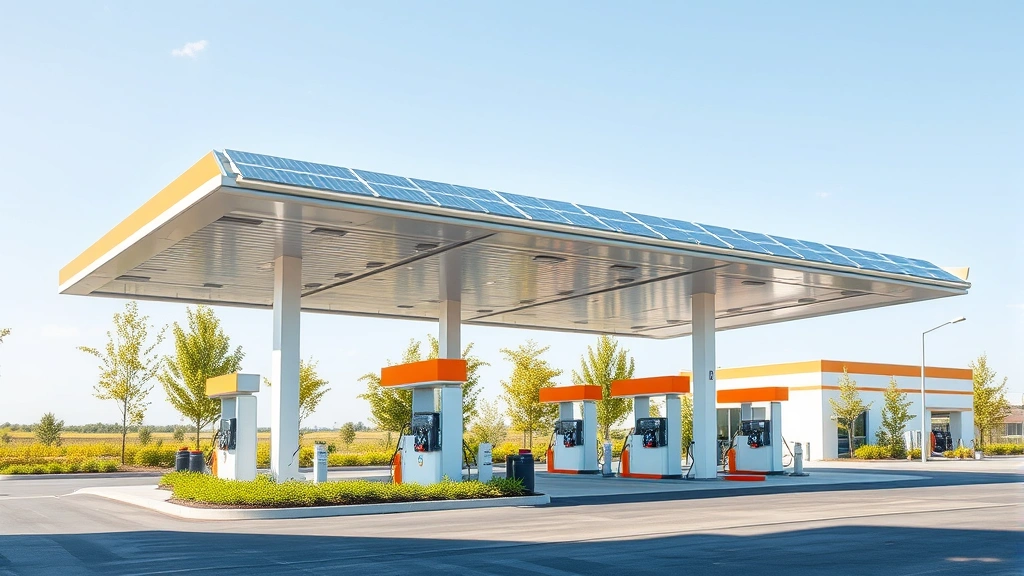
Star Gas Stations’ renewable energy adoption remains inconsistent across their network. Some locations may feature solar canopies over pump islands or rooftop installations, reducing grid electricity dependence. However, widespread renewable energy integration isn’t universally documented across Star Gas Station locations.
For consumers interested in sustainable energy solutions, identifying which Star Gas Stations offer renewable-powered operations requires research. Many stations lack publicly available sustainability data, making it difficult for environmentally conscious consumers to make informed choices.
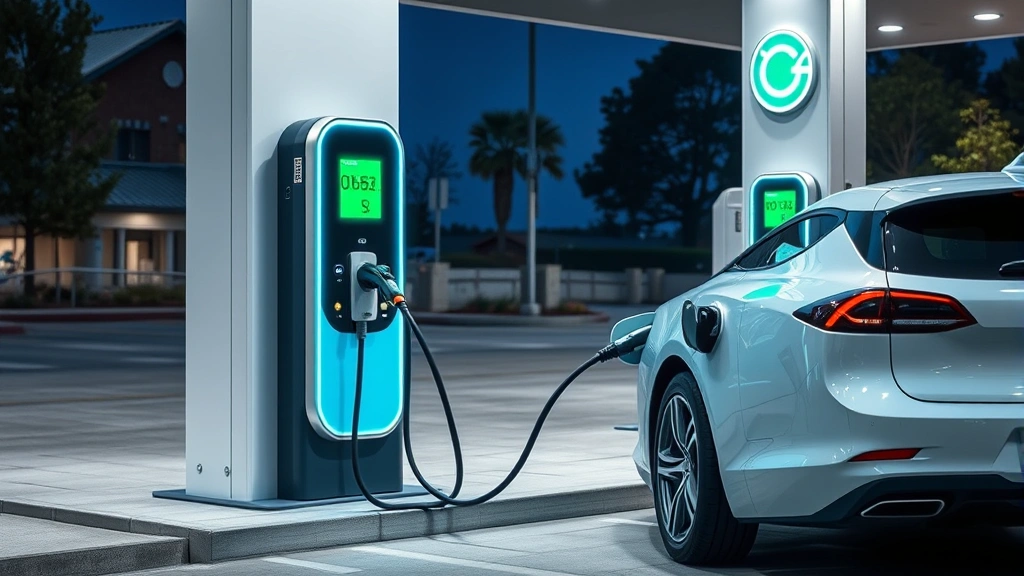
Electric vehicle charging infrastructure represents another critical renewable energy integration opportunity. Stations installing Level 2 or DC fast-charging equipment support the transition toward electrified transportation. Star Gas Stations’ involvement in EV infrastructure development varies by location and regional market demand.
The financial incentives for renewable energy adoption have improved significantly. Federal tax credits, state renewable energy mandates, and declining solar costs make facility electrification increasingly economically viable. Star Gas Stations that haven’t pursued these upgrades face questions about their genuine environmental commitment versus profit-focused decision-making.
Sustainability Certifications
Third-party certifications provide objective measures of environmental performance and commitment. Organizations like the ISO 14001 environmental management standard establish frameworks for continuous environmental improvement.
Star Gas Stations’ pursuit of recognized sustainability certifications indicates serious environmental commitment. ISO 14001 certification requires documented environmental policies, regular audits, and continuous improvement protocols. Stations achieving this certification demonstrate compliance with international environmental standards.
Other relevant certifications include:
- Green Business Bureau certification recognizing sustainable business practices
- LEED certification for energy-efficient facility design and operations
- Carbon Trust Standard certifications for emissions measurement and reduction
- Environmental Product Declarations for fuel quality and sourcing transparency
Publicly available certification information for Star Gas Stations remains limited. Corporate sustainability reports, if published, would clarify their certification status and environmental performance metrics. The absence of widely publicized certifications raises questions about whether environmental recognition constitutes a priority within their business model.
Consumers seeking certified sustainable fuel retailers should request certification documentation from specific locations. Corporate commitment to transparency regarding environmental credentials indicates genuine sustainability focus rather than greenwashing.
Comparison with Competitors
Evaluating Star Gas Stations’ environmental performance requires contextualizing their practices within the competitive fuel retail landscape. Major competitors include Shell, Chevron, BP, and ExxonMobil, each with varying sustainability commitments.
Shell has publicly committed to achieving net-zero emissions by 2050, investing significantly in renewable energy and alternative fuel infrastructure. BP’s sustainability strategy emphasizes transitioning away from fossil fuels toward clean energy. These major competitors’ public commitments to decarbonization create competitive pressure for other retailers to demonstrate equivalent environmental responsibility.
Independent and regional operators often match or exceed major branded stations’ environmental practices. Some smaller operators prioritize local environmental stewardship, implementing facility upgrades and alternative fuel offerings that larger corporations overlook.
Star Gas Stations’ competitive positioning depends on their environmental performance relative to these alternatives. If they lag behind major competitors in sustainability initiatives, environmentally conscious consumers may choose other retailers. Conversely, if Star Gas Stations exceed industry averages in facility efficiency and alternative fuel support, they gain competitive advantage among sustainability-focused consumers.
Direct comparison requires accessing public sustainability reports and environmental performance data. Star Gas Stations’ willingness to publish comprehensive environmental metrics demonstrates transparency and accountability that competitors increasingly adopt.
Future Green Initiatives
The fuel retail industry faces inevitable transformation as transportation electrification accelerates. Star Gas Stations’ future environmental performance depends on their strategic investments in emerging technologies and alternative fuel infrastructure.
Promising initiatives for traditional gas stations include:
- EV charging network expansion providing convenient vehicle electrification access
- Hydrogen fuel cell infrastructure development for heavy-duty vehicles
- Biofuel blending programs increasing renewable fuel percentages
- Battery energy storage systems stabilizing renewable energy integration
- Smart grid integration optimizing electricity consumption and distribution
Star Gas Stations that invest in these technologies position themselves for long-term viability as transportation evolves. Stations that continue focusing exclusively on traditional fuel sales face declining relevance as vehicle electrification accelerates. The advantages of electric vehicles increasingly motivate consumer purchasing decisions, making EV charging infrastructure essential for future gas station relevance.
Corporate leadership vision regarding energy transition determines whether Star Gas Stations proactively embrace these changes or resist them until forced by market dynamics. Progressive companies recognize that sustainability and profitability align increasingly as clean energy costs decline and consumer preferences shift.
Partnerships with renewable energy providers, EV charging networks, and alternative fuel suppliers offer pathways for traditional fuel retailers to diversify revenue streams while supporting environmental goals. Star Gas Stations’ willingness to pursue such partnerships indicates genuine commitment to energy transition participation.
Consumer Alternatives
Consumers concerned about Star Gas Stations’ environmental impact have several alternatives for reducing their fuel-related environmental footprint. The most significant option involves transitioning toward electric vehicles or other zero-emission transportation modes.
For consumers unable to immediately switch to EVs, strategic fuel purchasing decisions still matter. Choosing stations with documented environmental commitments, supporting biofuel blends, and minimizing unnecessary trips reduces overall impact. Consulting natural gas news and fuel industry developments helps consumers understand emerging alternatives and emerging technologies.
Reducing overall fuel consumption represents the most impactful personal action. Public transportation, cycling, walking, and carpooling eliminate fuel purchases entirely. For unavoidable driving, fuel-efficient vehicles or hybrids significantly reduce consumption compared to standard gasoline-powered cars.
Community advocacy for improved public transportation infrastructure reduces dependence on personal vehicles and traditional gas stations. Supporting policy initiatives that incentivize vehicle electrification and renewable energy adoption creates systemic change beyond individual consumer choices.
Reading SustainWise Hub Blog articles on transportation sustainability provides comprehensive information about alternatives and environmental impacts. Informed consumers make choices aligned with their environmental values and sustainability goals.
For homeowners interested in reducing overall energy consumption, how to save energy at home offers practical strategies that extend sustainability principles beyond transportation choices.
FAQ
Do Star Gas Stations offer electric vehicle charging?
EV charging availability varies significantly by location. Some Star Gas Stations may have installed charging equipment, particularly in areas with high EV adoption. Contact specific stations directly to confirm charging availability. Progressive stations increasingly recognize EV infrastructure as essential for future business viability.
What vapor recovery systems do Star Gas Stations use?
Most modern Star Gas Stations implement Stage I and Stage II vapor recovery systems meeting EPA standards. Stage I captures vapors during fuel tank delivery, while Stage II captures vapors during customer refueling. These systems significantly reduce volatile organic compound emissions contributing to ground-level ozone formation.
Are Star Gas Stations certified as environmentally sustainable?
Certification information varies by location. Some stations may hold ISO 14001 or other environmental certifications, while others operate under basic regulatory compliance. Contact corporate offices or individual stations for specific certification documentation and environmental performance data.
How do Star Gas Stations compare environmentally to major branded competitors?
Major competitors like Shell and BP have published ambitious net-zero emissions commitments and significant renewable energy investments. Star Gas Stations’ environmental performance relative to these major players depends on their published sustainability strategies and documented initiatives. Limited public information makes comprehensive comparison challenging.
What actions can consumers take to reduce fuel-related environmental impact?
The most effective actions include transitioning to electric vehicles, reducing driving through alternative transportation modes, supporting public transit development, and choosing fuel-efficient vehicles when driving remains necessary. For unavoidable fuel purchases, selecting stations with documented environmental commitments supports market pressure for industry-wide improvements.
Will Star Gas Stations transition to alternative fuel focus?
Industry transformation toward electrified transportation creates inevitable pressure for traditional fuel retailers to evolve business models. Forward-thinking stations are already investing in EV charging and alternative fuel infrastructure. Star Gas Stations’ future viability depends on successfully navigating this energy transition.
How can I find Star Gas Stations with the best environmental practices?
Research specific locations directly, requesting information about renewable energy usage, vapor recovery systems, waste management practices, and alternative fuel offerings. Online reviews and sustainability-focused consumer platforms may provide location-specific environmental performance information. Corporate sustainability reports offer broader company-level environmental commitments.


