
York County Natural Gas: Building a Sustainable Future
York County’s energy landscape is at a critical crossroads. As communities across the region grapple with climate commitments and rising energy demands, the role of natural gas in achieving sustainability goals remains deeply contested. While natural gas has traditionally served as a bridge fuel—cleaner than coal but still fossil-fuel dependent—York County faces mounting pressure to evaluate whether this energy source aligns with long-term environmental objectives.
The conversation around York County natural gas infrastructure, consumption patterns, and future energy strategies directly impacts household budgets, industrial competitiveness, and environmental health. Understanding the complexities of natural gas in this region requires examining current usage, environmental implications, renewable alternatives, and actionable pathways toward genuine sustainability.

Current State of Natural Gas in York County
York County’s natural gas infrastructure represents decades of investment in energy distribution systems. The region relies on natural gas for residential heating, commercial operations, and industrial processes. Current consumption patterns show that natural gas accounts for a significant portion of the county’s total energy portfolio, with pipelines extending through both urban and rural communities.
The natural gas supply chain in York County involves extraction from regional sources, transportation through established pipeline networks, and distribution to approximately hundreds of thousands of consumers. Major utility companies manage these operations, with regulatory oversight from state energy commissions. Understanding this infrastructure is essential because any transition toward sustainability requires strategic planning around existing assets and consumer dependencies.
Residential usage dominates natural gas consumption in York County, with heating systems, water heaters, and cooking appliances accounting for the largest share. Commercial properties, including offices, hospitals, and retail establishments, represent the second major consumption category. Industrial facilities, particularly in manufacturing and food processing sectors, rely on natural gas for production processes and steam generation.
Recent data indicates that natural gas prices in York County have fluctuated based on regional supply conditions and national market dynamics. These price variations directly affect household budgets and business operating costs, creating economic pressures that complicate discussions about energy transitions. Many residents and business owners view natural gas as an economical energy choice, which influences community attitudes toward sustainability initiatives.
Environmental Impact and Climate Concerns
While natural gas produces fewer carbon emissions than coal or oil when burned, it remains a fossil fuel with significant climate implications. Methane leakage throughout the natural gas supply chain—from extraction facilities through distribution pipelines to consumer endpoints—represents a major environmental concern. Methane is approximately 80 times more potent than carbon dioxide over a 20-year period, making leakage a critical sustainability issue.
York County’s natural gas infrastructure, like systems nationwide, experiences methane emissions at multiple points. Aging pipelines are particularly problematic, as deteriorating infrastructure allows fugitive emissions to escape into the atmosphere. Studies indicate that methane leakage rates in some regional systems exceed 2-3% of total throughput, which substantially undermines the climate benefits of using natural gas as a transition fuel.
The extraction and processing of natural gas also generate environmental impacts beyond direct emissions. Water contamination risks, habitat disruption, and energy-intensive extraction processes all contribute to the overall environmental burden. Additionally, natural gas combustion produces nitrogen oxides and other pollutants affecting air quality, with documented health consequences including respiratory issues and cardiovascular disease.
Climate scientists emphasize that achieving net-zero emissions targets requires moving beyond natural gas entirely. The EPA’s climate change initiatives and recent IPCC reports consistently identify fossil fuel phase-out as essential. York County’s continued reliance on natural gas creates path dependencies that make long-term climate goals increasingly difficult to achieve. Transitioning away from natural gas is not merely an environmental preference but a scientific necessity for meeting Paris Agreement commitments.
The carbon intensity of York County’s energy system remains substantially higher than regions that have invested in renewable energy infrastructure. This creates competitive disadvantages for local businesses and contributes to the region’s overall carbon footprint. Understanding these environmental realities is crucial for residents and policymakers evaluating whether current energy systems align with stated sustainability commitments.
Transitioning to Renewable Energy: York County’s Pathway Forward
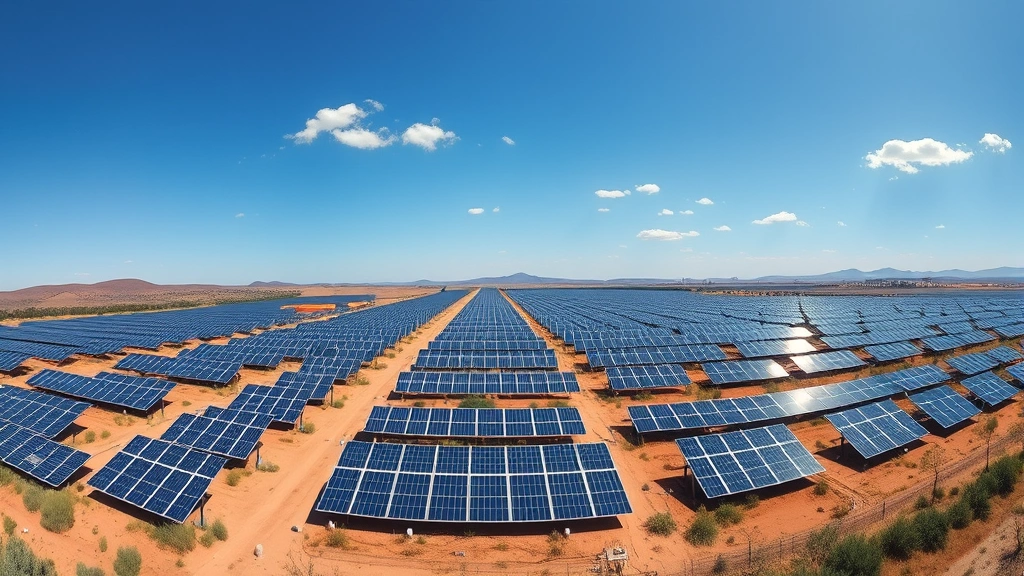
York County possesses significant renewable energy potential that remains largely underdeveloped. Solar resources are particularly abundant, with average annual insolation levels supporting both residential rooftop systems and utility-scale solar farms. Wind resources, while variable, could contribute meaningfully to the regional energy mix through strategic turbine placement in favorable locations.
Sustainable energy solutions for York County extend beyond simple renewable generation to comprehensive system redesign. This includes modernizing the electrical grid to accommodate distributed renewable resources, implementing energy storage systems to address intermittency challenges, and developing demand-response programs that optimize consumption patterns.
Electrification represents a cornerstone strategy for replacing natural gas dependence. Converting heating systems from gas to electric heat pumps offers superior efficiency and eliminates direct emissions. Modern heat pump technology achieves 300-400% efficiency compared to 90% for gas furnaces, meaning electricity-powered heating produces lower emissions even when grid electricity includes fossil fuel generation.
Water heating electrification presents another critical opportunity. Heat pump water heaters consume 50-60% less energy than traditional gas units while eliminating methane emissions. For the thousands of York County households and businesses with gas water heaters, conversion represents a straightforward path toward emissions reduction with minimal disruption.
Understanding whether natural gas qualifies as renewable reveals important insights about long-term energy strategy. While biogas and synthetic methane derived from renewable sources represent potential future fuels, current York County natural gas comes exclusively from fossil sources. Relying on speculative future technologies rather than implementing proven renewable solutions constitutes a risky sustainability strategy.
Community solar programs could enable apartment dwellers and homeowners without suitable rooftops to access renewable energy benefits. Battery storage systems, increasingly cost-competitive, allow households and businesses to maximize self-consumption of renewable generation. These distributed approaches complement utility-scale renewable development in creating resilient, sustainable energy systems.
Infrastructure and Economic Challenges
York County’s natural gas infrastructure represents billions of dollars in sunk capital that utility companies expect to recover over decades. This creates significant economic and political barriers to rapid energy transitions. Utility business models depend on consistent natural gas consumption, incentivizing resistance to electrification and renewable alternatives.
The transition away from natural gas requires substantial upfront investment in electrical infrastructure upgrades, renewable generation capacity, and consumer conversion assistance. While long-term operating costs decline dramatically, the initial capital requirements create political friction. Policymakers must balance fiscal responsibility with climate imperatives, a challenge complicated by utility lobbying and consumer concerns about transition costs.
Workforce considerations add complexity to natural gas phase-out discussions. Thousands of York County residents work in natural gas extraction, pipeline construction and maintenance, and utility operations. Just transition policies must ensure these workers can access equivalent employment in renewable energy sectors, requiring coordinated training and economic development initiatives.
Aging natural gas infrastructure presents both a problem and an opportunity. Aging pipes require replacement regardless of future energy strategy. Rather than investing in new gas distribution systems, York County could strategically replace retiring infrastructure with electrical capacity, accelerating the transition without requiring complete simultaneous replacement of functioning equipment.
Regulatory frameworks governing utility rates and service territories create institutional barriers to rapid change. Utilities earn returns on invested capital, incentivizing continued investment in fossil fuel infrastructure. Regulatory reform promoting performance-based compensation models could align utility incentives with sustainability outcomes rather than throughput maximization.
Community Initiatives and Solutions
Practical energy conservation strategies at home provide immediate opportunities for York County residents to reduce natural gas dependence. Weatherization improvements, including air sealing, insulation upgrades, and window replacement, dramatically reduce heating demands. These investments typically pay for themselves through energy savings within 7-10 years while increasing comfort and home value.
Community organizations across York County are developing programs supporting renewable energy adoption. Solar cooperatives enable bulk purchasing and shared installation expertise, reducing costs and complexity. Community choice aggregation initiatives allow municipalities to collectively negotiate renewable energy procurement, leveraging scale to achieve better pricing and environmental outcomes.
Educational campaigns promoting green technology innovations help York County residents understand electrification benefits and available incentives. Many consumers remain unaware that heat pump technology has advanced dramatically, eliminating performance concerns that discouraged earlier adoption. Targeted outreach addressing specific demographic groups ensures inclusive transition pathways.
Municipal governments in York County are implementing net-zero building codes for new construction, eliminating natural gas infrastructure in new homes and commercial buildings. This approach avoids locking in fossil fuel dependence for decades while demonstrating market viability of all-electric buildings. As construction costs for electric buildings approach parity with gas-dependent structures, market transformation accelerates.
Business leadership initiatives bring sustainability commitments from major employers and institutions. When hospitals, universities, and large manufacturers commit to electrification and renewable energy procurement, they create market demand that accelerates technology deployment and cost reduction. These institutional commitments also influence supply chain partners and smaller businesses to pursue similar goals.
Financing innovation programs address consumer concerns about transition costs. Property Assessed Clean Energy (PACE) financing allows building owners to repay electrification investments through property tax assessments, enabling conversion without upfront capital requirements. On-bill financing programs offered by utilities and third parties further reduce barriers to adoption.
Future Outlook for York County: A Sustainable Vision
The trajectory of York County’s energy future depends on decisions made today by policymakers, utility companies, businesses, and residents. Multiple scenarios are plausible, ranging from continued natural gas dependence with marginal renewable additions to comprehensive electrification powered by renewable generation.
Optimistic scenarios envision York County achieving 100% renewable electricity within 15-20 years through aggressive solar and wind development combined with strategic battery storage. In this pathway, natural gas infrastructure is systematically retired as buildings electrify and renewable generation expands. Economic benefits include job creation in renewable energy and construction, reduced energy costs, and improved public health from eliminated air pollution.
More conservative scenarios maintain natural gas as a significant energy source for decades, with renewable energy gradually increasing to 50-60% of total consumption. This approach requires extensive methane leakage reduction investments and eventual carbon capture technologies to achieve climate goals. However, this pathway risks locking in fossil fuel infrastructure and missing opportunities for accelerated cost reduction in renewable technologies.
Accelerated transition scenarios become increasingly plausible as renewable energy costs continue declining and electrification technology improves. Battery costs have decreased 90% over the past decade, approaching price points where storage enables fully renewable systems. If this cost trajectory continues, the economic case for rapid natural gas phase-out strengthens substantially.
Policy changes at state and federal levels significantly influence York County’s energy future. Carbon pricing mechanisms, renewable energy mandates, and building electrification standards create regulatory tailwinds for transition. Conversely, fossil fuel subsidies and regulatory barriers to utility reform slow transformation. York County’s sustainability outcomes depend partly on advocating for supportive policy environments.
The role of natural gas in York County’s sustainable future appears increasingly marginal. While natural gas may serve as a temporary bridge fuel during transition periods, long-term sustainability requires moving beyond fossil fuels entirely. Communities that proactively manage this transition will experience economic and health benefits, while those that delay face stranded assets and accelerated costs as renewable technology dominance becomes unavoidable.
Frequently Asked Questions About York County Natural Gas and Sustainability
Is natural gas a renewable energy source?
No, natural gas is a fossil fuel formed from ancient organic matter. While some natural gas sources include biogas from organic waste, the vast majority of York County’s supply comes from conventional fossil extraction. True renewable alternatives like solar, wind, and geothermal energy do not deplete natural resources.
What are the health impacts of natural gas use in York County?
Natural gas combustion produces nitrogen oxides and particulate matter affecting respiratory health. Indoor gas appliances increase asthma risk and cardiovascular disease rates. Methane leaks also expose communities to toxic volatile organic compounds. Transitioning to electric alternatives eliminates these direct health hazards while improving air quality.
How much would it cost York County residents to switch from natural gas to electric heating?
Modern heat pump systems cost $4,000-8,000 installed, comparable to gas furnace replacement costs. Over 15 years, electric heating typically costs 30-50% less than gas due to superior efficiency. Available rebates and financing programs further reduce out-of-pocket costs, making electrification economically attractive.
Can renewable energy reliably power York County?
Yes. Battery storage technology, grid interconnection, and demand management enable fully renewable systems. Regions like Denmark and California already operate with high renewable penetration rates, demonstrating technical feasibility. York County possesses sufficient solar and wind resources to achieve 100% renewable electricity.
What should York County residents do to reduce natural gas dependence?
Prioritize weatherization improvements to reduce heating demands. Evaluate heat pump technology for space and water heating replacement. Consider rooftop solar or community solar programs. Advocate for municipal electrification policies and utility rate reforms. Support candidates and policies promoting renewable energy transition.
How long will York County’s natural gas infrastructure last?
Existing infrastructure could function for 30-50 years with maintenance. However, strategic replacement during planned maintenance cycles can accelerate transition to electrical infrastructure. Rather than building new gas infrastructure, York County should prioritize electrical capacity expansion.


