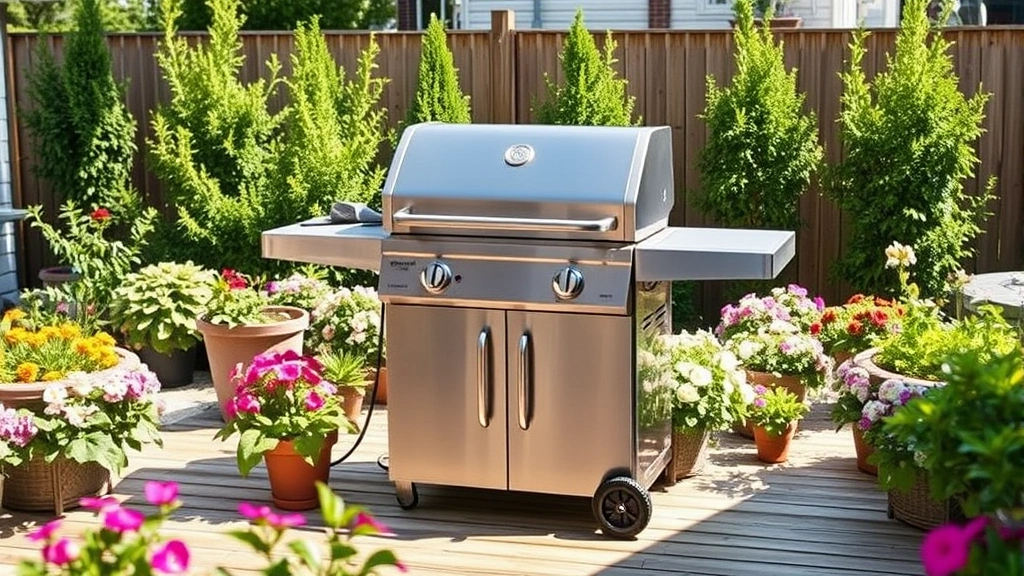
Is a 2 Burner Gas Grill Eco-Friendly? Expert Opinion
When considering outdoor cooking equipment, many homeowners ask whether a 2 burner gas grill aligns with environmental values. The answer isn’t straightforward—it depends on how you measure environmental impact, what alternatives you’re comparing it against, and how responsibly you use the equipment. Gas grills occupy a middle ground in the sustainability spectrum, offering cleaner combustion than charcoal but consuming fossil fuels unlike electric alternatives.
This comprehensive guide examines the environmental implications of 2 burner gas grills from multiple angles. We’ll analyze their carbon footprint, efficiency ratings, and how they stack up against other cooking methods. Whether you’re a sustainability enthusiast or simply curious about making greener choices, understanding these factors helps you make informed decisions about your outdoor cooking setup.
Environmental Impact of Gas Grills
A 2 burner gas grill’s environmental footprint involves multiple dimensions: manufacturing emissions, operational fuel consumption, and end-of-life disposal. Unlike sustainable energy solutions, gas grills rely on fossil fuel combustion, which immediately raises environmental concerns for climate-conscious consumers.
The manufacturing phase contributes significantly to a grill’s total lifecycle emissions. Steel fabrication, burner assembly, and transportation all generate carbon dioxide. A typical 2 burner gas grill weighs between 40-80 pounds, requiring energy-intensive production processes. However, because these grills last 10-15 years with proper maintenance, their per-year manufacturing impact becomes more manageable when amortized across their lifespan.
The operational phase represents the largest environmental concern. Each grilling session consumes natural gas or propane, both fossil fuels extracted from the earth. A 2 burner gas grill typically uses 30,000-40,000 BTU (British Thermal Units) per burner, consuming approximately 0.5-1 pound of propane per hour of cooking. Over a summer season with regular use, this accumulates to measurable greenhouse gas emissions.
Material considerations also matter. Quality 2 burner gas grills feature stainless steel construction, which requires significant energy to produce but offers exceptional durability and recyclability. Cheaper models with painted steel may corrode faster, necessitating replacement and creating additional waste. Investing in environmentally conscious purchases means prioritizing longevity over cost.
Emissions and Carbon Footprint
Natural gas and propane combustion produce carbon dioxide, the primary greenhouse gas driving climate change. When you burn one pound of propane, it generates approximately 12.4 pounds of carbon dioxide. This 1:12 ratio illustrates why fuel consumption matters significantly for grilling’s environmental profile.
A typical family using a 2 burner gas grill twice weekly for 25 weeks annually (summer season) might consume 25-50 pounds of propane yearly. This translates to 310-620 pounds of CO₂ emissions annually from grilling alone—equivalent to driving a car approximately 300-600 miles. While not catastrophic, this represents a genuine environmental cost worth acknowledging.
However, gas grills produce cleaner emissions than charcoal alternatives. Charcoal combustion generates not only CO₂ but also particulate matter, carbon monoxide, and volatile organic compounds that contribute to air quality degradation. Research from the EPA’s Air Quality Division demonstrates that natural gas burns more completely than charcoal, producing fewer pollutants per unit of energy.
The source of your fuel matters too. If your propane comes from renewable sources or is offset through carbon credit programs, your grill’s environmental impact diminishes. Some propane providers now offer biogas alternatives—propane blended with renewable sources—reducing fossil fuel dependence. Investigating your supplier’s sustainability practices transforms your 2 burner gas grill from purely carbon-intensive to potentially carbon-neutral.
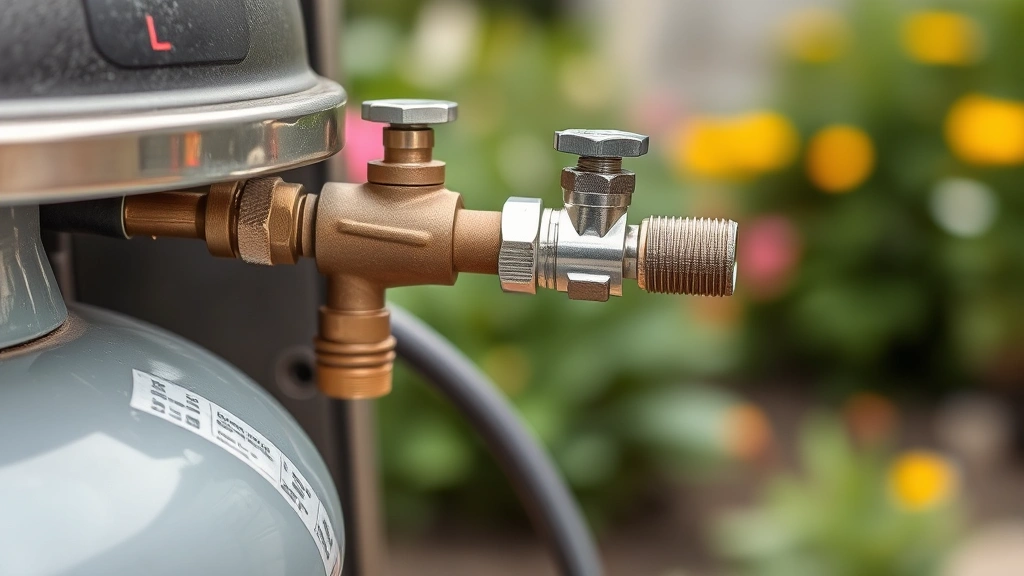
Manufacturing emissions for propane tanks also deserve consideration. A 20-pound propane tank requires energy-intensive steel production and safety testing. However, these tanks last decades, so their amortized environmental cost remains relatively low compared to single-use fuel containers.
Efficiency Compared to Other Grilling Methods
Energy efficiency represents a crucial sustainability metric. A 2 burner gas grill typically converts 40-50% of fuel energy into cooking heat, making it reasonably efficient for outdoor cooking. This compares favorably to charcoal grills, which operate at 25-35% efficiency because much heat escapes rather than cooking food.
Electric grills, by contrast, achieve 80-95% energy conversion efficiency. However, this advantage diminishes if your electricity comes from fossil fuel power plants. In regions with renewable energy grids, electric grills become substantially more eco-friendly. Check your local utility’s energy mix through their sustainability reports to determine this impact.
Pellet grills occupy another efficiency tier, burning compressed wood sawdust—a renewable byproduct of lumber processing. They offer 60-70% efficiency with lower carbon intensity, especially if sourced from sustainably managed forests. Yet pellet grills typically feature multiple burners, consuming more fuel than a compact 2 burner gas model for equivalent cooking time.
Cooking method efficiency extends beyond fuel conversion. A 2 burner gas grill cooks food relatively quickly due to direct flame heat, minimizing total cooking time and fuel consumption. Slow-cooking methods requiring extended heat exposure increase overall fuel consumption. Using your sustainable energy solutions wisely means matching cooking methods to fuel consumption.
Real-world testing shows a 2 burner gas grill reaches cooking temperature in 10-15 minutes, whereas charcoal requires 20-30 minutes. This efficiency advantage compounds across multiple grilling sessions. Over a summer season, a gas grill’s faster heat-up reduces total fuel consumption compared to charcoal despite similar per-hour burn rates.
Natural Gas vs. Propane Considerations
Two fuel options exist for gas grills: natural gas (via fixed line connections) and propane (from portable tanks). Each presents distinct environmental tradeoffs worth evaluating for your situation.
Natural Gas Advantages: Piped natural gas eliminates tank manufacturing and replacement, reducing lifecycle emissions. You never need to transport heavy propane tanks, eliminating transportation-related carbon. Natural gas burns slightly cleaner than propane with lower emissions of nitrogen oxides. For homeowners with existing natural gas connections, converting a grill to natural gas proves environmentally superior to propane.
Natural Gas Disadvantages: Natural gas infrastructure requires extensive pipeline networks, often involving fossil fuel extraction from distant locations. Methane leaks during extraction and transport represent a significant climate concern—methane traps 80+ times more heat than CO₂ over 20-year periods. If your region’s natural gas comes from fracking operations, environmental costs extend beyond combustion.
Propane Advantages: Propane offers portability, enabling use without permanent infrastructure. It burns with slightly higher energy density than natural gas, providing more BTU per unit volume. Propane infrastructure allows for tank recycling programs, creating closed-loop systems in some regions.
Propane Disadvantages: Tank manufacturing and transportation generate emissions. Propane extraction often accompanies crude oil and natural gas production, complicating environmental attribution. Propane contains slightly more carbon per unit energy than natural gas, resulting in marginally higher emissions during combustion.
For most homeowners, propane-fueled 2 burner gas grills represent the practical choice. If your home has natural gas service, converting your grill to natural gas provides modest environmental improvements worth pursuing.

Making Your Gas Grill More Sustainable
Owning a 2 burner gas grill doesn’t preclude environmental responsibility. Numerous practices minimize your grill’s ecological footprint while maintaining cooking quality.
Optimize Cooking Efficiency: Preheat your grill only as long as necessary—5-10 minutes typically suffices. Use both burners only when cooking large quantities; single-burner cooking for smaller meals cuts fuel consumption in half. Cook multiple items simultaneously rather than multiple sessions, consolidating fuel use.
Maintain Equipment Properly: Regular cleaning and maintenance ensure optimal performance. Clogged burners reduce heating efficiency, requiring extended cooking times and increased fuel consumption. Replace worn seals and gaskets preventing heat loss. Well-maintained grills operate 10-15% more efficiently than neglected models.
Invest in Quality Covers: Weather-resistant covers protect your grill from rust and degradation, extending its lifespan significantly. Durability equals sustainability—a grill lasting 15 years instead of 10 represents 33% lower amortized manufacturing emissions.
Source Sustainable Fuel: Investigate propane providers offering renewable or offset options. Some companies blend propane with biogas or provide carbon offset programs. The environmental cost difference between standard and sustainable propane often remains negligible, making the switch worthwhile.
Practice Responsible Grilling: Plan meals to minimize food waste, as wasted food represents squandered cooking fuel. Grill seasonal, locally-sourced ingredients reducing supply chain emissions. Reduce meat consumption or choose sustainably-raised options, addressing the largest environmental component of your meal.
These practices transform your 2 burner gas grill from a purely carbon-intensive appliance into a relatively responsible cooking tool. Small behavioral changes compound across seasons into meaningful environmental improvements.
Eco-Friendly Alternatives to Consider
If minimizing environmental impact represents your primary concern, alternative cooking methods deserve serious consideration before committing to a gas grill.
Electric Grills: As mentioned earlier, electric grills achieve superior efficiency, especially in renewable-energy regions. Countertop electric grills work well for apartments and small spaces where gas grills prove impractical. Outdoor electric grills connect to existing home electrical systems, eliminating fuel purchases. The primary limitation involves slower temperature adjustment compared to gas, affecting some cooking techniques.
Solar Cookers: For the ultimate eco-friendly option, solar cookers harness free renewable energy. Box cookers and parabolic designs reach high temperatures using only sunlight. They require planning around weather and daylight hours but produce zero emissions. Solar cooking suits meal preparation rather than spontaneous grilling.
Induction Cooktops: Portable induction cooktops offer efficient outdoor cooking with electric power. They heat cookware directly through magnetic induction, achieving 80-90% efficiency. Induction cooking provides precise temperature control superior to gas grills, though they require compatible cookware.
Understanding green technology innovations helps identify emerging alternatives. Hybrid grills combining gas with solar elements, and smart grills optimizing fuel consumption through sensors, represent evolving options worth monitoring.
For most households, a 2 burner gas grill represents a reasonable compromise between environmental impact and practical functionality. It beats charcoal grilling significantly and remains more affordable than premium electric alternatives. The key involves using it mindfully and exploring ways to offset its environmental cost through the practices outlined above.
FAQ
What makes a 2 burner gas grill more eco-friendly than charcoal?
Gas grills burn more completely than charcoal, producing fewer pollutants and achieving 40-50% efficiency versus charcoal’s 25-35%. Gas also heats up faster, reducing total cooking time and fuel consumption per meal.
How much CO₂ does a 2 burner gas grill produce annually?
Typical summer usage produces 310-620 pounds of CO₂ annually, equivalent to driving a car 300-600 miles. This varies based on frequency, duration, and fuel source.
Should I choose natural gas or propane for my grill?
Natural gas proves environmentally superior if you have existing connections, eliminating tank manufacturing and transportation emissions. Otherwise, propane remains the practical choice, especially if your provider offers renewable or offset options.
How can I reduce my gas grill’s environmental impact?
Optimize cooking efficiency through shorter preheat times, use single burners for small meals, maintain equipment properly, invest in quality covers extending lifespan, and source sustainable fuel when possible.
Is an electric grill more eco-friendly than gas?
Electric grills achieve superior efficiency (80-95% vs. 40-50%), but environmental benefits depend on your electricity grid’s energy mix. In regions with renewable energy, electric grills are significantly greener.
What’s the lifespan of a typical 2 burner gas grill?
Quality gas grills last 10-15 years with proper maintenance. Investing in durable models reduces amortized manufacturing emissions compared to cheaper alternatives requiring replacement.
Can I offset my gas grill’s carbon footprint?
Yes, through sustainable propane providers offering carbon offset programs, renewable fuel blends, or by combining grilling with other environmental practices. Review resources from organizations like the Carbon Trust for offset options.
For comprehensive guidance on reducing your overall environmental footprint, explore our detailed article on reducing your environmental footprint, which addresses cooking practices alongside other lifestyle choices.


