
Is a 30-Inch Gas Range Eco-Friendly? Expert Insights on Environmental Impact and Alternatives
When it comes to kitchen appliances, the 30-inch gas range has long been a staple in homes across North America. Professional chefs and home cooks alike appreciate the immediate heat control and cooking precision that gas burners provide. However, as environmental concerns continue to shape consumer decisions, many homeowners are asking critical questions about whether gas ranges align with eco-friendly living practices. The answer is nuanced and depends on multiple factors including energy efficiency, methane emissions, fuel sourcing, and how the appliance compares to modern alternatives.
Understanding the environmental footprint of a 30-inch gas range requires examining both its operational impact and its lifecycle implications. From methane leakage to combustion byproducts, gas cooking presents environmental challenges that often go unnoticed. Yet the technology itself has evolved, and some modern gas ranges incorporate efficiency features that reduce their ecological impact. This comprehensive guide explores the sustainability question from multiple angles, helping you make an informed decision about kitchen appliances that align with your values and environmental goals.
Environmental Impact of Gas Ranges
A 30-inch gas range’s environmental impact extends far beyond the moment you ignite the burners. The complete picture includes upstream emissions from natural gas extraction and distribution, direct combustion emissions during cooking, and the appliance’s manufacturing footprint. Natural gas, while cleaner than coal or oil in terms of carbon emissions per unit of energy, still contributes significantly to greenhouse gas concentrations when methane leakage throughout the supply chain is considered.
The extraction process for natural gas involves drilling, hydraulic fracturing, and pipeline infrastructure that can disrupt ecosystems and release methane—a potent greenhouse gas approximately 25-28 times more effective at trapping heat than carbon dioxide over a 100-year period. When you choose a 30-inch gas range, you’re essentially locking into a relationship with this supply chain. The efficiency of your specific appliance determines how much of that extracted gas actually converts to usable heat for cooking, with typical gas ranges achieving 70-75% efficiency—meaning roughly one-quarter of the fuel’s energy escapes as waste heat.
As part of exploring sustainable energy solutions, it’s worth evaluating whether gas cooking aligns with your household’s broader sustainability goals. The cooking method you choose daily contributes to your overall carbon footprint, and understanding these contributions helps you make intentional decisions about your kitchen setup.
Methane Emissions and Climate Concerns
Methane emissions represent the most significant environmental concern associated with gas ranges. This invisible threat operates on multiple levels: from leaks during extraction and transportation to incomplete combustion during cooking itself. Studies by the Environmental Protection Agency (EPA) have documented that natural gas systems leak between 1-2% of total supply, with some estimates suggesting higher percentages in aging infrastructure.
When you light a 30-inch gas range burner, you’re initiating a combustion process that ideally produces carbon dioxide and water vapor. However, incomplete combustion—particularly in older or poorly maintained units—generates methane, carbon monoxide, and other pollutants. The climate impact of methane from cooking appliances might seem negligible on an individual level, but aggregated across millions of households, these emissions contribute meaningfully to atmospheric methane concentrations.
Beyond climate impact, methane itself poses indoor air quality concerns. Unburned gas molecules can accumulate in your kitchen, and the combustion byproducts create indoor air pollution that affects respiratory health. This becomes particularly relevant when considering family wellness alongside environmental responsibility. The American Lung Association has raised concerns about gas cooking’s contribution to indoor nitrogen dioxide and particulate matter exposure.
Understanding these methane-related issues is crucial when evaluating whether a 30-inch gas range fits within an eco-conscious lifestyle. The definition of sustainability encompasses not just climate metrics but also human health and long-term environmental stewardship—areas where gas cooking presents legitimate challenges.

Energy Efficiency Ratings and Standards
Modern 30-inch gas ranges vary significantly in their efficiency specifications. The U.S. Department of Energy establishes efficiency standards that manufacturers must meet, though gas ranges currently face less stringent requirements compared to electric appliances. This regulatory gap reflects both the political influence of the gas industry and the technical challenges of standardizing efficiency across diverse cooking styles and burner configurations.
When shopping for a gas range with environmental considerations in mind, look for models with sealed burners, which prevent heat loss and reduce fuel consumption. Convection features, when properly implemented, distribute heat more evenly and can reduce cooking time—translating directly to lower gas consumption. Some premium 30-inch gas ranges incorporate electronic ignition systems rather than continuously burning pilot lights, eliminating wasted fuel consumption when the appliance isn’t in use.
The ENERGY STAR program has begun establishing criteria for gas ranges, though certification remains less common than for other appliances. When evaluating specific models, compare BTU (British Thermal Unit) ratings per burner and overall thermal efficiency. Higher efficiency doesn’t necessarily mean superior cooking performance—it means more of the fuel’s energy reaches your food rather than heating your kitchen unnecessarily.
Implementing energy-saving strategies at home extends beyond appliance selection to usage patterns. Even with an efficient 30-inch gas range, how you cook—using appropriate burner sizes, keeping lids on pots, and minimizing preheat time—significantly impacts your overall energy consumption and environmental footprint.
Comparing Gas to Electric and Induction Cooking
The environmental comparison between a 30-inch gas range and electric alternatives depends largely on your regional electricity grid composition. In areas powered predominantly by renewable energy sources like wind, solar, and hydroelectric power, electric cooking becomes substantially more eco-friendly than gas. Conversely, regions relying heavily on fossil fuel power plants may see smaller environmental advantages from switching to electric ranges.
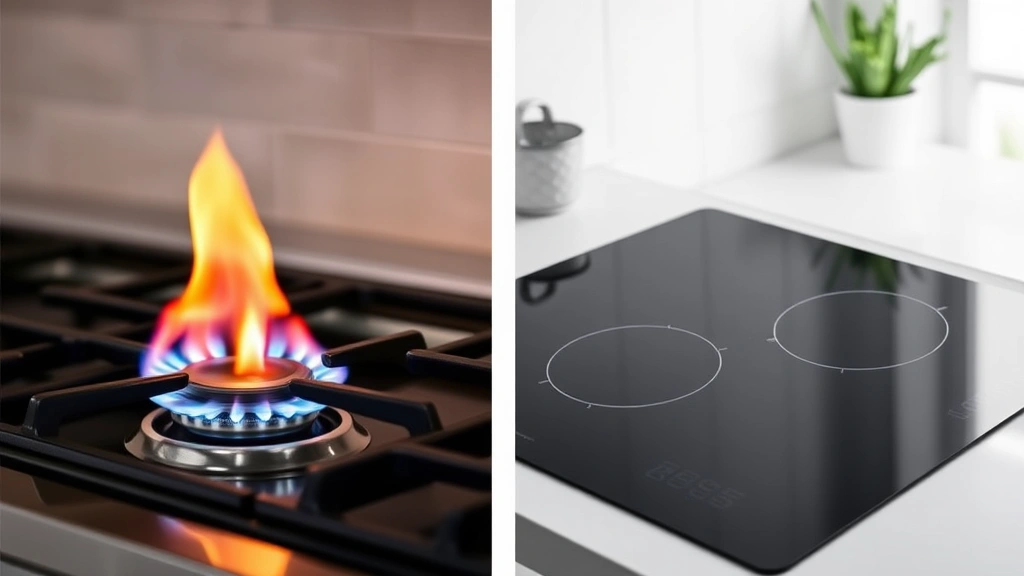
Electric coil ranges operate at approximately 70-75% efficiency—similar to gas ranges—but deliver heat more predictably and uniformly. Induction cooktops represent a significant leap forward, achieving 85-90% efficiency by using magnetic fields to heat cookware directly rather than heating a coil or surface. This superior efficiency translates to less energy waste, lower electricity consumption, and reduced environmental impact even in fossil fuel-dependent regions.
The lifecycle analysis becomes crucial here. Electric and induction cooktops require electricity generation, which in many cases involves fossil fuel combustion at centralized power plants. However, this centralized approach allows for pollution control technologies, efficiency optimization, and renewable energy integration at scales impossible in individual homes. A single natural gas power plant equipped with modern pollution controls may deliver cleaner electricity than millions of distributed gas appliances.
From a practical standpoint, induction cooking offers environmental benefits beyond efficiency metrics. The precise temperature control and rapid heat adjustment reduce cooking time and food waste. The cooktop surface remains cool to the touch, eliminating accidental heat exposure and making the appliance inherently safer. If you’re contemplating upgrading from a 30-inch gas range, induction technology represents the most environmentally progressive option currently available for residential kitchens.
Indoor Air Quality and Health Considerations
An often-overlooked aspect of gas range environmental impact involves indoor air quality. When you operate a 30-inch gas range, you’re introducing combustion byproducts into your home’s indoor environment. Nitrogen dioxide, formaldehyde, carbon monoxide, and particulate matter all accumulate during cooking, particularly in kitchens with poor ventilation.
Children in homes with gas cooking experience higher rates of respiratory symptoms, asthma, and allergies according to epidemiological studies. This represents an environmental justice issue—low-income households often rely on gas cooking and may have inadequate ventilation infrastructure, creating disproportionate health burdens. The environmental cost of gas cooking extends beyond atmospheric impacts to include human health degradation within our homes.
Proper ventilation mitigates some of these concerns, but many homes lack adequate range hoods or exhaust systems. Even with ventilation, some combustion byproducts penetrate indoor spaces before being exhausted, affecting household air quality. Electric and induction cooktops eliminate direct combustion in your kitchen, improving indoor air quality immediately upon switching.
This health dimension adds weight to environmental considerations. Sustainability encompasses not just climate and ecosystem impacts but also human wellbeing and environmental equity. A 30-inch gas range might represent an acceptable choice in a well-ventilated space with minimal vulnerable household members, but it presents legitimate health concerns in other contexts.
Manufacturing and Lifecycle Assessment
The environmental impact of a 30-inch gas range extends beyond its operational phase. Manufacturing involves resource extraction, processing, transportation, and assembly—each step carrying environmental costs. Steel production for the appliance frame and components generates significant carbon emissions and water pollution. Burner components, control mechanisms, and oven insulation materials all require extraction and processing.
A comprehensive lifecycle assessment compares total environmental impact across manufacturing, distribution, use, and disposal phases. For gas ranges, the use phase typically dominates the overall impact calculation, meaning operational emissions overshadow manufacturing concerns. This suggests that switching from an old, inefficient gas range to a newer, efficient electric or induction model likely breaks even environmentally within 3-5 years of use, despite the manufacturing impact of the replacement appliance.
End-of-life considerations matter as well. Gas ranges contain recyclable materials—steel, copper, aluminum—but also non-recyclable components that end up in landfills. The recovery infrastructure for kitchen appliances varies geographically, affecting whether your old range becomes a resource or waste. When evaluating a purchase, consider supporting manufacturers committed to circular economy principles and responsible end-of-life management.
Modern green technology innovations are beginning to address lifecycle impacts through material efficiency, modular design, and recyclability optimization. Choosing brands demonstrating commitment to these principles supports market incentives for sustainable manufacturing practices.
Making an Eco-Conscious Choice
So, is a 30-inch gas range eco-friendly? The honest answer is: not particularly, but with important nuances. Gas ranges represent a mature technology optimized for cooking performance rather than environmental impact. They’re less damaging than coal or oil-based alternatives, but they fall behind modern electric and induction options in terms of efficiency, emissions, and indoor air quality.
If you currently own a 30-inch gas range in good working condition, replacing it solely for environmental reasons may not represent the most sustainable choice. Manufacturing a replacement appliance carries environmental costs, and your existing range has already amortized its production impact. Maximizing the lifespan of current appliances often outweighs switching to theoretically superior alternatives.
However, if you’re planning a kitchen renovation, building a new home, or your existing range requires replacement anyway, choosing an induction cooktop or high-efficiency electric range aligns better with environmental values. The long-term operational savings in energy consumption and the improved indoor air quality justify the initial investment.
For those committed to gas cooking for culinary reasons, several strategies can minimize environmental impact. Ensure your range features sealed burners and electronic ignition to maximize efficiency. Maintain proper ventilation to reduce indoor air quality concerns. Use appropriately sized burners for your cookware to avoid wasting heat. Consider offset programs through your energy provider or carbon neutral gas suppliers, which route revenue toward renewable energy development or methane capture projects.
The SustainWise Hub blog regularly explores appliance choices and household sustainability decisions that help readers align their homes with environmental values. Kitchen decisions represent just one component of household sustainability, but they’re decisions you make multiple times daily, multiplying their cumulative impact.
Ultimately, choosing a 30-inch gas range over modern alternatives represents a trade-off between cooking performance preferences and environmental responsibility. Understanding this trade-off—rather than assuming gas cooking is inherently sustainable—enables intentional decision-making that reflects your actual values and priorities.
FAQ
Are gas ranges more environmentally friendly than electric?
Not generally. While gas ranges operate at similar efficiency levels to electric coil ranges (70-75%), electricity grids in most developed regions incorporate renewable energy, making electric cooking cleaner overall. Induction cooktops are significantly more efficient (85-90%) and represent the most eco-friendly cooking option. The environmental advantage of gas exists primarily in regions with extremely fossil fuel-dependent electricity grids, which are increasingly rare.
What is the carbon footprint of cooking on a gas range?
A typical household using a 30-inch gas range for daily cooking generates approximately 1-2 tons of CO2 equivalent annually from cooking alone, when accounting for direct combustion emissions and upstream supply chain methane leakage. This varies based on cooking frequency, burner efficiency, and local natural gas sourcing. For context, average household carbon footprints range from 15-25 tons annually, making cooking 5-10% of total household emissions.
Do gas ranges produce harmful indoor air pollutants?
Yes. Gas combustion produces nitrogen dioxide, formaldehyde, carbon monoxide, and particulate matter. These accumulate in kitchens, particularly those with poor ventilation. Studies consistently show higher respiratory issues in children living in homes with gas cooking. Proper range hood ventilation mitigates but doesn’t eliminate these concerns. Electric and induction cooktops eliminate direct combustion and indoor air pollution from cooking.
Should I replace my gas range with an electric or induction model for environmental reasons?
If your current range is functioning well, the manufacturing impact of a replacement likely outweighs operational savings for 3-5 years. However, if you’re replacing a broken range or renovating, switching to induction represents a significant environmental improvement. Consider your region’s electricity grid composition—areas with high renewable energy penetration see greater benefits from electric cooking.
What makes some 30-inch gas ranges more efficient than others?
Key efficiency features include sealed burners (preventing heat loss), electronic ignition (eliminating continuously burning pilot lights), convection ovens (distributing heat more evenly), and insulation quality. Higher BTU-rated burners aren’t necessarily more efficient—they simply deliver more heat. Look for ranges with modular burners allowing you to match heat output to cookware size, reducing wasted energy.
Is natural gas from renewable sources available for home cooking?
Renewable natural gas (biogas from agricultural waste and landfills) exists but represents a tiny percentage of residential supply in most regions. Some utility companies offer carbon offset programs allowing customers to support renewable energy development. These programs don’t change your actual fuel source but redirect revenue toward sustainability initiatives, making your gas use carbon-neutral on paper.
How does the environmental impact of manufacturing a new range compare to using an old gas range?
Manufacturing a new appliance generates 200-500 kg of CO2 equivalent. A 30-inch gas range produces roughly 400-600 kg of CO2 annually from use. Switching from an old range to a new induction cooktop breaks even environmentally within 3-5 years, after which the new appliance provides cumulative environmental benefits. For older, less efficient ranges, the payback period shortens to 2-3 years.


