
50-Gallon Gas Heaters: Eco-Friendly or Not?
The 50-gallon gas hot water heater remains one of the most common appliances in American households, but its environmental impact deserves serious scrutiny. As homeowners increasingly seek to reduce their carbon footprint, understanding whether traditional gas water heating aligns with sustainability goals becomes essential. This comprehensive guide examines the ecological implications of gas-powered water heaters, compares them to alternative technologies, and explores practical solutions for making your home’s water heating more environmentally responsible.
Water heating accounts for approximately 17-25% of residential energy consumption, making it the second-largest energy expense in most homes after heating and cooling. The question isn’t simply whether a 50-gallon gas hot water heater works—it’s whether it works responsibly within our environmental constraints and climate commitments.
Environmental Impact of Gas Water Heaters
A 50-gallon gas hot water heater operates by burning natural gas to heat water stored in an insulated tank. While this technology has served households for decades, its environmental consequences are increasingly difficult to ignore. Natural gas, though often marketed as a cleaner fossil fuel alternative, still produces significant greenhouse gas emissions when combusted. For every gallon of hot water heated, a conventional gas heater releases carbon dioxide and other pollutants into the atmosphere.
The extraction, processing, and transportation of natural gas also carry environmental costs. Methane, a potent greenhouse gas 25-28 times more effective at trapping heat than carbon dioxide over a 100-year period, leaks throughout the supply chain. Studies from the Environmental Protection Agency indicate that methane emissions from natural gas infrastructure represent a significant portion of residential energy’s climate impact.
Beyond direct emissions, consider the standby losses inherent to tank-style water heaters. A 50-gallon tank continuously maintains water temperature, meaning energy is expended 24/7 even when you’re not using hot water. This constant energy draw—typically 4,000-5,000 BTUs per hour during idle periods—compounds environmental costs throughout the appliance’s 10-15 year lifespan.
Understanding the definition of sustainability helps frame this discussion: true sustainability requires meeting present needs without compromising future generations’ ability to meet theirs. Traditional gas water heaters fall short of this standard by perpetuating fossil fuel dependence and contributing to climate change.
Energy Efficiency and Carbon Emissions
Most standard 50-gallon gas water heaters achieve Energy Factor (EF) ratings between 0.55 and 0.65, meaning they convert only 55-65% of fuel energy into usable hot water. The remaining 35-45% escapes as waste heat through the flue or tank surface. For a household using 80-100 gallons of hot water daily, this inefficiency translates to substantial wasted energy and environmental impact.
The average American household produces approximately 2-3 metric tons of carbon dioxide annually from water heating alone. Over a water heater’s lifetime, that’s 20-45 metric tons of CO₂ emissions—equivalent to driving a gasoline car for 50,000-112,500 miles. When multiplied across millions of households, the aggregate environmental burden becomes staggering.
Newer ENERGY STAR certified gas water heaters improve efficiency to 0.70-0.75 EF ratings, reducing emissions by 10-15% compared to standard models. However, even these improvements don’t address the fundamental limitation: burning fossil fuels for heat remains inherently carbon-intensive. Sustainable energy solutions require moving beyond incremental improvements within the gas infrastructure.
The carbon intensity of natural gas varies by region based on electricity grid composition and methane leakage rates. In areas with coal-heavy grids, gas heating appears relatively cleaner; in regions with renewable energy, the contrast becomes more pronounced. Regardless, natural gas heating cannot achieve true carbon neutrality without carbon capture technologies or renewable gas alternatives not yet widely available.
Comparison with Alternative Technologies
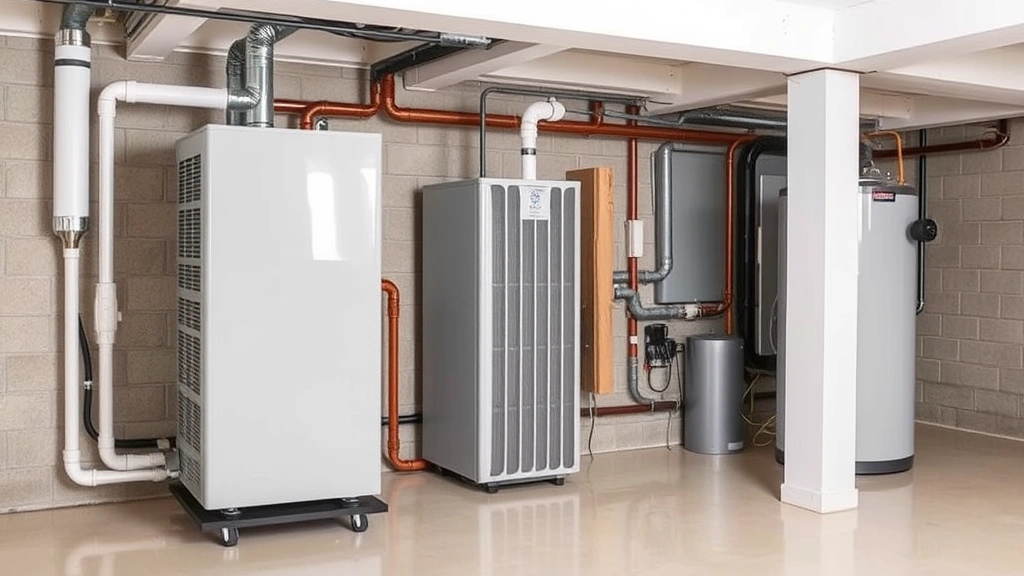
Evaluating a 50-gallon gas hot water heater’s environmental performance requires comparing it to viable alternatives:
Electric Resistance Water Heaters: Standard electric models have similar EF ratings (0.90-0.95) but can be powered by renewable electricity. In regions with clean grids, electric heaters produce 50-70% fewer emissions than gas models. However, in coal-dependent regions, the advantage diminishes. The environmental calculation depends entirely on your local electricity sources.
Heat Pump Water Heaters: These ENERGY STAR certified systems achieve EF ratings of 2.0-3.5 by extracting heat from surrounding air rather than generating it. They use 50-70% less energy than gas heaters, producing proportionally fewer emissions. A heat pump water heater represents the most eco-friendly tank-based option currently available, though higher upfront costs ($1,200-$2,500) deter many homeowners.
Tankless Gas Water Heaters: These eliminate standby losses by heating water on-demand, improving efficiency to 0.80-0.85 EF. They reduce energy consumption by 24-34% compared to tank models while maintaining natural gas dependence. They’re environmentally superior to traditional tanks but not as clean as electric or heat pump alternatives.
Solar Water Heating: Systems using rooftop collectors can provide 50-80% of annual hot water needs depending on climate and sun exposure. When combined with a gas or electric backup, solar systems dramatically reduce fossil fuel consumption. This represents perhaps the most sustainable option for suitable homes, though installation costs ($2,500-$5,000) and regional applicability limit widespread adoption.
Exploring green technology innovations transforming our future reveals that the water heating landscape is evolving rapidly. Newer technologies offer substantially lower environmental impacts than conventional gas systems.
Efficiency Ratings and Standards
Understanding efficiency metrics helps evaluate a 50-gallon gas hot water heater’s true environmental footprint. The Energy Factor (EF) rating measures efficiency by calculating the ratio of useful energy output to energy input. Higher EF ratings indicate less wasted energy and lower emissions.
Current federal standards require gas water heaters to meet minimum efficiency thresholds established by the Department of Energy. For a 50-gallon tank, the minimum EF requirement is approximately 0.59. ENERGY STAR certified models exceed this by 10-15%, achieving 0.65-0.70 EF ratings. These improvements matter: upgrading from a standard to ENERGY STAR model reduces annual emissions by roughly 1,000-1,500 pounds of CO₂.
However, these incremental improvements highlight a fundamental truth: gas water heaters cannot achieve the efficiency levels of electric or heat pump systems. The thermodynamic limits of burning fossil fuels for heat mean that even the most efficient gas models waste 25-35% of input energy. This physical reality, rather than technological shortcomings, makes gas heating inherently less sustainable than electric alternatives.
When comparing efficiency ratings, also consider recovery rate—how quickly the heater can reheat water after use. A faster recovery rate allows smaller tanks to serve household needs, reducing standby losses. A 50-gallon tank with 45,000 BTU input can recover approximately 70-90 gallons per hour, sufficient for most households but not all.
Practical Upgrades and Improvements
If you currently own a 50-gallon gas water heater and cannot immediately replace it, several strategies minimize environmental impact:
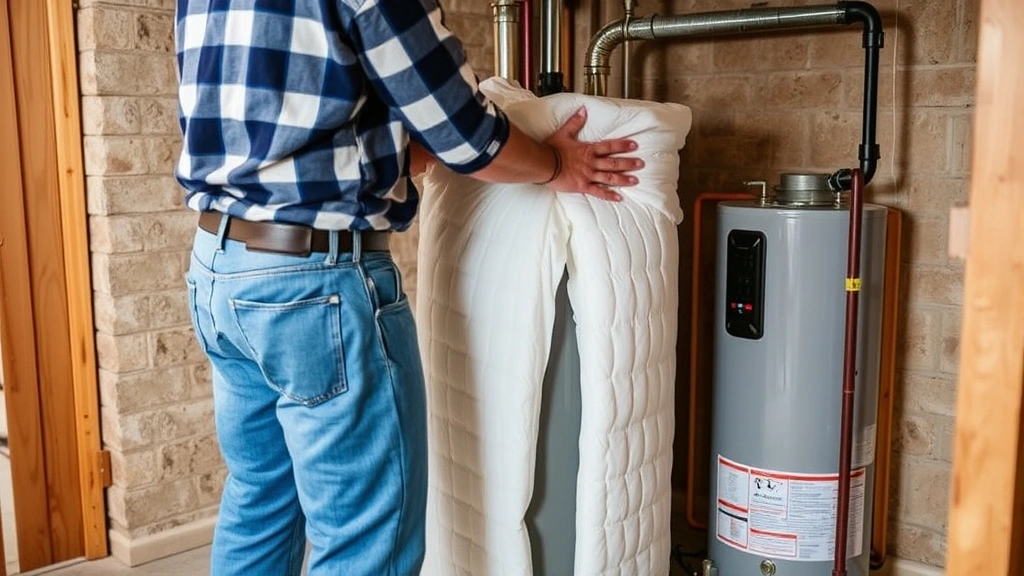
Insulation Enhancement: Adding foam insulation blankets (R-16 to R-24) around the tank reduces standby losses by 7-16%, lowering annual energy consumption by 4-9%. Cost is minimal ($30-$75), making this the highest return-on-investment efficiency upgrade. Insulating hot water pipes similarly reduces heat loss during distribution.
Temperature Adjustment: Reducing your water heater’s thermostat from 140°F to 120°F decreases energy consumption by 6-8% annually while maintaining adequate hot water for most household uses. This simple adjustment prevents scalding accidents and extends tank lifespan.
Maintenance Protocols: Annual flushing removes sediment buildup that reduces heating efficiency. Replacing anode rods extends tank life, preventing premature failure and the environmental costs of manufacturing replacement units. Regular maintenance improves efficiency by 3-5%.
Water Conservation: Installing low-flow showerheads and faucet aerators reduces hot water consumption by 20-40%. This represents perhaps the most impactful efficiency strategy, as using less hot water inherently produces fewer emissions regardless of heater type. Practical tips for greener living emphasize that conservation often outweighs efficiency improvements.
Demand-Controlled Recirculation: Installing a recirculation pump with a timer or sensor reduces wait time for hot water, preventing water waste from running taps. While adding slight energy consumption, the water savings typically justify the investment.
” alt=”Solar water heating panels installed on residential roof in bright sunlight with blue sky, showing sustainable water heating infrastructure”/>
Cost-Benefit Analysis
Evaluating whether to maintain, upgrade, or replace a 50-gallon gas water heater requires weighing environmental impact against economic reality. The average household spends $400-$600 annually on water heating with a gas heater, representing 15-25% of total energy bills.
Replacing a functioning gas heater with an ENERGY STAR model costs $800-$1,200 installed and reduces energy consumption by 10-15%. At average energy prices, annual savings are $40-$90, meaning payback requires 9-30 years—often exceeding the heater’s remaining lifespan. From a pure financial perspective, this upgrade makes limited sense unless your current heater is aging.
However, upgrading to a heat pump water heater ($1,500-$2,500 installed) reduces energy consumption by 50-70%, generating annual savings of $200-$350. Payback occurs in 4-12 years, and the heater’s 13-15 year lifespan means several years of net savings. This investment becomes even more attractive with available rebates—many utilities and state programs offer $300-$800 rebates for heat pump installation.
Switching to a tankless gas model ($1,200-$2,000 installed) provides 24-34% energy savings ($100-$200 annually) with 8-15 year payback. This option offers moderate environmental improvement with better economics than ENERGY STAR tank upgrades but trails heat pump performance.
The most economical environmental strategy depends on your heater’s age. If your current unit is functioning well, improving efficiency through insulation, temperature adjustment, and conservation behaviors provides immediate emissions reductions at minimal cost. If replacement is necessary, heat pump water heaters offer the best environmental performance despite higher upfront costs. The advantages of electric vehicles illustrate a parallel principle: while EVs cost more initially, their superior environmental performance and lower operating costs justify investment.
” alt=”Technician installing insulation blanket on residential water heater tank, showing energy efficiency upgrade work in utility room”/>
For homeowners committed to genuine sustainability, the long-term strategy should involve transitioning away from fossil fuel water heating. Installing a heat pump water heater when replacement becomes necessary represents a meaningful environmental commitment. Combining this with solar panels for primary heating (where feasible) and electric space heating creates a fully decarbonized home.
Understanding the latest sustainability insights demonstrates that incremental improvements to gas systems cannot achieve climate goals. Complete transitions to renewable and electric technologies remain necessary for genuine environmental responsibility.
FAQ
Are 50-gallon gas water heaters bad for the environment?
Traditional 50-gallon gas water heaters produce 2-3 metric tons of carbon dioxide annually per household, making them significant contributors to residential greenhouse gas emissions. While not inherently terrible, they represent outdated technology with substantially higher environmental impact than modern alternatives like heat pump or solar systems. Upgrading to cleaner technologies should be a priority for environmentally conscious homeowners.
What’s the most eco-friendly water heater option?
Solar water heating systems combined with electric or heat pump backup represent the most sustainable option, reducing fossil fuel consumption by 50-80%. Where solar isn’t feasible, heat pump water heaters achieve 50-70% lower emissions than gas heaters while using 70% less energy. Tankless gas systems offer moderate improvement over traditional tanks but maintain fossil fuel dependence.
How much can I reduce emissions by upgrading my water heater?
Upgrading from a standard gas heater to ENERGY STAR certified gas reduces emissions by 10-15% (roughly 300-500 pounds CO₂ annually). Switching to an electric heat pump reduces emissions by 50-70% depending on your electricity grid composition. Solar water heating can reduce emissions by 60-80% when combined with minimal backup heating.
Is a tankless gas water heater more environmentally friendly?
Tankless gas heaters improve efficiency by 24-34% compared to traditional tanks, reducing emissions proportionally. However, they still depend on natural gas combustion, making them less environmentally friendly than electric or heat pump alternatives. They represent a compromise between environmental impact and cost, useful for those unable to switch to electric systems immediately.
What rebates are available for upgrading to efficient water heaters?
Many utilities, state programs, and the federal government offer rebates for upgrading to ENERGY STAR or heat pump water heaters. Rebates typically range from $300-$800 for heat pump systems and $100-$300 for ENERGY STAR gas models. Check your local utility’s website and the Department of Energy website for current programs.
Can I reduce water heating emissions without replacing my heater?
Yes. Insulating your tank and pipes, reducing temperature to 120°F, installing low-flow fixtures, and regular maintenance can reduce emissions by 15-25% without replacement. Conservation behaviors—shorter showers, fixing leaks, running full dishwasher loads—provide additional emissions reductions. These improvements cost little but require behavioral changes.


