Is Gas Cooking Sustainable? Chef Insights on Environmental Impact
The kitchen is often considered the heart of the home, but it’s also one of the most energy-intensive spaces in any household. When chefs and home cooks debate cooking methods, sustainability rarely tops the conversation—yet it should. Gas cooking has dominated professional and residential kitchens for decades, praised for its precise temperature control and immediate heat response. However, as environmental concerns intensify and climate science evolves, the question of whether gas cooking truly aligns with sustainable living practices demands serious examination.
This comprehensive guide explores the environmental implications of gas cooking, compares it with alternative cooking methods, and provides actionable insights from culinary professionals who are rethinking their approach to kitchen sustainability. Whether you’re renovating your kitchen or simply curious about your cooking choices, understanding the sustainability equation around gas ranges will help you make informed decisions that benefit both your family and the planet.
Environmental Impact of Gas Cooking
Gas cooking represents a complex sustainability challenge. On the surface, natural gas appears cleaner than coal or oil-based energy sources. However, the complete lifecycle analysis reveals significant environmental concerns that conscientious cooks should understand. The extraction, processing, distribution, and combustion of natural gas all contribute to its overall environmental footprint.
When you choose a best gas range for your kitchen, you’re making a decision with far-reaching implications. Modern gas ranges are more efficient than their predecessors, but they still rely on fossil fuels extracted through environmentally disruptive methods. Hydraulic fracturing, commonly known as fracking, has enabled increased natural gas production but raises concerns about groundwater contamination, methane leakage, and landscape disruption.
The cooking industry itself accounts for approximately 6% of residential energy consumption in the United States. Within that segment, gas cooking contributes significantly to both direct emissions and indoor pollution. Understanding these impacts helps frame why sustainability-minded individuals are increasingly questioning whether traditional gas cooking aligns with their environmental values and broader commitment to reducing their environmental footprint.
Professional chefs who have transitioned their kitchens report that the shift away from gas wasn’t about losing cooking quality—it was about aligning their culinary practices with their environmental ethics. Many have discovered that modern induction cooktops and electric ranges deliver comparable performance while dramatically reducing their carbon output.
Methane Emissions and Climate Change
The most pressing environmental concern with gas cooking centers on methane emissions. Natural gas is primarily methane, a greenhouse gas approximately 28-36 times more potent than carbon dioxide over a 100-year period. Even small leaks throughout the supply chain—from extraction wells to distribution pipes to your kitchen stove—contribute meaningfully to atmospheric methane concentrations.
Research from the EPA on greenhouse gas emissions demonstrates that methane’s warming potential is particularly concerning because it persists in the atmosphere for shorter periods than CO2, meaning immediate reductions could yield rapid climate benefits. Your gas range itself doesn’t leak methane, but every cubic foot of natural gas it consumes supports an industry with significant fugitive emissions.
When gas burns in your stove, it produces carbon dioxide and water vapor. Incomplete combustion can create carbon monoxide and nitrogen oxides. These byproducts accumulate in your kitchen and home, particularly in poorly ventilated spaces. The climate impact extends beyond your immediate cooking—it encompasses the entire supply chain of fossil fuel extraction and distribution that sustains the gas cooking industry.
Chefs working toward sustainability recognize that choosing alternative cooking methods directly reduces demand for natural gas, thereby decreasing pressure for continued extraction and the associated environmental damage. This understanding has motivated several prominent culinary establishments to eliminate gas cooking entirely from their operations, demonstrating that professional-quality results are achievable without fossil fuels.
Indoor Air Quality Concerns
Beyond climate considerations, gas cooking creates indoor air quality challenges that affect household health. When natural gas burns, it releases nitrogen dioxide, formaldehyde, and carbon monoxide into your kitchen environment. Studies indicate that homes using gas stoves for cooking have nitrogen dioxide levels 50% higher than homes using electric ranges, even when accounting for outdoor air quality.
These pollutants are particularly concerning for children, elderly individuals, and people with respiratory conditions. The American Academy of Pediatrics has expressed concerns about gas stove emissions and their potential impact on childhood asthma. Poor indoor air quality isn’t merely an environmental issue—it’s a direct health concern for everyone in your household.
Proper ventilation can mitigate some of these issues, but many homes lack adequate exhaust systems. Even with ventilation, some pollutants escape into living spaces. This indoor air quality dimension adds another layer to sustainability considerations, as true sustainability encompasses human health alongside environmental protection.
Professional kitchens with gas cooking typically feature industrial-grade ventilation systems that residential kitchens cannot match. This disparity highlights why transitioning to electric or induction cooking represents a particularly significant improvement for home-based cooks and their families.
Energy Efficiency Comparison
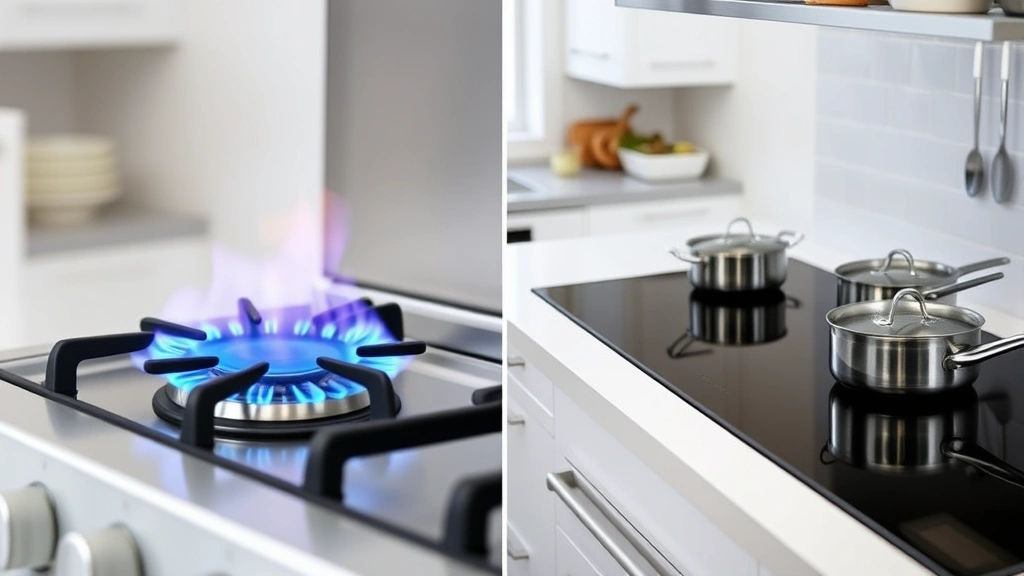
When evaluating sustainability, energy efficiency provides a crucial metric. Gas ranges typically convert 70-75% of energy into cooking heat, with the remainder escaping through ventilation. Induction cooktops, by contrast, achieve 80-90% efficiency by transferring electromagnetic energy directly into cookware, minimizing heat loss.
The broader energy source matters considerably. If your electricity comes from renewable energy solutions, electric cooking becomes dramatically more sustainable than gas. Even when accounting for current grid electricity that includes fossil fuels, the superior efficiency of induction cooking typically results in lower overall carbon emissions compared to gas cooking.
Lifecycle assessments comparing cooking methods reveal that the manufacturing impact of induction cooktops is offset within 1-3 years of typical household use. After that point, the environmental advantage of electric cooking compounds year after year. Over the 15-20 year lifespan of a cooktop, the cumulative environmental benefit of choosing electric or induction becomes substantial.
For those unable to switch immediately, understanding efficiency helps optimize gas cooking practices. Using appropriate pan sizes, keeping burners clean, and covering pots reduces cooking time and energy consumption. These interim measures provide environmental benefits while planning longer-term transitions.
Best Gas Range Options for Eco-Conscious Cooks
If you must choose a gas range, selecting the most efficient model available represents an important sustainability decision. Modern best gas range options incorporate several features that reduce environmental impact compared to older models. Look for ranges with electronic ignition systems rather than pilot lights, as pilot lights burn continuously and waste considerable energy.
Premium gas ranges from manufacturers like Miele, Thermador, and Viking incorporate advanced burner designs that distribute heat more efficiently and feature sealed burners that prevent gas leakage. While these ranges carry higher price tags, their improved efficiency provides modest environmental benefits and can reduce your gas bills over time.
When shopping for gas ranges, prioritize models with the ENERGY STAR certification, which indicates the appliance meets strict efficiency standards. These ranges consume 15-30% less energy than standard models. Some manufacturers now produce hybrid ranges that combine gas cooktops with electric ovens, offering a compromise that captures some efficiency benefits of electric cooking while preserving the precise heat control many chefs prefer for stovetop cooking.
Professional chefs who continue using gas often advocate for high-quality, well-maintained equipment as a sustainability principle. A durable range that performs excellently for 20 years creates less overall environmental impact than replacing an inferior model every 10 years. Investing in quality when you must use gas represents an ethical approach to unavoidable environmental impact.
Sustainable Cooking Alternatives
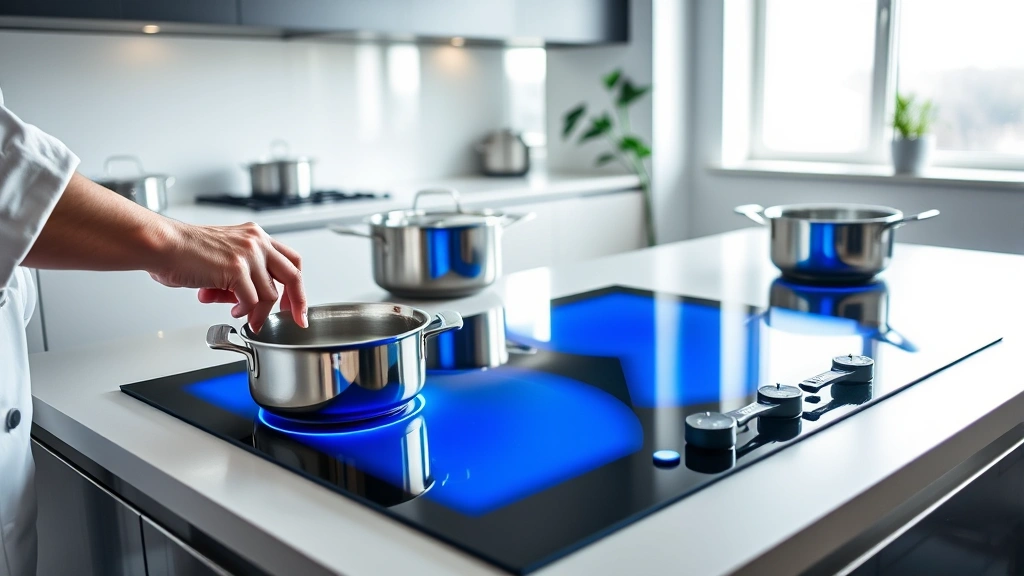
For cooks prioritizing sustainability, several alternatives to gas cooking deserve serious consideration. Induction cooktops have revolutionized electric cooking, delivering responsive heat control comparable to gas while maintaining superior energy efficiency. The learning curve is minimal—most cooks adapt within weeks—and the performance advantages quickly become apparent.
Induction cooking works by generating electromagnetic fields that heat cookware directly, leaving the cooktop surface cool. This safety advantage proves particularly valuable in households with children. The precision of heat control rivals gas burners, making induction excellent for delicate sauces, candy making, and any cooking requiring exact temperature management.
Convection ovens with electric heating elements provide baking and roasting capabilities that match or exceed gas ovens. Many professional bakers prefer electric convection ovens for their consistent temperature distribution and superior humidity control. The combination of an induction cooktop with an electric convection oven creates a cooking system that performs at the highest levels while eliminating fossil fuel dependency.
For those interested in exploring additional sustainability dimensions, reviewing green technology innovations reveals emerging cooking technologies that further reduce environmental impact. Some chefs experiment with solar cooking for specific applications, while others incorporate high-efficiency pressure cookers and slow cookers that reduce overall cooking energy consumption.
Renewable energy integration amplifies the sustainability benefits of electric cooking. Homes equipped with rooftop solar panels can power their induction cooktops with clean energy, achieving truly sustainable cooking practices. Even without solar, electric cooking powered by increasingly clean grid electricity represents a dramatic improvement over gas cooking.
Chef Recommendations for Green Kitchens
Leading chefs who have transitioned to sustainable cooking practices offer valuable insights. Executive Chef Marcus Samuelsson, known for his environmental advocacy, emphasizes that cooking method matters less than the overall consciousness brought to the kitchen. Choosing local, seasonal ingredients and minimizing food waste often provides greater environmental benefits than switching appliances.
However, when addressing the cooking infrastructure itself, chefs increasingly recommend prioritizing electric and induction options. Chef Dan Barber, renowned for his farm-to-table philosophy, has designed his restaurant kitchens with electric cooking to align all operations with sustainability principles. He reports that professional-quality results remain entirely achievable while reducing the kitchen’s carbon footprint by approximately 40%.
The transition requires practical considerations. Existing cookware must be compatible with induction (ferromagnetic metals work best), which may necessitate some replacement. However, the investment in quality induction-compatible cookware often costs less than upgrading to a premium gas range while delivering superior long-term sustainability.
Chefs emphasize that cooking skill and technique matter far more than the heat source. The fundamentals of building flavor, managing heat, and creating texture transcend the gas versus electric debate. Professional chefs who have made the switch report that their cooking actually improved as they learned the distinct advantages of induction cooking and optimized their techniques accordingly.
For home cooks, the practical recommendation is straightforward: when replacing your range, choose induction or electric rather than gas. If renovation isn’t immediately possible, use your current gas range as efficiently as possible while planning toward an electric future. Support sustainable energy solutions in your community to accelerate the transition toward cleaner electricity grids that make electric cooking increasingly environmentally advantageous.
Consider your cooking style and priorities. If you love high-heat stir-frying and searing, induction excels. For baking and precise oven work, electric convection ovens deliver exceptional results. Most modern kitchens benefit from a combination approach—perhaps induction cooktops paired with an electric convection oven—that captures the strengths of each technology.
FAQ
Is gas cooking really unsustainable compared to electric?
Gas cooking relies on fossil fuels and contributes to methane emissions and climate change. Electric and induction cooking, particularly when powered by renewable energy, represent substantially more sustainable options. However, the relative sustainability depends on your local electricity grid composition. In regions with clean energy sources, electric cooking is clearly superior. Even in areas with fossil fuel-heavy grids, induction cooking’s superior efficiency typically results in lower overall emissions than gas cooking.
Can I achieve professional cooking results with induction?
Yes, absolutely. Professional chefs worldwide use induction cooktops and achieve exceptional results. Induction offers precise temperature control comparable to gas, with the added advantage of instant heat adjustment and superior safety. The learning curve is minimal, and most cooks master induction cooking within a few weeks of regular use.
What cookware works with induction cooking?
Ferromagnetic cookware—stainless steel and cast iron—works best with induction. Copper and aluminum cookware won’t work unless they have a magnetic base. Many people already own compatible cookware, but some may need to invest in new pots and pans. This transition cost is typically lower than upgrading to a premium gas range.
Does ventilation reduce the environmental impact of gas cooking?
Ventilation addresses indoor air quality concerns by removing combustion byproducts from your living space, but it doesn’t eliminate the climate impact of burning natural gas or the upstream environmental damage from gas extraction and distribution. Proper ventilation remains important for health, but it doesn’t make gas cooking sustainable from a climate perspective.
How do hybrid gas-electric ranges compare in sustainability?
Hybrid ranges that combine gas cooktops with electric ovens offer a middle ground. They reduce overall energy consumption compared to all-gas ranges and provide the convenience of gas cooking while capturing some efficiency benefits of electric ovens. However, they still rely on natural gas and don’t match the sustainability profile of fully electric or induction systems.
What’s the environmental cost of replacing a perfectly functional gas range?
This question highlights an important sustainability principle: sometimes the most sustainable choice is using what you already have. If your gas range functions well, the manufacturing impact of a new appliance may outweigh near-term climate benefits. Plan your transition strategically, replacing your range when it reaches end-of-life rather than prematurely. In the meantime, optimize your current gas cooking efficiency.


