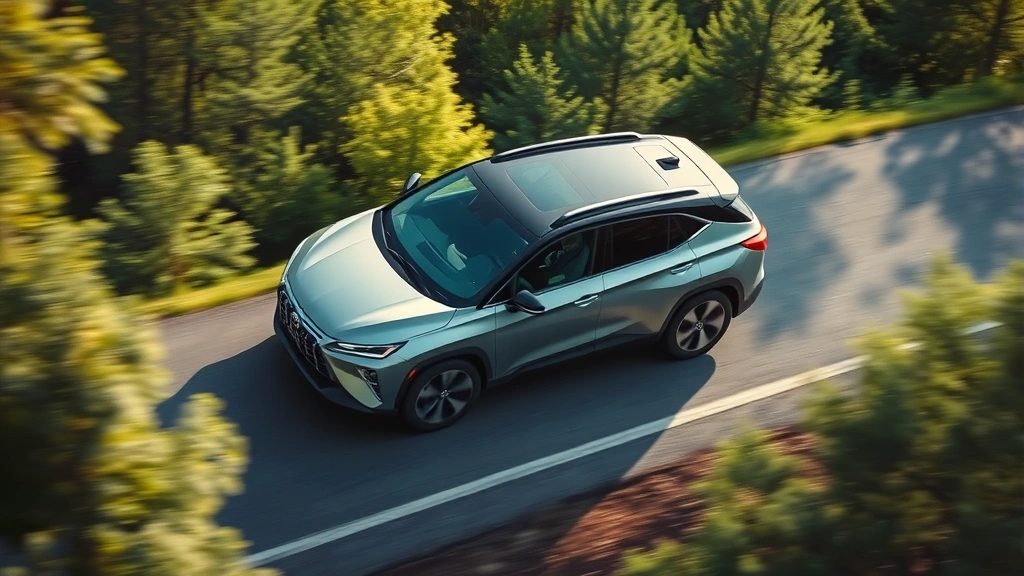
Best Gas Saving SUV: Expert Picks & Insights
Finding the right SUV that doesn’t drain your wallet at the pump is increasingly important for environmentally conscious drivers. Modern fuel-efficient SUVs combine the spaciousness and versatility you need with advanced engine technology that significantly reduces consumption. Whether you’re commuting daily or planning weekend adventures, a best gas saving SUV offers the perfect balance between performance, comfort, and sustainability.
The automotive industry has revolutionized how SUVs consume fuel. Today’s models feature lightweight materials, aerodynamic designs, and intelligent hybrid systems that would have seemed impossible a decade ago. By exploring sustainable energy solutions in vehicle design, manufacturers have created options that appeal to both budget-conscious and eco-minded drivers. This comprehensive guide walks you through expert recommendations, detailed comparisons, and actionable insights to help you select the ideal fuel-efficient SUV for your lifestyle.
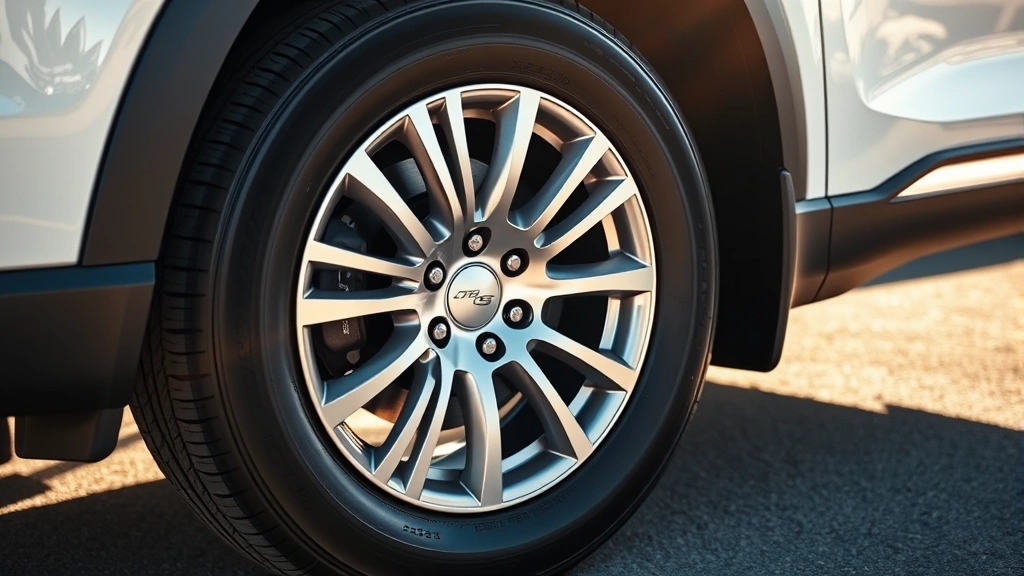
Top Fuel-Efficient SUV Models for 2024
The 2024 automotive lineup offers exceptional fuel-efficient SUV options that cater to different needs and budgets. Leading manufacturers have invested heavily in developing vehicles that deliver impressive miles-per-gallon ratings without compromising on space or capability.
Toyota RAV4 Hybrid stands as an industry benchmark, consistently achieving 40+ MPG combined ratings. Its proven reliability, comprehensive warranty coverage, and strong resale value make it a top choice for long-term owners. The RAV4 Hybrid’s dual-motor system seamlessly transitions between electric and gas power, optimizing efficiency during city driving and highway cruising alike.
Honda CR-V Hybrid delivers comparable efficiency with a slightly roomier interior. The CR-V Hybrid features Honda’s intelligent multi-mode drive system, which intelligently manages power distribution based on driving conditions. Owners consistently report satisfaction with its responsive handling and intuitive controls, making it an excellent choice for those seeking a how to reduce your environmental footprint while maintaining driving enjoyment.
Subaru Crosstrek appeals to adventure seekers without sacrificing efficiency. Achieving approximately 33 MPG combined, this compact SUV offers standard all-wheel drive and impressive ground clearance. Its lightweight construction and optimized engine design make it an excellent option for those seeking versatility paired with reasonable fuel consumption.
Jeep Wrangler 4xe represents the plug-in hybrid segment, offering electric-only driving capability for short trips combined with gasoline engine backup for longer journeys. This innovative approach appeals to environmentally conscious drivers who want adventure vehicle capabilities without excessive fuel consumption.
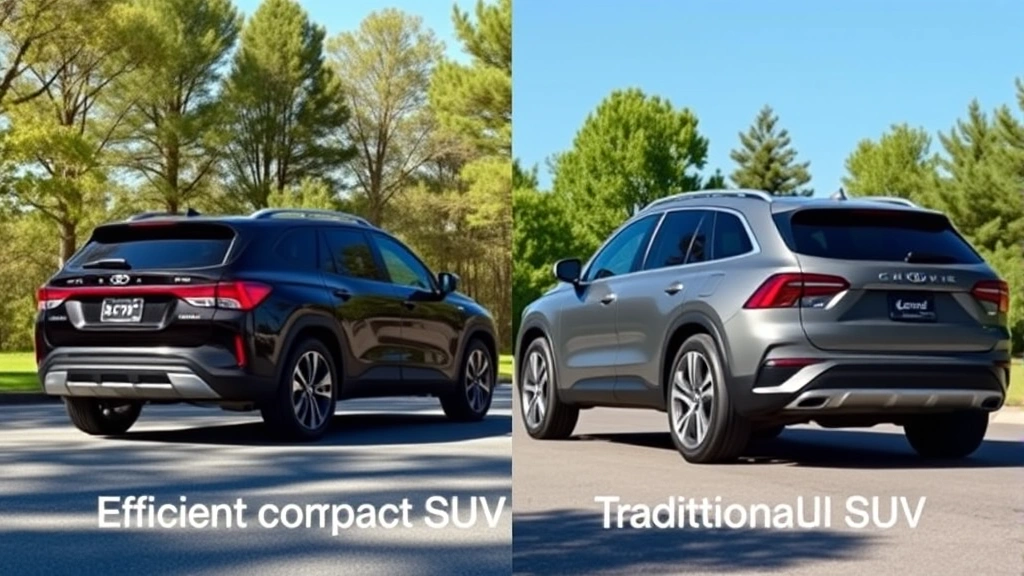
Hybrid vs. Traditional Gasoline SUVs
Understanding the differences between hybrid and conventional gasoline SUVs helps clarify which option best suits your driving patterns and environmental priorities. Each technology presents distinct advantages and considerations that impact your overall ownership experience.
Hybrid SUVs integrate electric motors with traditional gasoline engines, creating a synergistic system that optimizes fuel consumption. During acceleration and highway driving, the gasoline engine handles primary power needs while the electric motor assists during low-speed city driving. Braking energy gets captured and stored in rechargeable batteries, effectively recycling energy that conventional vehicles waste as heat. This advantages of electric vehicles technology translates to 30-50% better fuel efficiency compared to traditional gasoline counterparts.
Hybrid systems excel in stop-and-go traffic where their electric motors shine. City drivers often experience the most dramatic fuel savings, sometimes exceeding manufacturer estimates. However, highway driving efficiency advantages diminish somewhat since electric motors provide minimal benefit during sustained high-speed cruising. Battery maintenance and potential future replacement represent additional considerations, though modern hybrid batteries typically last 150,000-200,000 miles.
Traditional gasoline SUVs offer simpler mechanics, lower purchase prices, and established service networks. Modern gasoline engines have become remarkably efficient through turbocharging, direct injection, and cylinder deactivation technologies. These vehicles appeal to drivers with longer highway commutes where hybrid advantages become less pronounced. Gasoline SUVs typically cost $3,000-$8,000 less than comparable hybrid models, making them attractive for budget-conscious buyers.
The decision ultimately depends on your driving profile. Urban commuters with frequent stops benefit most from hybrid technology, potentially recovering the higher purchase price through fuel savings within 5-7 years. Highway drivers might find traditional gasoline models more economical, particularly if fuel prices remain moderate.
Consider also green technology innovations transforming our future when evaluating long-term vehicle choices. The automotive industry continues advancing both technologies simultaneously, ensuring competitive efficiency improvements across both categories.
Key Features That Maximize Fuel Efficiency
Modern SUVs incorporate numerous technological and design features specifically engineered to reduce fuel consumption and emissions. Understanding these elements helps you evaluate different models and make informed purchasing decisions.
Advanced Aerodynamics play a surprisingly significant role in fuel efficiency. Manufacturers now optimize body shapes, reduce drag coefficients, and integrate active aerodynamic elements that adjust based on driving conditions. Underbody panels smooth airflow, while sophisticated testing ensures every curve contributes to reduced wind resistance. Lower drag coefficients directly translate to reduced engine strain at highway speeds.
Lightweight Materials have revolutionized SUV construction. Aluminum body panels, carbon-fiber reinforced plastics, and high-strength steel replace heavier traditional materials. Reducing vehicle weight by just 10% improves fuel economy by approximately 6-8%. Modern manufacturing techniques allow manufacturers to maintain structural integrity while achieving significant weight savings.
Engine Efficiency Technologies include direct fuel injection, variable valve timing, and turbocharging. These systems optimize combustion efficiency, reduce fuel waste, and enhance power output from smaller displacement engines. Cylinder deactivation systems shut down unused cylinders during light-load driving, further conserving fuel on highway cruises.
Transmission Innovations contribute substantially to efficiency improvements. Eight, nine, and ten-speed automatic transmissions keep engines operating in optimal RPM ranges across various speeds. Continuously variable transmissions (CVTs) provide smooth power delivery while maintaining peak efficiency throughout acceleration profiles.
Tire Technology influences fuel consumption more than many drivers realize. Low-rolling-resistance tires reduce friction between tire and road surface, decreasing engine workload. Proper tire pressure maintenance becomes even more critical, as underinflated tires significantly increase consumption. Monitoring systems alert drivers to pressure deviations, helping maintain optimal efficiency.
Start-Stop Technology automatically shuts off engines at traffic lights and during brief stops, restarting instantly when drivers release brakes. This seemingly simple feature prevents wasteful idling during city driving, contributing measurable fuel savings in urban environments. Modern systems operate so smoothly that many drivers forget they’re active.
Real-World MPG Performance Analysis
Understanding the difference between EPA estimates and actual real-world fuel consumption helps set realistic expectations for your vehicle purchase. Laboratory testing provides standardized comparisons, but actual results vary based on driving habits, conditions, and maintenance.
EPA testing includes both city and highway driving cycles, providing combined ratings that represent average conditions. However, real-world factors introduce variables that laboratory tests cannot fully simulate. Aggressive acceleration, excessive idling, and highway speeds above 65 mph consistently reduce efficiency below EPA estimates. Conversely, careful driving, proper maintenance, and favorable conditions can sometimes match or exceed laboratory figures.
City Driving typically sees the largest variance from EPA estimates. Stop-and-go traffic, frequent acceleration, and variable speeds challenge any vehicle’s efficiency. Hybrid SUVs demonstrate their greatest advantage here, often achieving city ratings that approach or match EPA combined figures. Aggressive drivers might see 15-20% lower efficiency than EPA estimates, while careful drivers achieve superior results.
Highway Driving produces more consistent results closer to EPA estimates. Maintaining steady speeds and smooth acceleration allows engines to operate in peak efficiency zones. Interestingly, highway efficiency can improve at moderate speeds (55-65 mph) but deteriorates significantly above 70 mph due to exponentially increasing aerodynamic drag. Each 5 mph increase above 60 mph reduces efficiency by approximately 7-10%.
Seasonal Variations impact fuel consumption significantly. Winter driving requires more energy for heating, battery operation becomes less efficient in cold temperatures, and gasoline itself contains different blends during winter months. Expect 10-15% efficiency reductions during cold-weather months. Summer driving generally produces optimal efficiency, particularly in mild climates where heating and cooling demands remain minimal.
Maintenance Impact cannot be overstated. Dirty air filters, misaligned wheels, incorrect tire pressure, and degraded spark plugs all reduce efficiency noticeably. Regular maintenance following manufacturer recommendations maintains efficiency throughout the vehicle’s life. Neglected vehicles often see 10-25% efficiency degradation compared to properly maintained counterparts.
Cost Savings Over Vehicle Lifetime
Evaluating total cost of ownership extends far beyond the purchase price, incorporating fuel expenses, maintenance costs, insurance, and depreciation across the vehicle’s lifetime. Comprehensive analysis reveals why fuel-efficient SUVs often represent superior long-term investments despite higher initial prices.
Fuel Cost Calculations demonstrate substantial savings potential. Consider a comparison between a hybrid SUV averaging 40 MPG and a traditional gasoline model achieving 25 MPG. Driving 15,000 miles annually at $3.50 per gallon:
- Hybrid annual fuel cost: approximately $1,312
- Traditional gasoline annual fuel cost: approximately $2,100
- Annual savings: approximately $788
- Five-year savings: approximately $3,940
- Ten-year savings: approximately $7,880
These calculations assume consistent fuel prices and driving patterns. Actual savings fluctuate based on regional fuel costs, which vary from $2.50 to $4.50+ per gallon depending on location and market conditions. Higher fuel costs increase hybrid advantages, while lower prices narrow the gap.
Maintenance Cost Differences often favor hybrid vehicles. While hybrid systems add complexity, reduced engine wear from hybrid operation means extended intervals between major services. Regenerative braking systems mean brake pads last significantly longer than in conventional vehicles. Battery maintenance represents the primary concern, though modern batteries rarely require service during typical vehicle ownership periods.
Depreciation Patterns increasingly favor fuel-efficient models as fuel prices remain elevated and environmental consciousness grows. Hybrid SUVs typically command higher resale values than comparable gasoline models, recovering 50-60% of original purchase price after five years compared to 45-50% for conventional vehicles. This improved residual value substantially reduces net ownership costs.
Tax Incentives and Rebates vary by location and year but can offset purchase price premiums significantly. Federal tax credits, state rebates, and utility company incentives sometimes total $3,000-$7,500 for qualifying vehicles. Researching available incentives in your area before purchasing can dramatically improve the financial equation.
Understanding definition of sustainability includes recognizing that lower operating costs support long-term environmental benefits by reducing overall consumption and waste.
Environmental Impact of Fuel-Efficient SUVs
Beyond personal financial benefits, fuel-efficient SUVs contribute meaningfully to environmental conservation and climate change mitigation. Lower fuel consumption directly translates to reduced greenhouse gas emissions and decreased dependence on fossil fuels.
Carbon Emissions Reduction represents the most significant environmental benefit. Gasoline combustion produces approximately 19.6 pounds of carbon dioxide per gallon burned. A driver switching from a 25 MPG SUV to a 40 MPG hybrid eliminates approximately 2.9 tons of CO2 emissions annually, equivalent to planting approximately 47 trees yearly. Over a vehicle’s 200,000-mile lifetime, this difference reaches approximately 23 tons of CO2—equivalent to carbon sequestration by approximately 375 trees.
Air Quality Improvements benefit local communities through reduced emissions of nitrogen oxides, particulate matter, and volatile organic compounds. These pollutants contribute to respiratory diseases, cardiovascular problems, and premature mortality. Widespread adoption of fuel-efficient vehicles measurably improves air quality in urban areas where vehicle emissions concentrate.
Resource Conservation extends beyond fuel reduction. Manufacturing fuel-efficient vehicles requires less material and energy than producing less efficient models. Lightweight construction reduces resource extraction, while efficient production processes minimize waste. These upstream environmental benefits compound the operational advantages.
Water Conservation occurs through reduced oil extraction and refining requirements. Petroleum extraction and processing consume enormous quantities of fresh water. Reducing fuel consumption proportionally decreases water consumption throughout the supply chain—an often-overlooked environmental benefit.
The SustainWise Hub Blog regularly explores how transportation choices impact broader environmental sustainability goals. Individual vehicle decisions collectively shape transportation’s environmental footprint across entire regions and nations.
Maintenance Tips for Optimal Efficiency
Maintaining your fuel-efficient SUV at peak performance requires attention to specific maintenance tasks that directly impact fuel consumption. Proactive care preserves efficiency while preventing expensive repairs.
Tire Maintenance demands regular attention. Check tire pressure monthly, as underinflated tires increase rolling resistance by 10-15% per PSI below manufacturer recommendations. Rotate tires every 5,000-7,000 miles to ensure even wear and maintain low-rolling-resistance characteristics. Replace tires with equivalent low-rolling-resistance models when needed, as premium tire selections can improve efficiency by 3-5%.
Engine Air Filter Replacement ensures optimal air intake. Dirty filters restrict airflow, forcing engines to work harder and consume more fuel. Replace air filters according to manufacturer recommendations, typically every 15,000-30,000 miles depending on driving conditions. Drivers in dusty environments may need more frequent replacements.
Fuel System Cleaning maintains injector performance and combustion efficiency. Professional fuel system cleaning every 40,000-60,000 miles removes deposits that accumulate on fuel injectors and intake valves. Cleaner systems achieve better combustion and improved fuel economy. Quality fuel with detergent additives helps prevent deposit accumulation between professional services.
Battery Maintenance in hybrid vehicles ensures optimal electric motor performance. Keep battery terminals clean and corrosion-free. Modern hybrid batteries require minimal maintenance but benefit from regular system diagnostics. Avoid completely depleting batteries and minimize extreme temperature exposure when possible.
Alignment and Suspension significantly impact efficiency. Misaligned wheels increase rolling resistance and tire wear. Have alignment checked annually or whenever you notice uneven tire wear. Properly maintained suspension components reduce drag and improve handling efficiency.
Oil Changes using manufacturer-recommended viscosity grades preserve engine efficiency. Synthetic oils often provide better lubrication and temperature stability than conventional oils, contributing to improved efficiency. Follow recommended change intervals, typically 7,500-10,000 miles for modern vehicles.
Driving Habits represent the most controllable efficiency factor. Avoid aggressive acceleration, maintain steady speeds, anticipate stops to reduce braking, and minimize idling time. Removing unnecessary cargo and roof racks reduces weight and aerodynamic drag. These behavioral adjustments often yield 10-15% efficiency improvements without vehicle modifications.
Comparing Price Points and Value
Fuel-efficient SUVs span wide price ranges, from budget-friendly compact models to luxury vehicles with premium features. Understanding value across different price points helps align your budget with appropriate features and efficiency levels.
Budget-Friendly Options ($25,000-$35,000) include compact SUVs like the Subaru Crosstrek and Mazda CX-30. These vehicles offer solid efficiency (30-35 MPG combined) with practical features suitable for individuals and small families. Lower purchase prices mean faster breakeven on fuel savings despite slightly lower efficiency ratings. Resale values remain strong due to popularity and reliability.
Mid-Range Hybrids ($32,000-$42,000) encompass Toyota RAV4 Hybrid, Honda CR-V Hybrid, and similar models. These vehicles deliver 38-42 MPG combined efficiency with spacious interiors suitable for growing families. Higher purchase prices accelerate total cost of ownership comparisons, but superior efficiency and reliability justify premiums for many buyers.
Premium Models ($42,000-$55,000) offer luxury features, advanced technology, and premium materials alongside excellent efficiency. Vehicles like Lexus UX Hybrid and upscale hybrid variants provide high-end experiences with environmental responsibility. Premium pricing reflects enhanced comfort, technology, and brand prestige rather than significantly superior efficiency.
Luxury Performance ($55,000+) vehicles combine efficiency with performance capabilities. Range Rover Sport Hybrid and Porsche Cayenne Hybrid exemplify how high-end manufacturers integrate efficiency without sacrificing performance. These vehicles appeal to luxury buyers unwilling to compromise environmental responsibility.
Value Assessment requires evaluating features beyond efficiency ratings. Consider warranty coverage, reliability ratings, resale values, available technology, interior space, and driving dynamics. A $32,000 hybrid SUV might deliver superior value for budget-conscious buyers despite lower absolute efficiency than a $50,000 luxury model. Conversely, luxury buyers might find premium vehicles worth the investment despite lower efficiency improvements.
Research independent reviews from automotive publications, consumer reports, and owner forums. Real-world owner experiences often reveal insights that manufacturer specifications cannot capture. Reliability ratings strongly correlate with long-term ownership satisfaction and costs.
Consider also consulting fueleconomy.gov for standardized efficiency comparisons across all available models. This EPA resource provides consistent, independently verified data for informed comparisons.
FAQ
What MPG should I expect from a modern fuel-efficient SUV?
Modern fuel-efficient SUVs typically achieve 30-42 MPG combined depending on drivetrain type. Hybrid models generally deliver 38-42 MPG combined, while traditional gasoline SUVs range from 25-32 MPG combined. Actual results vary based on driving conditions, driving habits, and maintenance. Expect city driving to produce lower efficiency than highway driving, and winter months to reduce efficiency by 10-15% compared to summer driving.
Are hybrid SUVs worth the higher purchase price?
Hybrid SUVs typically cost $3,000-$8,000 more than comparable gasoline models but recover this premium through fuel savings within 5-7 years for average drivers. Additional benefits include improved resale values, reduced maintenance costs, and environmental impact reduction. Urban drivers with frequent stop-and-go driving benefit most from hybrid technology, while highway-focused drivers might find traditional gasoline models more economical despite lower efficiency ratings.
How long do hybrid SUV batteries last?
Modern hybrid SUV batteries typically last 150,000-200,000 miles, often exceeding typical vehicle ownership periods. Manufacturers provide 8-10 year warranties covering battery defects. Battery replacement costs range from $4,000-$8,000 when needed outside warranty periods, but most owners never experience battery failure during ownership. Proper maintenance and avoiding extreme temperature exposure maximize battery longevity.
Can I improve my SUV’s fuel efficiency through driving techniques?
Absolutely. Smooth acceleration, maintaining steady speeds, anticipating stops, and minimizing idling can improve efficiency by 10-15%. Removing unnecessary cargo and roof racks reduces weight and aerodynamic drag. Maintaining proper tire pressure, regular maintenance, and using manufacturer-recommended fuel grades all contribute to optimal efficiency. These behavioral and maintenance adjustments represent the most accessible efficiency improvements for any driver.
What environmental certifications indicate truly efficient SUVs?
Look for EPA SmartWay certification, which identifies vehicles meeting stringent environmental standards. CARB (California Air Resources Board) compliance indicates vehicles meeting California’s strict emissions standards, often adopted by other states. Hybrid Synergy Drive, i-VTEC, and similar manufacturer certifications indicate proprietary efficiency technologies. Additionally, research Green Car Bureau ratings for comprehensive environmental impact assessments beyond fuel efficiency alone.
Should I consider plug-in hybrid SUVs instead of traditional hybrids?
Plug-in hybrid SUVs like Jeep Wrangler 4xe offer electric-only driving capability for short trips combined with gasoline engine backup. These vehicles excel for drivers with short commutes who can charge regularly, potentially achieving 100+ MPG-equivalent efficiency. However, plug-in hybrids cost significantly more than traditional hybrids and require home charging infrastructure. Traditional hybrids provide better value for drivers without reliable charging access or those planning longer trips regularly.
What’s the best fuel-efficient SUV for families?
Toyota RAV4 Hybrid and Honda CR-V Hybrid represent excellent family choices, offering spacious interiors for growing families alongside 38-42 MPG combined efficiency. Both provide strong safety ratings, reliable warranty coverage, and excellent resale values. For budget-conscious families, Subaru Crosstrek offers solid efficiency and all-wheel drive capability at lower price points. For luxury-focused families, Lexus NX Hybrid combines premium features with exceptional efficiency and reliability.


