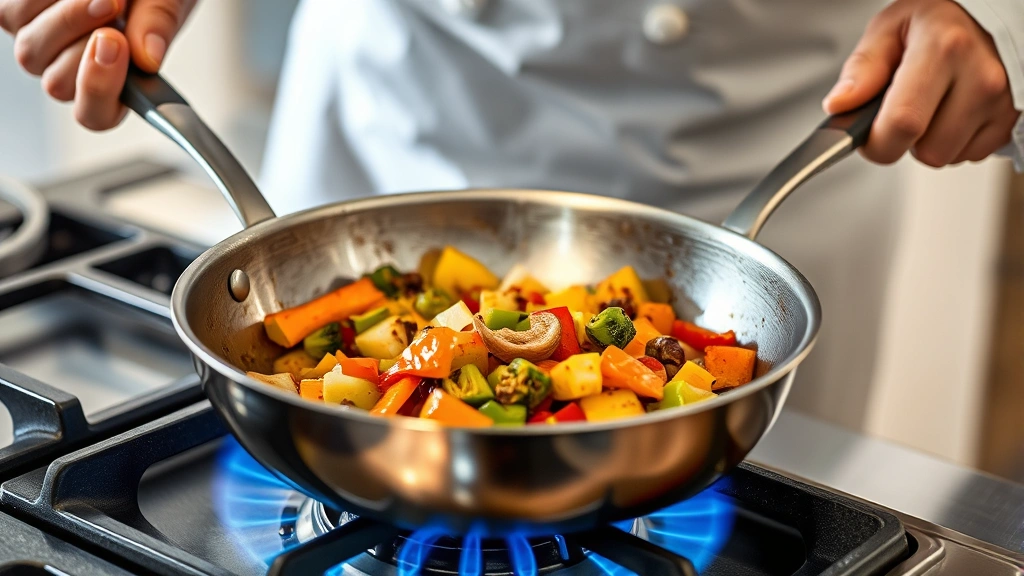
Gas Stove Cookware: Top Choices by Chefs
Gas stoves remain a favorite among professional and home chefs for their precise heat control and immediate responsiveness. However, selecting the right cookware dramatically impacts cooking performance, energy efficiency, and kitchen sustainability. The best pots and pans for gas stove cooking combine superior heat distribution, durability, and eco-friendly materials that align with modern environmental consciousness.
Whether you’re upgrading your kitchen or investing in sustainable cookware options, understanding the specific requirements of gas stove cooking helps you make informed decisions. This guide explores premium cookware selections, material considerations, and how your kitchen choices contribute to a more sustainable lifestyle.
Why Gas Stove Cookware Matters
Gas stoves deliver direct flame heat, creating unique cooking dynamics that require specific cookware characteristics. Unlike electric coil or induction surfaces, gas burners demand cookware with flat, stable bottoms and excellent heat conductivity. The right cookware ensures even cooking, prevents hot spots, and maximizes energy efficiency—reducing both your utility bills and environmental impact.
Professional chefs prefer gas stoves because they offer immediate temperature adjustments, making it easier to achieve precise cooking results. However, this advantage only manifests when paired with appropriate cookware. Subpar pots and pans waste heat energy, require longer cooking times, and ultimately increase your carbon footprint. Investing in quality cookware that reduces your environmental footprint represents a practical sustainability decision that benefits both your kitchen performance and the planet.
Cookware quality also affects food safety and nutritional value. Premium options minimize reactive materials that can leach into foods, particularly when cooking acidic ingredients like tomatoes or citrus. This consideration becomes increasingly important as health-conscious consumers recognize connections between kitchen choices and personal wellness.
Essential Cookware Types for Gas Cooking
Building a well-rounded gas stove cookware collection requires understanding which pieces serve specific culinary functions. Each type contributes uniquely to cooking versatility and efficiency.
Saucepans
High-quality saucepans with lids remain indispensable for gas cooking. Three to four-quart capacity handles most everyday cooking tasks, from boiling pasta to preparing sauces. Look for saucepans with thick bottoms and stainless steel construction that withstands direct flame without warping or discoloration.
Skillets and Frying Pans
Cast iron and stainless steel skillets excel on gas stoves, developing superior browning and searing capabilities. Eight to twelve-inch diameters provide flexibility for various cooking techniques. Seasoned cast iron develops non-toxic non-stick properties over time, eliminating needs for chemical coatings.
Stock Pots
Eight to twelve-quart stock pots facilitate large-batch cooking, soup preparation, and canning projects. Stainless steel construction prevents rust and maintains integrity during extended high-heat cooking sessions required for stock reduction.
Dutch Ovens
Enameled cast iron Dutch ovens transition seamlessly between stovetop and oven, enabling braising, stewing, and bread baking. Their superior heat retention reduces cooking times and energy consumption, making them particularly sustainable choices.
Material Comparison Guide
Cookware materials fundamentally determine performance characteristics, longevity, and environmental implications. Understanding material properties helps you select pieces aligned with both culinary needs and sustainability values.
Stainless Steel
Stainless steel represents the most versatile cookware material for gas cooking. It resists corrosion, withstands high temperatures, and develops excellent browning capabilities. Quality stainless steel cookware features aluminum or copper cores that enhance heat distribution. This material supports dishwasher cleaning and requires minimal maintenance, extending product lifespan and reducing replacement waste. SustainWise Hub Blog regularly explores how durable kitchen investments reduce household waste.
Cast Iron
Cast iron delivers unmatched heat retention and distribution, making it exceptional for gas stove cooking. This ancient material requires seasoning but develops superior non-stick properties naturally, eliminating needs for synthetic coatings. Properly maintained cast iron lasts generations, representing the ultimate sustainable cookware choice. The material’s thermal mass means it requires less active flame adjustment once heated, reducing energy consumption during cooking.
Copper
Copper cookware offers the fastest heat response, ideal for precise temperature control on gas stoves. However, pure copper reacts with acidic foods and requires regular polishing. Professional chefs often prefer copper-bottomed stainless steel combinations that balance responsiveness with practicality. Copper’s excellent conductivity means faster cooking times and reduced energy usage.
Hard-Anodized Aluminum
Hard-anodized aluminum combines lightweight construction with durability and non-reactivity. This material heats quickly, reducing cooking time and energy consumption. Quality hard-anodized cookware resists scratching and maintains its non-stick surface longer than traditional non-stick coatings, supporting sustainability through extended product lifespans.
Non-Stick Coatings
While convenient, traditional non-stick coatings raise environmental and health concerns. PFOA-based coatings persist in the environment and accumulate in human tissues. Modern ceramic and PTFE-free alternatives offer safer options, though durability remains shorter than bare metal cookware. Consider non-stick pieces as supplementary rather than primary cookware investments.
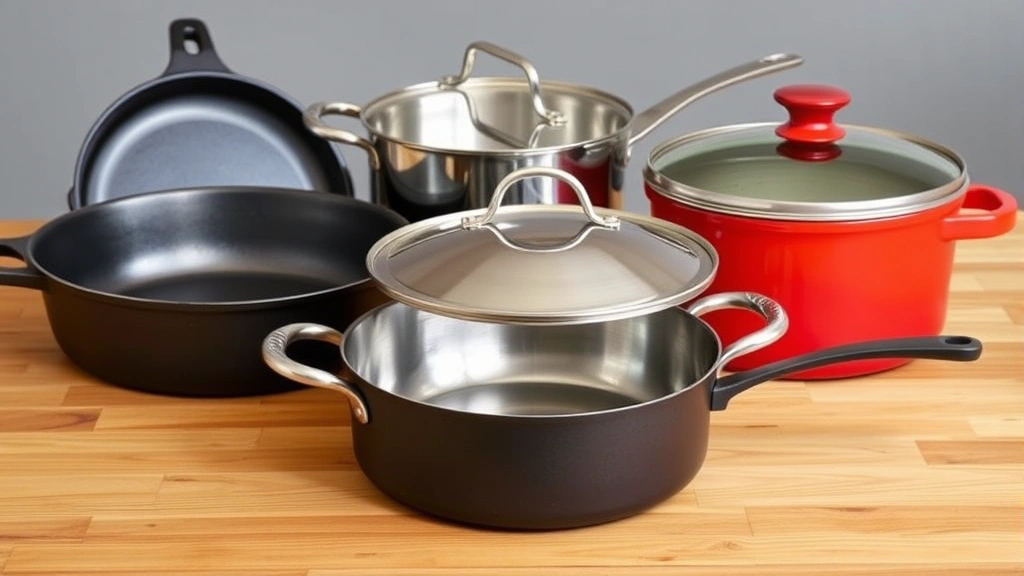
Top Chef-Recommended Brands
Professional chefs consistently recommend brands that balance performance, durability, and value. These options excel specifically on gas stoves:
- Le Creuset: Enameled cast iron Dutch ovens renowned for color retention, heat distribution, and lifetime durability. Premium pricing reflects exceptional craftsmanship and multi-generational longevity.
- All-Clad: American manufacturer producing professional-grade stainless steel cookware with bonded aluminum cores. Lifetime warranties demonstrate manufacturer confidence in product quality.
- Staub: Enameled cast iron specialist offering superior performance and design aesthetics. Dark enamel interior prevents staining and promotes even heat distribution.
- Mauviel: French copper cookware manufacturer favored by professional kitchens. Exceptional heat response and construction quality justify premium investment.
- Lodge: American cast iron producer offering affordable, high-quality options for budget-conscious home cooks. American manufacturing supports local economies and reduces shipping emissions.
- Demeyere: Belgian cookware featuring innovative heat distribution technology and exceptional durability for gas stove applications.
Sustainable Cookware Choices
Selecting sustainable cookware aligns personal kitchen practices with broader environmental commitments. Several strategies support this goal:
Prioritize Durability
Cookware longevity represents the most significant sustainability factor. Products lasting decades eliminate replacement waste and reduce manufacturing impacts. Sustainable energy solutions extend beyond fuel choices to encompass durable goods that minimize resource consumption.
Choose Recyclable Materials
Stainless steel and aluminum are infinitely recyclable, supporting circular economy principles. When cookware reaches end-of-life, these materials regenerate into new products without quality degradation. Cast iron similarly supports recycling infrastructure.
Avoid Toxic Coatings
PFOA-free cookware eliminates persistent organic pollutants that contaminate waterways and accumulate in ecosystems. Ceramic, mineral-based, and naturally seasoned options provide safer alternatives that reduce environmental toxicity.
Support Ethical Manufacturing
Cookware brands demonstrating transparent supply chains, fair labor practices, and environmental stewardship deserve consumer support. Research manufacturer practices and certifications ensuring alignment with sustainability values.
Embrace Local Production
Supporting domestic cookware manufacturers reduces transportation emissions and supports local economies. American-made cast iron and stainless steel options provide excellent performance while minimizing carbon footprints.
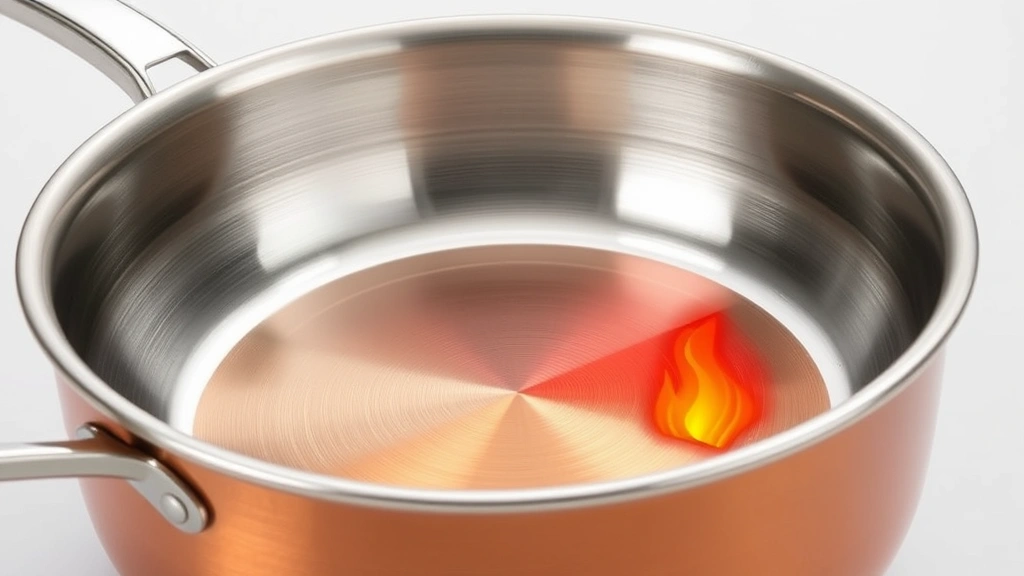
Heat Distribution and Performance
Superior heat distribution fundamentally distinguishes premium cookware from budget alternatives. Gas stoves require cookware with flat bottoms and conductive materials that distribute flame heat evenly across cooking surfaces.
Bottom Construction
Professional-grade cookware features thick, multi-layer bottoms combining stainless steel, aluminum, and sometimes copper. These constructions distribute heat uniformly, preventing hot spots that cause uneven cooking and burning. Thicker bottoms also provide thermal stability, allowing consistent cooking temperatures.
Sidewall Thickness
Quality cookware maintains consistent material thickness throughout sidewalls and handles. This construction prevents heat concentration at attachment points and ensures even cooking across all surfaces. Thinner sidewalls create temperature gradients that compromise cooking results.
Handle Design
Ergonomic handles designed for gas stove cooking should remain cool during extended cooking sessions. Stainless steel handles with silicone or wood inserts provide safety and comfort. Riveted construction proves more durable than welded alternatives, supporting product longevity.
Lid Fit
Properly fitting lids retain heat and moisture, reducing cooking times and energy consumption. Glass lids with stainless steel rims allow visual monitoring without heat loss. Tight-fitting lids support efficient braising and stewing on gas stoves.
Maintenance and Longevity
Proper maintenance extends cookware lifespan, maximizing sustainability benefits through reduced replacement frequency. Different materials require specific care approaches:
Stainless Steel Care
Wash stainless steel cookware immediately after use with warm, soapy water. Avoid abrasive scrubbers that scratch surfaces and promote corrosion. Bar Keeper’s Friend effectively removes stubborn stains while maintaining finish integrity. Store cookware with handles aligned to prevent cabinet damage.
Cast Iron Seasoning
Maintain cast iron through regular seasoning, building protective oil layers that improve non-stick properties and prevent rust. After washing, dry thoroughly and apply thin oil coats. Oven seasoning at 500°F for one hour periodically reinforces protective layers. Proper maintenance means cast iron cookware improves with age rather than deteriorating.
Enameled Cast Iron
Enameled cookware requires gentler handling than bare cast iron. Avoid extreme temperature changes that crack enamel. Hand washing prevents enamel damage from dishwasher abrasion. Chips in enamel expose cast iron to rust, though cooking remains safe despite aesthetic imperfection.
Copper Maintenance
Copper cookware develops patina over time, which many chefs appreciate for aesthetic character. Regular polishing with lemon juice and salt maintains shine if preferred. Vinegar and baking soda paste effectively removes tarnish without damaging underlying metal.
Investing in cookware that reduces your environmental footprint through durability and proper maintenance represents a practical sustainability commitment. Quality pieces maintained thoughtfully last decades, eliminating replacement waste.
FAQ
What cookware works best on gas stoves?
Flat-bottomed cookware with excellent heat conductivity performs optimally on gas stoves. Stainless steel with aluminum cores, cast iron, and copper-bottomed options all excel. Prioritize thick-bottomed pieces that distribute flame heat evenly and maintain structural integrity under direct flame exposure.
Can I use non-stick cookware on gas stoves?
Non-stick cookware functions on gas stoves but requires careful flame management. Excessive direct heat can damage coatings and release harmful fumes. Use medium heat settings and avoid leaving empty non-stick pans on active flames. Cast iron and stainless steel alternatives provide safer, more durable options.
Why do chefs prefer gas stoves?
Gas stoves offer immediate heat response and precise temperature control through visible flame adjustment. Chefs appreciate the tactile feedback and ability to move pans between heat zones instantly. This responsiveness enables sophisticated cooking techniques impossible on electric surfaces.
How thick should gas stove cookware be?
Professional-grade cookware typically features 2.5-3.5mm bottom thickness for optimal heat distribution. Sidewalls should maintain 1.5-2mm thickness for even cooking. Thicker construction supports durability and prevents warping during extended high-heat cooking sessions.
Is cast iron sustainable cookware?
Cast iron represents the ultimate sustainable cookware choice. Properly maintained pieces last generations, eliminating replacement waste. The material is infinitely recyclable, and natural seasoning eliminates synthetic coatings. Cast iron’s thermal mass reduces energy consumption during cooking.
What’s the difference between enameled and bare cast iron?
Bare cast iron requires seasoning but develops superior non-stick properties and supports higher heat cooking. Enameled cast iron eliminates seasoning requirements but provides lower heat tolerance and requires gentler handling to prevent enamel damage. Both options offer excellent sustainability profiles.
How do I prevent gas stove cookware from warping?
Use cookware with flat bottoms on flat stovetop surfaces. Avoid extreme temperature changes that stress metal. Quality thick-bottomed cookware resists warping better than thin alternatives. Proper storage prevents damage that compromises bottom flatness.
Should I choose stainless steel or aluminum cookware?
Stainless steel offers superior durability, corrosion resistance, and maintenance simplicity. Aluminum heats faster but requires protective coatings for safety. For gas stove cooking, stainless steel with aluminum cores combine benefits of both materials, offering optimal performance and longevity.


