Electric vs Gas Dryer: Expert Comparison for Sustainable Homes
Choosing between an electric vs gas dryer is one of the most consequential decisions you’ll make when outfitting your laundry room. Beyond the initial purchase price, this choice directly impacts your monthly utility bills, environmental footprint, and long-term household expenses. With rising energy costs and growing climate concerns, understanding the differences between these two appliance types has never been more critical for eco-conscious homeowners.
The dryer you select will operate hundreds of times per year, making it a significant contributor to your home’s overall energy consumption. Whether you prioritize cost savings, environmental responsibility, or performance efficiency, this comprehensive guide will walk you through every aspect of the electric vs gas dryer debate. We’ll examine operational costs, environmental impact, safety considerations, and practical factors that influence which option best suits your household’s unique needs and values.
How Electric and Gas Dryers Work
Understanding the fundamental mechanics of each dryer type helps clarify why they perform differently and carry distinct operational costs. Electric dryers use heating elements powered by electricity to generate the heat necessary for drying clothes. When you start an electric dryer, electricity flows through a resistance coil, causing it to glow red-hot and produce thermal energy that warms the drum’s interior. This heated air circulates through your wet clothes, evaporating moisture until the load reaches your desired dryness level.
Gas dryers operate on a fundamentally different principle. Rather than relying on electric heating elements, gas dryers use a natural gas or propane burner to create heat. A small electric igniter or pilot light sparks the gas, which then burns to produce the heat needed for drying. The gas burner is typically more powerful than electric heating elements, which is why gas dryers can reach higher temperatures more quickly. Both systems use a motor to tumble clothes and a vent to expel moist air outside your home.
This distinction in heating methods creates ripple effects throughout the user experience. Gas dryers generate intense heat rapidly, while electric dryers heat more gradually. This affects drying times, energy consumption patterns, and installation requirements. Understanding these mechanical differences provides the foundation for evaluating which option aligns with your definition of sustainability and household priorities.
Energy Efficiency Comparison
When comparing energy efficiency between electric vs gas dryer options, the analysis becomes surprisingly nuanced. Gas dryers are generally more energy-efficient in terms of raw thermal output. A gas dryer converts approximately 85-90% of the energy it consumes into usable heat, while electric dryers typically convert 60-70% of their electrical input into heat. This efficiency advantage has historically made gas dryers attractive to cost-conscious consumers.
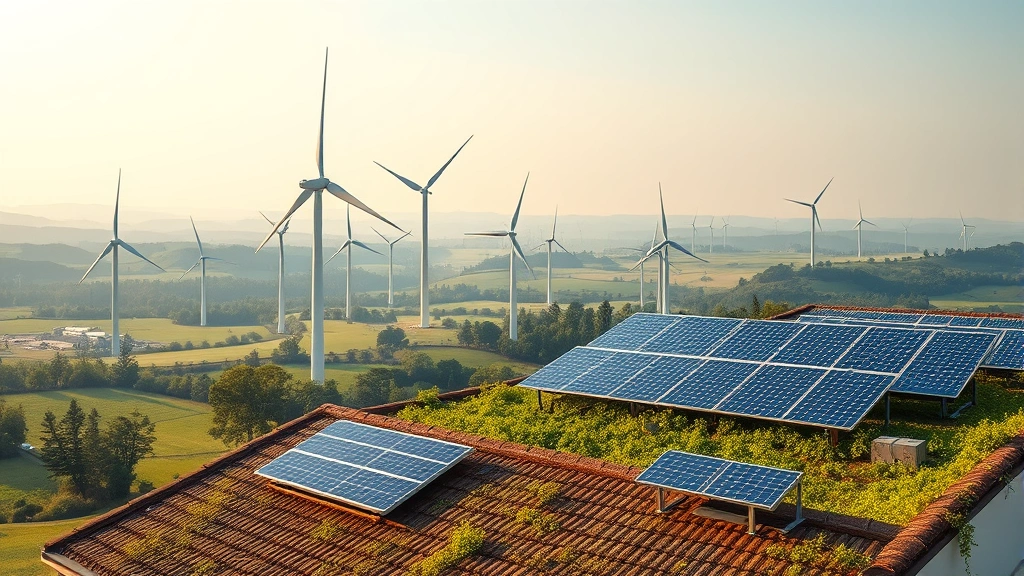
However, this efficiency comparison must account for how electricity is generated in your region. If your local power grid relies heavily on renewable energy sources like wind and solar, electric dryers become significantly more sustainable. Conversely, in regions dependent on fossil fuel power plants, the environmental advantage shifts toward gas dryers. This regional variation means that the “most efficient” option genuinely depends on your location’s sustainable energy solutions infrastructure.
Modern dryers increasingly feature advanced efficiency technologies. Moisture sensors automatically stop the cycle when clothes reach desired dryness, preventing unnecessary energy waste. Heat pump dryers represent the frontier of efficiency, using recycled air and heat exchange technology to achieve remarkable energy savings—up to 50% less energy than traditional electric models. These innovative systems prove that efficiency leadership isn’t locked into either traditional category.
Operating Costs and Long-Term Savings
The financial comparison between electric and gas dryers extends beyond the purchase price to encompass years of operational expenses. Gas dryers typically cost less to operate, with estimates suggesting 10-25% lower monthly utility bills compared to electric models. This savings accumulates substantially over a dryer’s typical 10-13 year lifespan, potentially totaling thousands of dollars.
However, the initial purchase price favors electric dryers, which generally cost $200-400 less than comparable gas models. Gas dryers command premium pricing due to their heating efficiency and more complex construction. When calculating total cost of ownership, you must account for both the upfront investment and cumulative operational expenses.
Installation costs introduce another financial variable. Gas dryer installation requires gas line connections (potentially necessitating professional installation costing $200-500) and proper venting infrastructure. Electric dryers typically need only a standard electrical outlet, making DIY installation feasible for many homeowners. Some residences lack gas lines entirely, making electric dryers the only practical option without expensive infrastructure modifications.
Maintenance costs also differ between types. Gas dryers require professional annual inspections and cleaning of gas burners, typically costing $50-150 annually. Electric dryers need less frequent professional servicing, though both types require regular vent cleaning to maintain safety and efficiency. Over a dryer’s lifetime, maintenance costs favor electric models by several hundred dollars.
To make an informed financial decision, calculate your region’s electricity and gas rates, multiply by estimated annual usage (typically 300-400 dryer cycles yearly), and project costs across 10-13 years. Many utility companies and environmental organizations provide online calculators for this analysis. Understanding these financial realities helps you make decisions aligned with both your budget and your commitment to reducing your environmental footprint.

Environmental Impact Analysis
The environmental equation between electric vs gas dryer options reveals that neither choice is universally “greener.” This assessment requires examining carbon emissions across the entire lifecycle, from manufacturing through disposal, and accounting for regional energy generation methods.
Gas dryers produce direct carbon emissions from burning natural gas or propane. Natural gas combustion releases approximately 5.3 pounds of CO2 per therm burned. For a household running 300 annual drying cycles, a gas dryer might generate 1-2 tons of direct carbon emissions yearly. This direct fossil fuel consumption creates a clear environmental cost that cannot be mitigated through cleaner energy grids.
Electric dryers produce indirect emissions determined by your region’s power generation mix. In areas with abundant renewable energy, electric dryers carry minimal carbon footprints. In coal-dependent regions, electric dryer emissions can exceed those of gas models. The U.S. power grid increasingly incorporates renewable sources, making electric dryers progressively greener over time as the grid decarbonizes.
Beyond carbon emissions, consider methane leakage from natural gas infrastructure. Methane’s climate impact is 80+ times more potent than CO2 over a 20-year period. Gas production, transmission, and distribution involve methane leakage that amplifies the climate impact beyond direct combustion emissions.
Manufacturing impacts also matter. Gas dryers typically weigh more and require additional components (burners, ignition systems, gas valves), increasing manufacturing environmental costs. Electric dryers consume fewer resources during production but may carry higher transportation impacts due to heavier electrical components.
Heat pump dryers represent the most environmentally responsible choice, reducing energy consumption by half compared to conventional electric dryers while eliminating direct fossil fuel use. For homeowners prioritizing environmental responsibility, heat pump technology aligns with green technology innovations transforming our future.
Installation and Maintenance Requirements
Installation complexity differs substantially between electric and gas dryers, influencing both upfront costs and long-term practicality. Electric dryers require only a dedicated 240-volt electrical circuit, which most modern homes already possess or can install relatively inexpensively. Installation typically involves positioning the unit and connecting the vent hose—tasks many homeowners accomplish independently.
Gas dryer installation demands considerably more infrastructure. Your home must have an accessible natural gas or propane line. If absent, installation requires running new gas lines from your meter or propane tank to the laundry room, a project demanding professional gas fitter expertise costing $300-1000+. This infrastructure requirement makes gas dryers impractical for many urban apartments and older homes lacking gas infrastructure.
Venting requirements apply equally to both types. Proper external venting prevents moisture and lint from accumulating in your home. Both electric and gas dryers should exhaust to the exterior through rigid metal ducting, never into your home’s interior. Poor venting reduces efficiency and creates moisture problems that damage walls and promote mold growth.
Maintenance obligations favor electric dryers moderately. Gas dryers require annual professional inspection of burners, gas connections, and combustion chambers to ensure safe operation and identify gas leaks. These inspections cost $75-150 annually. Electric dryers need basic maintenance—vent cleaning and filter replacement—that homeowners can often perform independently.
Both dryer types require regular lint trap cleaning before each cycle and annual professional vent cleaning. Accumulated lint reduces efficiency and creates fire hazards. Neglecting this maintenance compromises safety regardless of dryer type.
Safety Considerations
Safety implications distinguish electric and gas dryer ownership in important ways. Gas dryers introduce combustion risks, including potential gas leaks, carbon monoxide generation, and improper ventilation hazards. These risks necessitate professional installation and regular inspections. Properly installed and maintained gas dryers operate safely for millions of households, but safety depends on correct setup and ongoing maintenance vigilance.
Electric dryers eliminate combustion risks and carbon monoxide concerns, making them inherently safer in these respects. However, electric dryers pose electrical hazards if improperly installed or maintained. Both types create fire risks if lint accumulates in venting systems.
Gas dryer safety requires ensuring proper outdoor venting to prevent carbon monoxide accumulation indoors. Many safety organizations recommend carbon monoxide detectors in homes with gas dryers, particularly in basements or enclosed laundry areas. Improper venting can allow combustion byproducts to enter living spaces, creating serious health risks.
Both dryer types must be properly grounded and installed by code-compliant methods. Gas dryers additionally require professional gas connection verification and periodic safety inspections. These requirements make gas dryer ownership slightly more complex from a safety management perspective.
Performance and Drying Speed
Real-world performance differences between electric and gas dryers affect daily household convenience and perceived value. Gas dryers typically dry clothes faster, completing loads 10-15 minutes quicker than electric models. This speed advantage results from gas’s ability to generate higher temperatures more rapidly. For large families managing heavy laundry volumes, faster drying cycles represent meaningful time savings.
Electric dryers operate at slightly lower temperatures but provide consistent, controllable heat. This gentler drying approach reduces fabric damage and works excellently for delicate items. Many users report that electric dryers treat clothes more carefully, extending garment lifespans despite longer cycle times.
Moisture sensors in modern dryers of both types automatically end cycles when clothes reach desired dryness, reducing over-drying that damages fabrics and wastes energy. Quality moisture sensors provide similar performance benefits across both technologies.
Capacity and feature sets vary more by brand and price point than by heating method. Both electric and gas dryers offer equivalent drum sizes and programmable features. Performance quality depends more on manufacturer reputation and model specifications than on the heating technology itself.
Making Your Final Decision
Choosing between electric vs gas dryer requires weighing multiple factors specific to your situation. Begin by assessing what’s practical for your home. If you lack gas infrastructure and installation costs would exceed $500, electric becomes your only reasonable option. Conversely, if gas lines already exist and professional installation is straightforward, gas dryers become more financially attractive.
Evaluate your region’s energy profile. Research your local power grid’s renewable energy percentage through your utility company’s website. Areas with 50%+ renewable energy make electric dryers environmentally competitive or superior to gas models. Consult the EPA’s electricity information resources for your region’s generation mix.
Calculate projected operating costs using your local electricity and gas rates. Most utility companies provide these rates on bills or websites. Project annual usage at 300-400 cycles, multiply by utility rates, and compare 10-year costs across both options. This financial analysis should heavily weight your decision if budget constraints exist.
Consider your household’s laundry volume and lifestyle. Families managing heavy loads benefit from gas dryers’ speed advantage. Households with delicate fabrics and smaller loads may prefer electric dryers’ gentler approach. Think about whether drying speed genuinely impacts your daily routine.
Align your choice with your broader sustainability commitments. If you’ve invested in principles of sustainability throughout your home, consider heat pump dryers as the most environmentally responsible option, despite their premium pricing. These innovative systems deliver both environmental benefits and long-term operational savings that justify their higher upfront cost.
Consult ENERGY STAR’s appliance database to compare specific models’ efficiency ratings. Look for models with moisture sensors and energy efficiency certifications. Reading user reviews provides insight into real-world performance and reliability.
Visit showrooms to experience both types if possible. Observe cycle times, noise levels, and interface intuitiveness. This hands-on experience often clarifies which option feels right for your household.
FAQ
Are electric dryers cheaper to buy than gas dryers?
Yes, electric dryers typically cost $200-400 less initially than comparable gas models. However, gas dryers’ lower operating costs often recover this price difference within 3-5 years, making long-term cost analysis essential.
Which dryer type is better for the environment?
This depends on your region’s power generation. In renewable-energy-rich areas, electric dryers are greener. In coal-dependent regions, gas dryers may have lower carbon footprints. Heat pump dryers offer the best environmental choice universally.
Do gas dryers really dry clothes faster?
Yes, gas dryers typically complete cycles 10-15 minutes faster due to higher heat output. However, modern moisture sensors in both types minimize over-drying regardless of heating method.
Can I install an electric dryer myself?
Many homeowners can install electric dryers independently if they have existing 240-volt circuits. Gas dryer installation requires professional gas fitter expertise and should never be attempted by untrained individuals.
What’s the lifespan difference between electric and gas dryers?
Both types typically last 10-13 years with proper maintenance. Lifespan depends more on build quality and maintenance habits than on heating method.
Are gas dryers safer than electric dryers?
Electric dryers eliminate combustion risks, making them inherently safer in that respect. Gas dryers are safe when properly installed and maintained, but require professional inspection and careful venting.
Do heat pump dryers work as well as traditional dryers?
Heat pump dryers perform excellently and operate at lower temperatures, reducing fabric damage. They dry slightly more slowly but use 40-50% less energy, making them increasingly popular among environmentally conscious consumers.