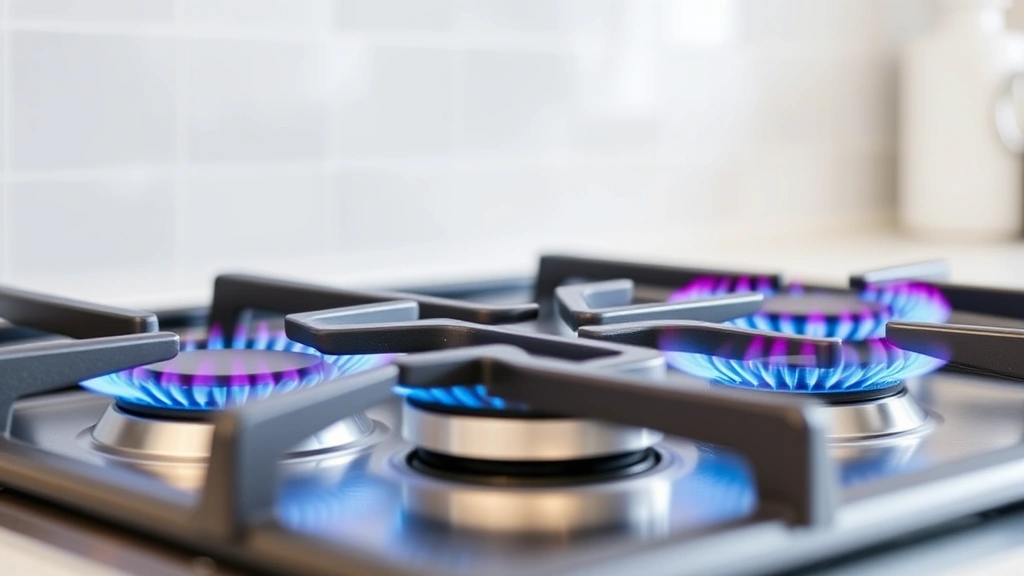
Is Frigidaire Gas Stove Eco-Friendly? Comprehensive Review Inside
When considering kitchen appliances, the environmental impact of your choices extends far beyond aesthetics and performance. A Frigidaire gas stove represents a significant household investment, and understanding its ecological footprint is essential for environmentally conscious consumers. Gas cooking appliances occupy a complex position in the sustainability conversation—they offer efficiency benefits in some areas while presenting environmental concerns in others.
This comprehensive review examines whether a Frigidaire gas stove aligns with eco-friendly living principles. We’ll analyze energy consumption, emissions, manufacturing practices, and how it compares to alternative cooking solutions. Whether you’re replacing an old appliance or building a new kitchen, this guide will help you make an informed decision that balances performance with environmental responsibility.
Energy Efficiency of Frigidaire Gas Stoves
The energy efficiency of cooking appliances depends on how effectively they convert fuel into usable heat. Frigidaire gas stoves generally demonstrate strong thermal efficiency compared to electric resistance cooktops. When you ignite a gas burner, approximately 70-75% of the heat energy transfers directly to your cookware, while the remaining 25-30% dissipates into the surrounding air.
Frigidaire’s modern gas stove models incorporate several efficiency-enhancing features. Precise burner controls allow you to match flame intensity to cooking needs, reducing wasted energy during simmering or low-heat cooking. Sealed burners prevent spills from reaching internal components, maintaining optimal performance over time. Many Frigidaire models feature convection ovens with improved heat distribution, which can reduce cooking time by 20-25% compared to conventional ovens.
However, efficiency ratings for gas stoves remain less standardized than those for refrigerators or dishwashers. Unlike sustainable energy solutions in other appliances, gas stove efficiency isn’t typically marked with Energy Star certifications. This gap in labeling makes direct comparison challenging. The U.S. Environmental Protection Agency has proposed updated efficiency standards for cooking appliances, which may establish clearer benchmarks for future models.
One significant advantage of gas cooking is its immediate heat response. You can adjust flame intensity instantaneously, unlike electric coils that require heating and cooling time. This responsiveness translates to less wasted energy and faster cooking times. For households that cook frequently, this efficiency advantage compounds over months and years of use.

Emissions and Air Quality Impact
Gas stoves present a more complex environmental picture when examining emissions. Burning natural gas produces carbon dioxide and water vapor as primary byproducts. A typical household gas stove generates approximately 0.5-1.5 tons of CO2 annually, depending on usage frequency. While this is lower than electric stoves powered by coal-heavy grids, it still represents a direct contribution to greenhouse gas emissions.
Beyond climate considerations, indoor air quality presents an important health and environmental concern. Gas stoves emit nitrogen dioxide (NO2) and formaldehyde during combustion. The American Academy of Pediatrics has documented associations between gas stove use and respiratory issues in children, particularly in poorly ventilated kitchens. These emissions don’t just affect your home—they represent real environmental and health externalities that extend beyond simple energy calculations.
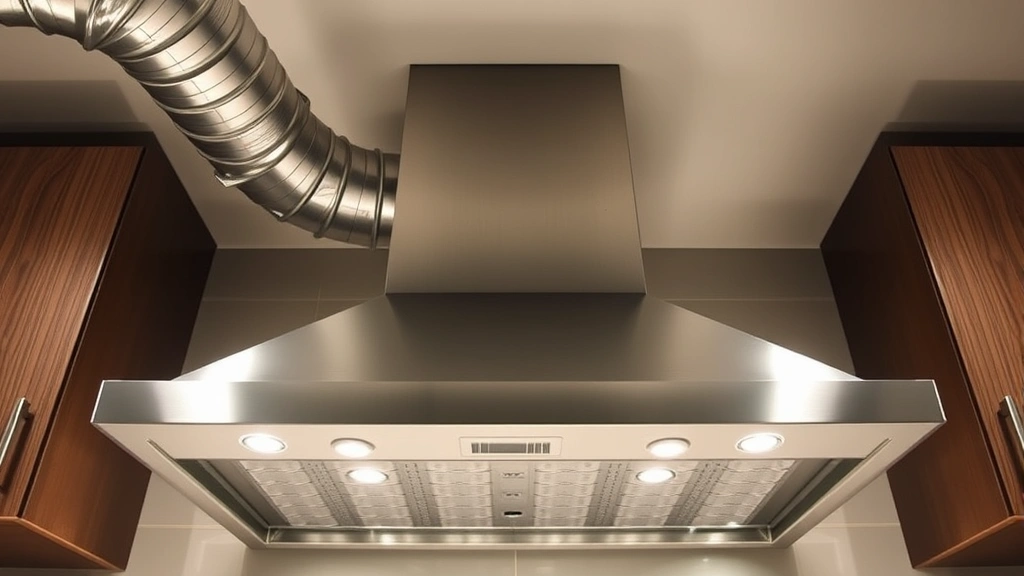
Proper ventilation significantly mitigates these concerns. A well-functioning range hood that vents to the outside removes 70-90% of combustion byproducts. Unfortunately, many households either lack adequate ventilation or don’t use existing vents effectively. If you own a Frigidaire gas stove, investing in a quality range hood or improving kitchen ventilation represents one of the most impactful environmental and health decisions you can make.
Natural gas extraction and distribution also carry environmental costs. Methane leaks throughout the supply chain contribute to climate change with potency 80-86 times greater than CO2 over a 20-year period, according to EPA research. These upstream emissions aren’t visible at your stove, but they form part of the complete environmental equation. Studies suggest 2-3% of distributed natural gas escapes as methane before reaching consumer appliances.
Manufacturing and Sustainability Practices
The environmental impact of your Frigidaire gas stove begins long before it arrives in your kitchen. Manufacturing represents a significant portion of an appliance’s lifecycle carbon footprint. Frigidaire, owned by Electrolux, has implemented various sustainability initiatives across its production facilities.
Electrolux has committed to reducing manufacturing emissions by 50% by 2030 (compared to 2015 baseline) and achieving carbon neutrality by 2050. The company has invested in renewable energy at several manufacturing plants and works to improve water efficiency and waste reduction. These corporate commitments suggest that newer Frigidaire models may have lower manufacturing footprints than older competitors.
Material selection influences sustainability outcomes significantly. Frigidaire gas stoves typically use steel, cast iron, and aluminum—materials that are recyclable and have established recycling infrastructure. Steel and aluminum can be recycled repeatedly without degrading quality, making them preferable to single-use materials. However, the energy intensity of metal production remains substantial; producing virgin aluminum requires approximately 15 times more energy than recycling aluminum.
When the appliance reaches end-of-life, responsible disposal matters. A Frigidaire gas stove should be directed to metal recycling facilities rather than landfills. Some components, like electronic controls and ignition systems, contain materials that shouldn’t enter general waste streams. Check with local recycling programs or Electrolux’s take-back initiatives to ensure proper disposal.
Transportation emissions also merit consideration. Appliances shipped from manufacturing facilities to distribution centers and retail locations generate carbon emissions. Purchasing locally or choosing delivery options that consolidate shipments can reduce this impact. Additionally, selecting a model you’ll keep for 15-20 years rather than upgrading frequently provides better environmental returns on manufacturing investments.
How It Compares to Other Cooking Methods
Understanding where Frigidaire gas stoves fit in the broader cooking appliance landscape requires examining alternatives. Green technology innovations have created several cooking options, each with distinct environmental profiles.
Electric Resistance Coils: Traditional electric stoves convert approximately 65-75% of electrical energy to cooking heat, slightly lower than gas efficiency. However, their environmental impact depends entirely on your grid’s energy sources. If your electricity comes from renewable sources, electric cooking becomes significantly cleaner than gas. In coal-heavy regions, the advantage narrows considerably.
Induction Cooktops: These represent the most efficient cooking technology available, converting 80-90% of electrical energy to heat. Induction cooktops also offer superior safety and precise temperature control. Their main limitation is requiring magnetic cookware compatibility. For environmentally conscious households with access to renewable electricity, induction cooking substantially outperforms gas from a lifecycle perspective.
Convection Ovens: Both gas and electric convection ovens reduce cooking time through improved heat circulation. Many Frigidaire gas models include convection features, which partially offset their direct emissions through operational efficiency gains.
Hybrid Solutions: Some kitchens benefit from combining cooking methods—using an induction cooktop for daily cooking and maintaining a gas range for specialized cooking tasks. This approach balances sustainability with practical cooking needs.
The environmental verdict depends on your specific circumstances. In regions with renewable-heavy electricity grids, induction or efficient electric cooking wins decisively. In areas relying on fossil fuels for electricity generation, gas cooking may offer comparable or slightly better lifecycle emissions. However, indoor air quality considerations often favor electric or induction options, particularly in homes with children or individuals with respiratory sensitivities.
Optimizing Your Gas Stove for Eco-Friendly Use
If you own or plan to purchase a Frigidaire gas stove, several strategies maximize its environmental performance. These practical steps reduce emissions, improve energy efficiency, and extend appliance lifespan.
Ventilation Excellence: Installing or maintaining a quality range hood represents your single most impactful action. Ensure the hood vents to the outside rather than recirculating air. Use the hood during and for 5-10 minutes after cooking. This removes nitrogen dioxide, formaldehyde, and other combustion byproducts before they accumulate in your home.
Cookware Selection: Using cookware that matches burner sizes prevents heat loss. Flat-bottomed pots maximize contact with gas flames. Covering pots with lids reduces cooking time by 25-30%, directly lowering energy consumption. Stainless steel and cast iron cookware conduct heat efficiently and last for decades, providing excellent environmental returns on manufacturing investments.
Cooking Practices: Match burner size to pot size—using a large burner for a small pot wastes considerable energy. Keep burners clean for optimal flame contact. Use lower heat settings whenever possible; most cooking tasks don’t require maximum flame intensity. Batch cooking and meal planning reduce overall cooking frequency, generating cumulative energy savings.
Regular Maintenance: Clean burners and grates regularly to maintain efficiency. Have a professional inspect your stove annually to ensure proper gas flow and combustion. A well-maintained Frigidaire gas stove operates more efficiently and produces fewer emissions than a neglected one. Proper maintenance also extends appliance lifespan, improving the environmental return on manufacturing investments.
Complementary Upgrades: Consider pairing your Frigidaire gas stove with practical tips for saving energy at home. Improving kitchen insulation, upgrading windows, and optimizing overall home energy efficiency create synergies that amplify your stove’s environmental benefits.
The principles of sustainability suggest that maximizing the utility and lifespan of existing appliances often represents the most eco-friendly choice. If you already own a Frigidaire gas stove, optimization strategies provide better environmental returns than premature replacement.
Frequently Asked Questions
Are Frigidaire gas stoves Energy Star certified?
No, Frigidaire gas stoves don’t carry Energy Star certification. The EPA hasn’t established standardized efficiency ratings for gas cooking appliances comparable to those for refrigerators or dishwashers. However, this doesn’t mean Frigidaire stoves lack efficiency features—many models include convection ovens, sealed burners, and precise controls that improve performance.
How do gas stoves compare to induction cooking environmentally?
Induction cooktops convert 80-90% of energy to heat, compared to 70-75% for gas stoves. However, gas stoves produce direct emissions while induction’s environmental impact depends on electricity sources. In regions with renewable-heavy grids, induction substantially outperforms gas. The comparison is more complex in areas relying on fossil fuel electricity generation.
What can I do to reduce emissions from my Frigidaire gas stove?
Install a quality range hood vented to the outside, maintain proper ventilation during cooking, use cookware that matches burner sizes, cover pots with lids, and keep burners clean. These actions significantly reduce both direct emissions and indoor air quality impacts. Regular professional maintenance ensures optimal combustion efficiency.
Is it more sustainable to replace my gas stove with an induction cooktop?
The answer depends on your grid’s energy sources and how long you plan to keep your current stove. If your electricity comes from renewable sources, switching makes environmental sense. If your grid relies heavily on fossil fuels and your Frigidaire stove is relatively new and well-maintained, keeping it longer may generate better environmental returns than manufacturing and transporting a replacement. Calculate the payback period based on your specific circumstances.
Do Frigidaire gas stoves meet current environmental standards?
Frigidaire gas stoves comply with all current EPA regulations and safety standards. However, as environmental standards evolve—particularly regarding nitrogen dioxide emissions and energy efficiency—future models may incorporate additional improvements. Check manufacturer specifications for the latest efficiency features and emissions data.
What’s the environmental impact of natural gas extraction?
Natural gas extraction and distribution involve methane leakage estimated at 2-3% of distributed gas. Methane’s global warming potential is 80-86 times greater than CO2 over 20 years, making these upstream emissions significant. This represents an important consideration when comparing gas stoves to electric alternatives powered by renewable energy.
Can I recycle my old Frigidaire gas stove?
Yes, gas stoves contain valuable recyclable materials including steel, aluminum, and cast iron. Contact local metal recycling facilities or check Electrolux’s take-back programs. Never dispose of a gas stove in regular waste streams, as electronic components and gas lines require specialized handling.
For additional information about sustainable appliance choices and home energy optimization, visit the SustainWise Hub Blog where we explore sustainable energy solutions for modern households.


