Are Gas Cylinders Eco-Friendly? Insights Inside
Gas cylinders have become ubiquitous in modern life, powering everything from household cooking appliances to industrial operations and recreational activities. Yet as environmental consciousness grows, many people are questioning whether these convenient fuel containers align with sustainability goals. The answer is nuanced—while gas cylinders themselves aren’t inherently eco-friendly, their environmental impact depends heavily on the type of gas, usage patterns, recycling practices, and available alternatives.
Understanding the ecological footprint of gas cylinders requires examining their lifecycle, from manufacturing through distribution, use, and disposal. This comprehensive analysis explores whether gas cylinders can fit into an environmentally responsible lifestyle, what makes them problematic, and what sustainable alternatives exist. Whether you’re a homeowner, business operator, or simply curious about your carbon footprint, this guide provides actionable insights to help you make informed decisions.
What Are Gas Cylinders and How Do They Work?
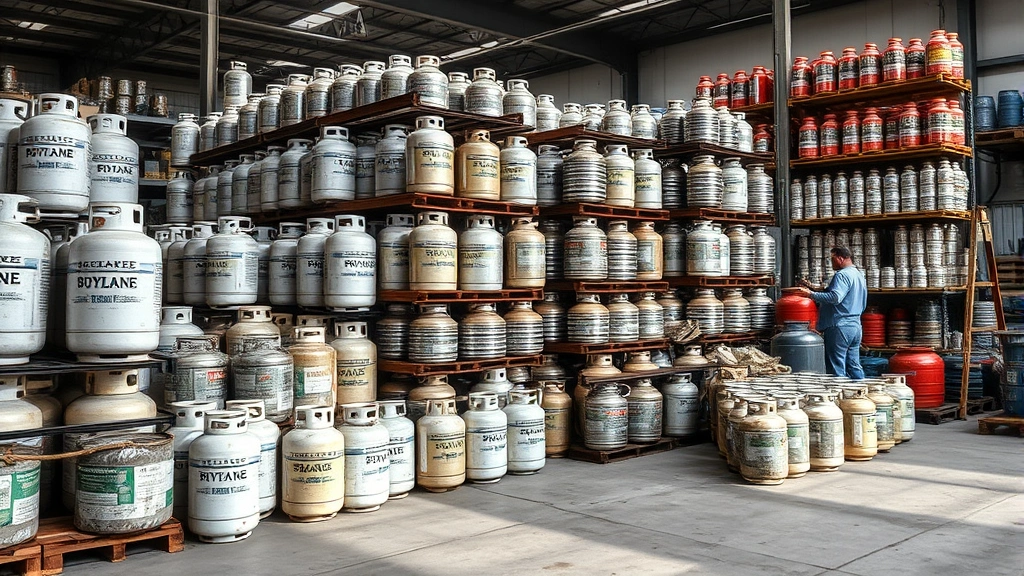
Gas cylinders are pressurized metal containers designed to safely store and transport gases in either liquid or compressed form. These vessels come in various sizes, from small portable canisters used for camping stoves to large industrial tanks supplying commercial operations. The most common gases stored in cylinders include propane, butane, natural gas (methane), oxygen, nitrogen, and argon.
The functionality of a gas cylinder depends on its contents and intended application. Liquefied petroleum gas (LPG) cylinders, for instance, contain propane or butane under pressure, which allows these normally gaseous substances to exist in liquid form. This compression significantly increases storage capacity and portability. When you turn on a gas stove or heater connected to a cylinder, a regulator controls the pressure, allowing the liquid to vaporize and flow as usable gas.
The widespread adoption of gas cylinders stems from their convenience, portability, and established infrastructure. They provide immediate energy access without requiring permanent installation or connection to centralized distribution networks. This characteristic makes them particularly valuable in remote areas, developing regions, and applications where other energy sources prove impractical.
Environmental Impact of Gas Cylinders
The environmental impact of gas cylinders extends far beyond their operational use. A comprehensive lifecycle assessment reveals multiple environmental concerns that sustainability-conscious consumers should understand. The production process, distribution network, combustion emissions, and disposal methods all contribute to their overall ecological footprint.
When gas cylinders are used as fuel sources, they produce greenhouse gases upon combustion. Propane and butane release carbon dioxide and water vapor, contributing to climate change. Natural gas combustion also produces CO2, though typically less per unit of energy than coal or oil. However, methane leakage during extraction, processing, and distribution represents a significant environmental problem, as methane’s global warming potential is approximately 28-34 times greater than carbon dioxide over a 100-year period.
Manufacturing gas cylinders requires substantial energy input and raw materials. Steel production, the primary material for cylinders, is energy-intensive and generates considerable emissions. Additionally, the sustainable energy solutions landscape increasingly recognizes that fossil fuel infrastructure, including gas cylinder production, perpetuates dependence on non-renewable resources and diverts investment from cleaner alternatives.
The distribution and logistics of gas cylinders also create environmental costs. Transportation of heavy cylinders across supply chains generates emissions proportional to distance and frequency. The need for regular refilling creates ongoing transportation impacts, particularly in regions with sparse distribution networks.
Types of Gases and Their Ecological Footprints
Not all gases stored in cylinders have equivalent environmental impacts. Understanding these differences helps consumers make more informed choices about their energy sources. Different gas types vary significantly in their carbon intensity, sourcing methods, and downstream environmental consequences.
Propane and Butane (LPG): These hydrocarbon gases are byproducts of crude oil refining and natural gas processing. While using existing byproducts might seem efficient, their combustion produces substantial CO2 emissions. Propane generates approximately 12.4 kg of CO2 per kilogram burned, making it a significant climate contributor. The extraction and processing of crude oil involves environmental risks including habitat disruption, water contamination, and methane leakage.
Natural Gas (Methane): Often marketed as a “cleaner” fossil fuel, natural gas produces fewer emissions than coal or oil per unit of energy. However, methane leakage throughout the supply chain—during extraction, processing, compression, transportation, and distribution—can offset these benefits. Studies indicate that if methane leakage exceeds 3-4% of total production, natural gas becomes environmentally equivalent to coal in terms of climate impact.
Oxygen and Nitrogen: These industrial gases are obtained through air separation and don’t produce direct emissions during use. However, their production requires significant electricity input. The environmental impact depends largely on the energy source powering the separation plants.
Specialty Gases: Some cylinders contain specialty gases used in manufacturing, research, or medical applications. Their environmental impact varies widely based on production methods and intended use. Some synthetic gases are potent greenhouse gases themselves, requiring careful handling and disposal.
For those seeking cleaner energy alternatives, exploring advantages of electric vehicles and other renewable technologies offers insight into transitioning away from gas-dependent systems.
Manufacturing and Transportation Emissions
The production and distribution phases of gas cylinders contribute substantially to their overall environmental burden. Manufacturing a steel cylinder requires mining iron ore, processing it into steel, and fabricating the container. This energy-intensive process generates emissions at multiple stages. A typical steel cylinder production emits approximately 0.5-1.5 metric tons of CO2 equivalent per ton of steel produced, depending on the facility’s energy sources and efficiency.
Quality control and safety testing add additional environmental costs. Cylinders must withstand rigorous pressure testing, hydrostatic testing, and inspection procedures. These processes consume water, electricity, and sometimes compressed gases themselves. Manufacturers also apply protective coatings, typically epoxy or polyurethane-based, which involve chemical processing and volatile organic compound emissions.
Transportation represents another significant environmental factor. Gas cylinders are heavy, typically ranging from 5 kg for small portable units to over 50 kg for large industrial cylinders. This weight means transportation generates substantial emissions. A single full cylinder transported 1,000 kilometers produces approximately 10-15 kg of CO2 equivalent in transportation emissions alone, depending on vehicle efficiency and fuel type.
The distribution network for gas cylinders requires ongoing logistics. Regular refilling necessitates return transportation of empty cylinders, often traveling partially full on return trips. This inefficiency multiplies environmental costs across the supply chain. Centralized refilling facilities concentrate refilling operations, but the decentralized nature of cylinder distribution means many trips are required to serve dispersed customers.
To understand broader energy efficiency principles, reviewing how to save energy at home with practical tips for greener living provides valuable context for household energy decisions.
Recycling and End-of-Life Considerations
The end-of-life management of gas cylinders significantly influences their overall sustainability profile. Fortunately, steel cylinders are highly recyclable, and many jurisdictions have established recycling programs for spent containers. However, the recycling rate varies dramatically by region, and improper disposal remains common in many areas.
When gas cylinders reach end-of-life, typically after 10-15 years of service, they should be depressurized, purged, and sent to metal recycling facilities. Properly recycled steel cylinders can be melted down and reformed into new products indefinitely without quality degradation. This closed-loop recycling can reduce the environmental impact by 50-70% compared to virgin steel production, as recycling requires significantly less energy than primary production.
However, several challenges impede effective cylinder recycling. Many consumers lack awareness of recycling options and may dispose of cylinders improperly, sending them to landfills where they occupy space for decades without decomposing. Some cylinders contain residual gases or liquids that complicate recycling, requiring specialized handling procedures. In developing regions, recycling infrastructure remains inadequate, and many cylinders end up in uncontrolled dumpsites.
Proper disposal requires following regulatory guidelines, which vary by jurisdiction. In the United States, the Environmental Protection Agency (EPA) provides guidance on hazardous waste disposal for certain gas cylinders, particularly those containing toxic or highly flammable substances. EPA hazardous waste regulations establish standards for cylinder handling and disposal.
Innovative approaches to cylinder management are emerging. Some companies now operate deposit-refund systems, incentivizing customers to return empty cylinders. Others are developing lightweight composite cylinders that reduce transportation emissions, though these materials present their own recycling challenges. Exploring principles of sustainability comprehensively reveals how circular economy concepts can improve cylinder management systems.

Comparing Gas Cylinders to Alternative Energy Sources
To properly assess whether gas cylinders are eco-friendly, it’s essential to compare them against viable alternatives. Different applications have different alternatives, each with distinct environmental profiles. This comparative analysis helps identify scenarios where gas cylinders might be the least harmful option versus situations where superior alternatives exist.
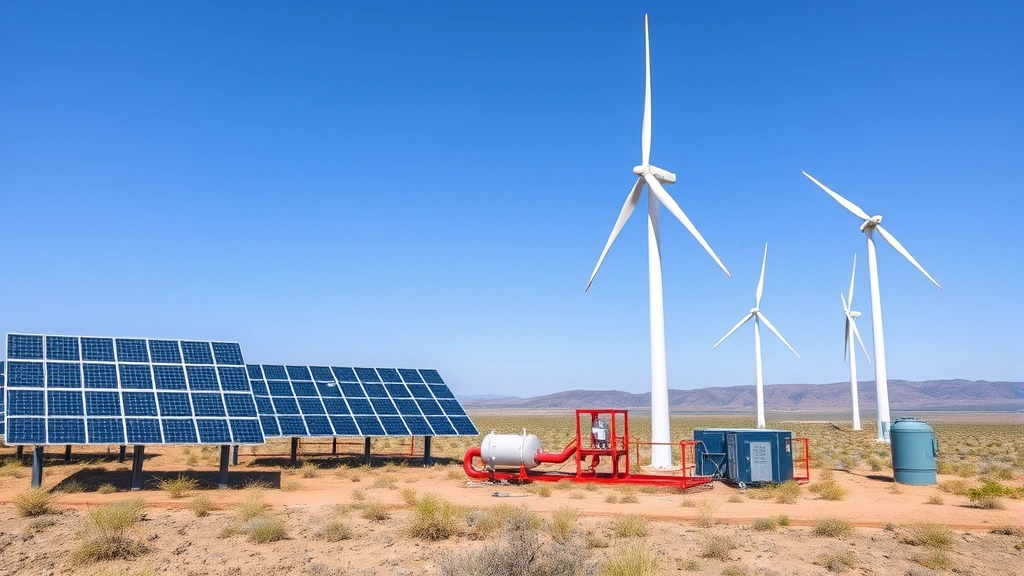
Electric Alternatives: Electric cooking, heating, and appliances powered by renewable electricity represent the most environmentally superior option. Modern induction cooktops, electric heat pumps, and resistance heaters eliminate direct combustion emissions. If powered by renewable energy sources like solar or wind, electric alternatives achieve near-zero operational emissions. However, upfront costs and infrastructure requirements limit accessibility for many households and applications.
Renewable Gas: Biogas and synthetic methane produced from renewable sources offer potential pathways toward sustainable gas use. Biogas, generated from organic waste decomposition, can be compressed into cylinders with minimal net emissions if properly managed. However, renewable gas production currently represents a tiny fraction of total gas supply, and scaling these solutions requires substantial infrastructure investment.
Solar and Heat Pump Technologies: For heating applications, solar thermal systems and air-source heat pumps provide renewable alternatives. These technologies eliminate fossil fuel combustion entirely and often outperform gas systems in lifecycle analysis. However, they require suitable climate conditions and significant capital investment.
Solid Biomass: In some contexts, sustainably harvested wood or agricultural residues can replace gas for heating. When sourced responsibly and burned efficiently, biomass can be carbon-neutral or carbon-negative. However, improper sourcing or inefficient combustion can create significant environmental problems.
For specific applications like transportation, electric vehicles provide substantial advantages over gas-powered alternatives, representing a clear sustainability improvement where feasible.
Research from the International Energy Agency (IEA) consistently demonstrates that electrification powered by renewable energy offers the most effective pathway toward emissions reduction across multiple sectors.
Best Practices for Responsible Gas Cylinder Use
While transitioning entirely away from gas cylinders isn’t immediately feasible for many people and applications, adopting responsible practices can minimize environmental impact. These strategies represent pragmatic approaches for those who currently depend on gas cylinders or face limited alternatives.
Maximize Efficiency: Use appliances designed for optimal gas combustion efficiency. Modern gas heaters and stoves operate at 85-95% efficiency, while older models may only achieve 60-70%. Upgrading to high-efficiency equipment reduces fuel consumption and emissions. Proper maintenance, including regular cleaning of burners and inspection of connections, prevents gas leakage and ensures efficient operation.
Minimize Usage: Reduce reliance on gas cylinders by adopting energy conservation practices. Improved insulation, weatherstripping, and strategic thermostat management decrease heating demands. Pressure cooking and retained-heat cooking methods reduce cooking times and energy consumption. These behavioral changes require minimal investment while producing immediate environmental benefits.
Ensure Proper Recycling: When cylinders reach end-of-life, ensure they’re sent to certified recycling facilities rather than landfills. Contact local waste management authorities or recycling centers to locate appropriate disposal options. Some retailers that sell gas cylinders also accept empty containers for recycling, simplifying the process.
Choose Refillable Over Disposable: Refillable cylinders have significantly lower lifecycle environmental impacts than single-use disposable canisters. While convenient, disposable butane cartridges for camping stoves generate substantial waste. Investing in refillable alternatives reduces waste and long-term costs.
Support Renewable Transition: Advocate for and support renewable energy infrastructure development in your community. Participate in demand response programs, support clean energy policies, and invest in renewable energy systems when feasible. These actions create market conditions favoring the transition away from fossil fuels, including gas cylinders.
Monitor for Leaks: Gas leaks waste fuel and release methane directly into the atmosphere, multiplying environmental impact. Regularly inspect cylinders, regulators, and connections for leaks using soapy water solution. Any bubbling indicates a leak requiring immediate attention. Prompt repairs prevent fuel waste and reduce emissions.
For household-level improvements, the SustainWise Hub Blog provides comprehensive sustainability guidance covering multiple lifestyle dimensions.
FAQ
Are gas cylinders recyclable?
Yes, steel gas cylinders are highly recyclable. Steel can be melted and reformed indefinitely without degradation, making cylinder recycling environmentally beneficial. Recycling steel cylinders requires 40-50% less energy than producing virgin steel, reducing associated emissions significantly. However, cylinders must be properly depressurized and purged before recycling to ensure worker safety and environmental protection. Contact local recycling facilities or retailers selling gas cylinders to locate appropriate recycling options.
What’s the carbon footprint of a typical propane cylinder?
A standard 20-pound propane cylinder contains approximately 9 kilograms of propane. Complete combustion of this amount releases roughly 112 kilograms of CO2 equivalent, including direct combustion emissions and upstream extraction/processing emissions. When accounting for manufacturing, transportation, and distribution, a single cylinder’s lifecycle carbon footprint typically ranges from 120-150 kg CO2 equivalent. This makes propane cylinders significant contributors to household or commercial carbon emissions.
Is natural gas in cylinders better than propane?
Natural gas produces slightly fewer emissions per unit of energy than propane, approximately 10% less. However, this advantage diminishes when accounting for methane leakage throughout the supply chain. If leakage exceeds 3-4%, natural gas becomes environmentally equivalent to or worse than propane. Additionally, both are fossil fuels contributing to climate change, so the difference between them is relatively minor in the context of overall sustainability goals. Transitioning to renewable alternatives provides far greater environmental benefits than switching between fossil fuel types.
What are the most eco-friendly alternatives to gas cylinders?
Electric appliances powered by renewable electricity represent the most environmentally friendly alternative. Solar thermal systems for heating, induction cooktops for cooking, and electric heat pumps for climate control eliminate direct combustion emissions. Biogas and renewable synthetic methane offer potential future alternatives but remain limited in current availability. For immediate practical solutions, high-efficiency electric appliances combined with energy conservation practices provide the best environmental outcomes while maintaining functionality and comfort.
How can I reduce my dependence on gas cylinders?
Gradual transition strategies include upgrading to electric appliances as existing gas equipment reaches end-of-life, installing renewable energy systems like solar panels, improving home insulation to reduce heating demands, and adopting energy-efficient practices. If immediate complete transition isn’t feasible, prioritize replacing the highest-use gas applications first, such as space heaters or water heaters. Even partial reduction in gas cylinder consumption substantially decreases your environmental impact while potentially reducing long-term energy costs.
Do gas cylinders contribute to air pollution?
Yes, gas cylinder combustion contributes to air pollution. In addition to CO2 emissions, gas combustion produces nitrogen oxides (NOx), volatile organic compounds (VOCs), and particulate matter that degrade air quality and pose human health risks. Indoor gas appliances without proper ventilation create particularly problematic air quality. This health dimension adds another reason to prioritize transitioning to electric alternatives, especially in residential settings where exposure is prolonged.


