Gas Garage Heaters: Eco-Friendly Options and Sustainable Alternatives
Garage heating is a practical necessity for many homeowners, especially in colder climates where working on vehicles or storing temperature-sensitive items requires climate control. However, traditional gas garage heaters present a significant environmental challenge that deserves careful consideration. As we face mounting pressure to reduce carbon emissions and transition toward cleaner energy sources, the question of whether gas heating aligns with eco-conscious living becomes increasingly important. This comprehensive guide explores the environmental impact of gas garage heaters, evaluates their efficiency, and presents sustainable alternatives that can help you maintain comfort while reducing your ecological footprint.
The garage heating debate extends beyond simple comfort—it touches on broader sustainability goals including energy conservation, greenhouse gas reduction, and long-term cost savings. Understanding the true environmental cost of gas heating systems empowers homeowners to make informed decisions that align with both their practical needs and environmental values.
Environmental Impact of Gas Garage Heaters
Gas garage heaters, particularly those burning natural gas or propane, contribute directly to household carbon emissions. When natural gas combusts, it releases carbon dioxide (CO2), methane (CH4), and nitrogen oxides (NOx)—all potent greenhouse gases that accelerate climate change. A typical gas heater operating during winter months can generate several tons of CO2 annually, depending on usage patterns and climate zone.
The environmental burden extends beyond direct emissions. The extraction, processing, transportation, and distribution of natural gas create additional environmental costs through methane leakage throughout the supply chain. According to research from the Environmental Protection Agency, methane—a greenhouse gas 28-36 times more potent than CO2 over a 100-year period—escapes at various points in the natural gas infrastructure, amplifying the climate impact of gas heating systems.
Beyond climate concerns, gas combustion produces indoor air quality issues. Incomplete combustion generates carbon monoxide and other harmful pollutants that can accumulate in enclosed garage spaces, particularly problematic if the garage connects to living areas. Proper ventilation mitigates these risks, but adds to energy losses and operational complexity.
For those committed to sustainability, exploring sustainable energy solutions becomes essential. Modern alternatives powered by renewable electricity or advanced technologies offer pathways to maintain comfort while dramatically reducing environmental impact.

Efficiency Analysis and Performance Metrics
Gas garage heaters typically achieve 80-95% efficiency ratings, meaning that 80-95% of the fuel’s energy converts to usable heat. While these numbers appear respectable, they mask important sustainability considerations. Efficiency ratings measure only the combustion process—they don’t account for:
- Transmission losses through ductwork and uninsulated garage walls
- Standby losses from pilot lights and continuous system operation
- Embodied carbon in equipment manufacturing and installation
- Upstream emissions from fuel extraction and distribution
- Seasonal utilization patterns that often keep heaters running below optimal capacity
When accounting for these factors, the true “well-to-heat” efficiency of gas systems drops significantly. The source of electricity powering alternative heating systems matters tremendously—in regions with renewable energy grids, electric heating becomes substantially more efficient than gas on a lifecycle basis.
Modern gas heaters with modulating burners and smart controls improve efficiency by adjusting output to match heating demands. However, these upgrades still cannot eliminate the fundamental carbon emissions inherent to fossil fuel combustion. The most efficient gas heater remains less sustainable than renewable-powered alternatives.
Eco-Friendly Heating Alternatives
Electric Heat Pump Systems
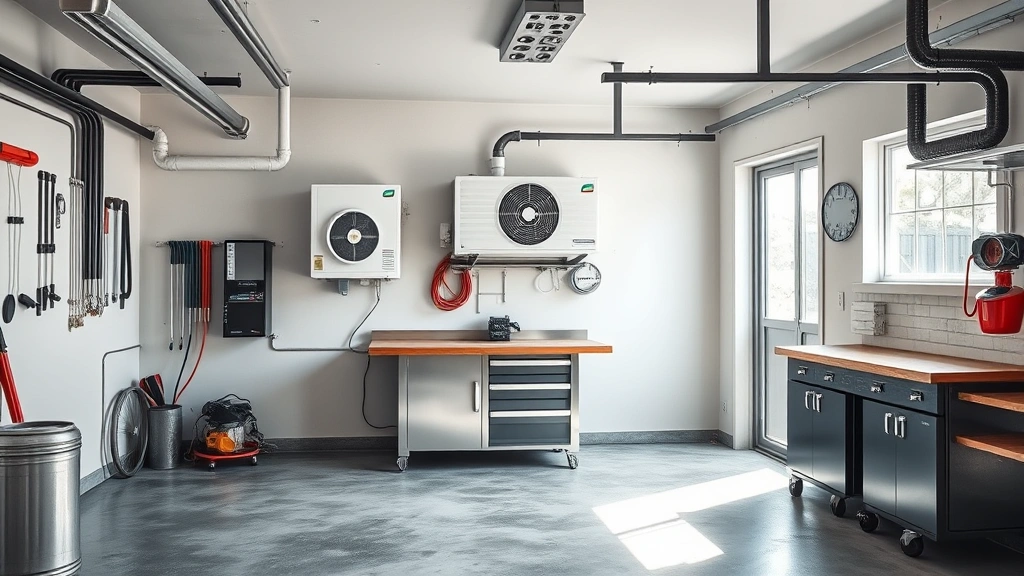
Heat pumps represent the most promising alternative for garage heating. These systems extract ambient heat from outside air and transfer it indoors, requiring far less energy than direct electric heating. Modern air-source heat pumps achieve coefficients of performance (COP) of 3-4, meaning they deliver 3-4 units of heat for every unit of electricity consumed. In moderate climates, heat pumps provide efficient heating without supplemental resistance heating.
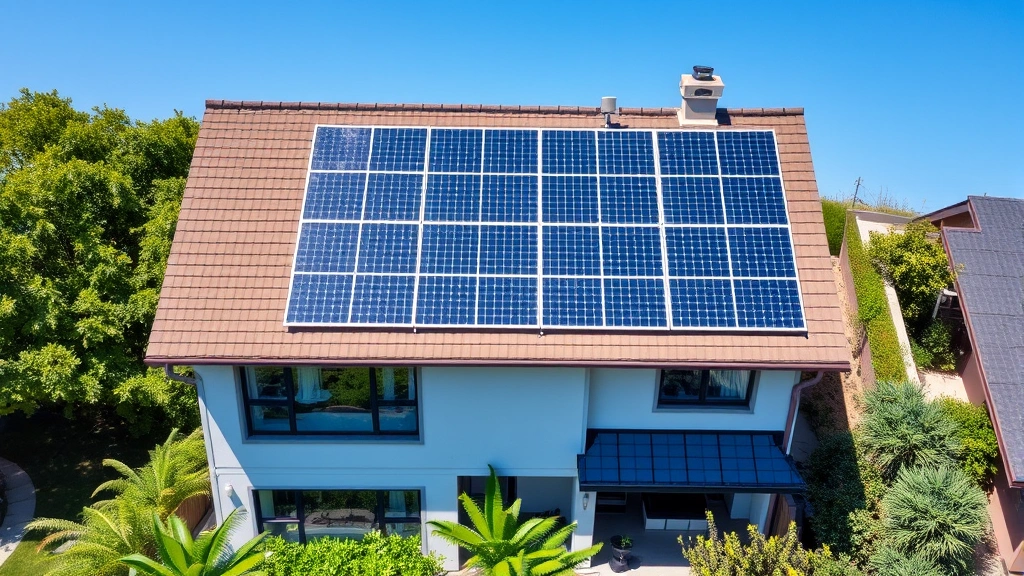
Heat pump technology aligns perfectly with advantages of electric vehicles and broader electrification strategies, particularly as electricity grids transition toward renewable sources. Homeowners can further enhance sustainability by pairing heat pumps with rooftop solar panels or renewable energy plans from their utility providers.
Radiant Electric Heating
Electric radiant heating systems distribute warmth through heated panels, cables, or tubes installed in garage flooring or walls. These systems excel at zone heating—warming only the spaces where work occurs—dramatically reducing energy consumption compared to heating entire garages. Radiant heat feels more comfortable at lower air temperatures, enabling thermostat setbacks that further reduce consumption.
Installation costs exceed simple space heaters, but lifecycle savings and environmental benefits justify the investment. Radiant systems integrate seamlessly with renewable electricity sources and eliminate combustion byproducts entirely.
Infrared Heating Technology
Modern infrared heaters emit electromagnetic radiation that warms objects and people directly rather than heating surrounding air. This approach reduces energy waste significantly—you’re not heating the entire garage volume, just the areas and objects requiring warmth. High-efficiency infrared units consuming 1500-3000 watts can effectively heat functional work zones while using far less energy than traditional systems.
Ceiling-mounted or wall-mounted infrared heaters occupy minimal space and require no ductwork or complex installation. For garages used intermittently, infrared heating provides responsive warmth exactly when needed.
Thermal Mass and Passive Solar Design
Before installing any heating system, optimize garage design to minimize heating requirements. Improved insulation in garage doors, walls, and ceilings reduces heat loss substantially. Strategic window placement captures solar heat during winter days, particularly effective in climates with reliable winter sunshine.
Thermal mass materials—concrete floors, masonry walls—absorb solar heat during the day and release it gradually at night. This passive approach requires no operational energy and works synergistically with any active heating system. Implementing how to save energy at home strategies in garage design can reduce heating demands by 30-50%.
Biomass Heating
In specific contexts, sustainably sourced biomass heating offers carbon-neutral alternatives. Wood pellet heaters or small-scale biomass boilers can provide heating if sourced from responsibly managed forests. However, biomass requires careful sourcing verification and local regulatory compliance. This option suits homeowners with access to certified sustainable fuel sources and proper ventilation infrastructure.
Long-Term Cost Comparison
Initial purchase and installation costs favor gas heaters—basic models cost $300-800 with installation around $500-2000. Electric alternatives require higher upfront investment: quality heat pumps cost $2500-5000 installed, radiant systems $1500-3500, and infrared heaters $500-2000 depending on coverage needs.
Operating costs tell a different story. Natural gas currently costs $1-3 per therm in most regions, while electricity averages $0.12-0.18 per kilowatt-hour. Due to superior efficiency, electric heat pumps typically cost 40-60% less to operate annually than gas heaters. Over a 15-20 year equipment lifespan, cumulative savings from electric systems often exceed $3000-6000, offsetting higher initial costs.
Future cost trajectories favor electric heating further. Natural gas prices exhibit volatility and long-term upward pressure as fossil fuel reserves decline. Renewable electricity costs continue declining—solar and wind now represent the cheapest electricity sources in many markets. Homeowners installing electric heating systems position themselves advantageously for cost-effective operation throughout the equipment’s lifetime.
Federal tax credits and rebates enhance electric heating economics. The Inflation Reduction Act provides substantial incentives for heat pump installations, while many states and utilities offer additional rebates. These incentives can recover 25-50% of equipment costs, dramatically improving return on investment calculations.
Implementation Guide for Sustainable Garage Heating
Step 1: Assess Your Garage Heating Needs
Evaluate actual heating requirements honestly. Do you need constant background heat, or occasional warmth during specific activities? Garage size, climate zone, insulation quality, and usage patterns determine appropriate system sizing. Oversized systems waste energy; undersized systems fail to deliver comfort. Professional energy audits identify optimal heating loads and system specifications.
Step 2: Improve Garage Envelope Performance
Before investing in heating equipment, maximize insulation and air sealing. Upgrade garage door insulation, seal air leaks around windows and doors, and insulate walls and ceiling. These improvements reduce heating demands by 30-50%, allowing smaller, more affordable heating systems to meet requirements. This approach delivers the highest return on environmental investment.
Step 3: Evaluate System Options Against Your Priorities
Compare available heating alternatives considering:
- Climate appropriateness (heat pumps work better in moderate climates)
- Available space for equipment installation
- Electrical service capacity (some systems require panel upgrades)
- Maintenance requirements and complexity
- Long-term cost projections in your region
- Alignment with your renewable energy goals
Step 4: Explore Renewable Energy Integration
Maximize sustainability by powering electric heating systems with renewable electricity. Install rooftop solar panels, subscribe to renewable energy plans from utilities, or invest in community solar projects. This transforms garage heating from a carbon liability into a truly sustainable operation. Learn more about green technology innovations that can enhance your heating system’s environmental performance.
Step 5: Implement Smart Controls
Programmable thermostats, occupancy sensors, and smart scheduling ensure heating operates only when needed. Temperature setbacks during unoccupied periods reduce consumption significantly. Modern controls learn usage patterns and optimize efficiency automatically, reducing operational costs while lowering environmental impact.
Step 6: Monitor and Optimize
Track heating energy consumption and costs after system installation. Monitor performance against baseline expectations and identify optimization opportunities. Many modern systems provide detailed usage data through smartphone apps, enabling informed adjustments that enhance both efficiency and comfort.
Frequently Asked Questions
Are gas garage heaters truly non-eco-friendly?
Gas heaters produce direct carbon emissions from combustion plus upstream emissions from fuel extraction and distribution. While more efficient than older electric resistance heating, gas systems cannot match modern heat pump efficiency or align with renewable energy transitions. For climate-conscious homeowners, gas heating represents a step backward from sustainability goals.
Can heat pumps work effectively in cold climates?
Modern cold-climate heat pumps operate efficiently in temperatures as low as -15°F to -25°F. While efficiency declines at extreme cold, many regions experience adequate winter temperatures for reliable heat pump operation. In extremely cold climates, hybrid systems combining heat pumps with supplemental resistance heating optimize both efficiency and reliability.
What’s the lifespan of electric heating systems?
Quality heat pumps typically last 15-25 years with proper maintenance. Radiant heating systems last 20-30+ years since they contain no moving parts. Infrared heaters last 10-15 years. These lifespans compare favorably with gas heater longevity while delivering lower operational costs.
Do I need to upgrade my electrical service?
Many electric heating systems operate within existing electrical capacity, particularly if sized appropriately. However, some installations may require panel upgrades, ranging from $500-2000. Professional electricians assess capacity during system design and recommend upgrades only when necessary.
How much can I save by switching from gas to electric heating?
Annual savings typically range from $300-800 depending on climate, usage patterns, and local utility rates. Over 20 years, cumulative savings often exceed $6000-16000, significantly offsetting higher initial equipment costs. Federal incentives further improve financial returns.
What maintenance do electric heating systems require?
Heat pumps require annual professional maintenance including refrigerant checks and filter replacement—roughly $150-300 annually. Radiant systems require minimal maintenance beyond occasional inspections. Infrared heaters need only occasional cleaning. This contrasts with gas heaters requiring regular inspections, tune-ups, and potential repairs to combustion components.
Can I combine multiple heating approaches?
Absolutely. Hybrid systems combining heat pumps for primary heating with infrared supplemental heating for work zones optimize both efficiency and comfort. Passive solar design combined with active systems reduces overall energy consumption. Strategic layering of heating approaches delivers superior results compared to single-system reliance.
What about existing gas heaters—should I replace mine immediately?
Replacing functioning equipment prematurely generates unnecessary embodied carbon. Continue operating existing systems while planning upgrades when equipment reaches end-of-life or if major repairs become necessary. Use this interim period to improve garage insulation and explore financing options for sustainable replacements.
The question of whether gas garage heaters qualify as eco-friendly has a clear answer: they do not. However, the path forward offers excellent alternatives that deliver superior environmental performance, lower long-term costs, and improved functionality. By systematically evaluating your heating needs, optimizing garage design, and selecting appropriate electric or renewable heating systems, you can maintain comfortable garage conditions while meaningfully reducing your household carbon footprint. The transition from fossil fuel heating represents a practical, economically sensible step toward sustainable living that generates benefits for both your household and the planet.


