Optimize Fuel Efficiency: Expert Tips for Smarter Driving and Lower Emissions
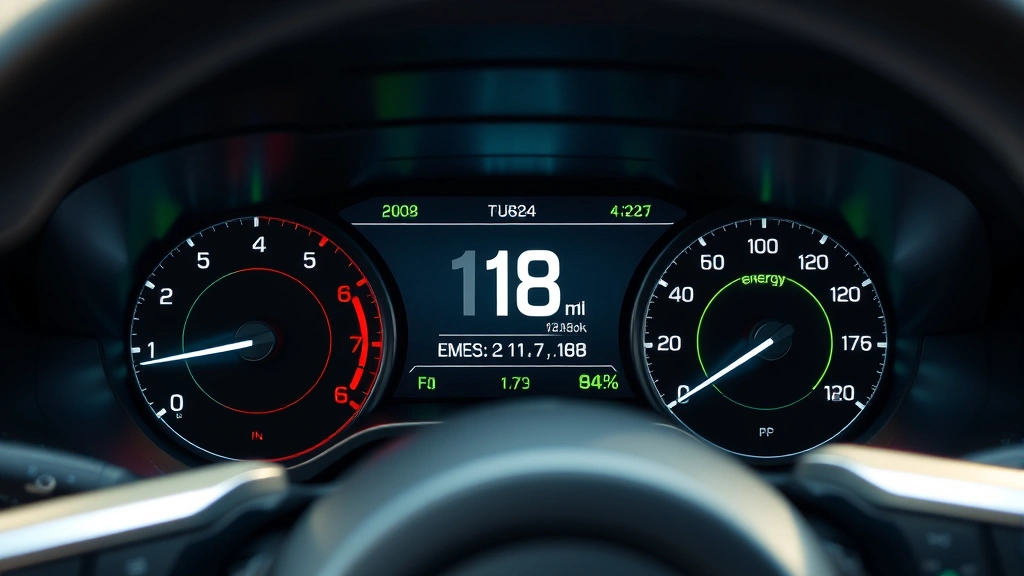
Your gas gauge tells an important story about your vehicle’s efficiency and environmental impact. Every time you fill up, you’re making a choice that affects both your wallet and the planet. Fuel efficiency isn’t just about stretching your budget further—it’s about reducing your carbon footprint, decreasing dependence on fossil fuels, and contributing to cleaner air quality in your community. Whether you drive a conventional vehicle or are considering alternatives, understanding how to optimize fuel efficiency is one of the most practical sustainability decisions you can make today.
The transportation sector accounts for a significant portion of global greenhouse gas emissions, with personal vehicles representing a major component. By implementing strategic driving habits and vehicle maintenance practices, you can reduce fuel consumption by up to 25%, according to the U.S. Environmental Protection Agency. This guide provides actionable expert tips to help you maximize fuel efficiency while supporting a more sustainable future.
Understanding Fuel Efficiency and Your Gas Gauge
Your gas gauge is more than just an indicator of when you need to refuel—it’s a window into your vehicle’s efficiency performance. Modern vehicles often display real-time fuel consumption data, measured in miles per gallon (MPG) or liters per 100 kilometers (L/100km). Understanding these metrics helps you identify patterns in your driving behavior and recognize when changes are needed.
Fuel efficiency is influenced by numerous factors: engine type, vehicle weight, aerodynamics, driving conditions, and driver behavior. Cold weather, aggressive acceleration, excessive idling, and highway driving at high speeds all reduce fuel economy. Conversely, steady acceleration, moderate speeds, and well-maintained engines improve efficiency. The relationship between your driving patterns and what your gas gauge reveals is direct and measurable.
When you explore sustainable energy solutions, fuel efficiency becomes a bridge between conventional transportation and environmental responsibility. Even if you’re not ready to transition to electric vehicles, optimizing your current vehicle’s performance is a meaningful step toward reducing your environmental impact.
Key efficiency metrics to understand:
- Combined MPG (city and highway average)
- Real-time fuel consumption displays
- Trip average efficiency calculations
- Instantaneous efficiency readings during acceleration
- Historical efficiency trends over weeks and months
Driving Habits That Maximize Fuel Economy
Your driving behavior directly impacts how quickly your gas gauge drops. Implementing conscious driving techniques can yield dramatic improvements in fuel efficiency without sacrificing safety or comfort.
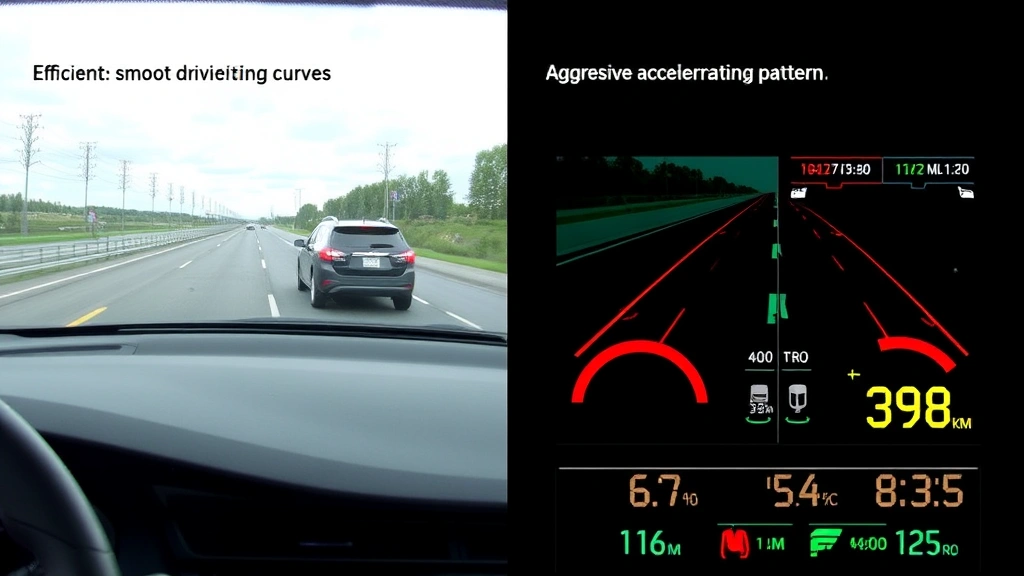
Smooth Acceleration and Deceleration: Aggressive acceleration consumes significantly more fuel than gradual speed increases. When you press the accelerator hard, your engine works inefficiently, burning excess fuel to generate power. Instead, accelerate smoothly over 5-10 seconds when starting from a stop. This habit alone can improve fuel economy by 10-15%. Similarly, when braking, anticipate stops rather than applying sudden pressure to the pedal. Gentle deceleration allows your vehicle to use engine braking, reducing fuel consumption.
Maintain Consistent Speeds: Highway driving at constant speeds is more efficient than fluctuating between different velocities. Aim for steady speeds, ideally between 45-65 mph, where most vehicles achieve optimal fuel economy. Every 5 mph increase above 50 mph decreases fuel efficiency by approximately 7%, according to the EPA vehicle efficiency guidelines. Using cruise control on highways helps maintain consistent speeds and reduces unnecessary throttle adjustments.
Reduce Idling: Modern engines use more fuel idling than restarting, contrary to older automotive myths. If you’ll be stationary for more than 10 seconds, turn off your engine. This applies to waiting in drive-throughs, at railroad crossings, or during traffic jams. Idling produces zero miles per gallon—it’s pure waste. Over a year, reducing unnecessary idling can save hundreds of gallons of fuel.
Plan Efficient Routes: Before departing, identify the most direct route to your destination. Websites and apps that provide real-time traffic information help you avoid congested areas where fuel consumption spikes due to frequent stopping and starting. Consolidating errands into a single trip rather than making multiple separate journeys maximizes overall efficiency. A warm engine operates more efficiently, so completing all errands in one outing optimizes fuel consumption.
Remove Excess Weight: Every 100 pounds of extra weight reduces fuel economy by approximately 1-2%. Remove unnecessary items from your vehicle—roof racks, cargo carriers, or heavy equipment you’re not actively using. Even keeping your trunk empty rather than using it as storage contributes to better efficiency.
Vehicle Maintenance for Optimal Performance
A well-maintained vehicle is an efficient vehicle. Regular maintenance directly impacts how your gas gauge behaves and how long fuel lasts between fill-ups.
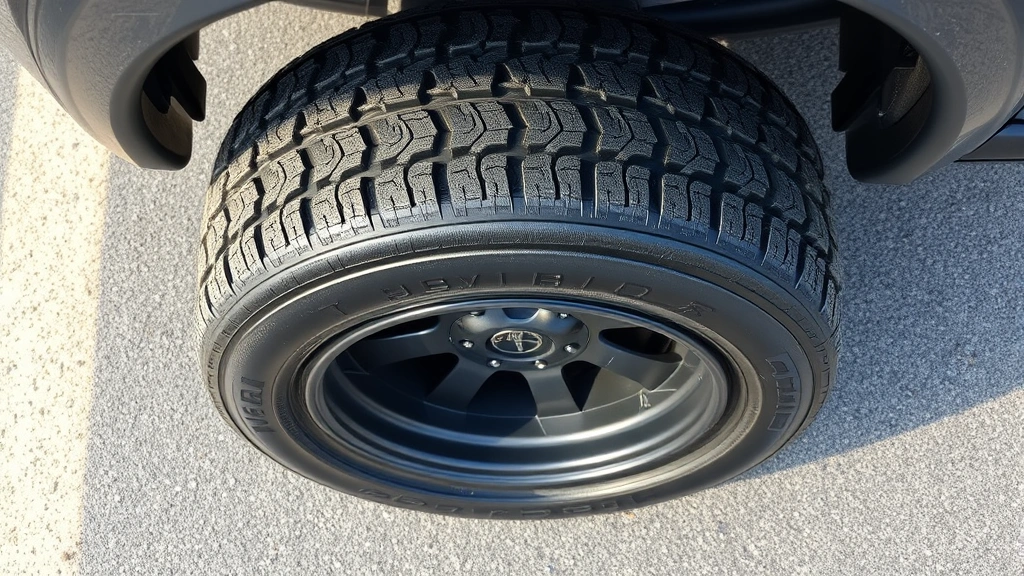
Tire Pressure and Condition: Under-inflated tires create additional rolling resistance, forcing your engine to work harder and consume more fuel. Check tire pressure monthly and maintain the PSI recommended in your vehicle’s owner manual (found on the driver’s door jamb, not the tire sidewall). Properly inflated tires can improve fuel economy by 3-5%. Additionally, worn tire tread reduces traction and efficiency. Replace tires when tread depth falls below 4/32 of an inch. Wheel alignment also matters—misaligned wheels increase drag and reduce efficiency.
Engine Air Filter Replacement: A clean engine air filter allows your engine to breathe efficiently. A clogged filter forces the engine to work harder, increasing fuel consumption. Replace your engine air filter every 15,000-30,000 miles, or more frequently if you drive in dusty conditions. This simple maintenance task costs minimal money but delivers measurable efficiency improvements.
Oil Changes and Synthetic Oil: Using the correct oil grade specified in your owner’s manual is crucial. Synthetic oils often provide better fuel economy than conventional oils due to superior lubrication properties and lower viscosity. Regular oil changes prevent engine sludge buildup, which increases friction and reduces efficiency. Follow your vehicle manufacturer’s recommended oil change intervals.
Fuel System Cleaning: Over time, fuel injectors accumulate deposits that affect spray patterns and combustion efficiency. Using fuel system cleaners or having your fuel injectors professionally cleaned improves engine performance and fuel economy. Many modern fuels include detergents, but periodic professional cleaning provides additional benefits.
Spark Plugs and Engine Tune-ups: Worn spark plugs cause incomplete combustion, reducing efficiency and increasing emissions. Replace spark plugs according to your manufacturer’s recommendations. A complete engine tune-up, including checking ignition timing and fuel pressure, ensures optimal performance.
Technology and Tools for Monitoring Efficiency
Modern vehicles offer sophisticated tools for tracking and optimizing fuel efficiency. Understanding and utilizing these technologies empowers you to make real-time driving adjustments.
Onboard Diagnostic Systems: Most vehicles manufactured after 1996 include onboard diagnostic (OBD) systems that monitor engine performance. Your vehicle’s dashboard display provides real-time MPG information, which helps you immediately recognize when driving habits reduce efficiency. Some vehicles show instantaneous fuel consumption, allowing you to adjust acceleration or speed to maximize economy. Pay attention to this feedback—it’s your vehicle telling you whether your driving style is efficient.
Mobile Apps and Fuel Tracking: Dedicated fuel tracking applications help you monitor long-term efficiency trends. Apps like Fuelly allow you to log fuel fill-ups and track MPG over months and years. This data reveals seasonal patterns, identifies when maintenance is needed (declining efficiency often signals mechanical issues), and provides motivation through efficiency challenges.
GPS and Navigation Systems: Modern GPS navigation systems optimize routing for fuel efficiency, not just speed. Some systems consider traffic patterns, road grades, and weather conditions to suggest the most fuel-efficient route. Using these recommendations, particularly for long trips, reduces overall fuel consumption.
Telematics and Connected Vehicle Systems: Newer vehicles with telematics capabilities provide detailed efficiency analytics through manufacturer apps. These systems track acceleration patterns, braking habits, and speed profiles, offering personalized recommendations for improvement. Some insurance companies offer discounts for drivers who demonstrate efficient driving patterns through telematics monitoring.
Route Planning and Trip Consolidation
How you organize your journeys significantly impacts overall fuel consumption. Strategic planning reduces the total distance traveled and minimizes inefficient driving conditions.
Consolidate Errands: Multiple short trips throughout the week consume more fuel than a single consolidated trip. A cold engine operates less efficiently, so combining errands into one outing—visiting the grocery store, pharmacy, and bank in sequence—allows your engine to reach optimal operating temperature and maintain efficiency throughout. If possible, plan errands in a logical geographic sequence to minimize backtracking.
Avoid Peak Traffic Times: Driving during congested periods means frequent acceleration, braking, and idling—all fuel-intensive activities. Adjusting your departure time to avoid rush hour, even by 30 minutes, can significantly reduce fuel consumption. Remote work flexibility, flexible scheduling, or carpooling arrangements help you avoid peak traffic periods.
Consider the advantages of electric vehicles for frequent short trips. Electric vehicles excel at urban driving with frequent stops, where conventional vehicles waste fuel. If most of your driving involves short commutes, an EV might dramatically reduce your transportation fuel consumption.
Proximity Planning: When possible, relocate activities closer together or choose destinations within reasonable driving distance. Working from home one or two days weekly, shopping at nearby stores, or joining local recreational facilities reduces cumulative mileage and fuel consumption. Over a year, these adjustments compound into substantial fuel savings and emissions reductions.
Vehicle Selection and Fuel Type Considerations
The vehicle you drive fundamentally determines fuel efficiency potential. If you’re considering a new vehicle, fuel economy should be a primary selection criterion.
Vehicle Size and Type: Smaller, lighter vehicles are inherently more efficient than larger ones. Sedans and hatchbacks typically achieve better fuel economy than SUVs and trucks. However, if you need the capacity of a larger vehicle, choosing the most efficient option in that category remains important. Aerodynamic design also impacts efficiency—vehicles with lower drag coefficients consume less fuel at highway speeds.
Engine Size and Type: Smaller, turbocharged engines often provide better fuel economy than larger naturally-aspirated engines while maintaining comparable power. Hybrid vehicles combine gasoline engines with electric motors, capturing energy from braking and using it to power the vehicle during low-speed driving. Hybrids achieve 20-50% better fuel economy than comparable conventional vehicles, particularly in city driving.
Fuel Type Options: Gasoline and diesel engines each have efficiency characteristics. Diesel engines achieve 20-30% better fuel economy than gasoline engines but typically cost more upfront. If you drive high annual mileage, diesel payback periods are reasonable. Ethanol-blended fuels like E10 and E15 contain renewable components but have slightly lower energy content than pure gasoline, reducing efficiency by 3-5%.
When exploring broader sustainability strategies, green technology innovations increasingly focus on alternative powertrains. Electric vehicles produce zero tailpipe emissions and achieve efficiency equivalents of 80+ MPG when accounting for electricity consumption. Plug-in hybrids offer flexibility for drivers with variable driving patterns, using electric power for daily commutes and gasoline for longer trips.
Fuel Economy Ratings: The EPA provides standardized fuel economy ratings for all new vehicles. The fueleconomy.gov website allows you to compare vehicles side-by-side, considering combined city and highway performance. These ratings help you make informed purchasing decisions aligned with your efficiency goals.
FAQ
What’s the most effective way to improve fuel efficiency immediately?
Adjusting your driving habits delivers the fastest results. Smooth acceleration, maintaining consistent speeds, and reducing idling can improve fuel economy by 10-25% within days. These behavioral changes cost nothing and provide immediate feedback through your gas gauge and fuel consumption displays.
How often should I check my tire pressure for optimal efficiency?
Check tire pressure at least monthly, and before long trips. Tire pressure fluctuates with temperature changes—cold weather can reduce pressure by 1 PSI per 10-degree Fahrenheit drop. Always check pressure when tires are cold, before driving, for accurate readings.
Does premium gasoline improve fuel efficiency?
Premium gasoline only benefits vehicles with high-compression engines designed for it. Most vehicles operate optimally on regular gasoline. Using premium in a regular-gasoline vehicle provides no efficiency improvement and wastes money. Consult your owner’s manual for the appropriate fuel grade.
Can I improve fuel efficiency with fuel additives?
Quality fuel additives can help, but their benefits are modest—typically 1-3% improvement. Modern gasoline already includes detergents required by the EPA. If you use Top Tier gasoline brands, additional additives provide minimal benefit. Focus on maintenance and driving habits for more substantial improvements.
How does weather affect fuel efficiency?
Cold weather reduces fuel economy by 15-20% due to increased engine friction, thicker fluids, and longer warm-up periods. Winter tires have higher rolling resistance than all-season tires. Extreme heat also reduces efficiency by increasing air conditioning load. Plan for seasonal variations when budgeting fuel costs.
Should I switch to synthetic oil to improve fuel efficiency?
Synthetic oil can improve fuel economy by 1-3% compared to conventional oil due to lower viscosity and better lubrication properties. While synthetic costs more per change, longer intervals between changes can offset costs. Check your manufacturer’s recommendations for the best choice for your vehicle.
What’s the relationship between fuel efficiency and emissions?
Vehicles that consume less fuel produce fewer emissions. Improving fuel economy directly reduces greenhouse gases, particulate matter, and harmful pollutants. By optimizing your gas gauge behavior, you’re simultaneously reducing your environmental impact and transportation costs.


