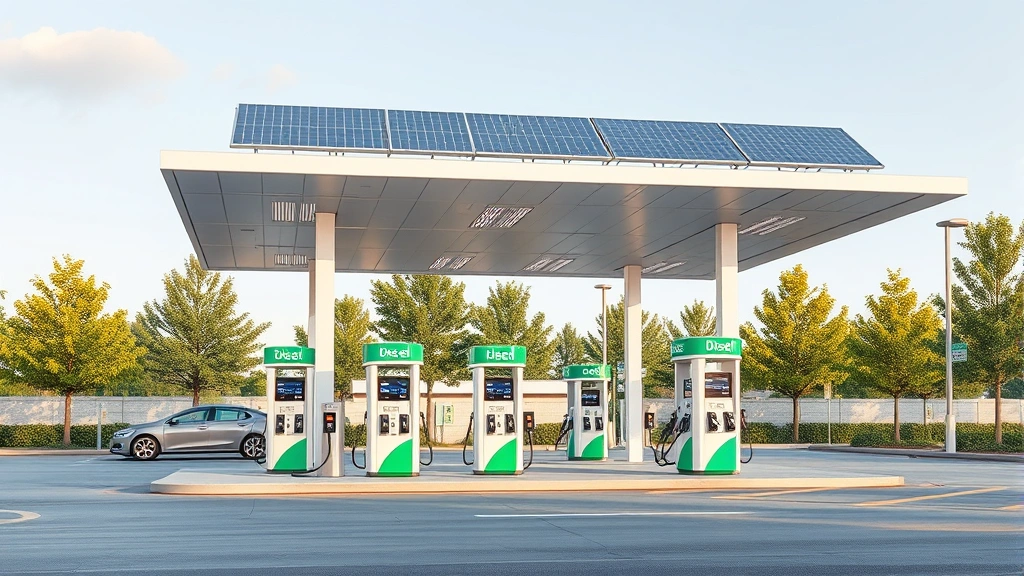
Renewable Fuel: The Future of Gas Stations?
The global energy landscape is undergoing a seismic shift. Traditional gas stations, iconic symbols of the petroleum era, face an uncertain future as renewable fuels gain momentum and electric vehicles reshape transportation. Yet the story isn’t one of simple replacement—it’s a complex evolution where conventional fueling infrastructure adapts, transforms, and integrates new energy sources. Understanding this transition requires examining what renewable fuels are, how sustainable energy solutions are reshaping the industry, and what the next generation of fuel stations might look like.
Today’s gas station names—Shell, Chevron, ExxonMobil, BP, and countless regional brands—represent more than just commercial identities. They symbolize decades of automotive culture and energy infrastructure. As we pivot toward sustainability, these same companies and new entrants are rebranding, retrofitting, and reimagining their operations. The question isn’t whether renewable fuels will matter; it’s how quickly and completely the industry will transform, and whether traditional gas stations will evolve or become obsolete.
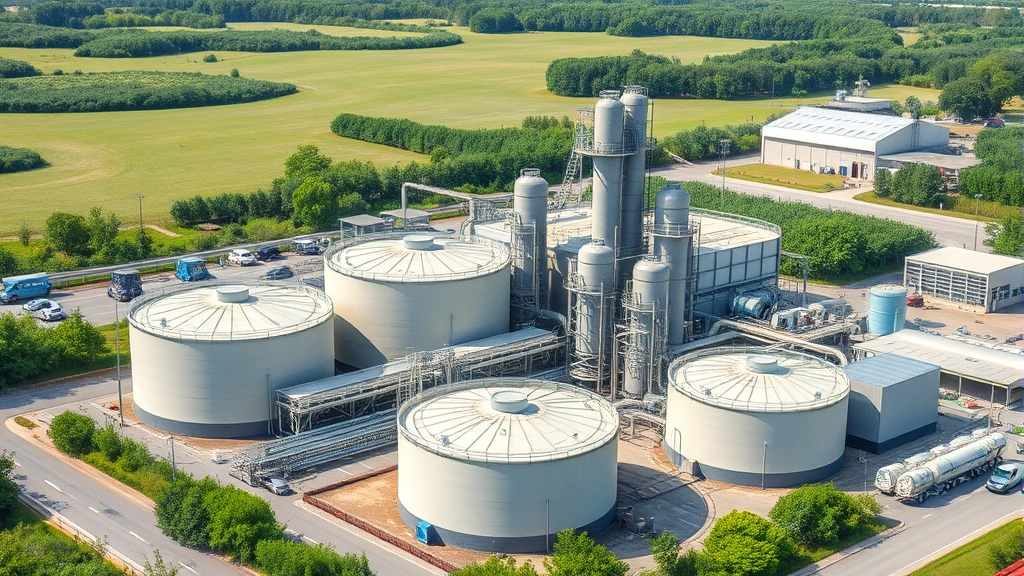
What Are Renewable Fuels and Why They Matter
Renewable fuels represent a fundamental departure from fossil fuel dependence. Unlike petroleum extracted from finite underground reserves, renewable fuels derive from biological resources that can be regenerated—crops, waste materials, algae, and other organic matter. These fuels can be produced domestically, reducing geopolitical energy dependencies while significantly lowering greenhouse gas emissions throughout their lifecycle.
The importance of renewable fuels extends beyond environmental concerns. According to the U.S. Environmental Protection Agency, renewable fuels have displaced billions of gallons of petroleum annually, preventing millions of metric tons of carbon dioxide emissions. This transition aligns with global climate commitments and national decarbonization targets, making renewable fuels essential to achieving net-zero emissions by mid-century.
Understanding the definition of sustainability helps clarify why renewable fuels matter. Sustainability demands that we meet current energy needs without compromising future generations’ ability to meet theirs. Renewable fuels accomplish this by creating closed-loop systems where carbon captured by growing plants offsets emissions during combustion.

Major Gas Station Brands Adapting to Renewable Fuel
Traditional petroleum giants aren’t sitting passively as the energy transition unfolds. Major gas station names are actively repositioning themselves:
- Shell has committed to becoming a net-zero emissions energy company by 2050, investing heavily in renewable fuels and hydrogen infrastructure. Their stations increasingly offer biofuel blends and electric charging capabilities.
- BP rebranded its identity beyond petroleum, launching the bp pulse electric charging network while expanding renewable fuel offerings at traditional stations.
- ExxonMobil is developing advanced biofuels and exploring carbon capture technologies, positioning renewable fuel integration into existing station networks.
- Chevron acquired renewable fuel producers and is scaling sustainable aviation fuel (SAF) production, recognizing aviation’s growing decarbonization needs.
- TravelCenters of America and Love’s Travel Stops now offer renewable diesel and biodiesel at numerous locations across North America.
- Speedway and regional chains are retrofitting stations to accommodate alternative fuel pumps alongside traditional gasoline dispensers.
These transitions aren’t merely marketing exercises. They reflect genuine capital investments, supply chain restructuring, and long-term strategic pivots acknowledging that green technology innovations are transforming our future.
Types of Renewable Fuels Reshaping the Industry
Multiple renewable fuel categories are simultaneously emerging, each with distinct characteristics and applications:
Biodiesel and Renewable Diesel represent the most established renewable fuels. Biodiesel derives from vegetable oils or animal fats, while renewable diesel uses similar feedstocks but undergoes hydrotreating to achieve petroleum-diesel equivalence. Both reduce lifecycle emissions by 50-86% compared to conventional diesel and can be blended at any concentration with traditional diesel.
Ethanol and Advanced Biofuels have dominated U.S. renewable fuel markets for two decades. Corn-based ethanol provides immediate emission reductions, while advanced biofuels from agricultural waste, algae, and other cellulosic materials offer superior environmental performance. E10 (10% ethanol) is widely available, with E15 (15% ethanol) expanding at modern gas stations.
Sustainable Aviation Fuel (SAF) addresses aviation’s decarbonization challenge. Derived from renewable feedstocks, SAF can reduce lifecycle emissions by up to 80%. While currently expensive and limited in availability, aviation fuel stations represent a growing segment of renewable fuel infrastructure.
Hydrogen and Green Hydrogen represent the frontier of renewable fuel technology. Green hydrogen, produced through electrolysis powered by renewable electricity, offers zero-emission combustion. Hydrogen stations are emerging in California, Germany, and Japan, though infrastructure remains nascent.
Synthetic Fuels (E-Fuels) combine renewable electricity with captured carbon dioxide to create liquid fuels chemically identical to gasoline or diesel. While promising for reducing lifecycle emissions, synthetic fuels remain expensive and require significant renewable electricity scaling.
Infrastructure Changes at Modern Fuel Stations
The physical transformation of gas stations reflects this fuel diversification. Modern stations increasingly feature:
- Multi-fuel dispensing systems that deliver gasoline, diesel, biodiesel, ethanol blends, and hydrogen from single unified infrastructure.
- Electric vehicle charging stations integrated into traditional fuel station properties, with Level 2 chargers and DC fast chargers becoming standard amenities.
- Hydrogen dispensing infrastructure requiring specialized equipment, safety systems, and storage solutions adapted from industrial hydrogen applications.
- Biofuel blending equipment enabling real-time mixing of renewable and conventional fuels to optimize cost and environmental performance.
- Advanced payment and digital systems tracking fuel type, emissions reductions, and environmental impact for consumer awareness.
- Renewable energy generation through rooftop solar panels and wind turbines powering station operations and EV charging.
These infrastructure upgrades require substantial capital investment. A single hydrogen fueling station costs $1-4 million to construct, while comprehensive electrification retrofits for traditional stations range from $100,000 to $500,000 depending on scale and technology integration.
Environmental Impact and Carbon Reduction
The environmental case for renewable fuels is compelling. The National Renewable Energy Laboratory demonstrates that renewable fuel adoption reduces lifecycle greenhouse gas emissions across multiple pathways:
Biodiesel and renewable diesel reduce carbon emissions by 50-86% compared to petroleum diesel when accounting for cultivation, processing, distribution, and combustion. This dramatic reduction occurs because renewable feedstocks capture atmospheric carbon during growth, offsetting combustion emissions. Agricultural waste utilization for advanced biofuels achieves even greater reductions—up to 300% when considering methane emission avoidance from landfill decomposition.
Ethanol blends reduce lifecycle emissions by 20-40%, with advanced cellulosic ethanol achieving 80%+ reductions. Hydrogen combustion produces zero direct emissions—only water vapor—though environmental benefit depends entirely on production methodology. Green hydrogen from renewable electricity represents true zero-emission fuel, while hydrogen from natural gas reforming provides only modest emissions reductions.
At the national scale, U.S. renewable fuel usage prevents approximately 600 million metric tons of CO2 equivalent emissions annually—equivalent to removing 130 million gasoline-powered vehicles from roads for one year. As renewable fuel penetration increases and advanced biofuels scale, these environmental benefits compound exponentially.
How to reduce your environmental footprint includes conscious fuel choices. Selecting renewable fuel blends when available, supporting stations investing in sustainable infrastructure, and transitioning to electric vehicles collectively accelerate the energy transition.
Economic Viability of Renewable Fuel Stations
Economic considerations fundamentally shape renewable fuel adoption rates. Renewable fuels currently cost 10-40% more than petroleum equivalents due to smaller production scale, feedstock costs, and processing complexity. However, this cost differential narrows as production scales and technology matures.
Government incentives significantly impact economics. The U.S. Renewable Fuel Standard mandates blending targets, creating guaranteed markets for renewable fuels. Tax credits, grants, and loan programs offset infrastructure investments. The Inflation Reduction Act allocated $369 billion toward clean energy, including substantial renewable fuel and hydrogen production investments.
For gas station operators, renewable fuel integration presents both challenges and opportunities. Stations in regions with strong policy support and environmental consciousness achieve premium pricing for renewable fuels, improving margins. However, requiring dual infrastructure (traditional and renewable) increases operational complexity and capital requirements.
Long-term economic viability depends on several factors: continued policy support, feedstock sustainability and cost reduction, consumer willingness to pay premiums, and technological advancement. Forecasts suggest renewable fuel cost parity with petroleum will occur within 5-15 years as production scales and efficiency improvements accumulate.
Consumer Adoption and Market Trends
Consumer behavior increasingly favors renewable fuel options. Surveys indicate 60-70% of drivers would use renewable fuels if conveniently available and price-competitive. Younger demographics show particularly strong preference for sustainable fuel alternatives, recognizing climate imperatives and long-term economic logic.
Market trends reveal accelerating renewable fuel adoption:
- Biodiesel and renewable diesel consumption grows 15-20% annually across North America and Europe.
- E15 ethanol blends expand rapidly, with availability increasing from 2,000 stations in 2010 to over 4,000 today.
- Hydrogen fueling stations, though still limited, grow in regions with supportive policies and vehicle manufacturer commitments.
- Electric vehicle charging integration at traditional fuel stations creates hybrid refueling ecosystems.
- Corporate sustainability commitments drive fleet operators toward renewable fuel adoption, creating predictable demand.
Gas station names themselves are evolving to reflect this transition. Traditional brands add sustainability messaging, while new entrants like Volta (EV charging), Evgo (EV networks), and H2 Green Steel (hydrogen production) reshape consumer perceptions of fuel infrastructure.
Challenges and Barriers to Transition
Despite promising trajectories, substantial barriers impede rapid renewable fuel transition:
Feedstock Sustainability Concerns persist around land use, water consumption, and food security. Palm oil-based biodiesel has driven rainforest deforestation, while corn ethanol raises food vs. fuel debates. Advanced biofuels using agricultural waste address these concerns but require technology maturation and scale.
Infrastructure Investment Requirements are enormous. Transitioning millions of gas stations globally requires hundreds of billions in capital. Coordinating these investments across public and private sectors, particularly in developing nations, presents logistical and financial challenges.
Vehicle Compatibility Issues limit some renewable fuels. Most vehicles tolerate E10 blends, but E15 requires newer engines. Hydrogen vehicles remain rare, with Toyota Mirai and Hyundai Nexo as primary offerings. Synthetic fuels require engine modifications or new vehicle designs.
Energy Density and Storage Challenges affect hydrogen and compressed gases. Hydrogen requires specialized storage, limiting station capacity and increasing safety considerations. Synthetic fuels promise better energy density but remain expensive and technologically immature.
Competing Technologies create strategic uncertainty. Electric vehicles, while growing rapidly, compete directly with renewable fuel vehicles for consumer adoption and infrastructure investment. Some analysts argue electrification will ultimately supersede combustion-based renewable fuels.
Policy Inconsistency across jurisdictions creates fragmented markets. Renewable fuel mandates, tax incentives, and vehicle emission standards vary significantly by region, complicating long-term business planning.
Explore sustainable energy solutions to understand comprehensive approaches addressing these barriers through integrated strategies combining multiple technologies and policies.
FAQ
Will traditional gas stations completely disappear?
Unlikely in the near term (20-30 years), but transformation is inevitable. Traditional petroleum-only stations will gradually convert to multi-fuel hubs offering renewable fuels, EV charging, and hydrogen. This evolution already occurs—major brands are retrofitting stations rather than abandoning them. Complete elimination depends on vehicle technology adoption rates and policy evolution.
Are renewable fuels truly carbon-neutral?
Renewable fuels are carbon-negative over their full lifecycle when produced sustainably. While combustion releases carbon, this carbon was recently captured from the atmosphere during feedstock growth. Advanced biofuels from waste materials achieve net carbon reduction by preventing methane emissions and utilizing otherwise-disposed resources. However, production processes require energy; renewable-powered production maximizes environmental benefits.
Which renewable fuel will dominate in 2040?
Likely a portfolio approach rather than single dominance. Biodiesel and renewable diesel will maintain strong positions for heavy transport. Advanced biofuels will expand for aviation and specialized applications. Electric vehicles will capture majority light-duty transportation, while hydrogen may dominate heavy industry and long-haul trucking. This diversified approach optimizes for different use cases and regional resources.
Can I use renewable fuels in my current vehicle?
Most vehicles tolerate biodiesel blends (B5-B20) without modification. E10 ethanol blends are compatible with nearly all modern gasoline engines. E15 requires 2012-or-newer vehicles in most markets. Hydrogen and synthetic fuels require specialized vehicles. Check your vehicle’s manual or manufacturer specifications before using higher-blend renewable fuels.
How do renewable fuel prices compare to conventional fuel?
Currently, renewable fuels cost 10-40% more than petroleum equivalents, though this varies by location, feedstock, and production scale. Government incentives often offset price premiums at the pump. As production scales and technology matures, cost parity is expected within 5-15 years. Long-term, renewable fuels may become cheaper as petroleum becomes scarce and carbon pricing increases.
What’s the difference between biodiesel and renewable diesel?
Both derive from renewable feedstocks but undergo different processing. Biodiesel uses transesterification, producing a fuel that’s 95% vegetable oil or animal fat. Renewable diesel uses hydrotreating, producing a fuel chemically identical to petroleum diesel. Renewable diesel offers superior cold-weather performance and longer storage stability, making it preferable for most applications.
Visit the Sustainability Reports database to explore major energy companies’ renewable fuel commitments and progress tracking.
The future of gas stations isn’t about choosing between renewable fuels and electric vehicles—it’s about creating integrated energy ecosystems serving diverse transportation needs. As our sustainability blog continues exploring these transformations, one certainty emerges: the gas stations of 2050 will bear little resemblance to today’s petroleum-centric model. Whether branded Shell, BP, or entirely new names, these facilities will represent humanity’s commitment to sustainable energy and climate responsibility.


