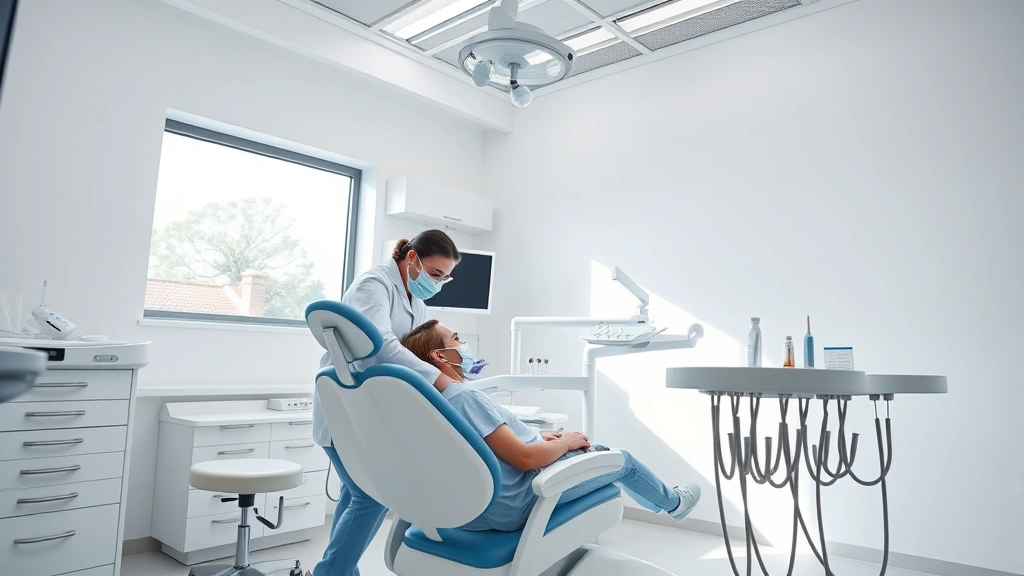
Is Nitrous Oxide Eco-Friendly? Dental Insights and Environmental Impact
Nitrous oxide, commonly known as laughing gas, has been a staple in dental practices for over a century. Dentists use this colorless, sweet-smelling gas to help patients relax during procedures, making dental visits less intimidating for anxious individuals. However, as environmental awareness grows, many people are asking critical questions about the sustainability of this widely used anesthetic. Is laughing gas dentist practice truly eco-friendly, or does it contribute to environmental degradation?
The answer is more complex than a simple yes or no. While nitrous oxide serves an important medical purpose in reducing patient anxiety and pain during dental procedures, it carries significant environmental consequences that dental professionals and patients should understand. This comprehensive guide explores the environmental impact of nitrous oxide, its role in climate change, current dental practices, and sustainable alternatives that modern dentistry is adopting.
Understanding Nitrous Oxide and Its Dental Applications
Nitrous oxide (N₂O) is a colorless, odorless gas with a slightly sweet smell that has been used in dentistry since the 1840s. In dental settings, it’s typically mixed with oxygen in a 50:50 ratio or other proportions, depending on the patient’s needs and the procedure being performed. The gas works by affecting the central nervous system, producing mild anesthesia and euphoria, which is why patients often feel relaxed and sometimes giddy during treatment.
Dentists appreciate nitrous oxide for several reasons. It provides rapid onset and offset of effects, meaning patients can quickly return to normal consciousness once the gas is discontinued. Unlike general anesthesia, nitrous oxide doesn’t require intubation or extensive recovery time. It’s cost-effective compared to other sedation methods and has a strong safety record when properly administered. The gas is particularly valuable for pediatric dentistry, where it helps children overcome dental anxiety and cooperate during necessary treatments.
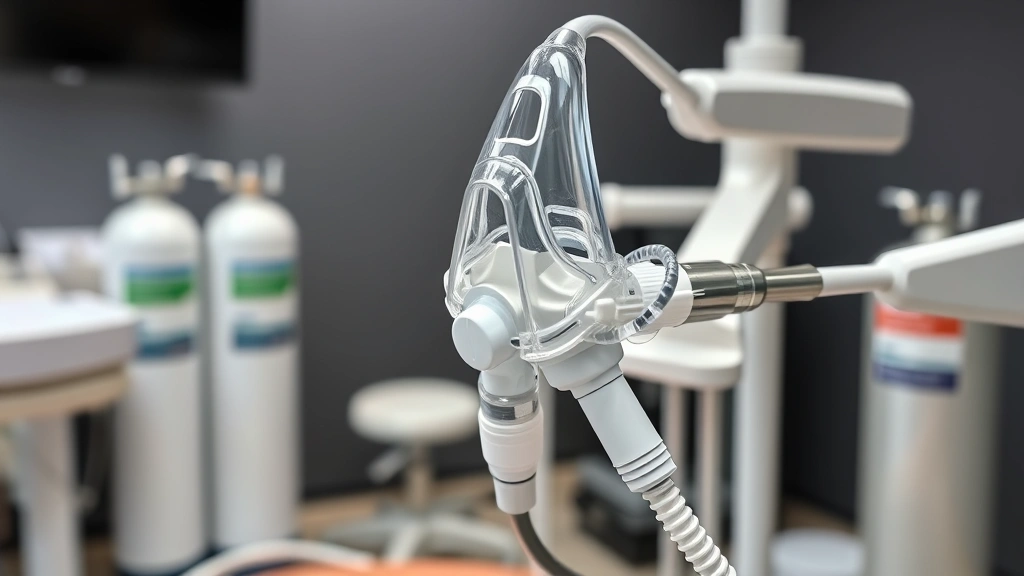
The typical dental administration involves a nasal mask system where the patient inhales the gas mixture throughout the procedure. Modern dental offices use scavenging systems designed to remove excess gas from the operatory, protecting both patients and staff from prolonged exposure. However, this scavenging process itself raises environmental questions about where this potent gas ultimately ends up.

Environmental Impact of Nitrous Oxide
Nitrous oxide is a potent greenhouse gas with a global warming potential approximately 265-310 times greater than carbon dioxide over a 100-year period. According to the EPA’s greenhouse gas overview, N₂O is one of the most significant long-lived climate forcers. While atmospheric concentrations of nitrous oxide are lower than carbon dioxide, its superior heat-trapping ability makes it a major contributor to climate change.
The dental industry’s contribution to nitrous oxide emissions may seem small compared to agricultural and industrial sources, yet it’s measurable and avoidable. Dental offices worldwide consume thousands of tons of nitrous oxide annually. When this gas escapes into the atmosphere—whether through scavenging systems, improper disposal, or leakage—it persists for approximately 114 years, continuously contributing to atmospheric warming and ozone layer depletion.
Beyond climate impact, nitrous oxide poses direct occupational health risks to dental professionals. Chronic exposure to even small concentrations can lead to vitamin B12 depletion, causing neurological complications including peripheral neuropathy, myelopathy, and cognitive dysfunction. Staff members in dental offices, particularly dental hygienists and assistants who work in these environments daily, face cumulative exposure risks that extend the environmental concern into a workplace health issue.
The production of nitrous oxide itself carries environmental costs. Manufacturing this gas requires energy-intensive chemical processes, typically involving the thermal decomposition of ammonium nitrate. The production facilities generate their own emissions and require resources for distribution, storage, and delivery to dental offices. Examining your environmental footprint means considering not just the use phase but the entire lifecycle of medical gases.
Climate Change Connection
Understanding nitrous oxide’s role in climate change requires examining its mechanism in the atmosphere. Once released, N₂O molecules rise into the stratosphere where ultraviolet radiation breaks them down, releasing nitrogen oxide radicals that catalyze ozone decomposition. This dual impact—both as a greenhouse gas and ozone-depleting substance—makes it particularly concerning from a climate perspective.
The NOAA Global Monitoring Laboratory tracks atmospheric nitrous oxide concentrations, which have been increasing at approximately 0.26% per year. While agriculture accounts for roughly 78% of anthropogenic N₂O emissions, medical and industrial sources contribute meaningfully to this upward trajectory. The dental sector’s contribution, though modest in percentage terms, represents emissions that could be eliminated through alternative approaches.
Climate scientists emphasize that every source of potent greenhouse gases matters when addressing global warming. The Intergovernmental Panel on Climate Change has identified reducing nitrous oxide emissions as a key component of climate mitigation strategies. While dental offices aren’t major industrial emitters, the cumulative effect of thousands of facilities worldwide using nitrous oxide daily contributes measurably to atmospheric concentrations of this persistent gas.
Moreover, the climate connection extends to healthcare system sustainability. As we develop sustainable energy solutions and work toward carbon neutrality in various sectors, healthcare must also adapt. Dental practices that transition away from nitrous oxide demonstrate commitment to environmental responsibility and align with broader healthcare sustainability goals.
Current Dental Industry Practices
The dental industry has been slow to address the environmental implications of nitrous oxide use, though awareness is gradually increasing. Most dental offices continue using nitrous oxide because it remains effective, affordable, and deeply embedded in clinical practice. Many dentists trained decades ago learned nitrous oxide administration as standard protocol and have continued the practice without questioning its environmental impact.
However, some progressive dental organizations and individual practitioners are beginning to acknowledge the issue. The British Dental Association and various environmental health organizations have called for reduced nitrous oxide use in dentistry. Some dental schools now include discussion of nitrous oxide’s environmental impact in their curricula, educating future dentists about sustainability considerations in practice management.
Current best practices for dental offices using nitrous oxide include proper scavenging systems that capture excess gas before it enters room air. These systems should achieve at least 90% capture efficiency. Regular maintenance of delivery equipment, proper training for staff, and monitoring of exposure levels help minimize both occupational and environmental impact. However, even with optimal scavenging systems, some nitrous oxide still escapes into the atmosphere through various pathways.
Dental office waste management protocols also matter. Cylinders of nitrous oxide should be properly recycled rather than disposed of as regular waste. Many dental suppliers now offer cylinder return and refilling programs, reducing the need for new production. Understanding your practice’s definition of sustainability should include examining every aspect of operations, including anesthetic gas management.
Sustainable Alternatives in Modern Dentistry
Fortunately, modern dentistry offers several alternatives to nitrous oxide for managing patient anxiety and pain. These alternatives vary in effectiveness, cost, and suitability for different clinical situations, but they provide options for environmentally conscious patients and practitioners.
Oral Sedation: Pre-operative medication administered as tablets or liquids can effectively reduce anxiety. Benzodiazepines like triazolam or midazolam produce calm states without the environmental impact of inhaled gases. Patients remain conscious but relaxed, similar to nitrous oxide effects. This approach requires careful dosing and monitoring but eliminates atmospheric emissions.
Cognitive Behavioral Techniques: Many dental offices now employ trained staff to help patients manage anxiety through relaxation breathing, visualization, and desensitization. These non-pharmacological approaches work remarkably well for mild to moderate anxiety and carry zero environmental impact. Dentists who specialize in anxious patient management often achieve excellent outcomes without any sedation.
Topical and Local Anesthetics: Modern local anesthetics administered via injection effectively numb treatment areas. Combined with proper pain management techniques and patient communication, local anesthesia alone often suffices without supplemental sedation. This approach aligns with broader trends toward minimally invasive dentistry.
Newer Inhalation Agents: Some dental practices are exploring alternative inhalation agents with lower global warming potential. Sevoflurane and other volatile anesthetics used in hospital settings have lower GWP than nitrous oxide, though they’re less commonly used in dental offices due to cost and regulatory considerations.
Acupuncture and Complementary Approaches: Some progressive dental offices incorporate acupuncture or other complementary techniques to reduce patient anxiety. While evidence is still developing, these approaches offer additional options for environmentally conscious practices seeking alternatives to nitrous oxide.
The transition from nitrous oxide to these alternatives represents an opportunity for dental practices to align with green technology innovations transforming our future. Progressive dental offices adopting these methods often report improved patient satisfaction and reduced staff occupational exposure risks alongside environmental benefits.
Regulatory Framework and Standards
Currently, no comprehensive regulatory restrictions on dental nitrous oxide use exist in most countries, though regulations are evolving. The European Union and some individual European countries have begun implementing stricter controls on nitrous oxide emissions across all sectors. The UK’s National Institute for Health and Care Excellence (NICE) has issued guidance recommending reduced nitrous oxide use in dental practice.
In the United States, the Occupational Safety and Health Administration (OSHA) sets exposure limits for dental workers handling nitrous oxide, primarily to protect occupational health. The permissible exposure limit is 25 ppm averaged over 8 hours, but these standards focus on worker safety rather than environmental impact. Environmental regulations through the EPA primarily address nitrous oxide from agricultural and industrial sources rather than healthcare.
Professional dental organizations increasingly acknowledge environmental concerns. The American Dental Association and other professional bodies are beginning to discuss sustainability in dentistry, including anesthetic gas management. Some state dental boards have started including environmental stewardship in their practice standards and continuing education requirements.
International agreements like the Montreal Protocol, which addresses ozone-depleting substances, and the Paris Agreement on climate change, provide frameworks that indirectly affect nitrous oxide regulation. As countries commit to emissions reductions, healthcare sectors including dentistry will face increasing pressure to eliminate unnecessary sources of potent greenhouse gases.
Patient Considerations and Choices
Patients can play an active role in reducing dental nitrous oxide use by discussing alternatives with their dentists. When scheduling appointments, asking whether your dentist offers non-nitrous oxide sedation options demonstrates demand for environmentally responsible practice. Many patients find they manage well with alternative anxiety-reduction techniques once they understand the options.
For patients with significant dental anxiety, several strategies support nitrous oxide-free appointments. Communicating openly with your dental team about fears allows them to adjust their approach. Bringing headphones to listen to music or podcasts provides distraction. Scheduling appointments early in the day when you’re less stressed helps. Building a trusting relationship with your dentist over multiple visits reduces anxiety as familiarity increases comfort.
Parents choosing pediatric dental care should ask about anxiety management approaches beyond nitrous oxide. Children often respond well to positive reinforcement, tell-show-do techniques, and desensitization. Many pediatric dentists successfully manage children’s anxiety without sedation, supporting both environmental goals and child development.
For patients requiring sedation due to severe anxiety or extensive procedures, discussing alternatives like oral sedation or IV sedation with your dentist helps identify the most appropriate option for your situation. Some patients benefit from referral to dental specialists trained in anxiety management or sedation dentistry using environmentally preferable methods.
Understanding how your healthcare choices affect broader environmental systems connects personal decisions to global impact. Just as examining advantages of electric vehicles helps individuals reduce transportation emissions, choosing nitrous oxide-free dental care contributes to healthcare sector sustainability.
FAQ
Is laughing gas dentist use safe for patients?
When properly administered with appropriate oxygen mixing and scavenging systems, nitrous oxide is generally safe for patients during dental procedures. However, chronic exposure—particularly for dental professionals—poses occupational health risks including vitamin B12 depletion and neurological complications. From an environmental perspective, while safe for individual use, the cumulative atmospheric impact is concerning.
How much does nitrous oxide contribute to global greenhouse gas emissions?
Dental nitrous oxide use represents a small percentage of total anthropogenic N₂O emissions, with agriculture responsible for approximately 78% of human-caused emissions. However, dental and medical sources contribute measurably, and these emissions are entirely avoidable through alternative sedation methods. Every source of potent greenhouse gases matters in climate mitigation efforts.
What are the best alternatives to nitrous oxide for dental anxiety?
Effective alternatives include oral sedation with benzodiazepines, cognitive behavioral techniques with trained staff, topical and local anesthetics, and non-pharmacological approaches like breathing exercises and visualization. The best choice depends on individual anxiety levels, medical history, and the specific dental procedure required. Discussing options with your dentist helps identify the most suitable approach.
Do all dental offices use nitrous oxide?
No, many dental practices have eliminated or significantly reduced nitrous oxide use. Progressive offices employ alternative anxiety management techniques and report successful outcomes without inhaled sedation. As awareness grows, more practices are transitioning away from nitrous oxide toward more sustainable approaches.
Can I request a nitrous oxide-free dental visit?
Absolutely. When scheduling appointments, specifically request nitrous oxide-free procedures. Discuss your anxiety concerns and ask what alternatives your dentist offers. Many dental professionals appreciate patients who communicate preferences, and most can accommodate requests for non-nitrous oxide sedation or anxiety management approaches.
How does nitrous oxide affect the ozone layer?
When nitrous oxide reaches the stratosphere, ultraviolet radiation breaks N₂O molecules into nitrogen oxide radicals. These radicals catalyze ozone decomposition, contributing to ozone layer depletion. This dual impact—as both a greenhouse gas and ozone-depleting substance—makes nitrous oxide particularly concerning from atmospheric chemistry perspectives.
What should dental offices do to reduce environmental impact?
Dental offices can reduce environmental impact by transitioning to alternative sedation methods, implementing proper scavenging systems for any remaining nitrous oxide use, ensuring proper cylinder recycling programs, training staff on best practices, and educating patients about sustainable alternatives. Some offices are exploring sustainability resources to guide comprehensive environmental improvements.


