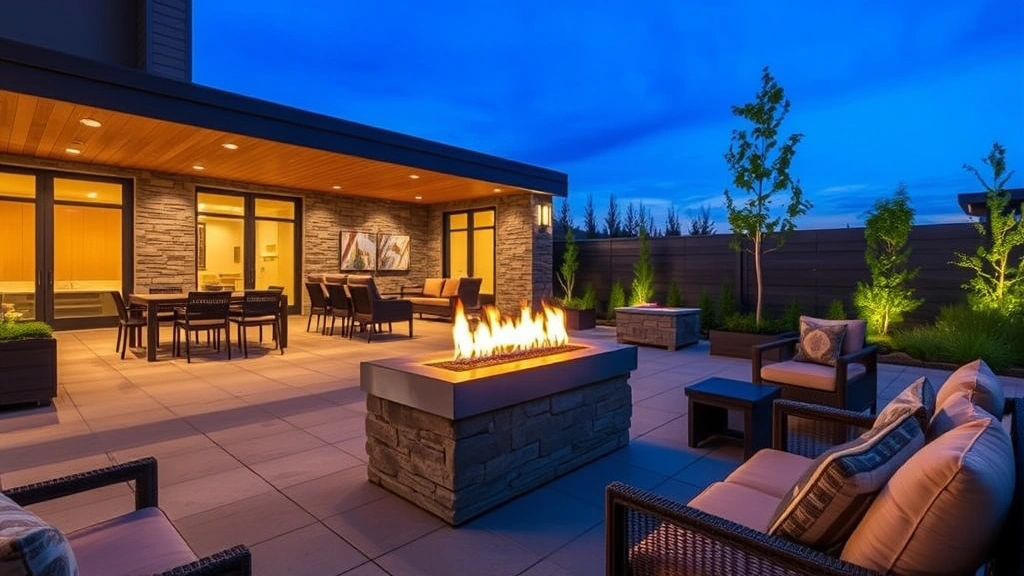
Eco-Friendly Outdoor Gas Fireplaces? Expert Insights on Sustainable Heating
As homeowners increasingly prioritize environmental responsibility, the question of whether an outdoor gas fireplace can align with eco-conscious living has become more relevant than ever. While traditional wood-burning fireplaces charm us with their rustic appeal, they come with significant environmental costs—releasing particulate matter, carbon dioxide, and contributing to air pollution. Modern outdoor gas fireplaces present a compelling alternative that combines ambiance with reduced environmental impact, though the sustainability equation remains nuanced and worthy of expert examination.
The outdoor living space has evolved from a simple patio into an extension of our homes where we gather, entertain, and unwind. In this context, choosing heating solutions that balance comfort with environmental stewardship represents a meaningful step toward sustainable living. This comprehensive guide explores the environmental credentials of outdoor gas fireplaces, compares them to alternatives, and provides actionable insights for making informed decisions about your outdoor heating needs.
Environmental Impact of Outdoor Gas Fireplaces
The environmental profile of outdoor gas fireplaces presents a mixed but generally favorable picture compared to traditional alternatives. Unlike wood-burning fireplaces that release significant amounts of particulate matter, volatile organic compounds (VOCs), and unburned carbon into the atmosphere, gas fireplaces operate with substantially cleaner combustion. Natural gas, when burned efficiently, produces primarily carbon dioxide and water vapor—a considerably cleaner outcome than wood smoke, which contains harmful pollutants linked to respiratory issues and environmental degradation.
According to the EPA’s guidelines on residential heating sources, wood-burning fireplaces typically operate at 15-25% efficiency, meaning 75-85% of heat escapes up the chimney. Modern outdoor gas fireplaces, by contrast, achieve efficiency ratings between 70-90%, dramatically reducing wasted energy and associated emissions. This efficiency differential translates directly into lower greenhouse gas emissions per unit of heat produced.
The carbon footprint calculation for outdoor gas fireplaces depends on several variables: the fuel source (natural gas versus propane), the efficiency rating of your specific model, frequency of use, and your regional electricity grid composition. When compared to electric heating alternatives powered by coal-heavy grids, gas fireplaces may produce more emissions. However, in regions with cleaner electricity sources, the comparison becomes more favorable for gas options, particularly when considering the lower upfront environmental cost of manufacturing and installation.
One critical environmental advantage of gas fireplaces involves reduced deforestation pressure. Wood-burning fireplaces contribute to unsustainable timber harvesting, habitat destruction, and forest degradation. By choosing gas alternatives, homeowners reduce demand for firewood, supporting forest conservation and ecosystem preservation. This ecological benefit extends beyond simple carbon accounting to encompass biodiversity protection and watershed integrity.
Natural Gas vs Propane Considerations
When evaluating natural gas versus propane options for your outdoor gas fireplace, understanding the environmental distinctions proves essential. Natural gas, primarily composed of methane, delivers cleaner combustion with lower carbon intensity per unit of energy compared to propane. However, natural gas extraction and distribution present their own environmental challenges, including methane leakage throughout the supply chain—a concern since methane possesses a global warming potential roughly 28-36 times that of carbon dioxide over a century timeframe.
Propane, a byproduct of natural gas and crude oil refining, offers certain advantages in portable and remote applications. Its energy density exceeds that of natural gas, meaning less fuel volume is required to produce equivalent heat output. For homeowners without natural gas line access, propane represents a practical alternative, though it typically carries a higher carbon intensity per BTU than natural gas. The environmental calculus between these fuels ultimately depends on local infrastructure, supply chain efficiency, and individual usage patterns.
Installation considerations significantly impact the environmental footprint of your heating choice. Homes already connected to natural gas infrastructure can adopt outdoor gas fireplaces with minimal additional environmental cost from new pipeline installation. Properties requiring new natural gas lines should evaluate whether the long-term efficiency gains justify the initial environmental impact of construction. Propane systems, requiring periodic tank refills and transportation, introduce ongoing logistics emissions that merit consideration in your sustainability assessment.
Exploring sustainable energy solutions reveals that some forward-thinking homeowners are investigating hybrid systems combining gas fireplaces with renewable energy integration. Solar-powered ventilation fans, for instance, can reduce the electrical parasitic load of gas fireplace operation, while green technology innovations continue expanding possibilities for cleaner outdoor heating.
Efficiency Ratings and Performance Metrics
Understanding efficiency ratings transforms abstract environmental concepts into concrete performance metrics. The AFUE (Annual Fuel Utilization Efficiency) rating, while primarily applied to indoor furnaces, provides a useful framework for evaluating heating equipment. Modern outdoor gas fireplaces typically achieve AFUE ratings between 70-90%, with premium models occasionally exceeding 90%. This means that 70-90 cents of every energy dollar spent actually heats your outdoor space, compared to just 15-25 cents for wood-burning alternatives.
BTU (British Thermal Unit) output varies considerably among outdoor gas fireplace models, ranging from 25,000 to 150,000 BTUs per hour. Selecting appropriately sized equipment prevents energy waste from oversized systems that cycle inefficiently or underpowered units that run continuously. A properly sized outdoor gas fireplace operates in its optimal efficiency band, maximizing environmental performance while meeting your heating needs. Professional assessment of your outdoor space’s dimensions, insulation, and climate conditions ensures appropriate sizing.
Pilot light technology significantly impacts operational efficiency. Traditional standing pilot lights consume fuel continuously, even when the fireplace remains off—a notable energy drain. Modern systems employ electronic ignition, eliminating this waste entirely. When evaluating outdoor gas fireplace models, prioritize those featuring electronic ignition systems as a baseline environmental requirement, as the efficiency gains quickly offset any marginal cost difference.
Thermostatic controls and modulating burners represent advanced efficiency features worth seeking. These technologies automatically adjust flame intensity based on ambient conditions and desired temperature, preventing fuel waste from maintaining unnecessary heat output. Some premium models integrate with smart home systems, enabling remote monitoring and optimization of fuel consumption patterns.
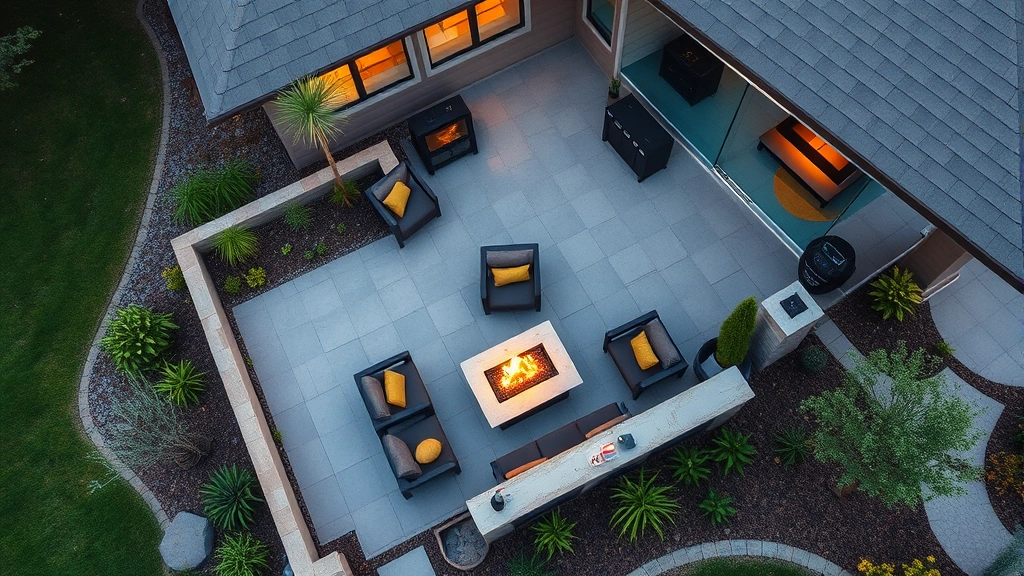
Comparing Heating Solutions for Outdoor Spaces
Evaluating outdoor gas fireplaces requires honest comparison with alternative heating approaches. Electric patio heaters offer simplicity and zero on-site emissions, though their environmental impact depends entirely on regional electricity generation sources. In areas with renewable-heavy grids, electric heating becomes highly sustainable. Conversely, regions reliant on fossil fuel generation may find gas fireplaces preferable from a lifecycle emissions perspective.
Radiant heating technology, increasingly popular in outdoor design, offers another comparison point. Ceramic heaters and infrared systems can provide efficient spot heating, warming individuals directly rather than surrounding air. This approach suits intimate gatherings but scales less effectively for larger outdoor entertaining spaces. Combining radiant heaters with gas fireplaces creates flexible, efficient systems adaptable to varying usage patterns.
Biomass and biogas options represent emerging alternatives worth monitoring. Sustainably harvested wood pellets burned in specialized outdoor heaters offer carbon-neutral or near-carbon-neutral operation when sourced from responsibly managed forests. Biogas systems, though currently limited in residential applications, show promise for future outdoor heating as renewable infrastructure develops. These alternatives merit consideration as environmental sustainability examples for forward-thinking homeowners.
Fire pits and open-flame alternatives deserve mention despite their environmental drawbacks. While offering undeniable ambiance and social value, traditional fire pits produce significant emissions, waste substantial heat, and create air quality concerns. Transitioning from wood-burning fire pits to enclosed gas fireplaces represents a substantial environmental improvement, reducing particulate emissions by up to 90% while increasing heating efficiency by 300-400%.
Sustainable Design and Installation Practices
Installing an outdoor gas fireplace sustainably extends beyond equipment selection to encompass broader design and construction considerations. Strategic placement optimizes heat distribution and reduces fuel consumption. Positioning fireplaces to shelter gathering areas from wind while considering sun exposure throughout the year enables seasonal efficiency optimization. A well-designed outdoor heating strategy leverages passive solar gain during shoulder seasons, reducing active fireplace operation.
Architectural integration minimizes environmental disruption during installation. Underground gas line routing, while requiring initial excavation, prevents ongoing visibility impacts and protects infrastructure from weather exposure. Proper insulation of gas lines in cold climates prevents heat loss and reduces fuel consumption. Professional installation by certified technicians ensures that systems operate at rated efficiency specifications, preventing performance degradation from poor setup.
Material selection for fireplace construction influences overall sustainability. Recycled metal components, sustainably sourced stone, and durable materials that resist weathering reduce replacement frequency and lifecycle environmental impact. Choosing products from manufacturers committed to efficient natural gas equipment design supports industry momentum toward cleaner technologies.
Ventilation design requires careful attention in outdoor settings. Unlike indoor installations where ventilation impacts home air quality, outdoor systems must prevent backdrafting and ensure complete combustion. Proper chimney height, cap design, and clearance from structures optimize safety and efficiency. Professional assessment confirms that your installation meets local building codes and manufacturer specifications.
Cost-Benefit Analysis Over Time
The financial case for outdoor gas fireplaces strengthens considerably when evaluating long-term costs. Initial purchase prices range from $2,000 for basic models to $15,000+ for premium installations with custom stonework. These upfront costs concern many homeowners, yet lifecycle analysis reveals compelling economic advantages.
Operating costs favor gas fireplaces substantially. While wood-burning alternatives appear inexpensive initially, firewood purchases accumulate quickly—typically $300-600 annually for regular use. Propane costs average $1,500-3,000 yearly for moderate outdoor heating, while natural gas proves even more economical at $500-1,500 annually depending on local rates and usage intensity. Over a 15-20 year lifespan, these operational savings reach $10,000-30,000, easily offsetting higher purchase prices.
Maintenance expenses further favor gas systems. Wood fireplaces require annual chimney cleaning ($150-300), regular inspections, and periodic repair of cracked fireboxes or damaged dampers. Gas fireplaces demand minimal maintenance—occasional burner inspection and annual service check-ups typically cost $100-200 total. This maintenance differential alone saves thousands over equipment lifespans.
Property value considerations add another financial dimension. Homes featuring well-designed outdoor living spaces with gas fireplaces command premium sale prices, often recovering 50-75% of installation costs through increased property valuation. Real estate professionals consistently report that outdoor entertainment spaces significantly enhance buyer appeal and property marketability.
Energy efficiency improvements compound financial advantages. By reducing heating needs through strategic fireplace placement and complementary insulation measures, homeowners optimize fuel consumption and minimize operating costs. Investment in quality equipment with high efficiency ratings pays dividends through every heating season.
Maintenance and Longevity Factors
Proper maintenance ensures that outdoor gas fireplaces deliver sustained environmental and economic benefits throughout their operational lives. Regular inspection of burner components, gas lines, and ignition systems prevents performance degradation that reduces efficiency. Professional annual inspections, typically costing $100-150, identify potential issues before they impact function or safety.
Cleaning procedures require minimal effort compared to wood fireplace maintenance. Removing debris from burner surfaces and ensuring clear ventilation passages takes 20-30 minutes quarterly. This straightforward maintenance prevents efficiency losses from restricted airflow or partially blocked burners, ensuring your system operates at rated performance levels.
Component replacement becomes necessary as equipment ages. Thermocouples, ignition modules, and gas valves typically require replacement every 10-15 years, with costs ranging from $200-800 depending on component type and labor expenses. Modern gas fireplaces feature modular designs facilitating straightforward repairs without replacing entire units, extending equipment lifespan and reducing waste.
Weatherproofing measures protect outdoor equipment from environmental stress. Seasonal covers prevent water intrusion and debris accumulation during off-season months. Proper drainage around fireplace bases prevents water damage and corrosion. These simple protective steps extend equipment life by 5-10 years, reducing replacement frequency and associated environmental costs.
Upgrading older equipment represents a sustainability opportunity worth considering. Fireplaces installed 15+ years ago operate at significantly lower efficiency than current models. Replacement with modern equipment can improve efficiency by 20-30%, generating fuel savings that justify upgrade costs within 5-7 years while substantially reducing carbon emissions.
FAQ
Are outdoor gas fireplaces truly eco-friendly?
Outdoor gas fireplaces represent a significant environmental improvement over wood-burning alternatives, with 70-90% efficiency compared to 15-25% for traditional fireplaces. They produce dramatically fewer emissions and reduce deforestation pressure. However, their overall sustainability depends on fuel source, regional electricity grid composition, and usage frequency. Natural gas fireplaces in areas with renewable energy grids offer the strongest environmental case.
What’s the difference between natural gas and propane fireplaces environmentally?
Natural gas produces lower carbon intensity per BTU and benefits from existing infrastructure in many areas, reducing installation impact. Propane offers higher energy density but carries higher carbon intensity and requires ongoing transportation for refills. Natural gas typically presents the more sustainable choice where pipeline infrastructure exists, though propane serves as the practical option for remote properties.
How do I choose the right size outdoor gas fireplace?
Professional assessment of your outdoor space dimensions, climate conditions, and intended use patterns ensures appropriate sizing. Oversized systems waste fuel through inefficient cycling, while undersized units run continuously without meeting heating needs. Most experts recommend 40-60 BTU per square foot of outdoor space, adjusted based on climate severity and shelter conditions.
What maintenance does an outdoor gas fireplace require?
Annual professional inspections, quarterly debris cleaning, and seasonal weatherproofing represent the primary maintenance needs. Unlike wood fireplaces requiring annual chimney cleaning and extensive upkeep, gas systems demand minimal attention. This simplified maintenance reduces operational costs and environmental impact from service visits.
Can I integrate renewable energy with my outdoor gas fireplace?
Yes, several integration possibilities exist. Solar-powered ventilation fans reduce electrical parasitic loads, while smart controls optimize fuel consumption patterns. Some homeowners combine gas fireplaces with solar heating systems for comprehensive outdoor climate control, maximizing sustainability through hybrid approaches.
How long do outdoor gas fireplaces typically last?
Quality outdoor gas fireplaces last 15-25 years with proper maintenance. Modular component design enables targeted repairs rather than complete replacement, extending equipment life and reducing waste. Regular maintenance and weatherproofing significantly influence longevity and overall lifecycle environmental impact.


