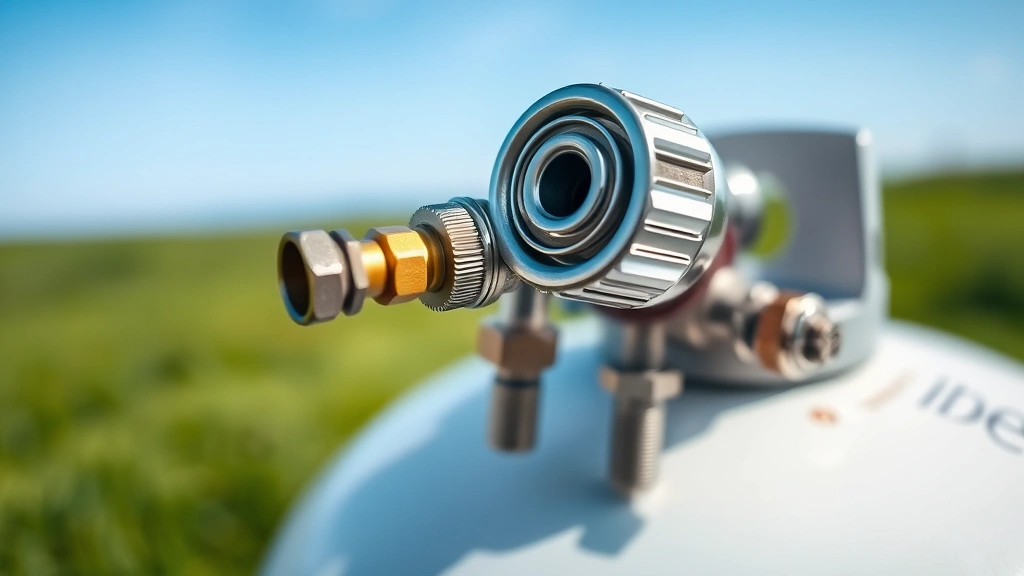
Propane Gas Regulators: Safety Tips You Can Trust
Propane gas regulators are critical safety devices that control the flow and pressure of propane from your tank to your appliances. Whether you’re using propane for heating, cooking, grilling, or industrial applications, understanding how these regulators work and maintaining them properly can mean the difference between safe, efficient operation and dangerous malfunctions. This comprehensive guide explores everything you need to know about propane gas regulators, from their fundamental mechanics to essential maintenance and safety protocols.
As a homeowner or business operator relying on propane, you depend on your regulator to maintain consistent pressure and prevent dangerous leaks or pressure surges. Many people overlook this humble device until something goes wrong, yet it deserves the same attention and care as any other critical safety component in your home or facility. By implementing the safety tips and best practices outlined in this guide, you’ll ensure reliable propane delivery, extend your equipment’s lifespan, and protect your family or employees from potential hazards.
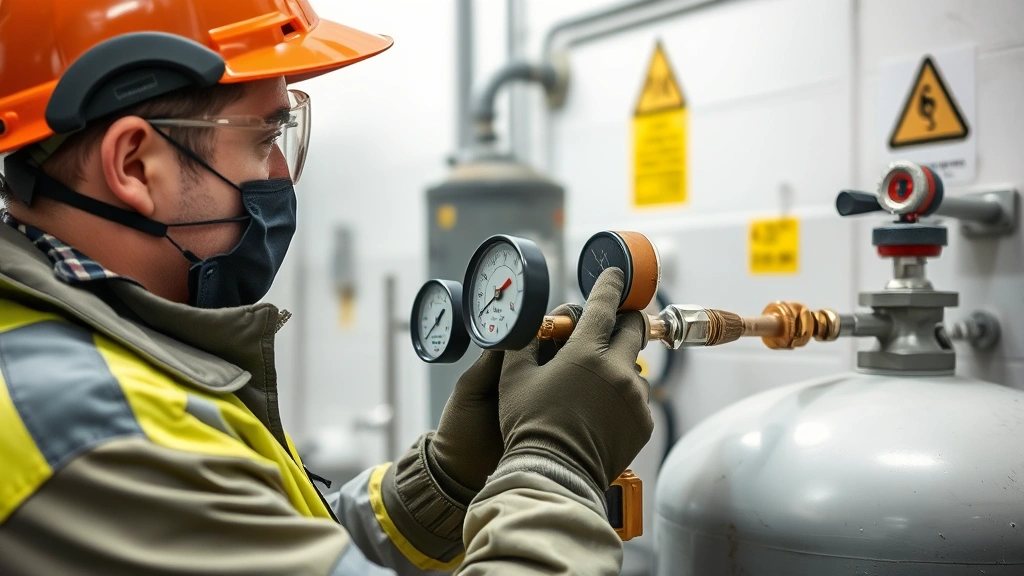
Understanding Propane Gas Regulators
A propane gas regulator is a mechanical device designed to reduce and control the pressure of propane gas flowing from a high-pressure storage tank to your appliances. Inside your propane tank, pressure can reach 100-200 PSI (pounds per square inch) depending on temperature and fill level. Your appliances, however, typically require only 11-14 inches of water column pressure—a fraction of what’s in the tank. The regulator acts as an intermediary, safely stepping down this pressure to usable levels.
Regulators come in several types, each suited to different applications. First-stage regulators are mounted directly on the propane tank and perform the primary pressure reduction. Second-stage regulators provide additional pressure control for specific appliances or groups of appliances. Integral regulators are built into certain appliances like water heaters or furnaces. Understanding which type you have and its specifications is fundamental to proper maintenance and safety.
The internal mechanism of a regulator includes a spring, a diaphragm, and a valve seat. When pressure exceeds the set point, the diaphragm pushes against the spring, closing the valve slightly to reduce flow. This elegant mechanical solution operates without electricity, making it reliable even during power outages. However, this simplicity requires regular inspection to ensure all components function correctly.
How Regulators Maintain Pressure Safety
Pressure regulation is essential for both safety and efficiency. Excessive pressure can damage appliance components, create dangerous leaks, or even cause explosions in extreme cases. Insufficient pressure, conversely, results in weak flames, incomplete combustion, and wasted fuel. Your regulator maintains a delicate balance, continuously adjusting to changing conditions.
Temperature fluctuations significantly impact propane pressure. On hot days, propane in your tank expands, increasing pressure. Your regulator must compensate by restricting flow slightly. During cold weather, pressure drops naturally, and the regulator opens further to maintain consistent delivery. This constant adjustment happens automatically, but extreme temperature swings can stress the regulator and potentially compromise its accuracy over time.
Proper pressure maintenance also prevents regulator lockup, a condition where the regulator becomes stuck and stops delivering gas entirely. This typically occurs when moisture inside the regulator freezes, particularly in cold climates or when using propane in freezing conditions. Understanding these pressure dynamics helps you appreciate why regular maintenance matters and why you should never attempt to adjust a regulator yourself without proper training and equipment.
When considering propane as an energy source, it’s worth comparing it with alternatives. Our guide on natural gas vs propane provides detailed insights into how these fuels differ in terms of efficiency, cost, and environmental impact.
Common Propane Regulator Problems
Several issues can develop with propane regulators over time. Weeping regulators allow small amounts of gas to escape continuously, reducing efficiency and creating a persistent propane smell. This often indicates worn internal seals that need replacement. Frozen regulators occur when moisture condenses inside the device and freezes, blocking gas flow. This is particularly common in humid climates or when regulators aren’t properly protected from moisture.
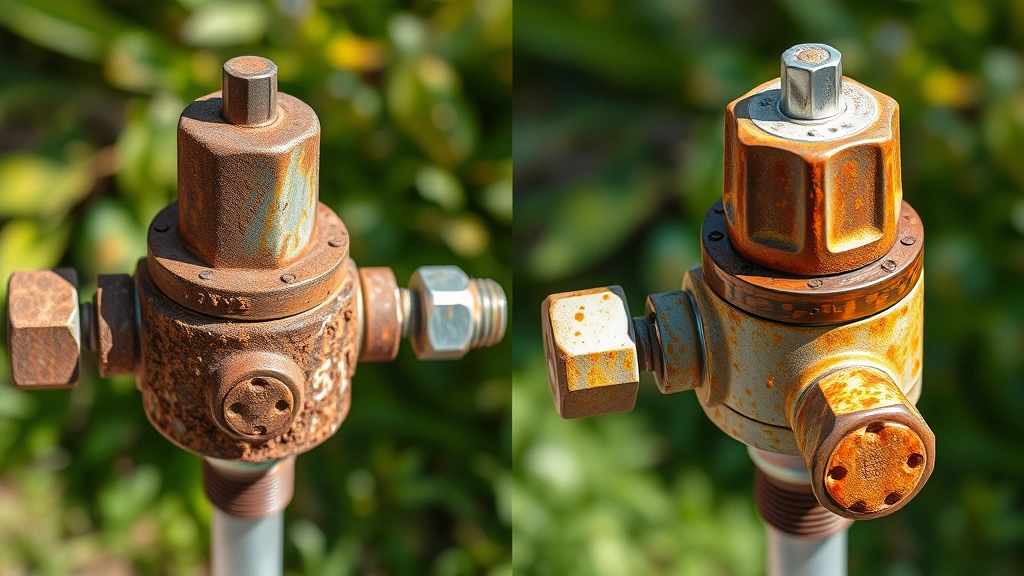
Corrosion represents another significant concern, especially in coastal areas where salt air accelerates deterioration. Rust on the exterior suggests potential internal damage. Regulator creep occurs when pressure gradually rises beyond the set point, potentially damaging downstream equipment. Diaphragm ruptures cause complete regulator failure and require immediate replacement. Vent hole blockages prevent the regulator from functioning properly, as these small openings are essential for pressure equalization.
Impact damage from falling objects, vehicle collisions, or improper handling can crack the regulator body or misalign internal components. Even minor dents warrant professional inspection. Improper installation, using wrong-sized regulators for your application, or connecting incompatible components frequently causes problems that could have been prevented through careful attention to specifications and installation procedures.
Essential Maintenance Guidelines
Regular maintenance keeps your propane gas regulator functioning safely and efficiently. Monthly inspections should include checking for visible damage, corrosion, or leaks. Apply soapy water around all connections and the regulator body—bubbles indicate escaping gas. Never use an open flame for leak detection, as this creates obvious fire hazards.
Clean the regulator’s exterior monthly with a soft brush to remove dirt, debris, and corrosion. Protect the vent hole from obstruction, as this small opening is critical for proper operation. In coastal or humid environments, consider applying a light coating of oil to prevent rust, though avoid getting oil on the vent hole or internal components.
Professional inspection is crucial annually or whenever you suspect problems. Certified propane technicians have specialized equipment to measure actual outlet pressure and verify the regulator meets specifications. They can identify internal wear before failure occurs and perform necessary adjustments or replacements. Document all maintenance activities, as this record helps track patterns and supports warranty claims if needed.
When temperatures drop below freezing, take extra precautions. Ensure your regulator has adequate ventilation to allow water vapor to escape. Some installations benefit from regulator covers that shed rain while allowing air circulation. Never use heat lamps or external heating on regulators, as this can damage internal components or create fire hazards. Instead, ensure proper installation location and natural air circulation.
Installation Best Practices
Proper installation is foundational to regulator safety and longevity. The regulator should be mounted in a location protected from direct weather exposure yet with adequate ventilation. Avoid areas where water can collect or where the regulator might be struck by vehicles, equipment, or falling debris. The vent hole must always face downward to prevent rain from entering while allowing moisture to escape.
Use appropriate mounting hardware—stainless steel or galvanized materials resist corrosion better than plain steel. Ensure the regulator is level or slightly tilted to promote proper internal operation. Connections should use proper fittings and thread sealant designed specifically for propane service. Never use plumber’s tape (PTFE tape) alone; propane requires liquid thread sealant or specialized propane-rated tape applied correctly.
Check that your regulator matches your system’s requirements. Tank size, appliance count, total BTU load, and climate all influence which regulator type and size you need. Undersized regulators can’t deliver sufficient flow for your appliances; oversized regulators may not maintain adequate pressure control. Consult your propane supplier or a certified technician to confirm proper sizing for your specific application.
Flexible connectors between the regulator and appliances should be inspected regularly for cracks, brittleness, or damage. These connectors typically last 5-7 years before replacement becomes prudent. Never bend connectors sharply or allow them to kink, as this compromises their integrity. If you’re upgrading your propane system, consider exploring sustainable energy solutions that might reduce your long-term propane dependency.
Recognizing Warning Signs
Several warning signs indicate your propane gas regulator needs professional attention. A persistent rotten egg smell near your regulator or appliances suggests a leak. Propane itself is odorless; this smell comes from mercaptan, an additive that alerts you to leaks. Any smell warrants immediate investigation and professional service.
Weak or uneven appliance flames indicate pressure problems. Burners should produce blue flames with minimal yellow tips. Yellow flames suggest incomplete combustion, often caused by pressure issues. Pilot lights that repeatedly blow out or ignite inconsistently point to regulator problems. Unusual hissing sounds near the regulator suggest gas escaping under pressure.
Visible rust, corrosion, or damage requires prompt attention. Cracks in the regulator body or mounting bracket necessitate replacement. If your regulator freezes in winter, preventing gas flow, professional service is essential to identify why moisture accumulated and how to prevent recurrence. Appliances that suddenly stop working or operate inconsistently may indicate regulator failure rather than appliance issues.
Water damage around your regulator—whether from rain, snow melt, or condensation—suggests moisture is entering the system. This can lead to frozen regulators or internal corrosion. If you notice water pooling near your regulator, improve drainage and ventilation, then have the regulator inspected professionally.
Safety Protocols for Daily Use
Safe propane handling begins with understanding basic safety principles. Never attempt to repair a regulator yourself; these devices contain precisely calibrated internal components that require specialized tools and expertise to service safely. Even small adjustments can compromise safety or efficiency. Always call a certified propane technician for any service needs.
Keep propane tanks and regulators away from ignition sources. Maintain at least 10 feet clearance from open flames, electrical equipment, and heat sources. Ensure proper ventilation around all propane equipment, particularly in enclosed spaces. Never store propane tanks indoors; they belong in well-ventilated outdoor areas.
Educate all household members or employees about propane safety. Teach them to recognize the smell of leaking propane and know what to do if they detect it. Establish a protocol: if you smell propane, immediately leave the area, don’t use electrical switches or create sparks, call your propane supplier or emergency services from a safe location away from the building.
Have your entire propane system inspected before the heating season begins. Winter is when propane demand peaks and when cold temperatures stress regulators. A pre-season inspection identifies and corrects problems before they cause heating failures or safety hazards. Keep propane supplier contact information readily available, and establish a relationship with a reliable trusted propane service provider.
Install carbon monoxide detectors near propane appliances, as incomplete combustion from pressure problems can produce dangerous carbon monoxide. Test detectors monthly and replace batteries annually. Keep fire extinguishers rated for propane fires accessible in areas where propane equipment operates. Understanding your system’s components helps you recognize when professional service is needed and contributes to household safety awareness.
For those interested in reducing propane consumption, consider exploring alternative energy sources. Our comprehensive guide on green technology innovations discusses emerging sustainable alternatives that may complement or eventually replace propane in your home.
FAQ
How often should I have my propane regulator serviced?
Professional inspection annually is recommended, or immediately if you notice any problems. Monthly visual checks for damage, corrosion, or leaks are essential between professional services. In harsh climates or coastal areas, more frequent professional inspections may be warranted.
Can I adjust my propane regulator myself?
No. Regulators contain precisely calibrated components that require specialized equipment to adjust safely. Improper adjustment can create safety hazards or equipment damage. Always hire certified propane technicians for any adjustments or repairs.
What causes a propane regulator to freeze?
Moisture inside the regulator freezes when exposed to cold temperatures, blocking gas flow. This occurs most often in humid climates or when regulators lack adequate ventilation. Proper installation with good air circulation and moisture protection prevents most freezing issues.
How do I know if my regulator is leaking?
Apply soapy water to the regulator body and all connections. Bubbles indicate escaping gas. You may also smell the characteristic rotten egg odor of propane additive. Never use open flames to detect leaks, as this creates fire hazards.
What’s the lifespan of a propane regulator?
Quality regulators typically last 15-20 years with proper maintenance. Factors like climate, usage patterns, and maintenance frequency affect longevity. Environmental stress from salt air or extreme temperatures may shorten lifespan. Replace any regulator showing signs of wear or damage immediately.
Should my regulator have water in it?
No. Water inside a regulator causes freezing, corrosion, and operational problems. If moisture is present, the regulator needs professional service and possibly replacement. Ensure proper installation location with ventilation that sheds water while allowing air circulation.
Can I use a natural gas regulator on a propane system?
No. Natural gas and propane regulators are not interchangeable. They’re calibrated for different pressures and have different internal specifications. Using the wrong regulator creates serious safety hazards and equipment damage. Always use regulators specifically rated for propane.
What should I do if I smell propane?
Leave the area immediately. Don’t use electrical switches, create sparks, or use phones inside the building. From a safe location away from the structure, call your propane supplier or emergency services. Never investigate the source yourself or attempt to locate leaks with open flames.


