Propane Tank Covers: Essential for Safety and Environmental Protection
Propane tank covers are often overlooked accessories that serve far more critical functions than their simple appearance suggests. Whether you’re using propane for heating, grilling, or industrial purposes, understanding the role of a propane gas tank cover is essential for maintaining safety standards and protecting your investment. These covers shield your tanks from environmental damage, UV exposure, and weather-related deterioration that can compromise structural integrity and create potential hazards.
The conversation around propane safety extends beyond just covers—it involves understanding how this fuel source fits into broader energy consumption patterns. When comparing energy options, many homeowners wonder about the distinctions between different fuel types. Learning about natural gas vs propane helps you make informed decisions about which fuel source best suits your household needs and environmental considerations.
In this comprehensive guide, we’ll explore whether propane tank covers are truly essential, examine their safety benefits, discuss environmental implications, and provide actionable recommendations for protecting your propane storage systems.
Understanding Propane Tank Covers and Their Purpose
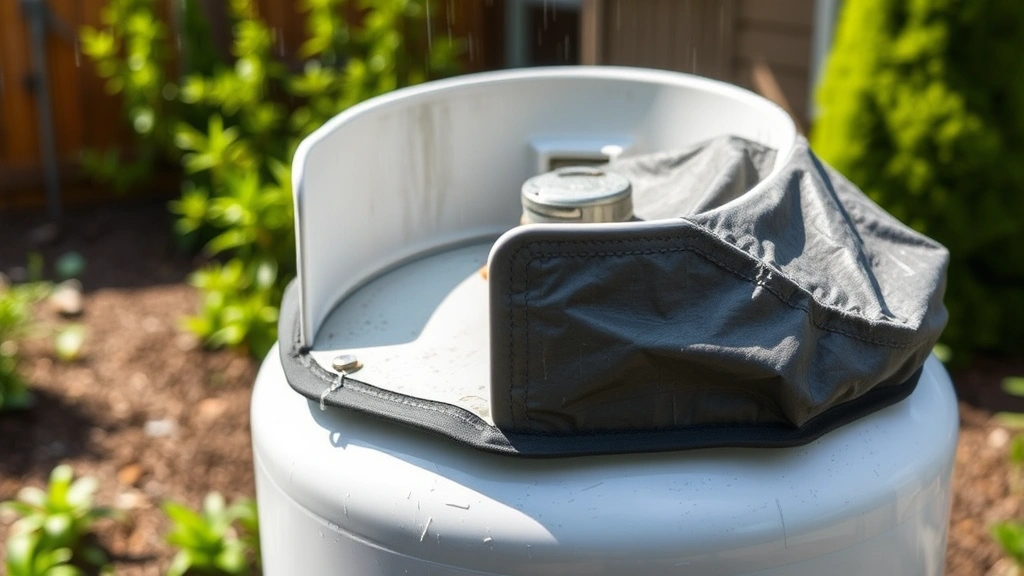
Propane tank covers are protective enclosures designed to shield propane cylinders and tanks from direct exposure to environmental elements. These covers come in various materials and designs, ranging from simple plastic shields to more elaborate wooden or composite structures. The primary purpose of a propane gas tank cover extends beyond aesthetic improvement—it addresses multiple functional requirements that impact both safety and longevity of your propane storage system.
The fundamental design of propane tank covers prevents direct sunlight from reaching the tank surface, which is particularly important in hot climates where excessive heat can increase internal pressure. Propane tanks are engineered to handle specific pressure ranges, and when exposed to intense solar radiation, the internal pressure can rise significantly, potentially creating dangerous conditions. Additionally, covers protect tanks from physical damage caused by falling debris, accidental impacts, or harsh weather conditions like hail and ice accumulation.
Understanding the mechanics behind propane storage helps clarify why protection matters. Propane exists as a liquid under pressure inside your tank. Temperature fluctuations directly affect the pressure exerted by the liquid propane against the tank walls. A quality propane gas tank cover acts as a thermal barrier, moderating temperature swings and maintaining more consistent internal pressure conditions. This is particularly valuable during seasonal transitions when temperatures change rapidly.
[IMAGE_1]
Safety Benefits of Using Tank Covers
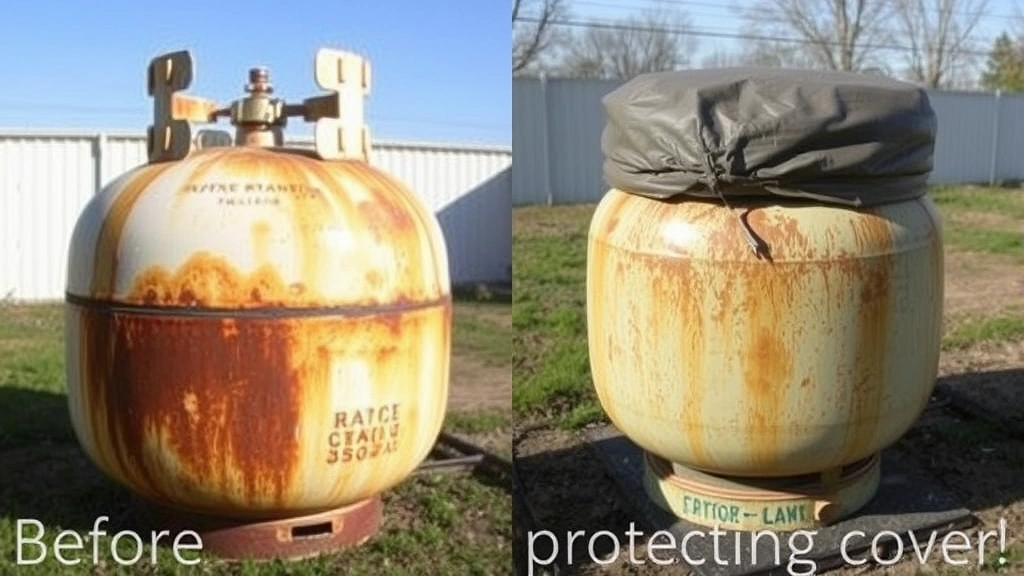
The safety implications of using propane tank covers cannot be overstated. When propane tanks are left exposed to extreme temperatures and UV radiation, the structural integrity of the tank can gradually deteriorate. Rust and corrosion develop more rapidly on unprotected tanks, and corroded metal is weaker and more susceptible to leaks or ruptures. A protective cover significantly slows this degradation process, reducing the risk of catastrophic failures that could release propane into the environment.
Propane itself is heavier than air, meaning any leak will settle at ground level and concentrate near the base of the tank. This creates a fire and explosion hazard if an ignition source is present. By maintaining tank integrity through protective covering, you minimize the likelihood of leaks that could create these dangerous conditions. Additionally, covers prevent rainwater from accumulating on tank tops, which accelerates corrosion and can damage valve mechanisms.
Another critical safety consideration involves pressure relief valves. Propane tanks are equipped with safety relief valves designed to release excess pressure if internal conditions become dangerous. However, if these valves are exposed to freezing temperatures and moisture, they can malfunction. A properly designed cover protects these critical safety components from ice formation and freezing conditions that could prevent them from operating correctly in an emergency.
Exploring sustainable energy solutions includes understanding how to safely manage the energy sources you choose. Propane can be a viable energy option when handled with proper safety protocols, including appropriate protective measures like tank covers.
Environmental Protection and Weather Resistance
From an environmental sustainability perspective, propane tank covers contribute to a more responsible energy management approach. By extending the lifespan of your propane tanks through protective covering, you reduce the need for premature replacement, which decreases manufacturing waste and the associated carbon footprint of producing new tanks. This aligns with broader sustainability principles focused on reducing consumption and maximizing the useful life of equipment.
Weather resistance is one of the most tangible benefits of tank covers. Propane tanks exposed to harsh weather conditions—including heavy rain, snow, ice, and intense sun—experience accelerated degradation. In regions with significant precipitation, unprotected tanks are particularly vulnerable to rust formation. The protective barrier created by a quality cover shields the tank surface from direct water contact, preventing moisture from initiating corrosion processes.
UV exposure represents another environmental concern. The sun’s ultraviolet rays can degrade various tank components, including rubber seals, gaskets, and protective coatings applied by manufacturers. Over time, this UV degradation compromises the tank’s ability to maintain a proper seal, increasing leak potential. A cover that blocks or significantly reduces UV exposure helps preserve these critical components in their original condition.
Temperature regulation provided by tank covers also has environmental implications. When tanks experience less extreme temperature fluctuation, the propane inside doesn’t require as much pressure relief venting to maintain safe operating conditions. This means less propane escapes into the atmosphere, reducing both safety risks and environmental impact. The more stable internal conditions also improve fuel efficiency, as your appliances don’t need to work as hard to regulate pressure during use.
Types of Propane Tank Covers Available
The market offers several distinct types of propane tank covers, each with different features and benefits suited to various situations and preferences. Understanding the options helps you select the most appropriate solution for your specific needs and climate conditions.
Plastic Covers: These are among the most affordable options, typically made from durable polyethylene or polypropylene materials. Plastic covers are lightweight, easy to install, and provide basic protection from UV rays and rain. However, they may not provide as much insulation against temperature extremes as heavier materials, and they may degrade over time when exposed to intense sunlight. Plastic covers work well in moderate climates but may have limited longevity in harsh conditions.
Metal Covers: Constructed from aluminum or steel, metal covers offer superior durability and protection. They withstand impacts better than plastic and provide excellent protection against physical damage. Metal covers also reflect solar radiation more effectively, keeping tanks cooler during hot weather. The primary disadvantage is cost—metal covers are significantly more expensive than plastic alternatives. Additionally, metal covers must be properly sealed to prevent water from entering and causing corrosion.
Wooden Covers: These covers combine aesthetic appeal with functional protection. Wooden covers can be built to match your home’s exterior design while providing good insulation properties. Cedar or redwood varieties naturally resist decay and insect damage. However, wooden covers require more maintenance than other options, including periodic staining or sealing to prevent rot. They’re ideal for homeowners prioritizing appearance alongside protection.
Composite Covers: Modern composite materials combine benefits of multiple materials, offering durability, weather resistance, and low maintenance. These covers often feature recycled content, aligning with definition of sustainability principles. Composite covers resist UV degradation, don’t require painting or sealing, and provide good insulation properties. They represent a middle ground between cost and performance.
Installation and Maintenance Guidelines
Proper installation of a propane tank cover is crucial for maximizing its protective benefits. Most covers are designed for straightforward installation that homeowners can complete without professional assistance, though some complex designs may benefit from expert installation.
Installation Steps: Begin by ensuring your propane tank is clean and dry. Remove any debris, leaves, or accumulated dirt from the tank surface. If rust or corrosion is present, gently clean these areas with a soft brush. Position the cover over the tank, ensuring it sits securely and doesn’t interfere with valve access or safety relief vents. Most covers are designed to allow access to critical tank components while providing protection to the main body. Secure the cover according to manufacturer instructions—some use fasteners, while others rely on friction fit or weighted designs.
Ventilation Considerations: Ensure your cover design maintains adequate air circulation around the tank. Completely sealed enclosures can trap moisture and accelerate corrosion, defeating the cover’s protective purpose. Quality covers are designed with ventilation in mind, allowing air to circulate while blocking direct water and UV exposure. Check that your cover doesn’t obstruct the pressure relief valve or prevent proper tank inspection and maintenance.
Maintenance Requirements: Regular maintenance extends your cover’s lifespan and ensures continued protection. For plastic covers, rinse occasionally with water to remove dust and debris. For wooden covers, inspect annually for signs of decay or insect damage, resealing as needed. Metal covers should be checked for rust spots or damage, particularly at seams and fastening points. Composite covers generally require minimal maintenance—occasional cleaning with mild soap and water is usually sufficient.
Seasonal Adjustments: In areas with snow or ice accumulation, check your cover after major weather events to ensure no damage occurred and that accumulated snow hasn’t compromised ventilation. In extremely hot climates, verify that the cover isn’t trapping excessive heat that could increase tank pressure beyond safe levels.
Cost-Benefit Analysis for Homeowners
Determining whether propane tank covers are essential requires evaluating costs against benefits in your specific situation. The financial analysis varies based on climate, tank usage frequency, and tank lifespan expectations.
Cover Costs: Plastic covers typically range from $50 to $150, depending on tank size and quality. Metal covers cost $200 to $500, while wooden or composite covers may range from $300 to $800. Professional installation, if needed, typically adds $100 to $300 to the total cost. For most residential applications, initial investment in a quality cover is relatively modest compared to the cost of tank replacement.
Tank Replacement Costs: Propane tanks themselves represent significant investments. Small residential tanks cost $300 to $600, while larger tanks can exceed $1,500. If a cover extends your tank’s lifespan by even a few years, the investment quickly pays for itself. Tanks that deteriorate from exposure may need premature replacement, making cover investment economically sensible even from a purely financial perspective.
Maintenance and Repair Savings: Unprotected tanks often require more frequent maintenance, including cleaning, rust treatment, and valve servicing. By reducing exposure to corrosive elements, covers minimize these maintenance needs. Over a tank’s 10-15 year typical lifespan, maintenance savings can be substantial.
Energy Efficiency Gains: While modest, the temperature regulation benefits of covers can slightly improve heating efficiency during cold months, potentially reducing propane consumption and energy costs. These savings accumulate over time, particularly in climates with significant seasonal temperature variation.
Insurance and Safety Considerations: Some insurance providers offer discounts for properly maintained propane systems, which tank covers support. Additionally, the reduced risk of leaks or tank failure translates to lower insurance claims risk and potentially lower premiums.
Regulations and Industry Standards
Understanding regulatory requirements and industry standards helps ensure your propane tank setup complies with safety codes. While propane tank covers themselves aren’t strictly mandated by most jurisdictions, proper tank maintenance—which covers support—is required.
The National Fire Protection Association (NFPA) establishes standards for propane storage and handling. According to NFPA 58, propane tanks must be maintained in safe condition, protected from damage, and properly inspected. While the standard doesn’t explicitly require covers, it emphasizes protection from corrosion and environmental damage—goals that covers directly support.
The Propane Gas Association provides industry guidelines recommending protective measures for propane storage. Many jurisdictions incorporate these recommendations into local building codes. When purchasing or installing a cover, verify it complies with applicable local regulations. Some municipalities have specific requirements about tank visibility or accessibility that might affect cover design choices.
Insurance companies often have specific requirements for propane system maintenance. Consulting your provider about cover requirements ensures your system meets their standards, potentially affecting coverage eligibility. Documentation showing regular maintenance and protective measures can be valuable if claims arise.
Professional propane service providers typically recommend tank covers as part of comprehensive system maintenance. When your tank receives regular professional inspection, service technicians can assess whether your cover is adequately protecting the system and suggest improvements if needed.
Sustainable Energy Practices with Propane
While propane is a fossil fuel with inherent environmental considerations, using it responsibly includes proper maintenance and protection of storage systems. Integrating propane into a broader sustainable energy strategy requires understanding its role alongside renewable alternatives.
Propane represents a cleaner-burning fossil fuel compared to coal or fuel oil, producing fewer emissions per unit of energy. For households in areas without natural gas service, propane can be a practical energy solution when combined with efficiency measures and protective maintenance practices. Proper tank cover use supports these sustainability goals by maximizing equipment lifespan and minimizing waste.
Many homeowners pursuing sustainability goals use propane as a transition fuel while gradually implementing renewable energy sources. Learning about green technology innovations transforming our future reveals how propane systems can integrate with solar heating, heat pumps, and other renewable technologies. In hybrid systems, propane serves as a reliable backup while renewables provide primary energy, creating resilient and sustainable energy solutions.
For those interested in exploring alternative transportation energy, understanding propane’s role in vehicles is also relevant. Some vehicles use propane as fuel, and the same maintenance principles apply—proper storage and protection extend system lifespan and improve safety. This consideration connects to broader conversations about advantages of electric vehicles and the evolving energy landscape.
Sustainable propane use includes minimizing waste through efficient appliances, regular system maintenance, and protective measures like tank covers. When propane systems are properly maintained and protected, they operate more efficiently and reliably, reducing the need for emergency service calls or premature equipment replacement. This efficiency-focused approach aligns with core sustainability principles of reducing consumption and maximizing resource utilization.
For comprehensive information about energy options and how propane fits into your home’s energy strategy, explore the SustainWise Hub Blog, which offers detailed guides on various energy solutions and sustainability practices.
FAQ
Are propane tank covers absolutely necessary?
While not legally mandated in most areas, propane tank covers are highly recommended. They provide significant benefits including extended tank lifespan, improved safety, and reduced maintenance requirements. The modest investment typically pays for itself through extended equipment life and reduced maintenance costs.
Can a cover prevent propane leaks?
Covers don’t directly prevent leaks, but they significantly reduce the likelihood of leaks by protecting tanks from corrosion, UV damage, and physical harm that can compromise tank integrity. By maintaining structural soundness, covers indirectly prevent many leak scenarios.
What’s the best cover material for my climate?
Selection depends on your specific conditions. Hot, sunny climates benefit from reflective metal covers. Areas with heavy precipitation need covers with excellent water shedding properties. Cold climates where ice accumulation occurs require covers that prevent ice buildup on critical components. Consider your climate’s dominant challenges when selecting materials.
Can I install a propane tank cover myself?
Most covers are designed for homeowner installation and don’t require professional help. However, verify that installation won’t interfere with safety valves, inspection access, or local code requirements. When in doubt, consult a propane service professional.
How often should I inspect my tank cover?
Inspect covers seasonally and after severe weather events. Check for damage, rust, or deterioration. Wooden covers should be inspected annually for rot or insect damage. Most covers require minimal maintenance, but regular inspection ensures they continue providing adequate protection.
Do covers affect propane tank pressure regulation?
Quality covers actually improve pressure regulation by reducing extreme temperature fluctuations. They maintain more stable internal conditions, reducing pressure relief valve activation and improving system efficiency. Covers shouldn’t interfere with normal pressure relief operation.
What’s the typical lifespan of a propane tank cover?
Lifespan varies by material. Plastic covers typically last 5-7 years, metal covers 10-15 years, and wooden covers 7-10 years with proper maintenance. Composite covers often exceed 15 years. Quality construction and regular maintenance extend lifespan significantly.


