
Are Ventless Gas Inserts Eco-Friendly? Expert Insight on Sustainability and Indoor Air Quality
Ventless gas fireplace inserts have gained popularity as homeowners seek convenient heating solutions and aesthetic appeal. However, the question of their environmental impact remains complex and multifaceted. These appliances promise efficiency and cost savings, yet environmental concerns about emissions, indoor air quality, and carbon footprint warrant careful examination. Understanding the true sustainability profile of ventless gas inserts requires looking beyond marketing claims to examine scientific evidence, regulatory standards, and comparative analysis with alternative heating methods.
As we navigate the intersection of home comfort and environmental responsibility, it’s essential to evaluate whether ventless gas inserts align with genuine sustainability principles. This comprehensive guide explores the mechanisms, benefits, drawbacks, and alternatives to help you make an informed decision that reflects both your heating needs and environmental values.
How Ventless Gas Inserts Work
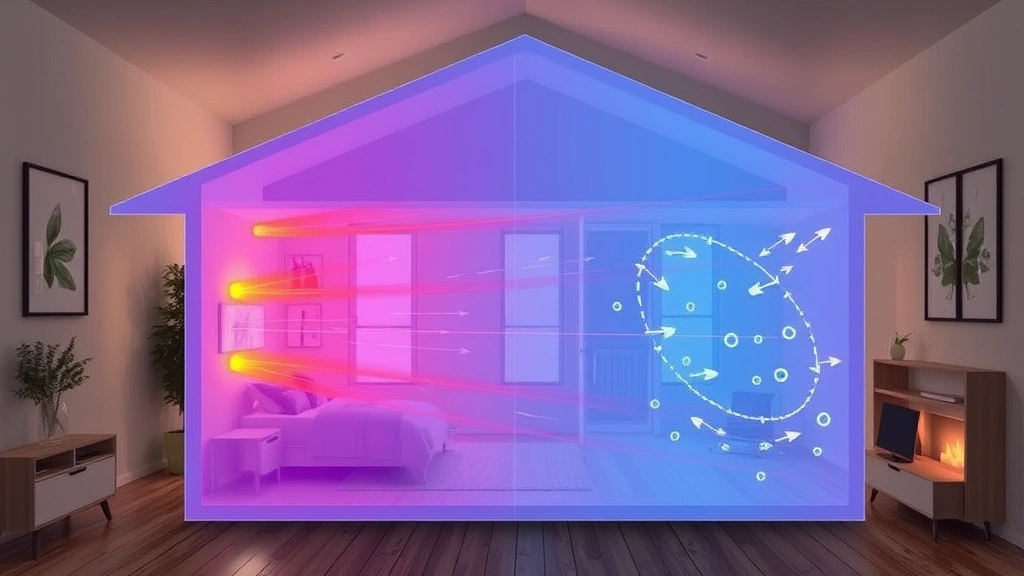
Ventless gas fireplace inserts operate on a fundamentally different principle than traditional vented fireplaces. Rather than exhausting combustion byproducts through a chimney or vent system, ventless models are designed to burn gas with such completeness that minimal emissions remain. The appliance draws oxygen from the room, combusts natural gas or propane, and releases heat, water vapor, and carbon dioxide directly into the living space.
The technology relies on specially designed burners and oxygen depletion sensors (ODS) to maintain safe operation. When oxygen levels drop below safe thresholds, the ODS automatically shuts off the unit. This safety feature prevents dangerous carbon monoxide accumulation in properly maintained systems. The absence of venting requirements means no heat loss through ducts, which proponents argue makes ventless inserts more efficient than vented alternatives.
However, this design choice creates the central environmental and health controversy surrounding these appliances. By definition, ventless gas inserts introduce all combustion byproducts directly into your home’s interior environment, regardless of how complete the combustion process may be.

Emissions and Indoor Air Quality Concerns
Combustion Byproducts and Health Implications
Even with optimal combustion, gas burning produces several compounds that affect indoor air quality. The primary byproducts include carbon dioxide (CO₂), water vapor (H₂O), nitrogen oxides (NOₓ), and trace amounts of carbon monoxide (CO). While manufacturers emphasize that modern ventless inserts achieve 99% combustion efficiency, the remaining 1% can still introduce harmful pollutants into confined spaces.
Nitrogen dioxide (NO₂), a particularly concerning byproduct, is a respiratory irritant that can trigger asthma symptoms and reduce lung function over time. Studies have shown that indoor combustion appliances significantly increase NO₂ concentrations in homes. The EPA identifies nitrogen dioxide as a criteria air pollutant with documented health effects at indoor concentrations.
Water vapor production, while seemingly benign, presents another concern. Ventless gas inserts can introduce substantial moisture into homes, potentially promoting mold growth and dust mite proliferation if humidity levels exceed 50-60%. This moisture issue becomes particularly problematic in well-sealed, energy-efficient homes where ventilation is limited.
Vulnerable Populations
Certain groups face elevated health risks from ventless gas fireplace use. Children, elderly individuals, pregnant women, and people with respiratory conditions or cardiovascular disease are more susceptible to adverse effects from indoor air pollutants. Those with asthma, chronic obstructive pulmonary disease (COPD), or heart disease may experience symptom exacerbation from prolonged exposure to combustion byproducts.
The American Academy of Pediatrics and respiratory health organizations have raised concerns about ventless combustion appliances in homes with children. Even low-level, chronic exposure to nitrogen oxides and other pollutants can affect childhood respiratory development.
Energy Efficiency Compared to Alternatives
Heating Efficiency Metrics
Ventless gas fireplace inserts typically achieve 70-90% heating efficiency when measured as the percentage of fuel energy converted to usable heat. This compares favorably to traditional vented gas fireplaces, which lose 60-80% of heat up the chimney. However, efficiency percentages tell only part of the story.
The actual energy consumption and environmental impact depend on several factors: the fuel source (natural gas versus propane), your regional electricity grid composition, how often you operate the insert, and whether it supplements or replaces primary heating. Sustainable energy solutions require considering total lifecycle emissions, not just operational efficiency.
Comparative Analysis with Electric and Heat Pump Systems
Modern electric heat pumps achieve 200-400% efficiency by moving heat rather than generating it through combustion. In regions with renewable electricity sources, heat pumps produce zero direct emissions and dramatically lower carbon footprints. Even in areas with fossil fuel-heavy grids, heat pumps typically produce fewer emissions than gas combustion.
Electric resistance heating, while less efficient than heat pumps, offers advantages over ventless gas in terms of indoor air quality since it produces no combustion byproducts. The environmental impact depends entirely on the electricity source’s carbon intensity.
Natural gas produces approximately 50% of the carbon emissions of heating oil but still contributes significantly to climate change. When evaluating ventless gas inserts within strategies to reduce your environmental footprint, the carbon implications deserve serious consideration.
Overall Environmental Impact Assessment
Direct Emissions and Climate Impact
Ventless gas fireplace inserts contribute to climate change through direct combustion of fossil fuels. Natural gas, while cleaner than coal or oil, is primarily methane, a greenhouse gas with significant warming potential. Each therm of natural gas burned releases approximately 11.7 pounds of CO₂ equivalent into the atmosphere.
The environmental cost extends beyond operational emissions. Natural gas extraction through fracking raises concerns about methane leakage throughout the supply chain. Studies suggest that 1-8% of natural gas may leak before reaching end users, further increasing the climate impact. This “fugitive methane” has warming potential 80+ times greater than CO₂ over a 20-year period.
Manufacturing and End-of-Life Considerations
The complete environmental assessment includes manufacturing impacts. Gas inserts require metal fabrication, electrical components, and assembly, generating embodied carbon. A typical insert’s manufacturing carbon footprint ranges from 500-1,500 pounds of CO₂ equivalent. The longevity of the appliance (typically 10-20 years) determines how quickly operational emissions offset this initial impact.
Disposal and recycling of ventless inserts present additional considerations. Most components are recyclable, but some specialty materials and electronic sensors may require specialized handling. Unlike electric vehicle technology, which has developed robust recycling infrastructure, fireplace insert recycling remains limited.
Indoor Air Quality as an Environmental Justice Issue
The concentration of ventless gas appliances in lower-income housing creates environmental justice concerns. Renters and homeowners with limited resources may rely disproportionately on ventless heating, exposing vulnerable populations to higher indoor air pollution levels. This intersection of environmental and social equity deserves recognition in sustainability discussions.
Regulatory Standards and Safety
Current Safety Standards
In the United States, ventless gas fireplace inserts must comply with American National Standards Institute (ANSI) and American Gas Association (AGA) standards. The primary safety mechanism is the oxygen depletion sensor, which shuts down the unit if oxygen levels drop below approximately 18% (normal air is 21% oxygen).
However, safety standards focus primarily on preventing acute carbon monoxide poisoning rather than addressing chronic indoor air quality effects. Meeting safety standards does not mean an appliance is environmentally friendly or optimal for long-term health.
Regional Restrictions and Bans
Some jurisdictions have restricted or banned ventless gas inserts based on air quality concerns. California prohibits ventless gas fireplaces in new construction. Several other states and municipalities have implemented similar restrictions. These regulatory actions reflect growing recognition of indoor air quality impacts that traditional safety standards may not fully address.
The South Coast Air Quality Management District (SCAQMD) has documented that ventless gas appliances significantly impact indoor and regional air quality, informing policy decisions across the nation.
Sustainable Heating Alternatives
Electric Heat Pump Systems
Modern air-source and ground-source heat pumps represent the most environmentally friendly heating technology available. They produce no direct emissions and achieve superior efficiency compared to combustion-based systems. Heat pumps work by extracting heat from outdoor air or ground and concentrating it indoors, requiring only electricity to operate the transfer mechanism.
The environmental benefit increases as electricity grids incorporate more renewable energy. In regions with 50%+ renewable electricity, heat pumps provide near-zero-emission heating. Even in fossil fuel-heavy grids, heat pumps typically produce 30-50% fewer emissions than gas heating.
Electric Fireplace Inserts
Electric fireplace inserts offer a compromise solution for those prioritizing aesthetics and ambiance. Modern LED electric fireplaces provide realistic flame effects without combustion. They produce zero emissions, require no venting, and eliminate indoor air quality concerns. Electric inserts consume 750-1,500 watts when heating, comparable to space heaters.
The environmental impact depends on electricity sources, but electric heating produces no indoor air pollution regardless of grid composition. For supplemental heating in well-insulated homes, electric inserts can be a sustainable choice.
Biomass and Wood Heating with Proper Venting
Properly vented wood stoves and pellet stoves can be more sustainable than ventless gas if sourced from responsibly managed forests. Burning biomass that was grown specifically for fuel represents a closed carbon cycle if replanting occurs. However, wood heating requires proper venting to eliminate indoor air quality concerns and is most sustainable in cold climates where heating demand justifies the carbon payback period.
Passive Solar and Insulation Improvements
The most sustainable heating approach involves minimizing heating demand through improved insulation, air sealing, and passive solar design. Investing in weatherization, triple-glazed windows, and thermal mass can reduce heating requirements by 30-50%, making supplemental heating needs minimal. This approach aligns with green technology innovations focused on efficiency and conservation.
Making an Eco-Conscious Choice
Assessing Your Priorities
Deciding whether ventless gas inserts align with your sustainability values requires honest assessment of competing priorities. If indoor air quality and health rank highest, ventless gas is problematic. If climate impact is primary, electric heat pumps are superior. If aesthetic appeal and ambiance matter significantly, electric fireplace inserts offer a cleaner alternative to ventless gas.
Consider your home’s ventilation capacity. Homes with natural air leakage or mechanical ventilation systems can better dilute combustion byproducts. Newer, tightly sealed homes present greater risks from ventless appliances due to limited natural air exchange.
Questions to Ask Before Installation
- Does your region’s electricity grid have significant renewable energy capacity? (If yes, electric alternatives are more sustainable)
- Can you afford heat pump installation? (If yes, this is the superior environmental choice)
- Do household members have respiratory conditions or sensitivities? (If yes, avoid ventless gas)
- Is this supplemental heating or primary heat source? (Supplemental use reduces annual emissions)
- Can you improve insulation instead? (Reducing demand is most sustainable)
- Does your jurisdiction have restrictions on ventless appliances? (Check local air quality regulations)
Implementation of Sustainable Alternatives
If replacing existing heating systems, prioritize heat pump installation in areas with moderate to cold climates. For renters or those with budget constraints, electric fireplace inserts provide immediate air quality improvement with aesthetic benefits. Combine any heating system with aggressive weatherization to minimize fuel consumption.
Explore recent sustainability discussions about heating technologies to stay informed as technology evolves and grid electricity becomes cleaner.
Frequently Asked Questions
Are ventless gas fireplace inserts safe to use?
Ventless gas inserts meet safety standards for acute carbon monoxide poisoning prevention when properly maintained and installed. However, safety standards do not address chronic indoor air quality effects from nitrogen oxides, water vapor, and other combustion byproducts. They are technically safe but may not be optimal for long-term health, particularly for vulnerable populations.
How much can ventless gas inserts reduce heating costs?
Ventless gas inserts can reduce heating costs by 15-30% compared to central heating systems in homes where they supplement primary heat. The savings depend on local gas prices, climate, usage patterns, and how much you reduce central heating. However, these savings must be weighed against potential health costs and environmental impact.
Do ventless gas inserts require venting or special installation?
No venting is required, which is a primary selling point. Installation is relatively simple, requiring only a gas line connection and electrical outlet. This simplicity makes them attractive for retrofitting existing fireplaces. However, lack of venting is precisely why indoor air quality concerns arise.
Can ventless gas inserts increase humidity and cause mold?
Yes, combustion produces water vapor, and ventless inserts can increase indoor humidity by 10-20% during operation. In climates or seasons with high outdoor humidity, or in well-sealed homes, this additional moisture can promote mold growth if humidity exceeds 50-60%. Proper ventilation and humidity management are essential if using ventless gas appliances.
What is the carbon footprint of ventless gas versus electric heating?
A ventless gas insert burning 40 therms annually produces approximately 470 pounds of CO₂ equivalent. An electric heater consuming equivalent energy produces 200-400 pounds of CO₂ equivalent depending on grid composition. Heat pumps are even more efficient. Over a 20-year lifespan, the cumulative difference becomes substantial.
Are there any regions where ventless gas inserts are banned?
California prohibits ventless gas fireplaces in new construction. Several other states and municipalities have restrictions based on air quality concerns. Check your local building codes and air quality regulations before installation, as restrictions may expand.
What maintenance do ventless gas inserts require?
Ventless inserts require annual professional inspection to ensure proper combustion and oxygen depletion sensor function. Regular cleaning of burner components is necessary. Despite proper maintenance, they still introduce combustion byproducts into living spaces, making maintenance irrelevant to indoor air quality concerns.
How do ventless gas inserts compare to traditional fireplaces?
Traditional vented fireplaces lose 60-80% of heat through chimneys but eliminate indoor air quality concerns by venting combustion byproducts outside. Ventless inserts retain more heat but introduce all byproducts indoors. Neither represents the most sustainable heating option; electric heat pumps and improved insulation are superior from environmental and health perspectives.


