
Venous Blood Gas: Key to Eco-Friendly Health?
The intersection of medical diagnostics and environmental sustainability might seem unlikely, but venous blood gas analysis represents a fascinating case study in how healthcare practices can align with ecological responsibility. As we navigate an era where every industry must reconsider its environmental footprint, healthcare institutions are increasingly examining diagnostic procedures through a sustainability lens. Venous blood gas testing, a crucial diagnostic tool, offers opportunities for healthcare providers to maintain clinical excellence while reducing waste and energy consumption.
Understanding venous blood gas analysis goes beyond the immediate clinical application. This diagnostic method has implications for hospital waste management, energy usage, and the broader sustainability practices within medical facilities. By examining how venous blood gas testing fits into an eco-friendly healthcare model, we can explore the potential for medical institutions to contribute meaningfully to environmental conservation efforts.

What is Venous Blood Gas Analysis?
Venous blood gas (VBG) analysis is a diagnostic procedure that measures the levels of oxygen, carbon dioxide, and acid-base balance in venous blood samples. Unlike arterial blood gas testing, which requires puncture of an artery (typically the radial artery), venous blood gas analysis uses blood drawn from a peripheral vein. This distinction is significant not only from a clinical perspective but also from an environmental and sustainability standpoint.
The procedure involves drawing a small blood sample into a specialized syringe containing anticoagulant, then analyzing the sample using laboratory equipment. VBG testing provides valuable information about respiratory function, metabolic status, and electrolyte balance. Healthcare providers utilize this information to diagnose conditions ranging from respiratory distress to metabolic disorders. The non-invasive nature of venous sampling compared to arterial puncture makes it an attractive option for initial screening and ongoing patient monitoring.
Modern VBG analyzers have become increasingly sophisticated, offering rapid results with minimal sample volume requirements. This technological advancement directly supports sustainability goals by reducing the amount of biological material needed for accurate diagnosis. When you consider the green technology innovations transforming our future, laboratory automation stands as a prime example of how efficiency and environmental responsibility intersect.
Environmental Impact of Traditional Blood Testing
Traditional blood testing procedures, while essential for healthcare delivery, generate significant environmental consequences that often go unrecognized. Each blood draw requires multiple components: sterile needles, collection tubes, syringes, alcohol swabs, and gauze. When multiplied across thousands of daily procedures in hospitals and clinics worldwide, these materials accumulate into substantial waste streams.
The manufacturing process for these single-use medical supplies demands considerable energy and resources. Plastic components require petroleum extraction and processing, while metal needles necessitate mining and refinement operations. Transportation of these sterile supplies across global supply chains adds carbon emissions. The EPA’s healthcare waste management guidelines emphasize that medical facilities must recognize their role in environmental stewardship.
Beyond material waste, traditional blood testing infrastructure requires significant energy consumption. Laboratory equipment must maintain specific temperatures, operate continuously, and process samples with precision. Centralized laboratory systems often necessitate transportation of samples over distances, introducing additional carbon footprints through courier services and refrigerated transport. The cumulative effect of these factors positions blood testing among the more resource-intensive diagnostic procedures in modern healthcare.
Hospitals and clinics generate millions of tons of medical waste annually, with blood testing supplies representing a notable portion. Much of this waste ends up in landfills or requires incineration, both environmentally problematic disposal methods. Understanding these impacts is crucial for healthcare institutions committed to reducing their environmental footprint while maintaining diagnostic capabilities.
Sustainability Benefits of VBG Testing
Venous blood gas analysis offers several environmental advantages over more complex diagnostic procedures. First, the simplified sampling procedure reduces the number of materials required per test. A single venous draw with appropriate anticoagulant can provide comprehensive data about oxygen, carbon dioxide, pH, and electrolyte levels. This efficiency means fewer materials enter the waste stream per diagnostic event.
The technology behind modern VBG analyzers emphasizes miniaturization and efficiency. Contemporary devices require smaller sample volumes—often 0.5 to 1.5 milliliters—compared to older equipment demanding larger quantities. Reduced sample volumes translate directly to reduced biological waste generation. When hospitals across a region adopt VBG testing as a primary diagnostic tool, the cumulative waste reduction becomes substantial.
Point-of-care testing capabilities represent another sustainability advantage. VBG analyzers can operate in clinical units, emergency departments, and patient care areas, eliminating the need to transport samples to centralized laboratories. This decentralization reduces transportation-related carbon emissions and energy consumption associated with sample delivery systems. Patients benefit from faster results while the environment benefits from reduced logistics.
The accuracy and reliability of VBG testing mean that healthcare providers can often avoid unnecessary follow-up testing. When diagnostic procedures deliver trustworthy results on the first attempt, the total number of tests required decreases. This reduction in overall testing volume represents genuine environmental savings by preventing redundant procedures and associated material consumption.
Integration with sustainable energy solutions becomes increasingly feasible when laboratory operations consolidate around efficient technologies like VBG analysis. Smaller, more localized equipment requires less infrastructure support and can more easily transition to renewable energy sources.
Reducing Medical Waste in Diagnostics
Healthcare institutions that prioritize sustainable practices must address medical waste systematically. Venous blood gas testing contributes to waste reduction strategies by requiring fewer consumable materials per procedure. However, maximizing these benefits requires deliberate implementation strategies and institutional commitment.
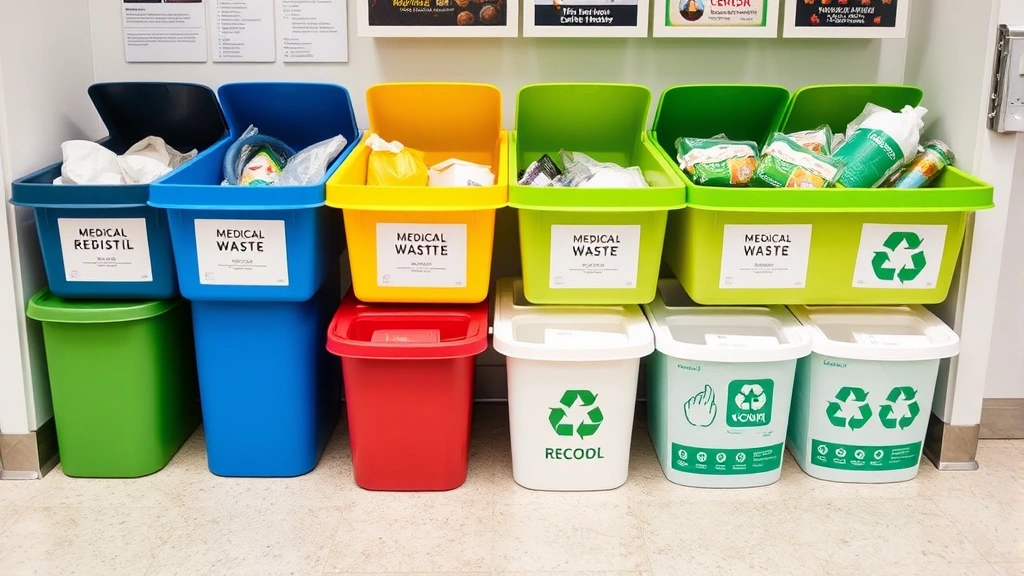
Waste segregation represents the first step in meaningful medical waste reduction. Hospitals implementing comprehensive VBG programs should establish clear protocols distinguishing between hazardous biological waste, sharps, and general waste. Proper segregation enables more efficient processing and increases opportunities for recycling compatible materials. For example, plastic collection tubes and syringes may be recyclable in some jurisdictions when properly cleaned and sorted.
Procurement practices directly influence waste generation. Healthcare facilities can reduce environmental impact by purchasing VBG supplies from manufacturers committed to sustainable production practices. Some suppliers now offer recyclable or compostable packaging for medical supplies, reducing the environmental burden of product delivery. Institutions should evaluate supplier environmental credentials as part of vendor selection processes.
Training staff on proper waste management techniques ensures that sustainability intentions translate into actual environmental benefits. Healthcare workers who understand the environmental implications of their procedures become advocates for efficiency. When phlebotomists and laboratory technicians recognize how their work contributes to hospital sustainability goals, they often identify additional opportunities for waste reduction within their daily routines.
Implementing tracking systems for waste generation provides data necessary for continuous improvement. Hospitals can measure waste reduction achievements by comparing volumes before and after implementing expanded VBG testing protocols. This data-driven approach demonstrates the real environmental impact of clinical decisions and justifies continued investment in sustainable diagnostic practices.
Energy Efficiency in Laboratory Operations
Laboratory energy consumption represents a significant portion of hospital operational costs and environmental impact. VBG analyzers, particularly point-of-care versions, offer advantages in energy efficiency compared to large centralized laboratory systems. Understanding these efficiency gains helps healthcare administrators make informed decisions about diagnostic infrastructure investments.
Centralized laboratory systems require continuous operation of climate control, specialized lighting, and large analytical equipment. These facilities must maintain precise environmental conditions year-round, consuming substantial electricity. In contrast, point-of-care VBG analyzers operate with minimal environmental requirements, running on standard electrical outlets and requiring no special laboratory infrastructure.
The distributed model enabled by point-of-care VBG testing reduces overall energy consumption in several ways. Smaller, localized devices consume less power individually. Elimination of sample transport systems removes energy demands from courier services and refrigerated transport containers. Reduced need for centralized laboratory infrastructure means facilities can downsize or repurpose large laboratory spaces, decreasing facility-wide energy consumption.
Modern VBG analyzers increasingly incorporate energy-saving features such as automatic shutdown modes, efficient processing algorithms, and LED display technology. Manufacturers designing for sustainability recognize that healthcare institutions prioritize both clinical performance and environmental responsibility. Selecting equipment with demonstrated energy efficiency credentials supports institutional sustainability objectives.
Alignment with advantages of electric vehicles demonstrates how transportation efficiency extends beyond patient transport. Reducing courier services that transport blood samples represents one component of comprehensive healthcare facility decarbonization. When combined with other sustainability initiatives, VBG testing efficiency contributes to measurable reductions in facility carbon footprints.
Implementation Strategies for Eco-Conscious Healthcare
Healthcare institutions genuinely committed to sustainability must implement VBG testing as part of comprehensive environmental strategies. Successful implementation requires planning, staff training, procurement adjustments, and ongoing evaluation. Organizations that approach this systematically maximize both clinical benefits and environmental gains.
Clinical protocol development should prioritize VBG analysis for appropriate patient populations. Emergency departments, intensive care units, and respiratory care units represent ideal settings for VBG testing implementation. Developing clear clinical guidelines ensures consistent adoption while maintaining diagnostic quality. Protocols should specify when VBG testing provides adequate information and when arterial blood gas analysis remains necessary.
Staff education programs must emphasize both clinical and environmental rationales for VBG testing adoption. Physicians, nurses, and laboratory personnel need to understand how their diagnostic choices influence environmental outcomes. When healthcare workers recognize that selecting VBG testing over more complex procedures contributes to institutional sustainability goals, they become motivated advocates for the practice.
Procurement teams should evaluate suppliers based on environmental criteria alongside traditional quality and cost metrics. Requesting sustainability reports from equipment manufacturers and supply vendors ensures that purchasing decisions align with institutional values. Some healthcare systems now include environmental performance standards in vendor contracts, creating market incentives for manufacturers to improve sustainability practices.
Establishing measurement systems to track environmental benefits provides accountability and demonstrates progress. Hospitals implementing expanded VBG programs should measure waste reduction, energy savings, and supply chain emissions reductions. Publishing these results internally reinforces institutional commitment to sustainability while creating benchmarks for continuous improvement.
Integration with broader healthcare sustainability initiatives amplifies environmental benefits. VBG testing efficiency should complement other practices such as trucks with best gas mileage for hospital fleet operations and comprehensive waste reduction programs. Holistic approaches to healthcare sustainability create synergistic effects where individual initiatives reinforce each other.
Collaboration with professional organizations accelerates adoption of sustainable diagnostic practices. When medical societies and professional associations promote VBG testing as environmentally responsible while maintaining clinical excellence, adoption increases across broader healthcare networks. Professional endorsement legitimizes the environmental case for practice changes.
Consider consulting resources like the Health Care Without Harm organization, which provides guidance on sustainable healthcare practices. Additionally, the American Public Health Association offers frameworks for integrating environmental sustainability into healthcare delivery systems. These authoritative sources provide evidence-based recommendations that strengthen institutional sustainability programs.
FAQ
How does venous blood gas testing reduce environmental impact compared to arterial blood gas testing?
Venous blood gas testing eliminates the need for arterial puncture, which requires more specialized training and equipment. This simplification reduces the number of failed attempts, fewer materials per successful sample, and less staff time required. Arterial puncture attempts often necessitate multiple needle sticks, generating additional waste. VBG’s peripheral vein sampling is simpler, faster, and generates less consumable waste while delivering clinically useful information for many patient populations.
Can venous blood gas analysis replace arterial blood gas testing entirely?
While VBG testing provides valuable diagnostic information for many conditions, arterial blood gas analysis remains necessary for certain clinical scenarios, particularly those requiring precise oxygen saturation measurement. However, VBG can serve as an effective initial screening tool, reducing unnecessary arterial punctures. Using VBG as first-line testing and reserving arterial sampling for specific clinical indications optimizes both clinical outcomes and environmental efficiency.
What role do hospital administrators play in promoting sustainable diagnostic practices?
Hospital leadership must establish policies prioritizing sustainable practices, allocate resources for equipment and training, and create accountability measures for environmental performance. Administrators who recognize that sustainability and clinical excellence align can drive institutional change. Setting sustainability targets, evaluating procurement based on environmental criteria, and publicly reporting environmental achievements demonstrates commitment that influences entire organizational cultures.
Are there certification programs for healthcare facilities implementing sustainable diagnostic practices?
Several organizations offer sustainability certifications for healthcare facilities. The Greenhouse Gas Protocol provides frameworks for measuring healthcare emissions, while various green hospital certification programs evaluate comprehensive sustainability practices. Pursuing these certifications provides external validation of environmental efforts and creates benchmarks for continuous improvement.
How can individual healthcare workers contribute to more sustainable diagnostic practices?
Healthcare professionals can advocate for VBG testing when clinically appropriate, properly segregate medical waste, and suggest sustainability improvements to facility leadership. Understanding how individual clinical decisions accumulate into institutional environmental impacts empowers healthcare workers to become sustainability champions. Participating in staff training programs and sharing knowledge with colleagues multiplies individual efforts across entire healthcare systems.
What financial benefits accompany sustainable diagnostic practice adoption?
Reducing material consumption, decreasing transportation requirements, and minimizing energy demands all decrease operational costs. While initial equipment investments may be required, long-term savings from reduced supply consumption and lower facility energy costs offset initial expenses. Additionally, improved efficiency often reduces staff time per procedure, generating productivity gains that contribute to financial sustainability alongside environmental sustainability.


