Is the Wolf Gas Range Eco-Friendly? Expert Review
When it comes to kitchen appliances, the Wolf gas range stands as a premium choice for culinary enthusiasts and professional chefs alike. However, as environmental consciousness grows, homeowners increasingly ask whether luxury cooking equipment aligns with sustainable living practices. The Wolf brand has built its reputation on performance, durability, and precision engineering, but the critical question remains: does this prestigious gas range qualify as an eco-friendly kitchen solution?
This comprehensive review examines the environmental impact of Wolf gas ranges, analyzing their energy efficiency, emissions profile, manufacturing practices, and how they compare to alternative cooking technologies. Understanding the full sustainability picture helps consumers make informed decisions that balance culinary excellence with environmental responsibility.
Wolf Gas Range Overview and Brand History
Wolf, a subsidiary of Sub-Zero Group, represents the pinnacle of high-end kitchen appliance manufacturing. Since 1956, the company has manufactured gas ranges that emphasize performance, build quality, and cooking precision. Wolf gas ranges feature powerful burners, advanced ignition systems, and premium materials that appeal to serious home cooks and professional kitchens.
The brand’s commitment to engineering excellence has made Wolf ranges synonymous with reliability and longevity. However, luxury and sustainability don’t always align naturally. Understanding Wolf’s approach to environmental responsibility requires examining their manufacturing philosophy, material sourcing, and commitment to reducing their carbon footprint across product lifecycles.
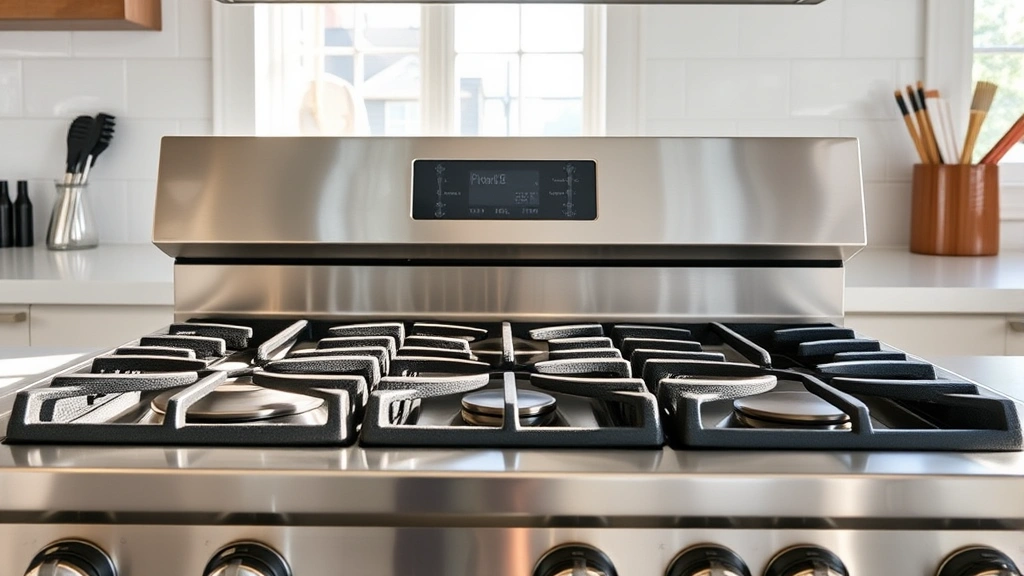
Wolf ranges typically feature cast iron grates, sealed burners, and heavy-duty construction that distinguishes them from mass-market alternatives. These design choices contribute to exceptional cooking performance but also influence the overall environmental footprint through resource intensity and manufacturing processes. Exploring whether premium construction translates to environmental benefits requires detailed analysis of specific models and their operational characteristics.
[IMAGE_1]
Energy Efficiency and Fuel Consumption
Gas ranges inherently face efficiency challenges compared to electric cooking technologies. When evaluating the energy efficiency of Wolf gas ranges, several factors emerge as critical. Gas burners typically operate at 70-75% efficiency, meaning significant heat escapes into the kitchen environment rather than transferring to cookware. This contrasts sharply with induction cooktops, which achieve 85-90% efficiency through direct electromagnetic energy transfer.
Wolf gas ranges, like most premium gas cooking equipment, don’t dramatically exceed industry efficiency standards. Their burners deliver consistent flame and precise temperature control—valued by professional cooks—but this performance characteristic doesn’t necessarily translate to superior energy efficiency. The powerful BTU output (typically 15,000-18,000 BTU per burner) provides flexibility for various cooking techniques but consumes proportionally more fuel than lower-output alternatives.
The oven components of Wolf gas ranges feature improved insulation and burner design compared to budget models, potentially reducing fuel consumption during baking and roasting. However, comprehensive efficiency data specific to Wolf models remains limited, as manufacturers typically don’t publish detailed energy consumption metrics. This opacity makes direct efficiency comparisons challenging for environmentally conscious consumers seeking quantifiable sustainability data.
Understanding natural gas vs propane dynamics helps contextualize efficiency considerations. Natural gas, commonly used in Wolf ranges, burns cleaner than propane but still generates carbon emissions. For consumers in regions with renewable electricity sources, switching to electric cooking represents a more sustainable option, though this depends heavily on local energy grids.

Environmental Impact of Natural Gas Cooking
Natural gas combustion produces carbon dioxide and water vapor as primary byproducts, along with nitrogen oxides and other trace compounds. When evaluating the environmental impact of Wolf gas ranges, the upstream extraction and transportation of natural gas constitutes a significant portion of the overall carbon footprint. Methane leakage during production, processing, and distribution adds to climate concerns, as methane possesses a global warming potential 28-36 times greater than carbon dioxide over a 100-year period.
The combustion process itself, however, ranks among the cleanest fossil fuel burning methods. Natural gas produces approximately 50% fewer carbon emissions than coal and 30% fewer than oil when generating equivalent energy. For regions heavily dependent on natural gas infrastructure, Wolf gas ranges represent a practical cooking solution with moderate environmental impact compared to electric ranges powered by coal-intensive grids.
Indoor air quality presents another environmental consideration for gas cooking. Combustion produces nitrogen dioxide, formaldehyde, and carbon monoxide in small quantities. Proper ventilation becomes essential when using gas ranges to maintain healthy indoor air quality. Wolf ranges don’t incorporate special filtration or emission reduction technology beyond standard combustion design, placing responsibility for air quality management on kitchen ventilation systems.
Comparing the lifecycle emissions of Wolf gas ranges to electric alternatives depends entirely on regional electricity generation sources. In areas powered primarily by renewable energy, electric cooking produces substantially lower emissions. Conversely, regions relying on fossil fuel power plants may see minimal climate benefits from switching to electric cooking, though air quality improvements within the home remain significant.
Manufacturing and Sustainability Practices
Wolf’s parent company, Sub-Zero Group, has implemented environmental management systems across manufacturing facilities. The company emphasizes responsible sourcing of materials, waste reduction during production, and energy-efficient manufacturing processes. However, specific publicly available sustainability reports detailing Wolf’s manufacturing environmental impact remain limited.
Premium gas ranges require substantial material inputs, including cast iron, stainless steel, brass, and various electronic components. The extraction and processing of these materials consume significant energy and generate environmental impacts. Wolf’s commitment to durability means individual units last longer than budget alternatives, potentially offsetting some manufacturing impacts through extended product lifecycles. A Wolf range designed to function for 20+ years distributes manufacturing impacts across a longer operational period than appliances replaced every 5-7 years.
The company’s manufacturing locations and supply chain practices influence environmental footprint. Sub-Zero Group operates facilities in Wisconsin and has established relationships with suppliers across North America and internationally. Detailed information about supplier environmental standards, transportation impacts, and manufacturing emissions remains proprietary, limiting transparency for environmentally conscious consumers seeking comprehensive sustainability data.
Packaging represents another manufacturing consideration. Wolf ranges arrive in substantial protective packaging designed for premium product protection and damage prevention. While necessary for product integrity, this packaging generates waste unless properly recycled. Consumers should investigate local recycling options for appliance packaging materials, including cardboard, foam, and plastic components.
Emissions and Air Quality Considerations
Wolf gas ranges produce combustion emissions that directly affect indoor air quality. Modern kitchens with proper ventilation systems effectively manage these emissions, but inadequate ventilation creates health and environmental concerns. The emissions profile of gas cooking appliances includes:
- Nitrogen dioxide (NO₂): Irritates respiratory passages and contributes to ground-level ozone formation
- Carbon monoxide (CO): Binds to hemoglobin and reduces oxygen delivery to tissues
- Formaldehyde: Known irritant and potential carcinogen at elevated concentrations
- Carbon dioxide (CO₂): Primary greenhouse gas contributing to climate change
- Water vapor: Increases indoor humidity, potentially promoting mold growth
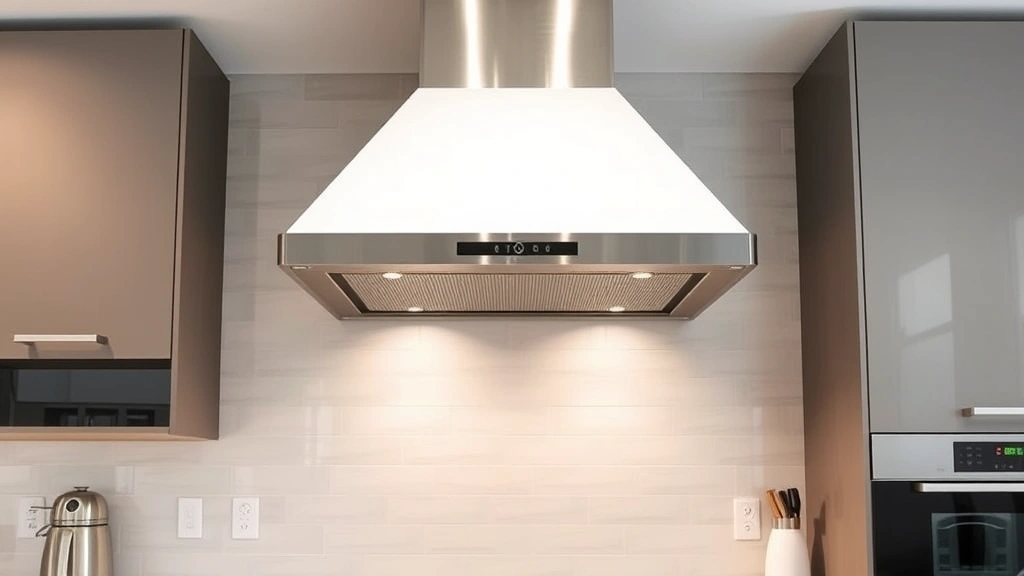
Wolf ranges don’t incorporate emission reduction technology beyond standard combustion engineering. The powerful burners and sealed design prevent gas leakage but don’t actively reduce combustion byproducts. Quality range hoods with adequate ventilation capacity become essential for maintaining healthy indoor air quality when using gas cooking equipment.
Research from the EPA on indoor air quality indicates that gas cooking appliances contribute measurably to indoor nitrogen dioxide concentrations. While occasional cooking poses minimal health risks in well-ventilated spaces, frequent cooking without proper ventilation accumulates pollutants. Families with respiratory conditions, young children, or elderly members should prioritize robust ventilation when choosing gas cooking equipment.
Comparing Wolf Ranges to Electric and Induction Alternatives
Evaluating Wolf gas ranges against alternative cooking technologies requires examining multiple environmental dimensions. Sustainable energy solutions increasingly include electric and induction cooking as preferred alternatives to gas, though context-specific factors influence relative sustainability.
Electric Coil and Smooth-Top Ranges: Traditional electric ranges operate at 70-75% efficiency, matching gas ranges in energy conversion but eliminating indoor combustion emissions. Electric cooking powered by renewable electricity offers substantially lower lifecycle emissions than gas cooking. However, electric ranges lack the precise temperature control and instant flame that professional cooks value.
Induction Cooktops: Induction technology achieves 85-90% efficiency through magnetic energy transfer directly to cookware. This superior efficiency reduces energy consumption by 20-40% compared to gas cooking. Induction cooktops eliminate combustion emissions entirely, improving indoor air quality significantly. However, induction requires ferromagnetic cookware and lacks the aesthetic appeal of visible flames that many cooks prefer. Premium induction ranges like those from Miele and WOLF’s parent company’s other brands compete with gas ranges on price but offer superior environmental profiles.
Wolf has not developed induction cooking product lines, maintaining focus on gas and electric range manufacturing. This strategic choice reflects the brand’s commitment to traditional cooking performance but limits options for environmentally conscious consumers seeking Wolf-branded induction solutions.
Reviewing green technology innovations transforming our future reveals that electric and induction cooking increasingly dominates high-end appliance development. Premium manufacturers increasingly prioritize these technologies, suggesting a market shift toward more sustainable cooking solutions.
Durability and Product Lifecycle
One of Wolf’s most significant environmental advantages emerges through exceptional durability and product longevity. Premium construction using cast iron, heavy-duty steel, and precision engineering creates ranges designed to function for 20-30 years with proper maintenance. This extended lifespan distributes manufacturing impacts across decades rather than the typical 7-12 year lifecycle of budget appliances.
The lifecycle assessment perspective becomes crucial when evaluating overall environmental impact. A Wolf range manufactured with high resource intensity but lasting 25 years may generate lower per-year environmental impact than a budget range manufactured efficiently but replaced every 8 years. Manufacturing environmental costs amortized over extended product life sometimes favor premium products despite higher initial impacts.
Wolf ranges feature replaceable components—burners, grates, thermostats, and electronic controls—extending operational life beyond typical appliance replacement cycles. This repairability contrasts with many modern appliances designed for replacement rather than repair. Consumers able to service Wolf ranges through local technicians avoid premature disposal and the associated manufacturing impacts of replacement units.
However, this durability advantage only materializes if consumers maintain ranges properly and resist replacement for aesthetic or technological reasons. Throwing away a functional Wolf range to upgrade to newer models negates longevity benefits and contradicts sustainable consumption principles. How to reduce your environmental footprint emphasizes extending product lifespans as a core sustainability strategy, directly favoring durable appliances like Wolf ranges.
Making an Eco-Conscious Choice
Determining whether a Wolf gas range aligns with eco-conscious values requires honest assessment of individual circumstances, regional energy infrastructure, and cooking priorities. Several key considerations guide decision-making:
Regional Electricity Sources: Consumers in regions powered primarily by renewable energy should prioritize electric or induction cooking over gas. Those in coal-dependent regions may find minimal climate benefit from switching to electric cooking. Research your local utility’s energy generation portfolio through your regional electricity grid documentation.
Cooking Frequency and Style: Professional and frequent home cooks derive maximum value from Wolf’s performance advantages, justifying the environmental investment in a premium gas range. Casual cooks preparing simple meals might reduce environmental impact more effectively by choosing efficient electric or induction alternatives.
Kitchen Ventilation Capacity: Proper ventilation becomes non-negotiable with gas cooking. Consumers unable to install high-capacity range hoods should reconsider gas ranges entirely, regardless of brand, due to indoor air quality concerns. Induction or electric cooking eliminates this ventilation requirement.
Home Energy Profile: Homes with existing natural gas infrastructure may achieve lower environmental impact by maintaining gas cooking rather than converting entire systems to all-electric. However, new construction or major renovations present opportunities to eliminate natural gas entirely through sustainable energy solutions prioritizing electric heat pumps, induction cooking, and renewable electricity.
Budget and Longevity Commitment: Wolf ranges represent significant investments justified only through extended use. Consumers unable to keep ranges for 15+ years should consider mid-range alternatives with better price-to-longevity ratios. The environmental cost of manufacturing premium appliances only justifies itself through genuine long-term use.
Maintenance Capacity: Wolf ranges require regular maintenance to preserve functionality and longevity. Consumers unable or unwilling to maintain appliances properly should choose more forgiving alternatives requiring less specialized care.
The lifecycle assessment research on cooking appliances indicates that manufacturing impacts dominate the environmental profile for durable goods. Extending product lifespan through quality construction and proper maintenance represents the most effective sustainability strategy available to consumers choosing premium appliances.
For consumers prioritizing environmental impact above cooking performance, advantages of electric vehicles mirrors advantages of electric cooking—eliminating combustion emissions and enabling renewable energy integration. Just as electric vehicles reduce transportation emissions when powered by clean electricity, electric and induction cooking reduces kitchen emissions when powered by renewable sources.
FAQ
Are Wolf gas ranges Energy Star certified?
Wolf gas ranges do not carry Energy Star certification. Energy Star standards for gas ranges remain limited, and Wolf prioritizes performance specifications over certification pursuit. Consumers seeking certified efficient appliances should explore electric or induction alternatives from manufacturers pursuing Energy Star designation.
How does a Wolf gas range compare environmentally to a standard gas range?
Wolf gas ranges offer minimal environmental advantages over standard gas ranges regarding emissions or efficiency. The primary environmental benefit emerges through superior durability and extended product lifespan. Standard ranges replaced more frequently generate greater cumulative manufacturing impacts despite similar operational emissions.
Can Wolf gas ranges operate on propane?
Many Wolf gas range models accommodate propane conversion through burner orifice replacement and pressure regulator adjustment. Propane combustion produces slightly higher emissions than natural gas but provides an alternative for properties without natural gas infrastructure. Conversion kits typically cost $200-500 and require professional installation.
What’s the carbon footprint of manufacturing a Wolf gas range?
Wolf does not publicly release manufacturing carbon footprint data for specific appliance models. The company’s parent organization, Sub-Zero Group, emphasizes environmental management but maintains proprietary manufacturing impact information. Consumers seeking detailed sustainability data should contact Wolf directly requesting lifecycle assessment documentation.
How long do Wolf gas ranges typically last?
Wolf gas ranges commonly function for 20-30 years with proper maintenance and regular component servicing. This exceptional longevity ranks among the longest for any cooking appliance, effectively reducing per-year environmental impact compared to appliances replaced every 7-12 years. Component replacement availability through authorized service centers supports extended operational lifespans.
Should I choose a Wolf gas range or switch to induction?
This decision depends on regional electricity sources, cooking style, budget, and environmental priorities. Induction cooking offers superior efficiency and zero combustion emissions but requires ferromagnetic cookware and lacks visible flames. Wolf gas ranges deliver unmatched cooking performance for professional techniques but generate combustion emissions. Both represent valid choices depending on individual circumstances and priorities.
What ventilation do Wolf gas ranges require?
Wolf gas ranges require range hoods or ventilation systems capable of removing combustion byproducts effectively. Minimum ventilation capacity typically ranges from 300-600 CFM depending on cooking frequency and kitchen size. Inadequate ventilation allows nitrogen dioxide and other pollutants to accumulate indoors, negating other environmental benefits through compromised air quality.


