Is an Adjustable Gas Block Worth It? AR-15 Insights
When optimizing an AR-15 platform rifle, shooters often encounter the question of whether upgrading to an adjustable gas block represents a worthwhile investment. This component sits at the intersection of performance tuning and operational efficiency, offering benefits that extend beyond mere customization preferences. Understanding the value proposition requires examining how adjustable gas blocks function, their practical advantages, and whether they align with your shooting discipline and rifle configuration.
The AR-15 platform’s popularity stems partly from its modularity and adaptability. Like exploring sustainable energy solutions that optimize resource efficiency, upgrading firearm components involves evaluating whether modifications deliver measurable performance gains. An adjustable gas block essentially allows shooters to fine-tune the amount of gas cycling back through the system, creating a customizable balance between reliability, recoil management, and component longevity.
This comprehensive guide examines whether an adjustable gas block justifies its cost and installation complexity, helping you make an informed decision based on your specific shooting needs and rifle configuration.
Understanding Gas Block Fundamentals
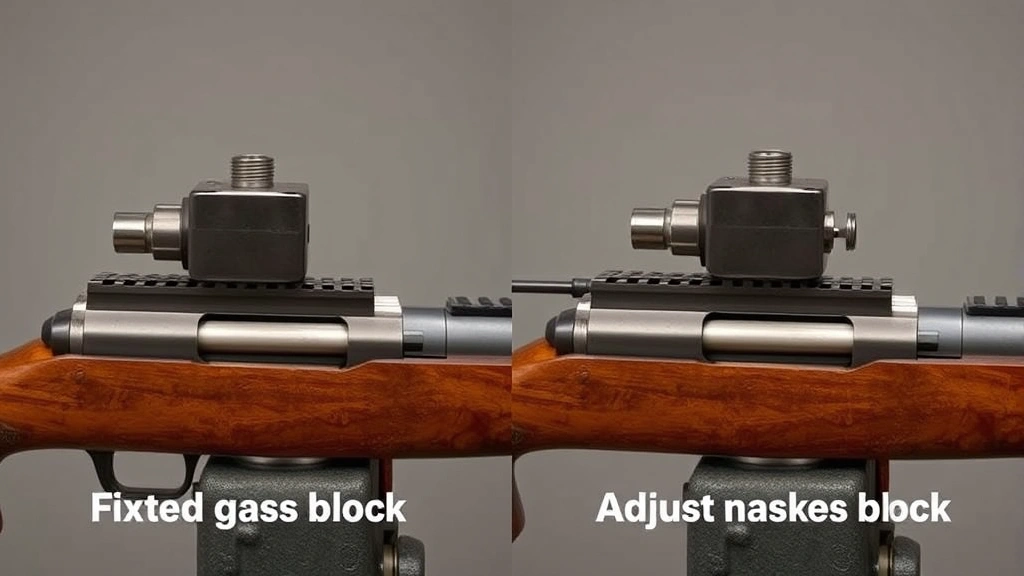
The gas block represents one of the AR-15’s most critical components, yet many shooters overlook its significance. This small device harvests expanding gases from a fired round and redirects them backward through the rifle’s operating system. A standard fixed gas block offers no adjustment capability—gas flows at whatever volume the manufacturer predetermined based on barrel length and system assumptions.
An adjustable gas block introduces a valve mechanism allowing the shooter to restrict or increase gas flow with precision. This adjustment capability addresses a fundamental reality: not all AR-15 configurations perform identically. Barrel length, ammunition type, suppressor installation, bolt carrier group mass, and buffer spring tension all influence how much gas your system actually needs for reliable cycling.
Think of it similarly to optimizing your environmental footprint through targeted adjustments—you identify inefficiencies and calibrate your approach for better results. With a fixed gas block, you’re stuck with a one-size-fits-most solution that may deliver excessive gas to your system, causing unnecessary wear and increased recoil impulse.
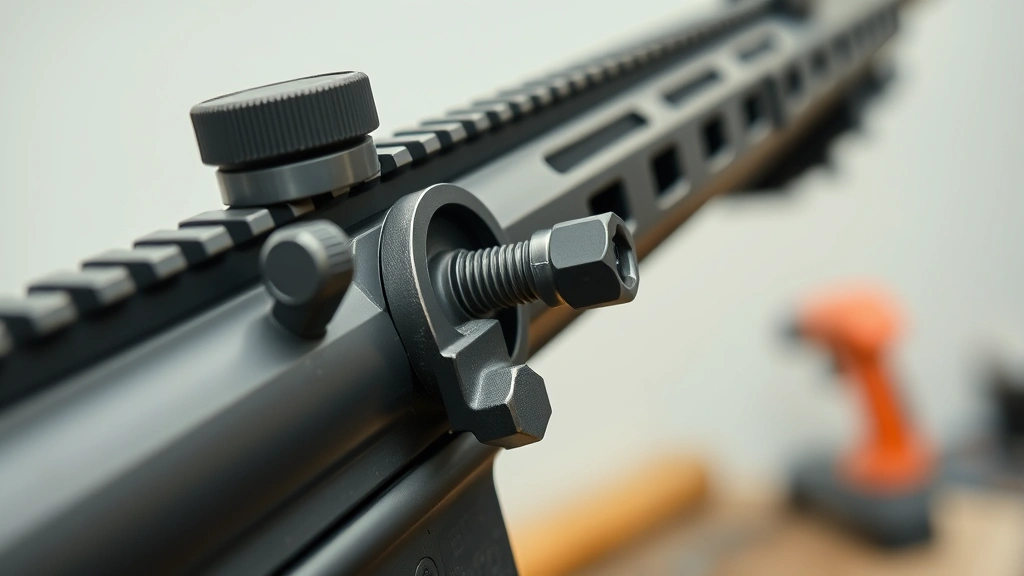
Modern adjustable gas blocks employ either a screw-based adjustment mechanism or a lever-operated system. Screw-based designs require a tool (usually an Allen wrench or screwdriver) to modify gas flow, making them more permanent once set. Lever-operated designs enable quick field adjustments, though they typically cost more and add slight complexity to your rifle’s profile.
Performance Benefits Explained
The measurable advantages of installing an adjustable gas block extend across several performance dimensions that directly impact shooting experience and rifle reliability.
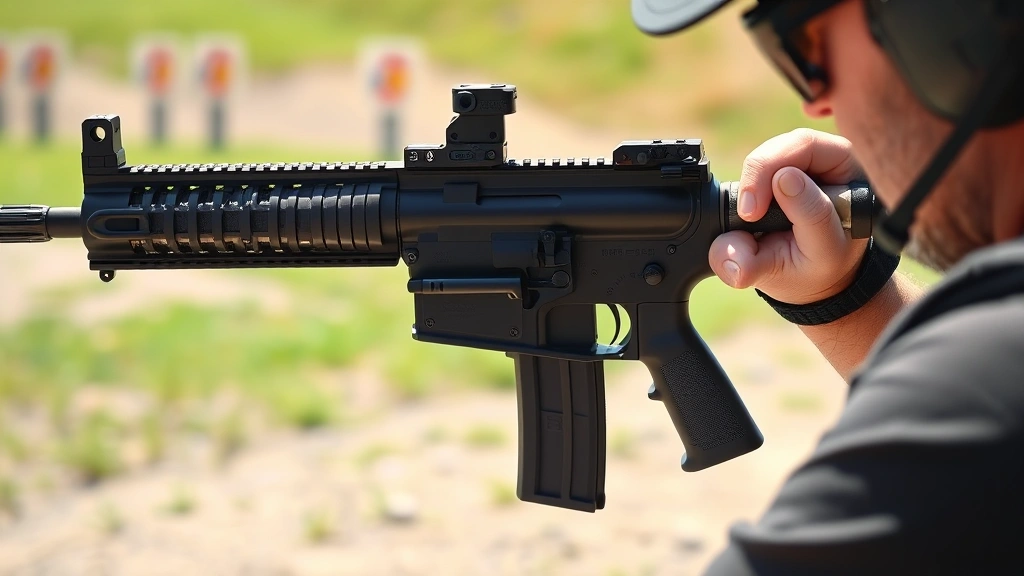
Recoil Reduction represents the most immediately noticeable benefit. By restricting gas flow to the minimum amount necessary for reliable cycling, you reduce the impulse driving the bolt carrier group rearward. This decreased recoil translates to faster follow-up shot capability, improved accuracy during rapid-fire sequences, and reduced shooter fatigue during extended range sessions. For competitive shooters, this advantage compounds across hundreds of rounds, potentially improving placement consistency measurably.
Component Longevity improves significantly with proper gas tuning. Excessive gas creates unnecessary stress on every component downstream—the bolt carrier group experiences harder impacts, the buffer absorbs greater shock, and the receiver extension endures amplified forces. By reducing gas flow to optimal levels, you extend the service life of these expensive components. This aligns with principles of sustainable resource management, where optimizing systems reduces waste and extends equipment lifespan.
Suppressor Compatibility becomes dramatically improved with adjustable gas blocks. Suppressors increase back-pressure, forcing additional gas into the system. A fixed gas block may deliver excessive gas when a suppressor attaches, causing reliability issues or requiring buffer modifications. Adjustable blocks solve this elegantly—simply reduce gas flow when running suppressed, then increase it when shooting unsuppressed. This versatility eliminates the need for multiple buffer configurations or dedicated suppressed-only rifles.
Ammunition Flexibility expands considerably. Different ammunition types, manufacturers, and bullet weights cycle differently through your system. Adjustable gas blocks let you dial in the perfect setting for whatever ammunition you’re running, whether that’s subsonic rounds designed for suppressed fire or hot military-spec loads. This capability proves invaluable if you reload ammunition or frequently switch between manufacturers.
Reliability Optimization reaches new precision levels. Rather than running your rifle with excess gas to ensure reliability under worst-case scenarios, you can adjust to the minimum gas flow that maintains 100% reliability with your specific configuration. This sweet spot provides reliability while minimizing unnecessary stress and recoil.
Cost Considerations and ROI
Evaluating whether an adjustable gas block justifies its expense requires understanding both direct and indirect costs associated with the upgrade.
Direct Purchase Costs typically range from $60 for basic screw-adjusted models to $180+ for premium lever-operated designs with enhanced adjustability. Compare this to fixed gas blocks costing $20-40, and you’re looking at a $40-140 premium. Installation costs vary—if you’re comfortable with basic gunsmithing, you can install it yourself using standard AR-15 tools. Professional installation typically adds $50-100 in labor.
Indirect Cost Savings offset the initial investment over time. Extended component lifespan means delayed replacement of bolt carrier groups (typically $80-150), buffers ($30-60), and other wear items. If an adjustable block extends component life by just 500-1000 rounds, you’ve recovered the upgrade cost. For shooters firing thousands of rounds annually, this payback period compresses significantly.
Ammunition Efficiency improves when you’re not running excess gas. You waste less propellant energy cycling unnecessary gas, though this savings remains marginal in real-world terms. The greater savings emerge from reduced component replacement frequency and the flexibility to optimize for different ammunition types without purchasing dedicated rifle configurations.
Competitive Shooting Value becomes substantial for match shooters. Reduced recoil and faster follow-up capability can translate directly to improved scores and placement. For serious competitors, the performance gains justify costs that casual shooters might question. Similarly, green technology innovations often justify premium pricing through long-term efficiency gains.
The ROI question ultimately depends on your shooting volume and discipline. Low-volume recreational shooters may find the cost difficult to justify. Competitive shooters, military/law enforcement professionals, and high-volume enthusiasts typically find the investment worthwhile within their first year of ownership.
Installation and Compatibility
Successfully installing an adjustable gas block requires understanding compatibility considerations and installation procedures.
Barrel Compatibility represents the primary concern. Adjustable gas blocks must fit your specific barrel diameter, typically ranging from .625″ to .750″. Measure your barrel carefully or consult your manufacturer’s specifications. Additionally, verify that your barrel is properly drilled for gas block mounting—some barrels, particularly pencil profiles, may have limited gas block options.
Installation Requirements vary by design. Most adjustable blocks attach using two set screws tightened against the barrel. Proper installation involves:
- Removing the existing gas tube and front sight assembly (if present)
- Measuring precise gas block placement relative to the barrel’s gas port
- Securing the block with appropriate torque specifications (typically 15-25 ft-lbs)
- Reinstalling the gas tube and ensuring proper alignment
- Testing for gas leaks around the connection points
Specialized Tools may be necessary. Beyond standard AR-15 tools, you might need a barrel vise, action block, or gas block alignment tools. These typically cost $20-60 if you don’t already own them. Many shooters opt for professional installation to ensure proper alignment and torque specifications.
Suppressor Integration requires additional consideration. Ensure your suppressor’s back-pressure characteristics align with your adjustable block’s range. Consult both manufacturers’ specifications to verify compatibility, particularly if you’re running a short-barreled rifle with aggressive suppressors.
Real-World Applications
Different shooting disciplines derive varying value from adjustable gas block installation.
3-Gun Competition represents perhaps the strongest use case. These matches demand rapid target transitions, quick follow-up shots, and reliable functioning across multiple shooting positions. Shooters can adjust their gas blocks for optimal performance with their specific ammunition and suppressor combination, gaining measurable advantages in stage times.
Long-Range Precision benefits from reduced recoil enabling faster sight picture recovery between shots. While long-range shooters typically fire more deliberately than competitors, the improved shot-to-shot consistency justifies the upgrade for those pursuing accuracy records or precision matches.
Suppressed Shooting becomes significantly more practical with adjustable gas blocks. Subsonic ammunition paired with a suppressor and properly tuned gas block delivers hearing-safe performance without the reliability concerns that plague many suppressed AR-15s running fixed blocks.
Military and Law Enforcement applications benefit from the flexibility to optimize performance with issued ammunition, varying environmental conditions, and different mission requirements. The ability to quickly adjust gas flow without swapping components improves operational efficiency.
Casual Recreational Shooting derives minimal tangible benefit from adjustable blocks unless the shooter frequently changes ammunition types or suppressor configurations. For those running consistent ammunition through an unsuppressed rifle, a quality fixed block performs adequately.
Maintenance and Longevity
Proper maintenance of your adjustable gas block ensures continued reliable performance and accurate adjustability throughout the rifle’s service life.
Cleaning and Inspection should occur during regular rifle maintenance. The adjustment mechanism accumulates carbon and powder residue, potentially affecting ease of adjustment. Use a brush to clean the exterior, and lightly lubricate the adjustment mechanism (screw or lever) with gun oil. Avoid excessive lubrication that attracts additional fouling.
Adjustment Retention requires verification. Screw-based adjustable blocks may gradually loosen from recoil impulses, particularly if initial installation torque wasn’t precise. Periodically verify that adjustment screws remain tight and haven’t drifted. Some shooters apply removable threadlocker compound to prevent unintended movement.
Gas Tube Inspection becomes more critical with adjustable blocks. Ensure the connection between block and tube remains tight and doesn’t develop leaks. Gas leaks at this junction reduce system pressure and can cause reliability issues. Clean this connection point regularly and verify proper fit.
Long-Term Durability of quality adjustable blocks typically matches or exceeds fixed alternatives. Reputable manufacturers design these components for thousands of round cycles. The adjustment mechanism, being mechanical, represents the most likely failure point, though quality designs prove exceptionally reliable in practice.
Comparison with Fixed Alternatives
Understanding how adjustable blocks compare to fixed alternatives clarifies the upgrade decision.
Fixed Gas Blocks offer simplicity, lower cost, and proven reliability. Once installed, they require no adjustment or maintenance beyond standard rifle cleaning. For shooters running consistent ammunition through a standard configuration, fixed blocks perform admirably. They represent the optimal choice for budget-conscious shooters or those unlikely to change ammunition types or add suppressors.
Adjustable vs. Fixed Performance differences become measurable primarily when you’re optimizing for specific conditions. A properly tuned adjustable block outperforms a fixed block optimized for average conditions, but both will function reliably across typical shooting scenarios. The gains emerge in competitive contexts or when running non-standard configurations.
Reliability Comparison slightly favors fixed blocks due to their mechanical simplicity. However, quality adjustable blocks from established manufacturers demonstrate reliability equivalent to fixed alternatives. The failure rate difference is negligible in practice.
Future-Proofing benefits adjustable blocks. If you add a suppressor, change ammunition types, or modify your rifle configuration later, an adjustable block adapts without requiring replacement. A fixed block may become suboptimal, forcing you to replace it or accept compromised performance.
For shooters committed to long-term rifle optimization and potential configuration changes, adjustable blocks represent better long-term value despite higher initial costs.
FAQ
Do I need an adjustable gas block if I don’t use a suppressor?
Not necessarily. If you’re running standard ammunition through an unsuppressed rifle, a quality fixed gas block performs adequately. However, if you plan to add a suppressor later or frequently change ammunition types, an adjustable block provides valuable flexibility.
Can I install an adjustable gas block myself?
Yes, if you’re comfortable with basic gunsmithing. You’ll need standard AR-15 tools and proper barrel support. Many shooters prefer professional installation to ensure precise alignment and torque specifications, particularly on their first attempt.
How much does gas tuning actually reduce recoil?
Properly tuned adjustable blocks can reduce felt recoil by 15-25% compared to over-gassed fixed configurations. The exact reduction depends on your specific setup, but the difference proves noticeable and measurable in follow-up shot speed.
What’s the best setting for my adjustable gas block?
Start with the maximum setting and gradually reduce gas flow while testing reliability. Find the minimum setting that reliably cycles 100 rounds without failures. This sweet spot provides optimal performance for your specific configuration.
Are adjustable gas blocks reliable for duty use?
Yes. Quality adjustable blocks from established manufacturers demonstrate reliability equivalent to fixed alternatives. Military and law enforcement agencies use them in operational contexts, validating their dependability.
Can I adjust my gas block while shooting?
Lever-operated designs permit field adjustments, but most screw-based blocks require tools. Consult your specific manufacturer’s design to understand adjustment capability without disassembling the rifle.
Will an adjustable gas block work with any suppressor?
Most adjustable blocks work with standard suppressors, but verify compatibility. Aggressive suppressors designed for extreme back-pressure may exceed your block’s adjustment range. Consult both manufacturer specifications before combining components.
How often should I adjust my gas block?
Once properly tuned for your specific ammunition and configuration, adjustable blocks require no further adjustment unless you change ammunition significantly or add/remove a suppressor. Occasional verification that adjustment screws remain tight suffices for maintenance.


