
Gas Cooktop vs. Electric: Sustainability Insights
When it comes to kitchen appliances, few choices impact your home’s environmental footprint as significantly as your cooking method. The debate between gas cooktop stoves and electric alternatives has evolved far beyond simple convenience—it now encompasses energy efficiency, carbon emissions, and long-term sustainability. Understanding the ecological implications of each option empowers homeowners to make informed decisions that align with their environmental values.
A gas cooktop stove has long been the preferred choice for professional chefs and cooking enthusiasts, but the environmental cost of natural gas extraction, transportation, and combustion raises important questions about its true sustainability. Meanwhile, electric cooking technology has advanced dramatically, with induction cooktops offering efficiency levels that rival or exceed gas alternatives. This comprehensive guide explores the sustainability dimensions of both cooking methods, helping you navigate the complex environmental trade-offs and discover which option best suits your household’s ecological goals.

Energy Efficiency and Carbon Emissions
The sustainability conversation surrounding cooking appliances fundamentally centers on energy efficiency and carbon emissions. When you use a gas cooktop stove, only about 40% of the energy from combustion actually heats your cookware, while the remaining 60% dissipates into your kitchen as waste heat. This inefficiency has significant environmental implications, particularly when multiplied across millions of households worldwide.
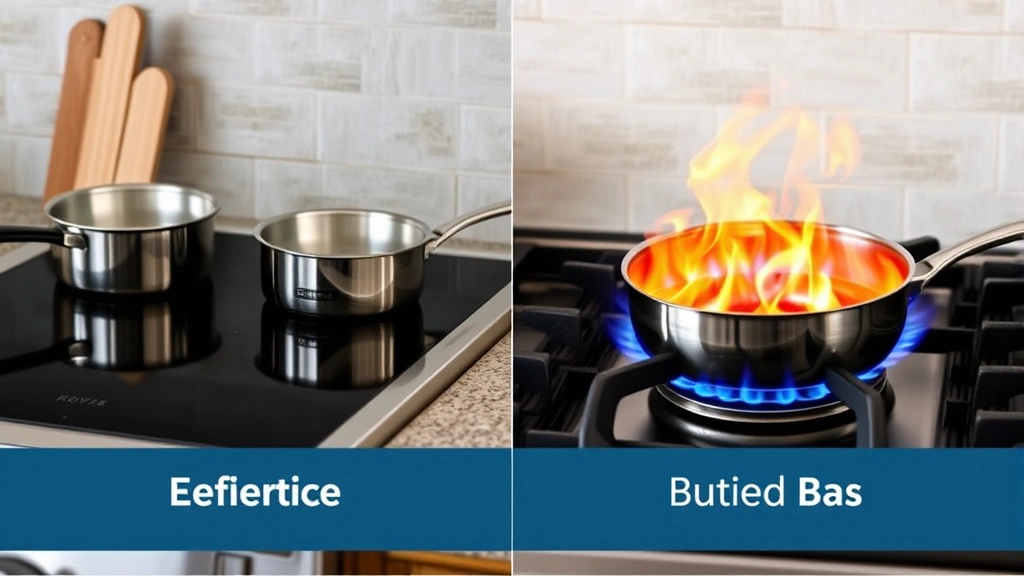
Electric cooktops, particularly induction models, demonstrate substantially higher efficiency rates. Induction cooktops convert approximately 80-90% of electrical energy directly into heat for your cookware, making them nearly twice as efficient as their gas counterparts. This dramatic difference means fewer resources are required to prepare your meals, reducing your household’s overall energy consumption and associated carbon footprint.
To understand the complete carbon picture, you must consider your region’s electrical grid composition. If your electricity comes primarily from renewable sources like wind, solar, or hydroelectric power, switching to electric cooking creates an even more compelling sustainability case. Conversely, regions relying heavily on fossil fuel-based power generation may see less dramatic carbon reductions when transitioning from gas to electric cooking. However, as grids continue their sustainable energy solutions transition toward renewable sources, the environmental advantage of electric cooking will only increase over time.
Research from the U.S. Environmental Protection Agency indicates that cooking accounts for approximately 4-6% of residential energy consumption. While this may seem modest, the cumulative effect across millions of homes represents enormous potential for emissions reduction through strategic appliance choices.
Environmental Impact of Natural Gas
Understanding the full environmental footprint of a gas cooktop stove requires examining the entire lifecycle of natural gas, from extraction through combustion. The natural gas industry’s environmental impact extends far beyond your kitchen, encompassing extraction processes, pipeline infrastructure, and fugitive emissions that occur throughout the supply chain.
Methane, the primary component of natural gas, represents a significant climate concern. When natural gas is extracted, transported, and distributed, methane leaks occur at various points in the system. Methane is approximately 80-86 times more potent than carbon dioxide over a 20-year period, making even small leaks environmentally consequential. Industry estimates suggest that 1-2% of natural gas leaks during production and distribution—a seemingly minor percentage that translates to millions of tons of methane entering the atmosphere annually.
Hydraulic fracturing, or fracking, the primary method for extracting natural gas from shale formations, raises additional environmental concerns. This process requires enormous quantities of water, generates wastewater that requires treatment, and can potentially impact groundwater quality if containment protocols fail. The infrastructure required to transport natural gas—including pipelines, compressor stations, and distribution networks—also requires significant land disturbance and ongoing maintenance.
When you burn natural gas in your gas cooktop stove, combustion produces carbon dioxide and water vapor. While carbon dioxide is necessary for complete combustion, incomplete combustion can generate carbon monoxide, a toxic gas that poses health risks in poorly ventilated kitchens. The environmental and health implications of gas cooking extend beyond climate change to include local air quality degradation and indoor air pollution.
For additional context on energy source comparisons, explore our detailed analysis of natural gas vs propane to understand how different fossil fuel options compare in sustainability metrics.
Electric Cooking Technology Advances
Electric cooking technology has undergone revolutionary improvements over the past decade, transforming perceptions about electric cooktops’ performance capabilities. Traditional coil and smooth-top electric cooktops, while efficient, earned reputations for slower heat response and uneven temperature distribution. Modern induction cooktops have shattered these limitations, offering responsiveness that rivals or exceeds gas cooking while maintaining superior efficiency.
Induction cooking operates through electromagnetic technology that directly heats ferromagnetic cookware, bypassing the inefficient intermediate heating step that characterizes traditional electric cooktops. This direct energy transfer mechanism means your cookware begins heating almost instantaneously, providing the immediate temperature control that cooking enthusiasts appreciate. The cooktop surface itself remains cooler than gas burners, reducing burn risks and heat dissipation into your kitchen environment.
The sustainability advantages of induction technology extend beyond mere efficiency metrics. Because induction cooktops generate less ambient heat, your air conditioning system requires less supplementary cooling during summer months, further reducing overall household energy consumption. This secondary efficiency gain compounds the primary energy savings, making induction cooktops particularly attractive in warm climates where cooling costs represent significant household expenses.
Resistance heating electric cooktops occupy a middle ground between traditional coil models and induction technology. These smooth-top cooktops offer improved aesthetics and easier cleaning compared to coil models while maintaining respectable efficiency levels. While not as efficient as induction cooktops, resistance heating elements provide reliable performance and represent a sustainable upgrade from gas cooktop stoves for homeowners unable to adopt induction technology.
Modern electric cooktops also integrate advanced features that enhance sustainability through improved user experience. Precision temperature controls, timer functions, and safety features like automatic shutoff after extended non-use help prevent energy waste and accidents. These technological refinements make electric cooking increasingly accessible and appealing to diverse user preferences.
Indoor Air Quality Considerations
The sustainability conversation surrounding cooking appliances must account for indoor air quality implications, as this dimension directly affects household health and environmental responsibility. Gas cooktop stoves release several pollutants into your kitchen during normal operation, including nitrogen dioxide, carbon monoxide, and formaldehyde. These emissions accumulate over time, particularly in kitchens with inadequate ventilation.
Nitrogen dioxide, produced during gas combustion, is a respiratory irritant that can exacerbate asthma and other respiratory conditions, particularly in children and elderly household members. Research from the American Lung Association demonstrates that homes with gas stoves experience consistently higher indoor nitrogen dioxide concentrations than homes with electric cooking appliances. This health impact represents an often-overlooked environmental cost of gas cooktop stoves.
Electric cooktops produce zero direct emissions, eliminating combustion byproducts from your kitchen environment. This fundamental difference means electric cooking contributes to healthier indoor air quality without requiring supplementary ventilation systems to manage pollutant concentrations. For families with respiratory sensitivities or young children, this health advantage combines with environmental benefits to create a compelling case for electric cooking alternatives.
Proper ventilation remains important for all cooking methods, as food preparation generates particulates and moisture regardless of heat source. However, electric cooktops eliminate the need for ventilation specifically designed to remove combustion pollutants, reducing the complexity and energy requirements of kitchen ventilation systems. Some modern kitchen designs incorporate passive ventilation strategies that work effectively with electric cooktops, further enhancing overall household sustainability.
Understanding how cooking choices impact your home’s environmental footprint connects to broader household sustainability principles. Consider reviewing our comprehensive guide on how to reduce your environmental footprint for additional strategies complementing your cooking appliance decisions.
Grid Decarbonization and Future Outlook
One of the most compelling arguments for transitioning from gas cooktop stoves to electric cooking involves electricity grid evolution. As renewable energy sources increasingly dominate grid composition, the environmental advantage of electric cooking grows substantially over time. This dynamic advantage means that today’s electric cooktop purchase becomes progressively more sustainable as your grid transitions toward clean energy sources.
Utility companies across North America and Europe have committed to ambitious renewable energy targets, with many pledging to achieve carbon-neutral electricity generation within the next two decades. As wind farms, solar installations, and other renewable sources replace fossil fuel power plants, every kilowatt of electricity consumed becomes cleaner. Your electric cooktop purchased today automatically benefits from these grid improvements without any modification to the appliance itself.
Conversely, gas cooktop stoves remain locked into their emission profile regardless of future energy developments. The combustion process produces the same greenhouse gases and pollutants today as it will in 2035 or 2050. This static emission characteristic makes gas cooking an increasingly poor choice from a forward-looking sustainability perspective. By investing in electric cooking technology now, you position your household to benefit from ongoing grid decarbonization.
Battery storage technology and smart grid systems are advancing rapidly, enabling electricity grids to integrate higher percentages of variable renewable sources. This infrastructure evolution supports larger-scale electrification of household appliances, from cooking to heating to transportation. The synchronized transition toward electric appliances and clean electricity generation creates powerful synergies that maximize environmental benefits across multiple household systems.
Integration with renewable energy systems at the household level further enhances electric cooking’s sustainability profile. Homes equipped with rooftop solar panels can time cooking activities to coincide with peak solar generation, effectively cooking with renewable energy directly. This household-level optimization represents a sustainability advantage unavailable to gas cooktop users, regardless of grid composition.
Cost Analysis and Long-Term Sustainability
The economic dimension of cooking appliance sustainability deserves careful consideration, as long-term cost implications significantly impact household decision-making. While induction cooktops typically carry higher upfront purchase prices compared to gas cooktop stoves—often $500-$2,000 more—the operational cost differential frequently justifies this initial investment over the appliance’s operational lifetime.
Natural gas prices have historically remained volatile, subject to geopolitical factors, seasonal demand fluctuations, and supply chain disruptions. This price uncertainty makes long-term budgeting challenging for households relying on gas cooking. Electricity prices, while also variable, demonstrate greater stability in most regions due to diversified generation portfolios and regulatory oversight. This price stability makes electric cooking costs more predictable for household budgeting purposes.
The efficiency advantage of electric cooking translates directly into operational savings that accumulate throughout the appliance’s lifespan. A household using an induction cooktop typically saves 10-15% on cooking-related energy costs compared to equivalent gas cooking. Over a 15-20 year appliance lifespan, these savings frequently exceed $1,000-$2,000, offsetting higher initial purchase prices.
Maintenance cost differences also favor electric cooktops. Gas cooktop stoves require periodic professional inspection and servicing to ensure safe operation, particularly inspection of gas connections and burner components. Electric cooktops, lacking combustion components, require minimal maintenance beyond regular cleaning. This reduced maintenance burden decreases long-term ownership costs while simplifying household appliance management.
When evaluating sustainability through a comprehensive cost lens, consider total lifecycle costs rather than purchase price alone. Electric cooktops, particularly induction models, typically demonstrate superior economic sustainability when accounting for operational costs, maintenance requirements, and long-term value retention. This economic advantage reinforces the environmental case for transitioning from gas cooktop stoves to electric alternatives.
Making Your Sustainable Choice
Transitioning from a gas cooktop stove to electric cooking represents a significant household decision requiring careful evaluation of your specific circumstances, priorities, and constraints. This section provides practical guidance for navigating this transition while maximizing sustainability benefits.
Assess Your Current Situation
Begin by evaluating your existing kitchen infrastructure. Does your kitchen already have electrical capacity to support an induction cooktop, or would you require expensive electrical upgrades? What is your region’s electricity grid composition, and what are the trajectory and timelines for renewable energy integration? Understanding these foundational factors helps determine whether immediate transition or gradual planning better serves your household.
Evaluate Your Cooking Preferences
Consider how cooking style impacts appliance choice. If you rely heavily on gas cooktop stove features like precise flame control or use of non-ferromagnetic cookware, transitioning to induction may require behavioral adjustments or cookware replacement. However, most modern cooks find induction cooktops superior to gas for temperature control and responsiveness once they become familiar with the technology.
Plan Your Transition Timeline
For households with functioning gas cooktop stoves, immediate replacement may not be economically optimal. Instead, consider planning replacement to coincide with natural appliance failure or kitchen renovation projects. This strategic timing minimizes total costs while allowing you to maximize environmental benefits through a deliberate, well-planned transition.
Explore Incentive Programs
Many utility companies and government agencies offer rebates or incentives for transitioning from gas to electric cooking. These programs recognize the environmental benefits of electrification and often provide financial support that substantially reduces your net cost. Researching available incentives in your region can significantly improve the economic case for switching.
Invest in Quality Cookware
If transitioning to induction cooking, invest in high-quality ferromagnetic cookware compatible with induction technology. While this represents an additional expense, quality cookware provides superior cooking performance and longevity, supporting your overall sustainability goals through reduced replacement frequency.
Combine with Renewable Energy
Maximize electric cooking’s sustainability benefits by exploring renewable energy options. If rooftop solar installation is feasible, this creates direct alignment between cooking energy consumption and clean generation. Even without rooftop solar, many regions offer community solar programs or renewable energy procurement options that allow you to power your electric cooktop with clean electricity.
For broader sustainability context, explore our comprehensive guide on principles of sustainability to understand how cooking appliance choices fit within comprehensive household sustainability strategies.
FAQ
Are induction cooktops really more efficient than gas cooktop stoves?
Yes, induction cooktops are substantially more efficient. Induction cooktops convert 80-90% of electrical energy into cooking heat, compared to approximately 40% efficiency for gas cooktop stoves. This dramatic difference means induction cooking requires significantly less energy to prepare equivalent meals.
Will switching to electric cooking significantly reduce my energy bills?
Most households experience 10-15% reductions in cooking-related energy costs when switching from gas to electric cooking. The exact savings depend on your regional electricity rates, cooking frequency, and cookware efficiency. Over a 15-20 year appliance lifespan, these savings typically exceed $1,000-$2,000.
Do I need special cookware for induction cooktops?
Induction cooktops require ferromagnetic cookware containing iron. This includes most stainless steel and cast iron cookware, but excludes aluminum, copper, and glass cookware. You can test cookware compatibility by checking if a magnet adheres to the bottom. While this represents a consideration, most households find they already possess compatible cookware, with any gaps easily addressed through selective cookware replacement.
Is natural gas really that environmentally damaging?
Natural gas extraction, transportation, and combustion create multiple environmental impacts. Methane leakage throughout the supply chain contributes significantly to climate change, hydraulic fracturing raises water quality concerns, and combustion produces indoor air pollutants. The cumulative environmental cost of gas cooking substantially exceeds electric alternatives, particularly as electricity grids transition toward renewable sources.
What about the environmental impact of electricity generation?
While electricity generation does create environmental impacts, this impact decreases continuously as grids transition toward renewable sources. Unlike gas cooktop stoves with static emission profiles, electric cooktops automatically benefit from grid decarbonization without any modifications. Additionally, electric cooktops can be powered by household renewable energy systems like solar panels, eliminating grid dependence entirely.
How much does an induction cooktop cost compared to gas?
Induction cooktops typically cost $500-$2,000 more than comparable gas cooktop stoves. However, operational savings from superior efficiency, reduced maintenance costs, and potential rebate programs frequently offset this initial premium over the appliance’s 15-20 year lifespan. When evaluating total lifecycle costs, induction cooktops often prove economically superior to gas alternatives.
Can I retrofit my existing kitchen for induction cooking?
Retrofitting depends on your kitchen’s electrical infrastructure. If your kitchen has adequate electrical capacity, induction cooktop installation is relatively straightforward. However, if you require electrical upgrades to support induction cooktops, these costs can range from $500-$2,000+. Consulting with a qualified electrician helps determine upgrade requirements and associated costs for your specific situation.
What about gas cooktop stove performance compared to induction?
Modern induction cooktops offer performance comparable or superior to gas cooktop stoves. Induction provides faster heat response, more precise temperature control, and superior energy efficiency. While some professional chefs traditionally preferred gas for flame visibility, induction technology has won over many professional kitchens through superior performance characteristics.


