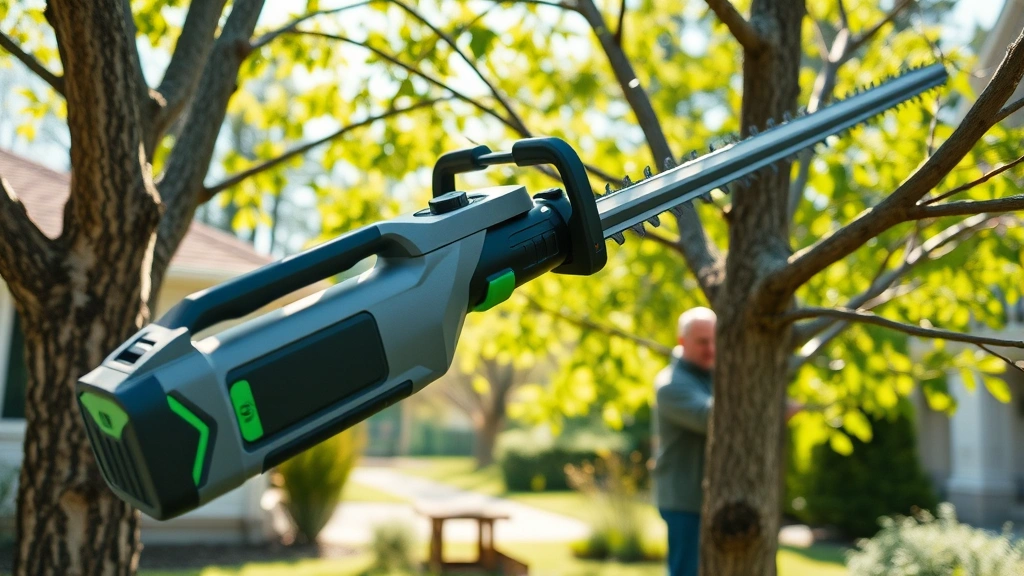
Are Gas-Powered Pole Saws Eco-Friendly? Expert View
When maintaining your yard or managing trees, the choice of equipment matters more than you might think. Gas-powered pole saws have long been the go-to tool for professionals and homeowners tackling overhead branches, but their environmental impact deserves serious scrutiny. These machines deliver impressive cutting power and reach, yet they come with significant ecological costs that often go unexamined. Understanding the full picture of whether a gas powered pole saw aligns with environmental responsibility requires examining emissions, fuel consumption, noise pollution, and viable alternatives.
The debate surrounding gas-powered tools has intensified as climate consciousness grows and technology advances. Many people assume that because these tools are widely available and commonly used, they must be reasonably eco-friendly. However, the reality is far more complex. A single gas-powered pole saw can produce emissions equivalent to dozens of cars in some cases, and the cumulative environmental footprint of widespread usage is substantial. This comprehensive analysis explores the ecological implications of gas-powered equipment while examining whether greener alternatives truly deliver comparable performance.
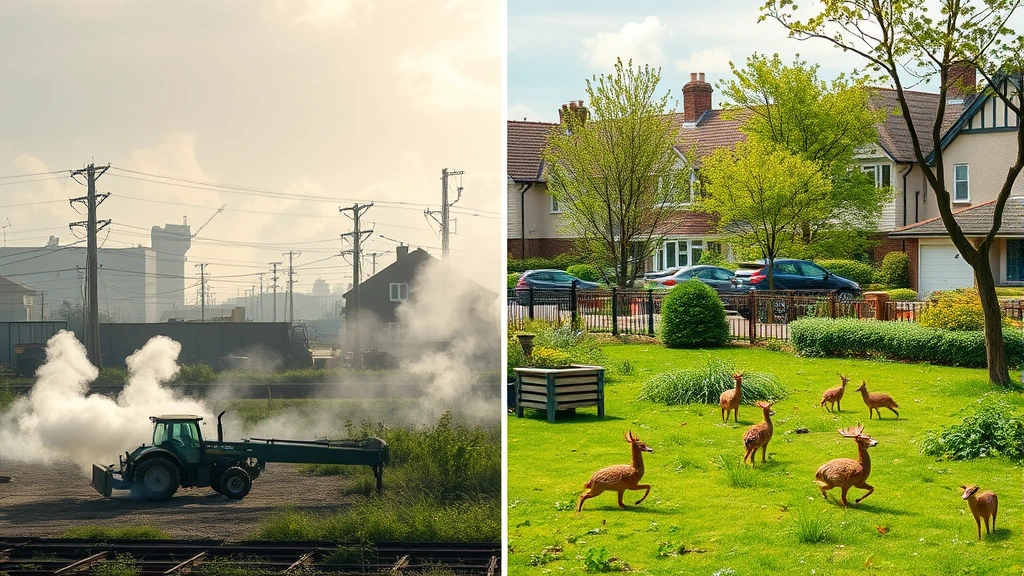
Environmental Impact of Gas-Powered Pole Saws
Gas-powered pole saws represent a significant environmental challenge that extends far beyond simple carbon emissions. These machines burn fossil fuels inefficiently, with small engines operating at high RPMs and lacking the emission control systems found in modern automobiles. According to research from the EPA’s air pollution resources, a single gas-powered pole saw can emit as much pollution in one hour of operation as a car driven for several days. This shocking statistic highlights the disproportionate environmental burden these seemingly innocent yard tools create.
The broader ecological footprint encompasses multiple dimensions. Beyond direct emissions, gas-powered equipment requires extraction, refinement, and transportation of fossil fuels. Manufacturing processes consume energy and resources. Eventual disposal presents challenges, as these machines often contain hazardous materials including oil, fuel residues, and heavy metals. When examining sustainable energy solutions, professionals consistently identify gas-powered yard equipment as a low-hanging fruit for meaningful environmental improvement.
The infrastructure supporting gas-powered tools also carries hidden environmental costs. Gas stations, storage facilities, and distribution networks require continuous energy investment. Spills and leaks contaminate soil and water systems. Maintenance activities generate waste oil and worn components that require proper disposal. These systemic impacts make gas-powered pole saws problematic from a holistic sustainability perspective.

Emissions and Air Quality Concerns
The emission profile of gas-powered pole saws reveals why environmental experts express serious concerns. These machines typically lack sophisticated emission control technology, releasing volatile organic compounds (VOCs), nitrogen oxides (NOx), and particulate matter directly into the atmosphere. Research demonstrates that small engines are among the dirtiest combustion devices in common use, with emission rates that would be illegal in automobiles.
Air quality degradation represents a direct public health consequence. Neighborhoods where landscaping professionals operate multiple gas-powered tools experience measurable increases in ground-level ozone and fine particulate matter. Children, elderly individuals, and people with respiratory conditions face heightened health risks during peak landscaping seasons. The American Lung Association has documented the connection between small engine pollution and asthma exacerbation, particularly in urban and suburban areas.
Cumulative exposure compounds the problem. A residential neighborhood with dozens of homeowners and professional services using gas-powered equipment creates chronic air pollution that rivals traffic in some cases. When considering environmental sustainability examples, reducing reliance on these pollution sources represents a practical, immediate intervention.
The chemical composition of emissions includes toxic substances beyond simple carbon dioxide. Benzene, formaldehyde, and other carcinogens emerge from incomplete combustion in small engines. Bioaccumulation in ecosystems means these toxins concentrate over time, affecting wildlife and eventually human food chains. Switching away from gas-powered tools directly reduces this toxic load.
Fuel Consumption and Carbon Footprint
Gasoline consumption by landscaping equipment represents a surprisingly significant portion of many households’ carbon footprints. A typical homeowner using a gas-powered pole saw for just a few hours monthly still generates substantial greenhouse gas emissions. The combustion of one gallon of gasoline produces approximately 20 pounds of carbon dioxide, and inefficient small engines often consume fuel rapidly.
Lifecycle analysis reveals that the carbon footprint begins before fuel ever enters the tank. Crude oil extraction, refining, transportation, and distribution all consume energy and generate emissions. Comparing this with natural gas versus propane options illustrates how fossil fuel choices cascade through environmental impacts. Even alternative fossil fuels present problems, though some produce fewer emissions than gasoline.
The efficiency metric tells a damning story. Gas-powered pole saws convert approximately 25-30% of fuel energy into useful work, with the remainder lost as heat and waste. Electric and battery-powered alternatives achieve 80-90% efficiency, meaning dramatically less energy input is required to accomplish the same task. Over a decade of use, this efficiency gap translates into thousands of pounds of prevented carbon emissions.
Seasonal usage patterns concentrate environmental impacts. Spring and early summer witness intense landscaping activity, creating pollution spikes when air quality is already challenged by heat and increased ozone formation. This temporal concentration makes the problem particularly acute during the seasons when air quality matters most for public health.
Noise Pollution Effects
While often overlooked in sustainability discussions, noise pollution from gas-powered equipment carries genuine environmental and social consequences. These machines operate at 90-110 decibels, comparable to heavy traffic or leaf blowers, creating soundscapes that disrupt wildlife and human wellbeing. The constant background noise in residential areas affects stress hormones, sleep quality, and cardiovascular health across entire neighborhoods.
Wildlife experiences measurable disruption from chronic noise exposure. Birds alter nesting patterns and communication behaviors. Small mammals experience stress responses that compromise immune function and reproductive success. Aquatic organisms that rely on sound for navigation and communication suffer from acoustic pollution. Ecosystem services including pollination, pest control, and nutrient cycling are compromised when noise stress affects animal populations.
The social equity dimension deserves attention. Wealthier neighborhoods often have stricter noise ordinances and enforcement, while lower-income areas experience disproportionate noise pollution exposure. Environmental justice frameworks recognize that marginalized communities bear unequal burdens from pollution sources including gas-powered equipment. Transitioning to quieter alternatives reduces this inequitable distribution of environmental harm.
Cumulative noise effects in communities with frequent landscaping activity create chronic stress environments. Children in these areas show elevated cortisol levels and reduced concentration abilities. The psychological toll of constant noise pollution, though difficult to quantify, represents a genuine environmental justice issue that extends beyond traditional carbon accounting.
Comparing with Electric Alternatives
Electric pole saws represent a dramatic improvement over gas-powered models in nearly every environmental metric. Powered by electricity from the grid, they produce zero direct emissions at the point of use. Even accounting for electricity generation, which still includes fossil fuels in many regions, electric tools generate 50-75% fewer emissions than gas equivalents. In regions with renewable energy, the advantage becomes overwhelming.
When examining green technology innovations transforming our future, electric yard equipment stands out as a mature, proven solution requiring no behavioral changes or learning curves. Users familiar with gas-powered tools adapt instantly to corded electric versions. Performance metrics increasingly favor electric options, with modern motors delivering comparable cutting power to many gas models, particularly for residential applications.
The efficiency advantage proves substantial. Electric motors convert electrical energy to mechanical work with minimal loss, compared to the thermal inefficiency of combustion engines. This means accomplishing the same work requires less total energy input. Over years of use, the cumulative energy savings become significant, with corresponding reductions in both operating costs and environmental impact.
Infrastructure advantages favor electric tools. Charging happens at home using existing electrical systems. No fuel storage, no trips to gas stations, no spills or leaks. Maintenance requirements drop dramatically without spark plugs, air filters, fuel injectors, and oil changes. The simplified mechanical design means fewer components to manufacture, transport, and eventually dispose of as waste.
The primary limitation of corded electric tools involves cord management. Users must stay within cord length, typically 50-100 feet from the outlet. For most residential properties and many professional applications, this limitation proves acceptable. Extension cords provide solutions for properties with greater distance requirements, though with some inconvenience and safety considerations.
Battery-Powered Options and Limitations
Cordless battery-powered pole saws eliminate cord constraints while maintaining electric advantages. These tools have advanced dramatically in recent years, with lithium-ion battery technology providing extended runtime and consistent power delivery. Many users find battery-powered options superior to gas models for convenience, noise reduction, and environmental performance. However, important limitations warrant honest discussion.
Battery lifespan and replacement represent environmental considerations often overlooked. Lithium-ion batteries degrade over time, typically maintaining 80% capacity after 500-1000 charge cycles. A battery used intensively might require replacement every 3-5 years. Proper recycling of spent batteries prevents toxic material release and recovers valuable materials, but not all users access recycling programs. This lifecycle impact means battery-powered tools, while superior to gas-powered alternatives, aren’t zero-impact solutions.
Runtime limitations affect practical utility for some applications. A single battery charge might provide 30-60 minutes of cutting time, adequate for most residential tasks but potentially insufficient for professional landscapers working full days. Having multiple charged batteries solves this problem but increases cost and environmental footprint from battery manufacturing. Understanding your actual usage patterns helps determine whether battery limitations present real obstacles or theoretical concerns.
The energy source matters significantly. Battery-powered tools charged with electricity from renewable sources represent genuinely sustainable solutions. Users with home solar systems achieve near-perfect environmental alignment. However, those charging from grids relying heavily on fossil fuels still benefit from superior efficiency compared to gas options but don’t achieve zero-emission operation.
Weight distribution differs between battery-powered and corded electric models. Battery packs add weight to the tool head, potentially causing fatigue during extended use. Some users find this preferable to cord management hassles, while others prefer the lighter feel and unlimited runtime of corded models. Personal preference and specific use cases should guide selection rather than abstract environmental arguments.
Making the Sustainable Choice
Transitioning away from gas-powered pole saws represents one of the highest-impact environmental decisions individual homeowners can make in yard maintenance. The transition involves minimal learning curve, often costs less over time due to reduced fuel and maintenance expenses, and delivers immediate air quality improvements in your community. These characteristics make switching an unusually practical sustainability choice.
For homeowners with modest landscaping needs, corded electric pole saws offer the best combination of environmental performance, cost-effectiveness, and simplicity. The cord limitation rarely presents practical problems for residential properties, and the unlimited runtime eliminates battery concerns. Corded tools require minimal maintenance and support multiple uses with the same power source, making them economically superior to purchasing separate battery-powered devices.
Battery-powered options suit those with larger properties, frequent use patterns, or strong cord-aversion preferences. Investing in quality tools with compatible battery ecosystems maximizes value, as batteries work across multiple devices. Starting with one battery and tool, then expanding the system, spreads costs while building a practical renewable-powered yard maintenance toolkit.
Professional landscapers face more complex decisions involving runtime requirements, client expectations, and cost structures. Many leading professionals have successfully transitioned to electric or battery-powered equipment, discovering that modern electric tools deliver comparable or superior performance while reducing operating costs and environmental liability. Industry shifts toward electrification suggest that gas-powered equipment increasingly represents outdated rather than essential technology.
Proper disposal of old gas-powered equipment matters for environmental responsibility. Donating functional tools to community organizations, schools, or nonprofits extends useful life. For non-functional equipment, hazardous waste facilities properly handle fuel systems and oil residues. Never dispose of gas-powered tools in regular trash or landfills where fuel and oil contaminate soil and groundwater.
Community influence amplifies individual choices. Discussing equipment transitions with neighbors, professional landscapers, and local government officials creates cultural shifts toward cleaner alternatives. Schools adopting electric equipment for grounds maintenance provide powerful examples. Municipal procurement policies favoring electric tools drive market transformation by increasing demand for sustainable equipment options.
FAQ
Are gas-powered pole saws illegal anywhere?
Several California cities have implemented restrictions on gas-powered yard equipment, particularly during air quality emergency periods. The California Air Resources Board continues expanding regulations. However, gas-powered tools remain legal in most jurisdictions. Expect increasingly stringent restrictions as air quality concerns intensify and electric alternatives mature.
Do electric pole saws work as well as gas models?
Modern electric and battery-powered pole saws perform comparably to gas models for most residential applications. For occasional use and standard tree maintenance, electric options often prove superior due to instant starts, consistent power, and lower maintenance. Professional-grade applications requiring all-day runtime might still benefit from gas options, though this gap narrows as battery technology advances.
How much do electric pole saws cost compared to gas?
Entry-level electric pole saws cost $150-400, comparable to basic gas models. Mid-range battery-powered options range $300-800. Quality matters more than fuel type; investing in reputable brands provides better long-term value regardless of power source. When accounting for fuel, maintenance, and oil changes, electric tools often prove cheaper over 5-10 years of use.
What about used gas-powered pole saws?
Purchasing used gas-powered equipment extends product lifespan and reduces manufacturing impacts, which provides some environmental benefit. However, older tools typically feature worse emissions control and greater inefficiency than modern alternatives. If purchasing used, prioritize recent models with catalytic converters. Consider whether the cost savings justify supporting continued gas-powered equipment use.
Can I switch to electric if I already own gas equipment?
Absolutely. Many users maintain gas tools for occasional specialized tasks while switching to electric for routine maintenance. This hybrid approach balances practical constraints with environmental responsibility. Gradual transitions work well; replacing equipment as it needs replacement rather than discarding functional tools maintains environmental integrity.
How do battery-powered tools compare environmentally to corded electric?
Corded electric tools have the lowest environmental footprint, requiring no battery production or replacement. Battery-powered tools carry additional environmental costs from battery manufacturing but eliminate cord constraints. For most residential users, corded options prove superior environmentally, while battery tools suit those with specific cord limitation concerns.


