Green Car Wash Tips: Eco-Friendly Methods for Sustainable Vehicle Care
Keeping your vehicle clean doesn’t have to come at the expense of our planet. Traditional car washing methods consume enormous quantities of water, generate chemical-laden runoff, and contribute significantly to water pollution. The average car wash uses between 40 to 100 gallons of water per vehicle, with much of that water carrying soaps, oils, and heavy metals directly into storm drains and local waterways. As environmental consciousness grows, more vehicle owners are seeking sustainable alternatives that maintain their cars while protecting ecosystems.
Whether you’re searching for gas station car washes near me or considering at-home solutions, understanding eco-friendly car washing practices is essential for reducing your environmental footprint. This comprehensive guide explores proven green car wash methods, sustainable products, and responsible practices that align with broader environmental conservation efforts. By implementing these strategies, you can maintain a spotless vehicle while supporting planetary health.
Understanding the Environmental Impact of Traditional Car Washing
The environmental consequences of conventional car washing extend far beyond water waste. When vehicles are washed at home or at standard commercial facilities, the runoff contains harmful substances including petroleum residues, heavy metals like cadmium and lead, phosphates, and surfactants. These pollutants infiltrate storm water systems that typically discharge untreated water directly into rivers, lakes, and coastal ecosystems without proper filtration or treatment.
According to the Environmental Protection Agency, residential car washing contributes meaningfully to non-point source pollution, the nation’s leading water quality problem. A single car wash generates approximately 140 liters of contaminated water, and when multiplied across millions of vehicle owners, the cumulative impact becomes staggering. Beyond water pollution, traditional car washes often consume excessive energy for heating water and operating equipment, increasing carbon emissions and contributing to climate change.
The chemicals used in conventional washing detergents persist in aquatic environments, harming fish and other wildlife while disrupting delicate ecosystem balance. Phosphates, commonly found in car wash soaps, trigger algal blooms that create dead zones devoid of oxygen. Understanding these impacts motivates vehicle owners to explore sustainable alternatives that deliver cleanliness without ecological compromise.
Waterless Car Washing: A Revolutionary Approach
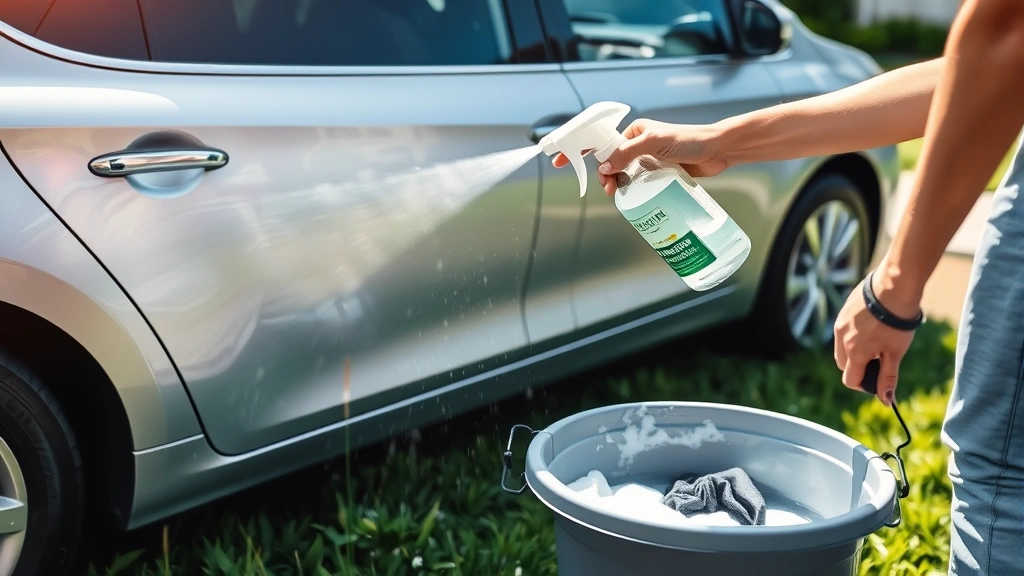
Waterless car washing represents one of the most innovative solutions for eco-conscious vehicle owners. This method utilizes specially formulated, biodegradable spray products that encapsulate dirt particles and lift them away from the vehicle’s surface without requiring water. The technology works through polymeric compounds that create a protective barrier, allowing dirt to be wiped away safely without scratching the paint.
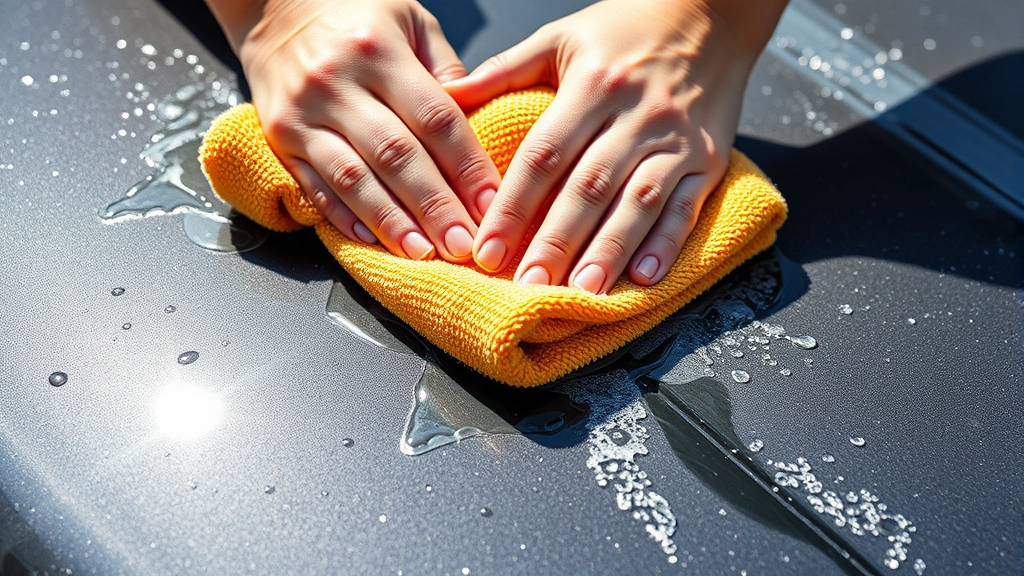
The advantages of waterless washing are compelling: zero water consumption, minimal chemical runoff, and significant time savings. A typical waterless car wash takes 15 to 30 minutes compared to 45 minutes or longer for traditional methods. The process involves spraying the eco-friendly solution onto sections of the vehicle, allowing it to sit briefly, then buffing with soft microfiber cloths. This approach works exceptionally well for lightly soiled vehicles and is perfect for maintaining shine between deeper cleanings.
Leading waterless car wash products now feature advanced green technology innovations that include plant-based ingredients, UV protectants, and ceramic coatings. These formulations not only clean effectively but also enhance paint protection and longevity. For vehicle owners prioritizing sustainability, waterless washing eliminates the guilt associated with water waste while delivering professional-quality results. Many commercial waterless car wash services now operate across urban areas, making this method increasingly accessible.
Low-Water Car Wash Methods and Technologies
For those who prefer traditional washing techniques but want to minimize water usage, low-water car wash methods offer an excellent middle ground. These approaches reduce water consumption to 5 to 15 gallons per vehicle—a dramatic reduction from the 40 to 100 gallons used in conventional washing. Technologies enabling this efficiency include recirculation systems that capture and filter water for reuse, high-pressure spray nozzles that maximize cleaning power while minimizing volume, and steam cleaning equipment that uses minimal water while delivering superior results.
Steam car washing deserves particular attention as an emerging eco-friendly technology. Steam cleaning uses pressurized hot vapor to break down dirt, grime, and grease without requiring harsh chemicals. The process consumes only 1 to 2 gallons of water per vehicle while achieving exceptional cleanliness. Steam naturally sanitizes surfaces, killing bacteria and pathogens without toxic disinfectants. This method proves especially valuable for sanitizing high-touch areas like door handles and steering wheels, particularly relevant in health-conscious post-pandemic environments.
Spot-free rinse systems represent another low-water innovation. These systems use deionized water in final rinses, eliminating mineral deposits that create water spots. Because deionized water doesn’t require scrubbing or additional drying, the overall water consumption decreases significantly. Many professional car wash facilities now incorporate these technologies, making sustainable options available when searching for gas station car washes near me that prioritize environmental responsibility.
The investment in low-water technology by commercial car wash operators demonstrates growing market demand for sustainable services. Facilities implementing these systems often qualify for water conservation rebates and tax incentives, making them economically competitive while advancing environmental goals. As a consumer, choosing facilities with these technologies directly supports expansion of sustainable car wash infrastructure.
Eco-Friendly Car Wash Products and Biodegradable Solutions
The products used during car washing significantly impact environmental outcomes. Traditional car wash soaps contain surfactants and phosphates that persist in aquatic environments, accumulating in fish tissues and disrupting reproductive cycles. Eco-friendly car wash products address these concerns through biodegradable formulations that break down naturally without toxic residues.
Biodegradable car wash solutions typically feature plant-based surfactants derived from sources like coconut oil, corn, and sugar cane. These ingredients clean effectively while decomposing into harmless substances within days of environmental exposure. Look for products certified by reputable environmental organizations, including those meeting EPA Safer Choice standards. These certifications guarantee that products have undergone rigorous testing for environmental and human health safety.
pH-neutral formulations represent another important consideration. Products with neutral pH prevent paint damage while being gentler on aquatic ecosystems. Phosphate-free and ammonia-free formulations eliminate major water pollutants. Some premium eco-friendly products include additional benefits like UV protectants, wax coatings, and anti-corrosion agents, delivering enhanced vehicle care alongside environmental responsibility.
When selecting car wash products for home use, concentrate formulas offer better value and reduced packaging waste compared to pre-diluted options. Concentrated solutions reduce shipping weight and volume, lowering carbon emissions associated with transportation. They also minimize plastic packaging, supporting broader efforts to reduce environmental footprint through waste minimization.
Professional car wash facilities increasingly stock eco-certified products, recognizing that environmentally conscious consumers prefer services aligned with their values. Supporting businesses that use sustainable products creates market incentives for wider adoption of green chemistry throughout the car care industry.
Finding Sustainable Car Wash Facilities
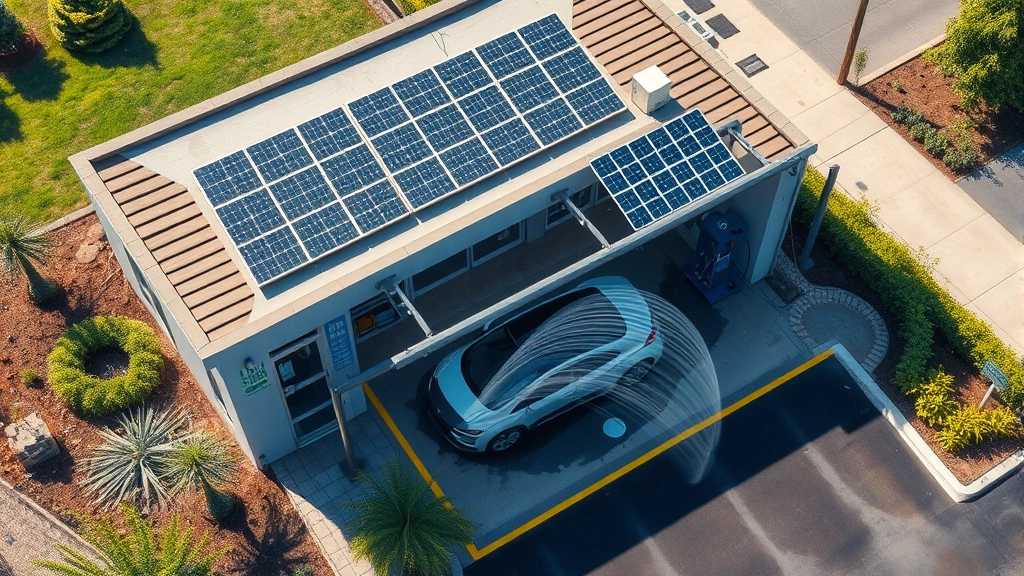
Locating quality car wash facilities that prioritize sustainability requires understanding what environmental certifications and practices indicate genuine commitment to green operations. When searching for gas station car washes near me, look for facilities displaying water conservation certifications or participating in industry sustainability programs. The International Car Wash Association and similar organizations maintain directories of certified green car washes meeting rigorous environmental standards.
Key indicators of sustainable car wash operations include:
- Water recirculation systems: Facilities capturing and filtering water for reuse demonstrate serious water conservation commitment
- Proper waste management: Facilities with oil-water separators and hazardous waste disposal protocols prevent contamination
- Eco-certified products: Use of biodegradable, phosphate-free, and EPA-approved cleaning solutions
- Energy efficiency: LED lighting, solar panels, and efficient heating systems reduce carbon footprint
- Transparency: Businesses willing to explain their environmental practices and certifications
- Storm water management: Proper drainage systems ensuring runoff receives treatment before environmental release
Many gas stations now partner with sustainable car wash operators who maintain these standards while operating convenient locations. These partnerships make eco-friendly car washing more accessible than ever. Online review platforms often include comments about environmental practices, providing valuable consumer insights when selecting facilities.
Supporting sustainable car wash businesses creates economic incentives for industry-wide transformation. As consumer demand for green services grows, more facilities invest in water-saving technologies and eco-friendly products. Your choice of where to wash your vehicle directly influences the evolution of this industry toward greater environmental responsibility.
At-Home Green Car Washing Techniques
For vehicle owners preferring at-home washing, implementing sustainable practices is entirely feasible and often more economical than commercial services. The fundamental principle involves minimizing water waste while preventing contaminants from entering storm drains and natural waterways.
Optimal at-home green car washing involves several key steps:
- Choose the right location: Wash your vehicle on gravel, grass, or permeable surfaces rather than impervious driveways or parking lots. This allows water to filter through soil, which naturally removes many contaminants before water reaches groundwater or storm systems
- Use biodegradable products: Select sustainable cleaning solutions specifically formulated for environmental safety
- Minimize water flow: Use a spray nozzle with an on-off switch rather than continuous running water. This simple modification can reduce water consumption by 50 percent or more
- Two-bucket method: Use one bucket with soapy water for washing and another with clean water for rinsing your wash mitt. This technique reduces water waste compared to rinsing the mitt under running water
- Efficient drying: Use chamois cloths or microfiber towels rather than air drying, which may require rewashing if water spots form
- Capture runoff: Consider using a rain barrel or collection system to capture and reuse rinse water for gardening or secondary cleaning
At-home waterless washing offers an even simpler sustainable alternative. Using waterless car wash sprays and microfiber cloths requires no water infrastructure and takes minimal time. This approach works particularly well for regular maintenance between deeper cleanings, maintaining your vehicle’s appearance while eliminating water waste entirely.
For vehicle owners with electric vehicles, home washing connects to broader sustainable transportation benefits. Electric vehicles offer numerous environmental advantages that extend from fuel consumption to maintenance practices. Keeping EVs clean through sustainable methods amplifies their overall ecological benefits.
The Connection Between Vehicle Care and Sustainable Transportation
Maintaining your vehicle through eco-friendly car washing represents one element of comprehensive sustainable transportation practices. The broader context includes vehicle selection, fuel efficiency, driving habits, and overall mobility patterns. Understanding these connections helps you make transportation choices that genuinely reduce environmental impact.
Vehicle maintenance, including regular washing, actually contributes to sustainability by extending vehicle lifespan and optimizing performance. Clean vehicles operate more efficiently, with reduced aerodynamic drag and better engine function. Regular cleaning prevents corrosion and paint degradation, extending the vehicle’s useful life and reducing the environmental cost of manufacturing replacement vehicles.
For those considering vehicle upgrades, sustainable energy solutions in transportation have advanced dramatically. Electric vehicles, hybrid technologies, and improved fuel efficiency standards represent significant progress toward decarbonized transportation. When combined with eco-friendly car washing practices, these choices create a comprehensive approach to sustainable vehicle ownership.
The International Energy Agency emphasizes that electric vehicle adoption accelerates when supported by comprehensive sustainability practices throughout vehicle ownership. Eco-conscious car washing demonstrates commitment to environmental responsibility that often correlates with other sustainable choices. Communities where green car washing is popular typically show higher adoption of electric vehicles and sustainable transportation options.
Exploring resources on the SustainWise Hub Blog provides deeper insights into how vehicle care fits within broader environmental stewardship. From transportation choices to consumption patterns, holistic sustainability requires attention to multiple life areas where individual decisions accumulate into significant environmental impact.
FAQ
How much water does a typical car wash use?
Conventional car washes consume 40 to 100 gallons of water per vehicle, while low-water methods use 5 to 15 gallons, and waterless washing uses zero gallons. Home washing typically uses 25 to 50 gallons depending on technique and equipment.
Are waterless car wash products safe for all vehicle paint types?
Quality waterless car wash products are safe for all paint types when used correctly. The key is using soft microfiber cloths and gentle buffing motions. Always test products on inconspicuous areas first and follow manufacturer instructions carefully.
What certifications indicate a sustainable car wash facility?
Look for certifications from the International Car Wash Association, EPA Safer Choice certifications on products, water conservation rebate participation, and transparent environmental practice documentation. Local environmental organizations may also maintain lists of certified green facilities.
Can I use regular dish soap for eco-friendly car washing?
No. Dish soap, while biodegradable, contains degreasers that strip protective wax coatings from vehicle paint. Always use products specifically formulated for automotive use, preferably eco-certified car wash solutions.
How often should I wash my car sustainably?
Wash frequency depends on driving conditions, weather, and personal preferences. Generally, every two to four weeks is reasonable. Using waterless methods for frequent light cleanings and low-water methods for deeper cleaning provides an optimal balance between vehicle maintenance and environmental responsibility.
Do eco-friendly car wash products work as well as traditional soaps?
Modern eco-friendly car wash products perform comparably to traditional soaps while offering superior paint protection through advanced formulations. Many include UV protectants and ceramic coatings that enhance results beyond conventional products.
Is steam car washing appropriate for all vehicles?
Steam washing works well for most vehicles but requires caution with older paint or vehicles with existing damage. High temperatures can stress compromised seals. Consult your vehicle’s manual or a professional before using steam methods on sensitive surfaces.


