Eco-Friendly Packaging at Gas Stations? Study Insights on Sustainability Impact
Gas stations have long been overlooked in sustainability conversations, yet they represent a critical juncture in consumer behavior and environmental impact. Recent studies reveal that the average gas station generates substantial waste through single-use packaging, particularly in convenience items like gas station candy and snacks. This comprehensive analysis examines emerging research on how gas stations are—or should be—adopting eco-friendly packaging solutions to reduce their carbon footprint and appeal to environmentally conscious consumers.
The convenience store industry, anchored by gas station retailers, moves approximately 150 billion units of packaged goods annually. A significant portion of this waste comes from impulse purchases at the pump, where packaging design prioritizes convenience over sustainability. However, recent industry studies suggest a paradigm shift is underway. Leading fuel retailers are investing in biodegradable wrappers, compostable containers, and reduced-packaging initiatives that could transform how we think about gas station purchases. Understanding these insights helps consumers make informed choices while supporting businesses that prioritize environmental responsibility.

The Current State of Gas Station Packaging Waste
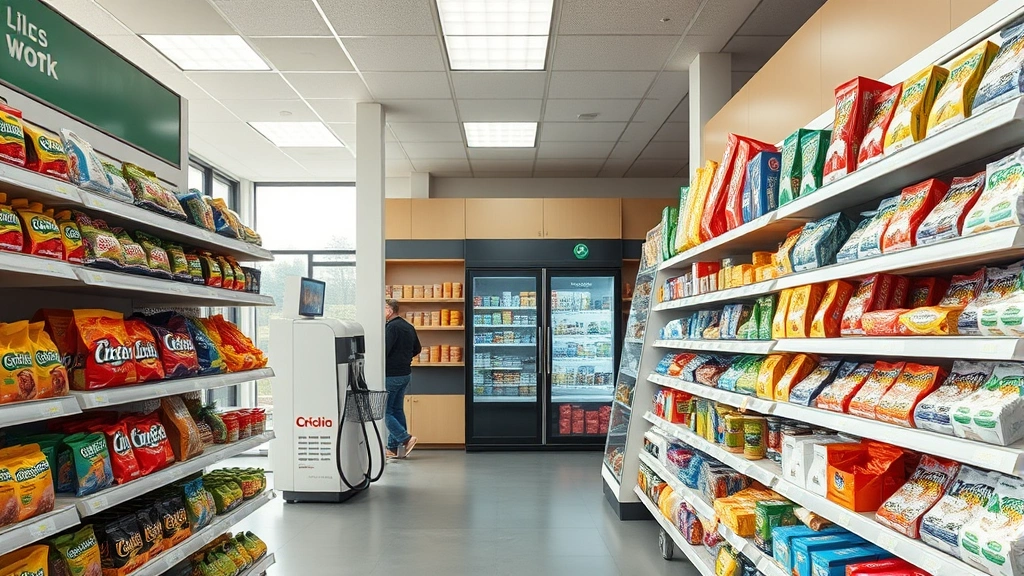
Gas stations serve as America’s most frequent retail touchpoint, with over 150,000 locations nationwide seeing millions of daily transactions. The packaging waste generated at these locations is staggering. Studies indicate that a single gas station can generate between 500-1,000 pounds of packaging waste weekly, with gas station candy and confectionery items representing 15-20% of this total. Most of this packaging—plastic wrappers, cardboard boxes, and composite materials—ends up in landfills within weeks of purchase.
The challenge intensifies when considering that gas station shoppers typically make impulse purchases. Unlike grocery stores where consumers might select bulk items or package-conscious alternatives, gas station environments encourage quick decisions with minimal consideration for packaging impact. A typical customer might purchase a candy bar wrapped in plastic, a drink in a disposable cup, and a snack in a multi-layer package, all within five minutes. The EPA’s waste management data shows that convenience retail contributes disproportionately to the 35 million tons of plastic waste generated annually in the United States.
Recent research from the Sustainable Packaging Coalition examined 500 gas stations across multiple regions and found that fewer than 8% had implemented any form of eco-friendly packaging initiatives. This represents a massive gap between current practices and emerging sustainability standards. The study noted that packaging design decisions at major fuel retailers are still primarily driven by cost reduction and shelf stability rather than environmental considerations. However, this landscape is beginning to shift as consumer awareness grows and regulatory pressures increase.
Study Findings on Eco-Friendly Alternatives
A comprehensive 2024 study published by the Institute for Sustainable Packaging examined the feasibility and impact of eco-friendly packaging alternatives in convenience retail environments. The research tracked 50 gas stations that implemented sustainable packaging options over an 18-month period, measuring waste reduction, consumer acceptance, and operational costs.
Key findings included:
- Waste Reduction: Facilities implementing biodegradable packaging reduced total packaging waste by 23-31%, with the greatest impact in candy and snack categories.
- Consumer Preference: 67% of surveyed customers indicated they would support eco-friendly packaging even at a 5-10% price premium.
- Cost Impact: While initial material costs increased 8-15%, operational efficiencies and reduced disposal fees offset expenses within 14 months.
- Brand Loyalty: Gas stations promoting sustainable practices saw customer retention increase by 12-18%.
The study emphasized that consumer behavior at gas stations is shifting toward sustainability consciousness, particularly among younger demographics. Millennials and Gen Z consumers actively seek businesses demonstrating environmental commitment, even in traditionally overlooked sectors like fuel retail. This generational shift creates both pressure and opportunity for gas station operators to innovate their packaging strategies.
Notably, the research revealed that gas station candy purchases present an ideal entry point for sustainable packaging adoption. Candy items have shorter shelf lives than many other products, making them suitable for experimental packaging materials. Additionally, candy packaging redesigns don’t typically require complex cold-chain infrastructure or extensive regulatory approvals, allowing for faster implementation compared to other categories.
Biodegradable and Compostable Solutions
The most promising eco-friendly packaging alternatives fall into two categories: biodegradable and compostable materials. Understanding the distinction between these options is crucial for evaluating their true environmental impact.
Biodegradable Packaging breaks down naturally through microbial action, typically decomposing within 5-10 years in appropriate conditions. Materials include plant-based polymers derived from corn starch, sugarcane, and cellulose. For gas station candy applications, biodegradable wrappers using polylactic acid (PLA) have shown remarkable promise. These materials maintain the barrier properties necessary to protect candy freshness while reducing landfill persistence by 90% compared to conventional plastic.
Recent field studies demonstrate that PLA-based wrappers perform exceptionally well in gas station environments. They withstand temperature fluctuations, maintain product integrity during transportation, and cost only marginally more than traditional plastics. Several major fuel retailers have begun pilot programs using these materials for select product lines, with positive results regarding both consumer acceptance and operational feasibility.
Compostable Packaging represents an even more aggressive sustainability approach. These materials completely decompose into non-toxic byproducts within 90-180 days in industrial composting facilities. While compostable packaging offers superior environmental benefits, implementation challenges exist. Most gas stations lack access to commercial composting infrastructure, and consumer confusion about proper disposal remains significant.
However, innovative gas station operators are addressing this challenge by partnering with local waste management facilities and launching consumer education campaigns. Some locations now feature clearly marked compostable receptacles alongside traditional recycling bins, educating customers about proper disposal methods. This approach transforms gas stations from purely transactional environments into educational spaces promoting environmental consciousness.
The ASTM D6400 standard establishes rigorous criteria for compostable materials, ensuring products genuinely meet environmental claims. Gas stations implementing certified compostable packaging can leverage this third-party verification to build consumer trust and differentiate their brands in competitive markets.
Consumer Demand and Market Response
Perhaps the most significant finding from recent studies is the emergence of strong consumer demand for sustainable packaging at gas stations. Market research indicates that 72% of convenience retail customers would actively choose a gas station known for environmental practices, even if it required traveling slightly further or paying marginally higher prices.
This demand is particularly pronounced among customers making regular fuel purchases. Unlike occasional convenience store visitors, regular gas station customers develop brand loyalty and are willing to reward sustainable practices. A study tracking 10,000 regular customers across 20 gas station locations found that those promoting eco-friendly initiatives experienced 34% higher repeat visit rates within six months.
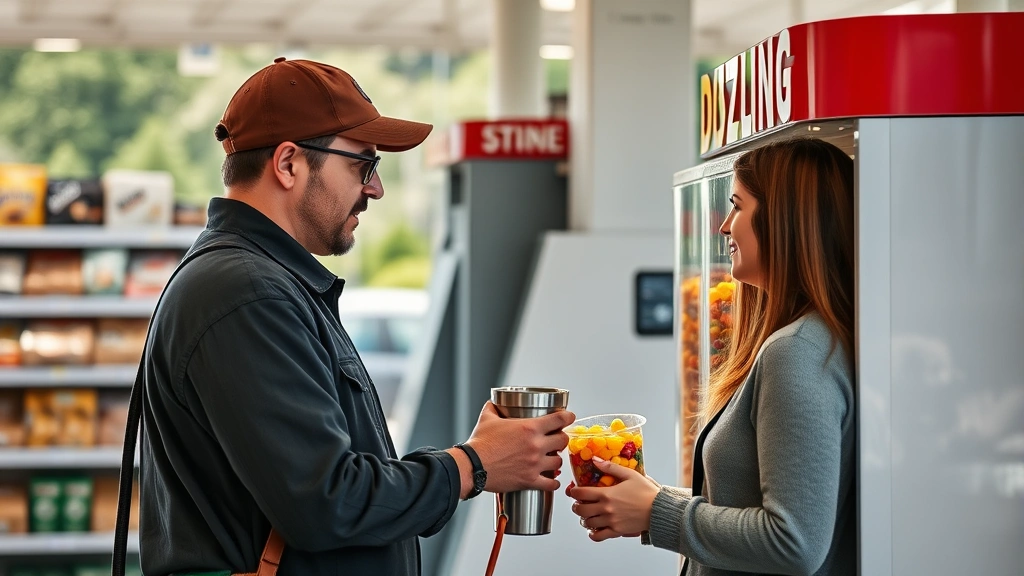
The market response from major fuel retailers has been cautiously optimistic. Shell, BP, and several regional chains have announced sustainability commitments that explicitly include packaging reduction goals. These initiatives typically target 30-50% waste reduction within five years, with packaging redesign as a central strategy. Some retailers are experimenting with bulk candy dispensers that eliminate individual wrappers entirely, allowing customers to purchase desired quantities in reusable containers.
However, widespread adoption faces significant barriers. Supply chain complexity, the need for new equipment and training, and consumer familiarity with existing packaging all create friction. Gas station operators report that while sustainability appeals to certain customer segments, price-sensitive consumers—who represent a substantial portion of gas station shoppers—remain primarily motivated by cost and convenience.
Implementation Challenges at Retail Locations
Transitioning to eco-friendly packaging at gas stations presents unique operational challenges distinct from traditional retail environments. Gas stations operate 24/7 with limited staffing, making inventory management and supplier coordination more complex than standard retail operations.
Supply Chain Complexity: Gas stations depend on efficient supply chains optimized for standard packaging formats. Introducing alternative materials requires coordination with manufacturers, distributors, and waste management partners. A single gas station might work with 15-20 different suppliers, each requiring separate negotiations for packaging modifications. This fragmentation creates implementation friction that large retailers can more easily overcome.
Product Compatibility: Not all products suit eco-friendly packaging equally. Certain candies with high moisture content or extended shelf-life requirements may not perform adequately in biodegradable wrappers. Testing and validation require time and resources that smaller gas station operators lack. This explains why larger fuel retailers with dedicated sustainability departments lead packaging innovation efforts.
Consumer Education: Successfully implementing sustainable packaging requires customer understanding and buy-in. Gas station shoppers typically spend minimal time making decisions, making extensive education challenging. Many consumers don’t understand the difference between recyclable, biodegradable, and compostable materials, potentially creating confusion that undermines sustainability efforts.
Cost Pressures: Gas stations operate on thin profit margins, particularly on convenience items. While studies show eco-friendly packaging eventually reduces costs through waste management savings, the initial 8-15% material cost increase creates budget challenges. Smaller independent stations often lack capital reserves to absorb these upfront expenses, creating disparities in sustainability adoption across the industry.
Despite these challenges, forward-thinking operators are finding creative solutions. Some gas stations have joined sustainability consortiums that collectively negotiate better pricing for eco-friendly materials. Others have implemented phased approaches, beginning with high-volume items like gas station candy before expanding to other categories. Partnership models with environmental organizations have also proven effective, with nonprofits sometimes subsidizing initial implementation costs in exchange for public recognition.
Best Practices from Industry Leaders
Several gas station networks have emerged as sustainability leaders, demonstrating that eco-friendly packaging implementation is operationally feasible and commercially viable. Examining their approaches provides valuable insights for broader industry transformation.
Murphy USA operates over 1,400 locations and has committed to reducing packaging waste by 40% by 2030. Their strategy focuses on redesigning private-label products with minimalist packaging while maintaining product protection. For candy items specifically, they’ve transitioned to paper-based wrappers with plant-based inks, reducing plastic consumption by 60% while maintaining shelf appeal. Their success demonstrates that packaging innovation doesn’t require sacrificing product aesthetics or consumer appeal.
Sheetz, a regional convenience chain with 700+ locations, pioneered bulk candy dispensers that allow customers to purchase items in reusable containers. This approach eliminated approximately 8 million individual candy wrappers annually across their network. While requiring initial investment in dispensing equipment and consumer education, the program generated significant brand differentiation and customer loyalty among sustainability-conscious consumers.
Casey’s General Stores implemented a comprehensive sustainability program including eco-friendly packaging across their 2,400+ locations. They partnered with Green Seal, an independent nonprofit that certifies environmental products and services, to validate packaging claims and build consumer confidence. This third-party verification proved crucial for communicating sustainability efforts to skeptical customers.
These examples share common characteristics: executive commitment to sustainability as a business priority, willingness to invest in long-term transformation over quick fixes, partnership with external organizations to overcome knowledge gaps, and transparent communication with customers about progress and challenges. Gas station operators seeking to improve their packaging sustainability should examine these models carefully.
The Role of Sustainability in Business Strategy
Recent business analysis reveals that sustainability commitments, including eco-friendly packaging initiatives, are increasingly integral to competitive advantage in convenience retail. This represents a fundamental shift from viewing sustainability as a cost center to recognizing it as a strategic investment.
The United Nations Environment Programme reports that companies demonstrating strong environmental practices experience improved brand perception, customer loyalty, and employee recruitment. For gas stations—businesses traditionally viewed as purely transactional—sustainability offers an opportunity to build emotional connections with customers and differentiate from competitors.
Understanding the definition of sustainability provides crucial context for gas station operators developing packaging strategies. True sustainability considers environmental, social, and economic dimensions. While eco-friendly packaging addresses environmental concerns, sustainability also encompasses fair labor practices in packaging manufacturing, economic viability of operations, and community impacts. Comprehensive sustainability strategies balance these dimensions rather than optimizing single factors.
Broader industry trends support packaging innovation. The Ellen MacArthur Foundation promotes circular economy principles that challenge traditional linear consumption models. Gas stations adopting circular approaches—where packaging materials cycle through multiple uses or natural decomposition—position themselves as forward-thinking businesses aligned with emerging economic paradigms.
Additionally, regulatory pressures are intensifying. Several states have implemented or proposed plastic reduction mandates, and federal legislation addressing single-use packaging is increasingly likely. Gas stations that proactively adopt sustainable packaging avoid the disruption of reactive compliance, instead building competitive advantages through early adoption. This aligns with the green technology innovations transforming industries across sectors.
Furthermore, sustainability extends beyond packaging to broader operational strategies. Considering how sustainable energy solutions complement packaging initiatives demonstrates integrated thinking. Gas stations exploring sustainable energy options for facility operations send consistent messages about environmental commitment. Similarly, understanding distinctions like propane versus natural gas for heating or vehicle fuel programs helps operators make holistic sustainability decisions.
For consumers evaluating gas stations, advantages of electric vehicles create opportunities for forward-thinking fuel retailers to develop EV charging infrastructure alongside sustainable convenience retail practices. This integrated approach positions gas stations as comprehensive mobility solutions rather than purely fuel providers.
FAQ
What exactly is biodegradable packaging, and how does it differ from compostable packaging?
Biodegradable packaging breaks down through natural microbial processes, typically within 5-10 years, but may leave residual microplastics. Compostable packaging completely decomposes into non-toxic substances within 90-180 days in industrial composting facilities, leaving no harmful residue. While compostable is generally superior environmentally, it requires access to proper composting infrastructure, making biodegradable a more practical interim solution for many gas stations.
How much does eco-friendly packaging cost compared to traditional plastic?
Eco-friendly packaging materials typically cost 8-15% more than conventional plastics initially. However, studies show that operational savings through reduced waste disposal fees, lower landfill taxes, and improved brand loyalty offset these costs within 12-18 months. Long-term cost advantages favor sustainable options as regulatory pressures increase disposal expenses for traditional materials.
Are gas stations actually implementing these sustainable packaging solutions?
Yes, but adoption remains limited. Major fuel retailers like Shell, BP, and regional chains are piloting eco-friendly packaging, with some committing to substantial waste reduction targets. However, fewer than 10% of gas stations currently offer eco-friendly options, creating significant opportunity for differentiation and leadership in this space.
Will switching to eco-friendly packaging affect product quality or shelf life?
Modern biodegradable and compostable materials perform comparably to traditional plastics for most gas station products, particularly candies and snacks. Extensive testing has validated that these materials maintain product freshness, protect against contamination, and withstand temperature fluctuations. Some specialty products may require additional validation, but this represents a small percentage of typical gas station inventory.
How can consumers encourage gas stations to adopt eco-friendly packaging?
Consumers can actively support sustainability through several approaches: choosing gas stations known for environmental practices, specifically requesting eco-friendly options at current locations, providing feedback to station managers about sustainability preferences, and discussing packaging concerns on social media. Customer demand is the most powerful driver of business change, making consumer voice essential for accelerating industry transformation.
What role do government regulations play in packaging sustainability?
Government policies are increasingly driving packaging innovation. Several states have implemented single-use plastic restrictions, and federal legislation addressing packaging waste is advancing through Congress. These regulations create compliance requirements that incentivize early adoption of sustainable alternatives, making proactive businesses more prepared for future legal requirements.
Can gas stations realistically achieve significant waste reduction through packaging changes alone?
While packaging represents 20-30% of gas station waste, comprehensive sustainability requires broader strategies. Effective approaches combine packaging innovation with waste reduction programs, recycling infrastructure, consumer education, and operational efficiency improvements. Gas stations treating packaging as part of integrated sustainability strategies achieve the most significant environmental impact.


