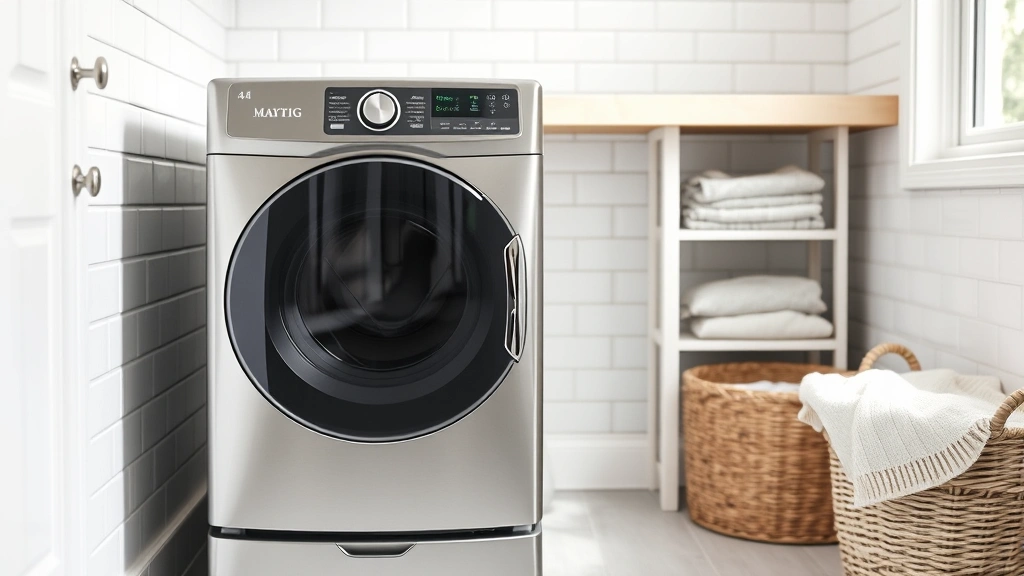
Eco-Friendly Drying? Maytag’s Gas Option Explored
When it comes to household appliances, the dryer often ranks among the most energy-intensive devices in modern homes. Choosing the right dryer can significantly impact both your utility bills and your environmental footprint. Maytag gas dryers have emerged as a popular choice for homeowners seeking to balance performance with efficiency. But are they truly eco-friendly? This comprehensive exploration examines Maytag’s gas drying technology, comparing it to alternative options and evaluating its sustainability credentials in the context of modern environmental concerns.
The decision between gas and electric dryers involves understanding energy consumption patterns, operational costs, and environmental implications. Maytag, a trusted appliance manufacturer for over a century, has invested in gas dryer technology that promises faster drying times and lower energy costs compared to traditional electric models. However, the sustainability picture is more nuanced than simple energy efficiency metrics. This article delves into the real environmental impact of Maytag gas dryers, explores how they compare to alternatives, and provides actionable guidance for eco-conscious consumers making appliance purchases.
Understanding Maytag Gas Dryer Technology
Maytag gas dryers utilize natural gas or propane combustion to generate heat for drying clothes, a fundamentally different approach from electric resistance heating. The technology has evolved significantly over recent decades, incorporating precision controls and optimized airflow systems. Modern Maytag gas dryers feature advanced moisture-sensing technology that detects when clothes reach optimal dryness levels, automatically terminating the cycle to prevent unnecessary energy consumption and fabric damage.
The core mechanism involves a gas burner that heats air drawn through the drum, with the heated air circulating around wet clothes to evaporate moisture. Sustainable energy solutions increasingly recognize the efficiency potential of gas-powered appliances when properly designed and maintained. Maytag’s engineering focuses on maximizing heat transfer efficiency while minimizing gas consumption. The company has implemented innovations such as variable-speed motors that adjust airflow based on load size and fabric type, reducing overall energy waste throughout the drying cycle.
One critical feature in modern Maytag gas dryers is the sealed combustion system, which draws combustion air directly from outside rather than from the home’s interior. This design prevents heated indoor air from being exhausted outdoors during operation, maintaining household temperature regulation and reducing heating/cooling system strain. For homeowners in colder climates, this translates to meaningful energy savings across multiple systems, not just the dryer itself.
Energy Efficiency and Operating Costs
Gas dryers inherently operate more efficiently than electric resistance dryers due to the energy density of natural gas combustion. A typical Maytag gas dryer consumes approximately 3,000-4,000 BTUs per hour, translating to lower utility expenses compared to electric models requiring 4,000-6,000 watts per hour. Over the lifespan of an appliance (typically 10-15 years), this efficiency differential compounds significantly.
The U.S. Department of Energy provides standardized efficiency ratings through the EnergyGuide labeling system, allowing direct comparison across models and brands. Most contemporary Maytag gas dryers achieve Energy Factor (EF) ratings between 3.5 and 4.5, meaning they dry one pound of test fabric using less than 0.30 kilowatt-hours of electricity and proportional gas consumption. Premium models with advanced moisture sensing can exceed 4.5 EF, approaching the theoretical efficiency limits of gas-powered drying technology.
Annual operating costs for a Maytag gas dryer typically range from $60-$100, substantially lower than electric dryers averaging $120-$180 annually. However, these figures depend on local utility rates, usage frequency, and load sizes. Natural gas vs propane comparisons reveal that propane-fueled models may have different cost profiles depending on regional availability and pricing structures. For households doing 5-7 loads weekly, the annual savings from choosing a gas dryer can offset the higher upfront purchase price within 3-5 years.
Environmental Impact Assessment
The environmental evaluation of Maytag gas dryers extends beyond operational efficiency to encompass full lifecycle impacts. While gas combustion produces carbon dioxide and water vapor, the overall greenhouse gas emissions from a gas dryer remain lower than electric dryers powered by coal-heavy electrical grids. However, this calculation varies dramatically by region based on electricity generation sources.
In areas with high renewable energy penetration (wind, solar, hydro), electric dryers may actually present lower carbon footprints. Conversely, regions relying heavily on natural gas or coal for electricity generation see substantial environmental advantages favoring gas dryers. The EPA’s energy and environment resources provide state-by-state electricity generation data, enabling homeowners to calculate their specific environmental impact scenarios.
Natural gas extraction and transportation introduce additional environmental considerations. Methane leakage throughout the supply chain contributes to climate change with significantly higher warming potential than CO2 over short timeframes. A comprehensive lifecycle assessment must account for these upstream emissions, not merely operational carbon dioxide. Studies indicate that accounting for methane leakage reduces the environmental advantage of gas dryers, though most analyses still favor gas over electric in coal-dependent regions.
One often-overlooked environmental factor involves water consumption. Maytag gas dryers produce water vapor during combustion, which exits through the exhaust vent. While this represents a negligible freshwater impact, it differs fundamentally from electric dryers. The manufacturing phase presents another consideration—gas dryers typically contain more complex components (burner assemblies, gas valves, safety controls) compared to electric models, potentially increasing production-phase environmental costs.
Comparison with Electric and Heat Pump Alternatives
Traditional electric resistance dryers represent the baseline for efficiency comparisons. These appliances convert 100% of electrical input into heat through resistive heating elements, yet their overall efficiency remains poor because electricity itself carries embedded energy costs from generation and transmission losses. A typical electric dryer produces 4,000-5,000 watts of heat, consuming substantially more energy than gas alternatives.
Heat pump dryers represent the emerging frontier in drying technology, offering efficiency levels 40-60% superior to both gas and electric resistance dryers. These units operate similarly to air-source heat pumps, extracting thermal energy from exhaust air and recycling it back into the drying chamber. Maytag offers limited heat pump models, though the technology remains less common in their current lineup. Heat pump dryers dry clothes more slowly (cycles extend 2-3 hours) but consume dramatically less energy overall, making them the most environmentally responsible option for environmentally-conscious consumers willing to accept longer drying times.
When comparing lifecycle costs, Maytag gas dryers typically require less upfront investment than heat pump alternatives ($600-$800 vs. $1,200-$1,600), yet heat pump models recover their cost premium through operational savings over 7-10 years. The how to reduce your environmental footprint guide explores appliance selection as a key household sustainability lever. For renters or those planning short-term residence, gas dryers present superior value propositions compared to heat pump models.
Electric resistance dryers occupy the least favorable position environmentally and economically. Unless replacing a broken unit is financially impossible, upgrading to either a gas or heat pump dryer delivers meaningful environmental and financial benefits. The efficiency gap between electric and gas dryers has widened as manufacturers continue optimizing gas technology while electric resistance heating has reached practical efficiency limits.
Features and Sustainability Innovations
Modern Maytag gas dryers incorporate numerous features that enhance both operational efficiency and user convenience. Moisture sensing technology automatically adjusts drying time based on fabric moisture levels, preventing over-drying that damages clothes and wastes energy. Premium models offer multiple moisture sensitivity settings, allowing customization for different fabric types and load compositions.
Drum design influences sustainability performance significantly. Maytag gas dryers feature perforated drums that permit efficient airflow while protecting delicate fabrics. The drum material and construction affect heat distribution uniformity—superior designs minimize hot spots that can damage clothes and reduce overall heating efficiency. Larger drum capacities (5.5-7.0+ cubic feet) enable drying heavier loads and bulky items in single cycles, reducing the total number of drying sessions required.
Ventilation efficiency represents another critical sustainability factor. Maytag gas dryers include moisture-damper systems that prevent heated indoor air from escaping through the exhaust vent during non-operation periods. This seemingly minor feature prevents significant heat loss in homes with multiple dryer cycles daily. Advanced models feature electronic controls that optimize burner operation, cycling the gas flame on and off to maintain precise temperature targets rather than operating continuously.
The green technology innovations transforming our future article explores how appliance manufacturers integrate sustainability throughout product development. Maytag has committed to improving efficiency standards across gas dryer models, with newer releases demonstrating measurable improvements over 5-10 year-old units. Some models achieve ENERGY STAR certification, indicating superior performance relative to baseline standards established by the EPA.
Material selection in Maytag gas dryers reflects sustainability considerations. Manufacturers increasingly source recycled metals and recyclable components, reducing mining impacts and end-of-life waste. The company has implemented take-back programs in certain markets, enabling proper recycling of old appliances and recovery of valuable materials.
Making the Sustainable Choice
Selecting an appropriate dryer requires evaluating individual circumstances, environmental priorities, and financial constraints. For households in regions with coal-heavy electricity grids, Maytag gas dryers present a defensible sustainability choice compared to electric alternatives. The operational cost savings align financial incentives with environmental benefits, creating a compelling case for gas dryer adoption.
However, this recommendation shifts dramatically in areas with abundant renewable electricity. Consumers in states like California, Washington, and Colorado should seriously consider sustainable energy solutions including heat pump dryers or even line-drying strategies before committing to gas. Similarly, households with existing propane systems or natural gas infrastructure enjoy easier adoption and lower installation costs for Maytag gas dryers, improving overall value propositions.
The sustainability equation also incorporates non-energy factors deserving consideration. Maytag gas dryers require venting to the outdoors, which may prove impossible in certain apartment configurations or climate zones. Proper installation and maintenance become essential—improper venting negates efficiency benefits and creates fire hazards. Professional installation typically costs $200-$400, adding to total ownership expenses.
For environmentally-conscious consumers, the most sustainable dryer choice involves minimizing drying frequency through clothesline air-drying whenever feasible. This approach eliminates operational energy consumption entirely, though weather-dependent limitations restrict practical applicability in many climates. A hybrid strategy—combining air-drying with occasional machine drying—optimizes environmental performance while maintaining convenience.
When machine drying becomes necessary, Maytag gas dryers represent a reasonable middle-ground choice offering superior efficiency to electric resistance models while remaining more affordable than heat pump alternatives. The decision ultimately depends on local electricity generation sources, installation feasibility, household budget, and personal environmental priorities. Consulting the ENERGY STAR database enables direct comparison of specific Maytag models against competing brands and technologies, facilitating informed purchasing decisions.
FAQ
Are Maytag gas dryers more environmentally friendly than electric dryers?
In most regions, yes—Maytag gas dryers produce lower greenhouse gas emissions than electric resistance dryers, particularly in areas relying on fossil fuel electricity generation. However, in regions with predominantly renewable electricity (wind, solar, hydro), electric dryers may offer comparable or superior environmental performance. The answer depends on your local electricity grid composition.
How much money can I save annually with a Maytag gas dryer?
Annual operating cost differences typically range from $60-$100 compared to electric dryers, depending on local utility rates and usage frequency. For households completing 5-7 loads weekly, this translates to approximately $300-$500 in 5-year savings, often recovering the higher upfront purchase price of gas models.
What is the lifespan of a Maytag gas dryer?
With proper maintenance, Maytag gas dryers typically operate reliably for 10-15 years. Some units exceed 20 years with regular cleaning of lint filters and exhaust vents. The longevity advantage over electric models stems from less thermal stress on components in properly-designed gas systems.
Do Maytag gas dryers require special installation considerations?
Yes, gas dryers require proper venting to outdoors, gas line connection, and professional installation for safety compliance. Installation costs typically range from $200-$400. Apartment dwellers or those without existing gas infrastructure may face installation challenges or impossibilities.
How do Maytag gas dryers compare to heat pump dryers?
Heat pump dryers offer 40-60% superior efficiency and lower operational costs over 10+ years, but require higher upfront investment ($1,200-$1,600 vs. $600-$800) and longer drying cycles. Maytag gas dryers provide better immediate affordability with respectable efficiency, making them suitable for budget-conscious consumers.
What maintenance keeps a Maytag gas dryer operating efficiently?
Regular lint filter cleaning after each load prevents airflow obstruction and maintains efficiency. Annual professional inspection of gas connections, venting systems, and burner components ensures safe operation and optimal performance. Quarterly exhaust vent cleaning prevents lint accumulation that reduces efficiency.
Can I use a Maytag gas dryer with propane instead of natural gas?
Many Maytag gas dryers accommodate propane conversion with appropriate regulator and orifice adjustments. Professional conversion typically costs $100-$200. Verify propane compatibility before purchase if considering this option, as not all models support dual-fuel capability.


