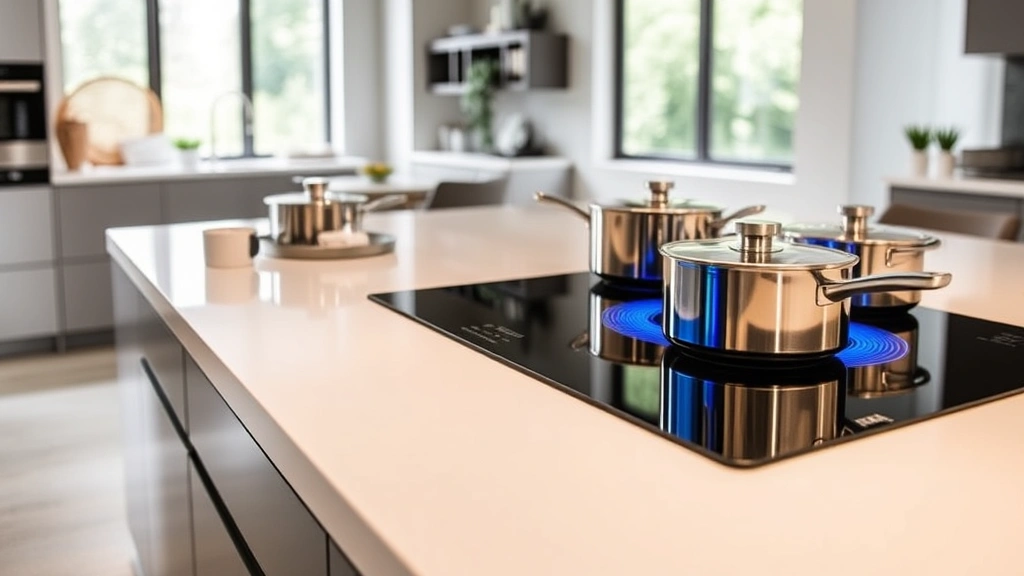
Gas vs Electric: Which is Greener? Expert Insight
The kitchen has become a battleground for environmental consciousness, and one of the most contentious debates centers on cooking appliances. Should you choose a gas range or switch to electric? This question extends far beyond personal preference—it touches on climate impact, energy efficiency, indoor air quality, and long-term sustainability. As households worldwide grapple with reducing their carbon footprint, understanding the environmental implications of cooking methods is essential.
The choice between gas and electric cooking represents a microcosm of larger energy transitions happening globally. Natural gas has dominated residential kitchens for decades, offering immediate heat and precise temperature control that chefs have long cherished. However, electric cooking, particularly induction technology, is rapidly emerging as a more sustainable alternative. This comprehensive guide examines the environmental credentials of both options, helping you make an informed decision aligned with your values and circumstances.
Environmental Impact of Gas Cooking
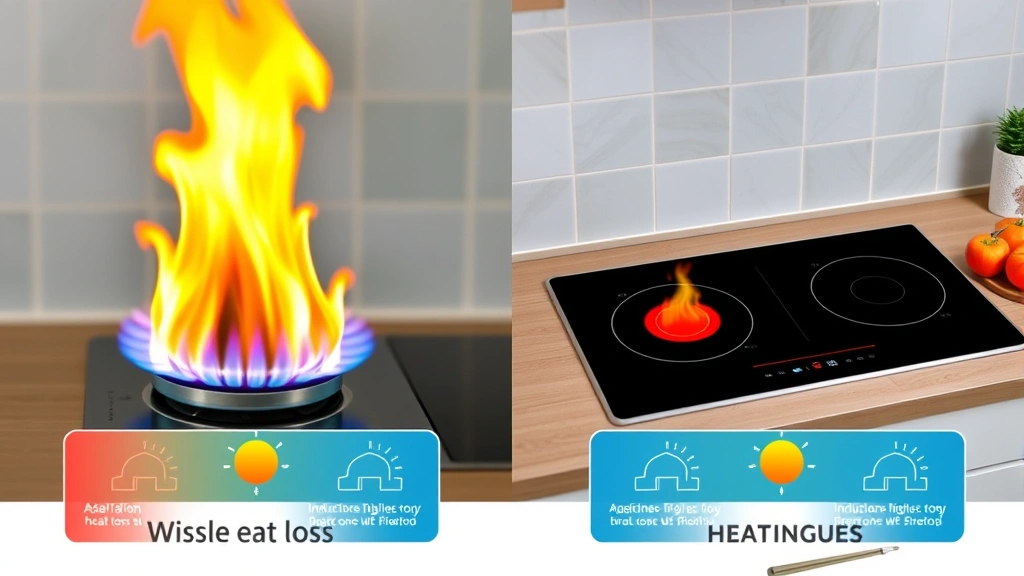
Natural gas ranges have been a kitchen staple for over a century, but their environmental credentials deserve scrutiny. When you use a gas range, you’re burning methane, a potent greenhouse gas that contributes significantly to climate change. According to research from the EPA, methane has a global warming potential approximately 28-34 times higher than carbon dioxide over a 100-year period.
The environmental problems with gas cooking begin long before the flame ignites. Natural gas extraction, processing, and transportation involve substantial energy expenditure and potential methane leakage throughout the supply chain. Studies indicate that between 1-7% of natural gas escapes during production and distribution—a significant source of atmospheric methane regardless of whether the gas ultimately reaches your stove.
When gas burns in your range, it produces carbon dioxide, water vapor, and nitrogen oxides. More concerningly, gas ranges frequently emit unburned methane, especially when igniting or if burners aren’t properly calibrated. Research published by environmental scientists has shown that even modern, well-maintained gas appliances leak methane into your home and atmosphere. This leakage represents wasted energy and unnecessary emissions.
A slide-in gas range, while offering aesthetic appeal and cooking performance, perpetuates this cycle. The convenience of natural gas comes at an environmental cost that accumulates over years of use. Consider that an average household using gas for cooking contributes approximately 0.5-1 ton of CO2 equivalent annually from cooking alone, not including upstream emissions from gas production and distribution.
Furthermore, natural gas dependency creates infrastructure lock-in, making it harder for communities to transition toward renewable energy sources. When homeowners invest in gas appliances, they’re essentially committing to continued reliance on fossil fuels for the next 10-15 years, the typical lifespan of a range.
Electric Cooking: The Cleaner Alternative
Electric cooking represents a fundamentally different approach to food preparation from an environmental perspective. Instead of burning fossil fuels directly in your home, electric ranges convert electricity into heat. The critical environmental advantage emerges when you consider the source of that electricity.
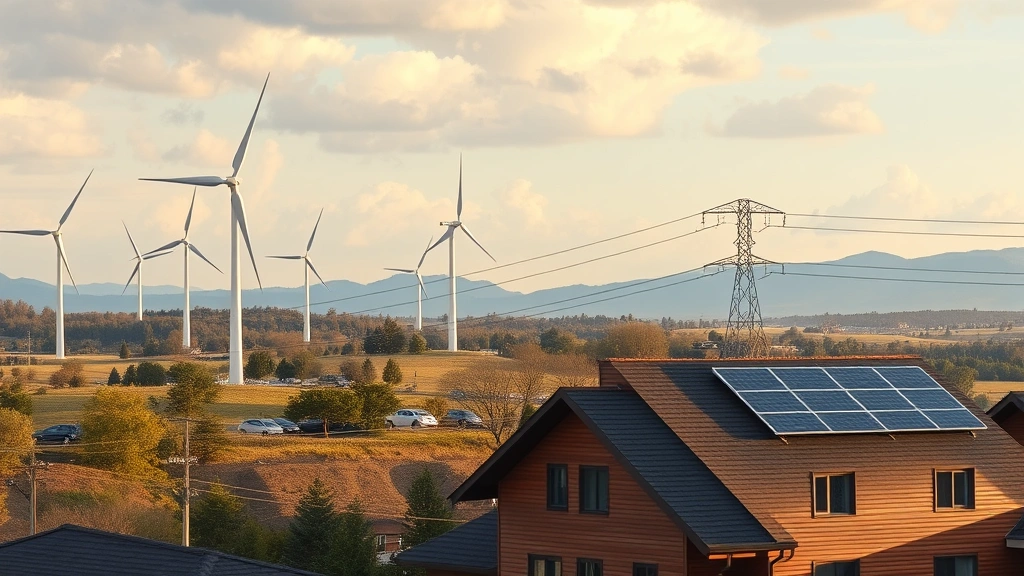
As electrical grids increasingly incorporate renewable energy sources—solar, wind, hydroelectric, and geothermal power—every electric appliance in your home becomes progressively cleaner over time. This means that choosing an electric range today positions you to benefit automatically from your region’s energy transition without requiring any additional action on your part. Gas cooking offers no such advantage; it remains tied to fossil fuel combustion regardless of technological advances elsewhere.
Induction cooking, the most advanced form of electric cooking, deserves special attention. Rather than heating a coil or element that then heats cookware, induction technology uses electromagnetic fields to generate heat directly within compatible pans. This approach boasts efficiency rates of 80-90%, compared to 70-75% for traditional electric coils and only 40-55% for gas ranges. Higher efficiency means less energy consumption, lower utility bills, and reduced environmental impact.
The lifecycle environmental benefits of electric cooking become even more pronounced when you examine manufacturing and end-of-life considerations. Electric ranges have fewer moving parts and require less complex construction than gas ranges, reducing manufacturing emissions. Additionally, electric appliances are increasingly designed with recyclability in mind, supporting the circular economy principles central to true sustainability.
Research from the Natural Resources Defense Council demonstrates that even in regions where natural gas currently dominates electricity generation, electric cooking still produces fewer lifetime emissions than gas cooking. As grids transition toward renewables—a process accelerating globally—the environmental advantage of electric cooking compounds dramatically.
Energy Efficiency Comparison
Energy efficiency forms the foundation of environmental impact calculations. When you cook with gas, substantial heat escapes around cookware and into your kitchen rather than transferring into food. This inefficiency means you’re burning more fuel to achieve the same cooking result compared to electric alternatives.
Traditional electric coil ranges lose less heat than gas but still suffer from thermal lag—the delay between adjusting heat and experiencing temperature changes. This lag often leads cooks to use higher settings than necessary, wasting energy. Induction cooking eliminates this problem entirely, responding instantaneously to temperature adjustments and heating only the cookware, not surrounding air.
Consider the practical implications: cooking a pot of pasta on a gas range might require 25-30 minutes and consume approximately 1.5 kilowatt-hours of energy. The same task on an induction cooktop takes 15-20 minutes using roughly 0.8 kilowatt-hours. Over a year of regular cooking, this efficiency difference translates to measurable energy savings and reduced environmental impact.
The U.S. Department of Energy confirms that induction cooktops use approximately 10% less energy than conventional electric resistance cooktops and roughly 30-40% less than gas ranges. These aren’t marginal improvements—they represent substantial reductions in resource consumption.
Beyond direct cooking efficiency, electric ranges reduce overall home energy consumption in subtle but important ways. Gas ranges produce waste heat that increases cooling loads during warm months, forcing air conditioning systems to work harder. Electric cooking, particularly induction, generates minimal ambient heat, reducing cooling demands and the associated environmental costs of air conditioning.
Indoor Air Quality Considerations
Environmental responsibility extends beyond atmospheric emissions to include indoor air quality—an often-overlooked aspect of the gas versus electric debate. Burning natural gas indoors releases nitrogen dioxide and formaldehyde alongside carbon dioxide and water vapor. These pollutants accumulate in your home, potentially causing respiratory issues, particularly for children, elderly individuals, and those with asthma or other respiratory conditions.
Studies by indoor air quality researchers have found that homes with gas cooking appliances experience indoor nitrogen dioxide concentrations up to 50% higher than homes using electric cooking. Even with proper ventilation, gas ranges contribute measurably to indoor air pollution. This health dimension adds another layer to the sustainability equation—true environmental responsibility includes protecting human health within your immediate living space.
Electric ranges eliminate combustion byproducts entirely, providing inherently cleaner indoor air. This benefit proves especially valuable for families with vulnerable populations and represents an often-neglected advantage of transitioning away from gas cooking.
The air quality benefits extend to neighborhood and community levels as well. By reducing natural gas consumption, you’re contributing to lower ambient air pollution in your area, benefiting not just your household but your entire community. This aligns with broader efforts to reduce your environmental footprint comprehensively.
Cost Analysis and Long-Term Sustainability
Initial purchase price often deters homeowners from choosing electric ranges, particularly induction models. A quality induction range typically costs 20-30% more than a comparable gas range. However, this upfront cost difference diminishes significantly when analyzed over the appliance’s lifespan.
Lower energy consumption translates directly to reduced utility bills. Induction cooking can decrease monthly energy costs by $10-20 compared to gas cooking, depending on regional energy prices and cooking frequency. Over a 12-year appliance lifespan, this amounts to $1,440-2,880 in savings—often exceeding the initial price premium.
Installation costs present another consideration. Converting from gas to electric requires potentially expensive modifications to your kitchen’s electrical infrastructure. However, many homes already have adequate electrical capacity, and costs have decreased as induction technology becomes more mainstream. Additionally, some utility companies and government programs offer rebates for switching to electric cooking, partially offsetting installation expenses.
From a long-term sustainability perspective, electric ranges represent better value. Gas ranges lock you into continued fossil fuel consumption, exposing you to price volatility as natural gas markets fluctuate. Electricity prices, while not immune to volatility, increasingly benefit from renewable energy cost declines. Solar and wind power have become cheaper than fossil fuels in most markets, suggesting that electricity prices will trend downward relative to natural gas prices.
Beyond personal economics, choosing electric cooking supports broader market transformation toward sustainable energy solutions. As demand for electric cooking appliances grows, manufacturers invest in innovation, production capacity increases, and prices decline—benefiting everyone transitioning toward cleaner energy.
Making Your Kitchen More Sustainable
Whether you’re replacing an appliance or renovating your kitchen, several strategies maximize sustainability. If you’re considering a slide-in gas range replacement, evaluate whether induction cooking aligns with your needs and budget. Induction requires ferromagnetic cookware—most stainless steel and cast iron work excellently, though some specialty materials don’t.
For those unable to immediately transition to electric cooking, intermediate steps reduce environmental impact. Ensure gas burners receive regular maintenance to minimize methane leakage. Install a high-quality range hood with effective ventilation to remove combustion byproducts. Use appropriately sized cookware to maximize heat transfer efficiency. These modifications don’t eliminate gas cooking’s environmental problems but meaningfully reduce them.
Consider your broader kitchen sustainability strategy. Improving insulation, upgrading to green technology innovations, and optimizing appliance usage collectively create significant environmental benefits. Energy-efficient refrigerators, dishwashers, and other appliances working alongside an electric range create a genuinely sustainable kitchen.
If you’re building a new home or undertaking major renovations, planning for electric cooking from the beginning proves most cost-effective. Designing electrical infrastructure to accommodate induction cooking during construction costs substantially less than retrofitting afterward. This forward-thinking approach ensures your kitchen remains aligned with evolving environmental standards and energy availability.
Explore your region’s climate and energy initiatives and utility programs. Many communities offer incentives for transitioning to electric cooking, recognizing its role in decarbonization efforts. Taking advantage of these programs reduces your out-of-pocket costs while supporting broader sustainability goals.
FAQ
Are electric ranges truly cleaner if my electricity comes from natural gas power plants?
Yes, even in regions where natural gas generates significant electricity, electric cooking produces fewer lifetime emissions than gas cooking. Natural gas power plants operate at approximately 40-50% efficiency, converting natural gas to electricity. However, this centralized conversion is substantially more efficient than distributed combustion in millions of home ranges. Additionally, grid electricity is becoming progressively cleaner as renewable energy expands, automatically reducing the environmental impact of your electric range over time.
Can I use my existing cookware with an induction range?
Most stainless steel and cast iron cookware works with induction cooking. To test compatibility, hold a magnet near the bottom of your pans—if it sticks, they’ll work with induction. Aluminum, copper, and glass cookware won’t work unless they have ferromagnetic bases. Many households find they can use 70-80% of existing cookware with induction, requiring only strategic replacements.
What about cooking performance? Do electric ranges cook as well as gas?
Induction cooking offers superior performance to both traditional electric and gas ranges in most applications. It provides instantaneous temperature response, precise control, and even heating. Some professional chefs prefer gas for specific techniques, but modern induction technology handles virtually all home cooking tasks excellently. Traditional electric coils perform adequately but lack the responsiveness of both gas and induction.
Is it worth replacing a relatively new gas range with an electric one?
If your gas range is less than 5-7 years old and functioning well, replacement makes less environmental sense due to manufacturing impacts of new appliances. However, if you’re planning a kitchen renovation, moving, or your gas range needs repairs, transitioning to electric becomes more justifiable. Calculate the payback period based on your local energy costs and cooking frequency to make an informed decision.
How does the environmental impact of manufacturing electric ranges compare to gas ranges?
Electric ranges, particularly induction models, typically require less material and simpler manufacturing than gas ranges with their burner assemblies and safety mechanisms. Manufacturing impact studies show electric ranges have slightly lower embodied carbon. Combined with superior operational efficiency, this advantage compounds throughout the appliance’s lifespan, making electric cooking the environmentally superior choice overall.
What if I rent and can’t replace my gas range?
Renters face constraints that homeowners don’t, but several strategies still reduce environmental impact. Use cookware that maximizes heat transfer efficiency. Advocate with landlords about eventual appliance replacements, providing environmental and health data. Consider portable induction cooktops—compact, affordable, and effective for supplementing gas cooking. These interim solutions meaningfully reduce your cooking-related environmental impact while you await appliance transitions.
Are there any environmental concerns with electric range manufacturing or disposal?
Modern electric ranges are designed with recyclability in mind, minimizing waste at end-of-life. Manufacturing impacts are modest and declining as production scales. The primary environmental consideration is ensuring proper recycling of old appliances rather than landfilling them. Check with local e-waste programs or appliance retailers about responsible disposal options.


