Save on Gas Bill? Insider Tips Revealed
Your monthly gas bill doesn’t have to drain your wallet. Whether you’re managing your Spire gas bill pay account or simply looking to reduce energy costs, strategic adjustments to your heating habits and home efficiency can yield significant savings. Energy consumption accounts for a substantial portion of household expenses, and natural gas heating represents one of the largest energy expenditures for most homes. By implementing proven conservation techniques and understanding your billing cycle, you can lower costs while simultaneously reducing your carbon footprint.
This comprehensive guide reveals insider strategies that energy experts and utility companies recommend for minimizing gas expenses. From simple behavioral changes to long-term investments in home insulation, these actionable tips address both immediate savings opportunities and sustainable solutions. Understanding how your heating system operates and when peak usage occurs empowers you to make informed decisions about your energy consumption patterns.
Understanding Your Gas Bill Components
Before implementing cost-reduction strategies, you need to understand what comprises your gas bill. Most utility statements include several key components: the actual gas consumption measured in therms or cubic feet, the base service charge (a fixed monthly fee), and various taxes and surcharges. When you manage your Spire gas bill pay account online, you’ll notice these line items clearly itemized. The consumption charge represents the variable portion—the part you can actively reduce through conservation efforts.
Your bill also reflects seasonal variations. Winter months typically show higher consumption because heating demands increase significantly. Understanding this pattern helps you anticipate higher bills and plan accordingly. Many utility providers, including Spire, offer sustainable energy solutions and budget billing options that average your annual costs across twelve months, providing payment predictability. Additionally, reviewing your bill history reveals consumption trends and identifies months when you consumed the most energy, allowing you to target those periods for conservation efforts.
Modern gas bills often include historical comparison data showing how current usage compares to the same period last year. This metric proves invaluable for measuring whether your conservation efforts are working. Some providers offer detailed breakdowns showing estimated costs for heating, water heating, and cooking separately, though this requires special meter technology. Requesting a detailed bill analysis from your utility company can illuminate which appliances consume the most gas.
Optimize Your Thermostat Settings
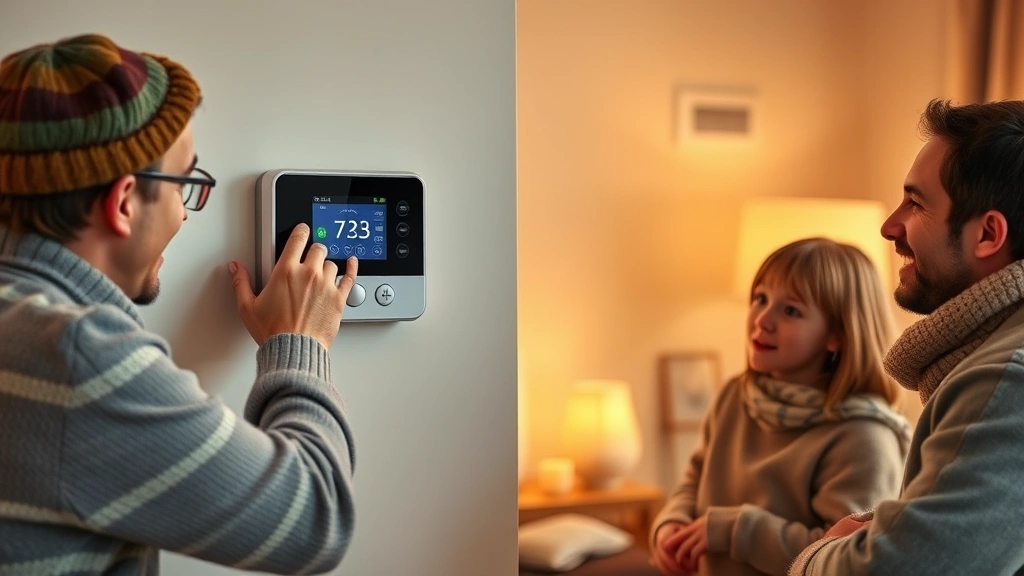
Your thermostat represents the single most controllable factor in managing gas consumption. Programmable and smart thermostats offer substantial savings by automatically adjusting temperatures based on your schedule and preferences. Lowering your thermostat by just 7-10 degrees Fahrenheit for eight hours daily can reduce heating costs by approximately 10-15% annually, according to the U.S. Department of Energy.
Strategic temperature management involves understanding your household’s comfort needs throughout the day. During sleeping hours, you can comfortably tolerate cooler temperatures under blankets. While away at work or school, maintaining lower temperatures makes financial sense. Smart thermostats learn your patterns and adjust automatically, eliminating the need for manual changes. These devices often connect to mobile apps, allowing remote temperature control and providing real-time energy consumption data. The investment typically pays for itself within 1-2 years through reduced gas bills.
Avoid setting your thermostat significantly higher than desired to heat your home faster—heating systems operate at consistent rates regardless of temperature setting. This common misconception leads to unnecessary energy waste. Instead, maintain consistent moderate temperatures and give your system adequate time to reach your desired comfort level. Utilizing zone heating, where you close vents and doors to unused rooms and concentrate heat in occupied spaces, can reduce overall consumption without sacrificing comfort in areas you actively use.
Improve Home Insulation and Air Sealing
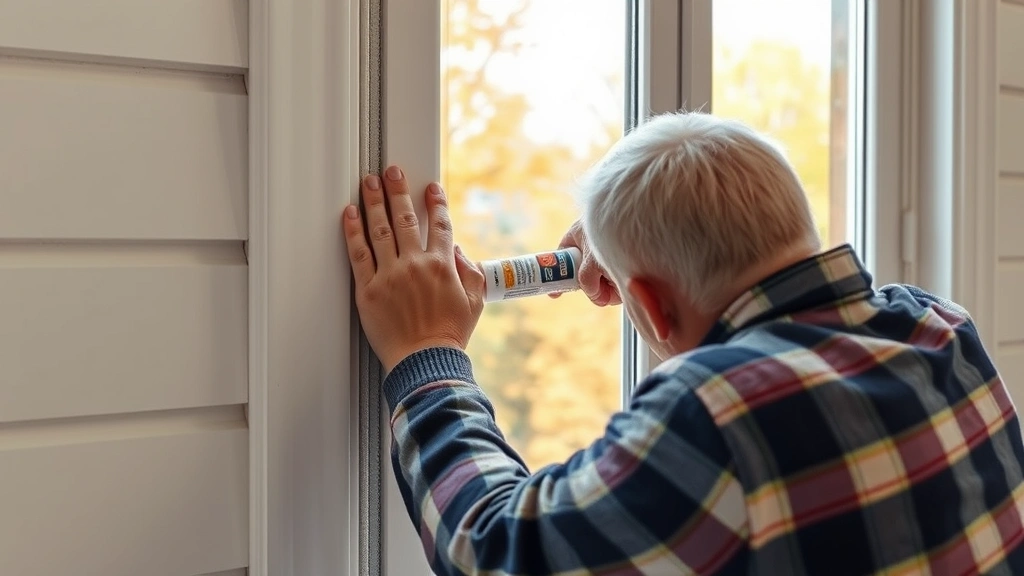
A well-insulated home retains heat more efficiently, reducing the workload on your heating system. Air leaks around windows, doors, and penetrations represent significant energy losses. Sealing these gaps with weatherstripping, caulk, or spray foam prevents warm air from escaping. This preventive maintenance proves particularly important in older homes where building envelopes may have deteriorated. Many utility companies offer free or subsidized home energy audits that identify specific problem areas in your home’s thermal performance.
Attic insulation deserves particular attention because heat rises and escapes through inadequately insulated ceilings. Most experts recommend R-38 to R-60 attic insulation depending on your climate zone. Wall insulation proves more challenging and expensive to upgrade in existing homes, but blown-in cellulose or fiberglass insulation can improve performance without requiring wall removal. Basement and crawlspace insulation also contributes significantly to overall home efficiency. When exploring natural gas vs propane options, remember that efficiency improvements benefit both fuel types equally.
Window treatments offer an often-overlooked opportunity to improve insulation value. Heavy thermal curtains or cellular shades reduce heat loss through windows, especially single-pane windows. Close these coverings at night and on cloudy days to maximize their insulating effect. During sunny winter days, opening south-facing curtains allows passive solar heat gain to supplement your heating system. These behavioral adjustments cost nothing and provide immediate benefits. Consider upgrading to energy-efficient windows when replacement becomes necessary—modern windows with low-emissivity coatings significantly outperform older models.
Maintain Your Heating System
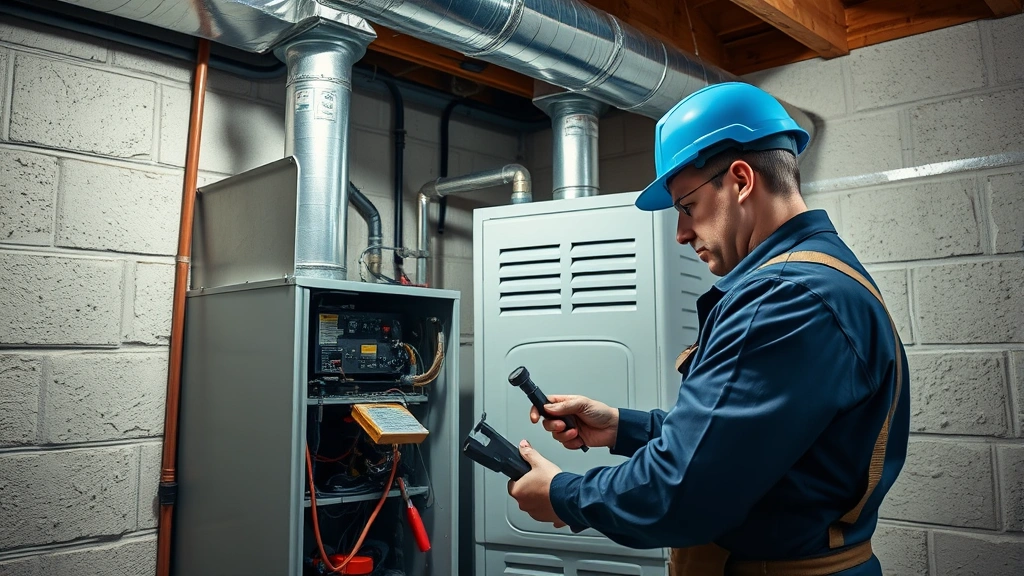
Regular maintenance ensures your heating system operates at peak efficiency. Annual professional inspections and tune-ups catch problems before they impact performance and prevent costly breakdowns during cold weather. A technician will clean burners, check for gas leaks, test safety controls, and verify proper combustion. These services typically cost $100-150 annually but can prevent repairs costing thousands of dollars. Many utility companies and HVAC contractors offer maintenance agreements that bundle inspections with priority service and discounts on repairs.
Furnace filters require monthly inspection and replacement every 1-3 months depending on household conditions. Clogged filters restrict airflow, forcing your system to work harder and consume more gas. This simple maintenance task takes minutes and costs just a few dollars per filter. Dirty filters also reduce indoor air quality, affecting respiratory health. Keeping your heating system clean and properly maintained directly impacts your gas bill and system longevity. Document all maintenance activities for warranty purposes and to track system performance over time.
If your heating system exceeds 15-20 years of age, replacement warrants serious consideration. Modern high-efficiency furnaces achieve 90-98% efficiency compared to 70-80% for older models. The upfront investment in a new system typically recovers through reduced gas bills within 5-10 years, depending on local energy costs. Many utilities offer rebates for upgrading to high-efficiency equipment. When managing your Spire gas bill pay account, inquire about available rebate programs that can offset replacement costs. Newer systems also offer improved safety features and quieter operation.
Behavioral Changes for Immediate Savings
Beyond equipment upgrades, simple behavioral modifications deliver immediate gas bill reductions. Lowering water heater temperature from the standard 140°F to 120°F reduces standby heat loss and prevents scalding accidents. This adjustment saves 3-5% of water heating costs without noticeably affecting comfort for most households. Insulating hot water pipes with foam sleeves minimizes heat loss as water travels from the heater to fixtures. Taking shorter showers and using cold water for laundry whenever possible further reduces water heating demands.
Operating your gas stove efficiently means using appropriately sized burners that match your cookware and keeping burner caps clean. Using lids on pots reduces cooking time and energy consumption. Running full loads in dishwashers uses less hot water than hand washing. Avoiding heating your home to excessive temperatures—keeping it below 72°F—represents one of the easiest ways to reduce consumption. Many people find 68-70°F perfectly comfortable, especially when wearing layers. Educating household members about these practices ensures consistent implementation and maximizes savings.
Ventilation practices also impact heating efficiency. While bathroom and kitchen exhaust fans remove moisture and odors, leaving them running longer than necessary vents heated air outdoors. Use fans only during and briefly after showers or cooking. Ensure dampers close properly when fans aren’t operating to prevent heat loss. Keeping furniture and curtains away from heating vents allows proper air circulation. These minor adjustments collectively reduce unnecessary heating demands and lower your monthly bill.
Explore Energy Assistance Programs
Many states and utilities offer energy assistance programs for qualifying households, including weatherization assistance that provides free or low-cost home improvements. The Low Income Home Energy Assistance Program (LIHEAP) helps eligible families pay heating bills and fund efficiency upgrades. Spire and other utility providers often have their own assistance programs that provide bill payment help, especially during winter months. Researching available programs in your area can provide substantial financial relief, particularly if you’re experiencing financial hardship.
Community action agencies coordinate many of these programs and can help you determine eligibility and complete applications. Some programs specifically target seniors, disabled individuals, or families with young children. Additionally, many utilities offer budget billing or percentage of income payment plans that adjust monthly payments based on your household income. These programs ensure heating access remains affordable while helping you manage expenses. Check the National Energy Assistance Directors’ Association website to locate programs in your region. Understanding your options ensures you access available financial support.
Utility rebate programs frequently offer incentives for efficiency improvements. Upgrading to a high-efficiency furnace, installing a programmable thermostat, or sealing air leaks might qualify for rebates that reduce out-of-pocket costs. When managing your Spire gas bill pay account, ask representatives about current rebate offerings. These programs change seasonally, so checking regularly ensures you don’t miss opportunities. Combining rebates with available tax credits can significantly reduce the effective cost of efficiency improvements, making them financially attractive investments.
Consider Alternative Heating Solutions
For some households, supplementing or replacing gas heating with alternative energy sources proves cost-effective. Heat pumps, which extract heat from outdoor air even in cold climates, offer high efficiency and can reduce heating costs by 30-50% compared to gas furnaces. Modern cold-climate heat pumps perform well in freezing temperatures and provide cooling in summer, offering year-round benefits. Exploring green technology innovations transforming our future reveals emerging heating solutions that provide environmental and economic benefits.
Solar thermal systems capture sunlight to heat water and homes, reducing gas consumption for water heating and space heating. While installation requires significant upfront investment, solar systems provide decades of fuel-free operation. Federal tax credits and state incentives often offset 30-40% of system costs. Geothermal heat pumps tap into stable underground temperatures for exceptional efficiency, though installation costs remain high. Evaluating these alternatives requires analyzing your home’s suitability, local climate, available incentives, and long-term financial projections. Consulting with energy professionals helps identify the best solution for your specific circumstances.
For renters or those unable to make major modifications, portable space heaters offer targeted heating in occupied rooms, allowing you to maintain lower whole-house temperatures. Using space heaters strategically can reduce overall gas consumption, though electricity costs for space heaters may offset some gas savings. Ensure space heaters meet safety standards and never use ovens or ranges for heating purposes—this creates fire hazards and produces dangerous carbon monoxide. When considering alternatives, balance upfront costs, operational expenses, environmental impact, and long-term savings to make informed decisions aligned with your environmental footprint reduction goals.
FAQ
How much can I save by lowering my thermostat?
The U.S. Department of Energy estimates that lowering your thermostat by 7-10 degrees Fahrenheit for eight hours daily reduces heating costs by approximately 10-15% annually. For households spending $1,000-1,500 annually on heating, this translates to $100-225 in yearly savings. Results vary based on climate, home size, insulation quality, and your baseline temperature settings. Smart thermostats maximize savings by automating temperature adjustments based on your schedule.
What’s the most cost-effective home improvement for reducing gas bills?
Air sealing and weatherstripping typically offer the best return on investment because they’re inexpensive yet prevent significant heat loss. Sealing air leaks around windows, doors, and penetrations costs $100-500 depending on your home’s size and condition but can reduce heating costs by 10-20%. Attic insulation improvements also provide excellent value, especially in homes with inadequate insulation. These projects often qualify for utility rebates that further improve financial returns.
Should I replace my old furnace with a high-efficiency model?
If your furnace exceeds 15-20 years of age or requires frequent repairs, replacement with a high-efficiency model typically pays for itself within 5-10 years through reduced gas bills. Modern furnaces achieve 90-98% efficiency compared to 70-80% for older models, generating substantial annual savings. Many utilities offer rebates that reduce out-of-pocket costs. Consult with HVAC professionals to evaluate your specific situation and calculate expected payback periods.
Are programmable thermostats worth the investment?
Programmable thermostats cost $50-200 and typically save $10-20 monthly through automated temperature adjustments, achieving payback within 1-2 years. Smart thermostats offer additional benefits including remote control, detailed energy reports, and integration with home automation systems. They provide greater convenience and visibility into energy consumption patterns. For most households, the investment proves worthwhile both financially and for improved comfort and control.
What should I do if my gas bill seems unusually high?
First, compare your current bill to previous months and the same period last year to confirm unusual consumption. Check for natural variations due to weather extremes. Request a detailed bill analysis from your utility company to identify consumption sources. Have your heating system inspected for efficiency problems or gas leaks. Review your thermostat settings and household behaviors for changes that might increase consumption. Contact your utility company to discuss possible billing errors or meter malfunctions. Many utilities offer free energy audits that identify specific efficiency problems.
Can renters reduce their gas bills?
Renters can implement behavioral changes including adjusting thermostat settings, using window coverings, taking shorter showers, and running full appliance loads. Portable space heaters allow targeted heating of occupied rooms. Weatherstripping and removable caulk can seal some air leaks without damaging the property. Discussing efficiency improvements with landlords may result in mutual cost-sharing for upgrades that benefit both parties. Renters should also inquire about utility assistance programs that may apply regardless of property ownership.


