
Stripes Gas Station: Eco-Friendly Practices and Sustainability Efforts
Stripes convenience stores, operating primarily across Texas and the Southwest, have become ubiquitous stops for fuel and quick purchases. As consumer awareness of environmental impact grows, many wonder whether this gas station chain incorporates eco-friendly practices into its operations. Understanding the sustainability initiatives—or lack thereof—at major fuel retailers like Stripes is crucial for environmentally conscious consumers making purchasing decisions.
The fuel retail industry faces mounting pressure to reduce its carbon footprint and adopt greener practices. While traditional gas stations have historically lagged behind other sectors in sustainability adoption, some chains are beginning to implement meaningful environmental measures. This comprehensive guide examines Stripes Gas Station’s current eco-friendly initiatives, compares them to industry standards, and explores what conscious consumers should know about fueling at this popular chain.
Understanding Stripes Gas Station Operations
Stripes is a regional convenience store and fuel retailer with a significant presence across Texas, New Mexico, and Oklahoma. The chain operates hundreds of locations, making it a substantial player in the Southwest fuel market. As a privately-held company, Stripes maintains operational control over its environmental policies and sustainability investments.
The typical Stripes location combines fuel pumps with a convenience store, offering customers a one-stop shopping experience. This operational model creates multiple opportunities for environmental impact—from fuel distribution and storage to waste management and energy consumption within store facilities. Understanding how Stripes approaches these various operational aspects is essential for evaluating their overall sustainability commitment.
Like most regional fuel retailers, Stripes must comply with federal and state environmental regulations, including EPA fuel quality standards and Clean Air Act requirements. However, regulatory compliance represents a baseline; true environmental leadership extends beyond minimum legal requirements to embrace proactive sustainability measures.
Current Eco-Friendly Practices at Stripes
Stripes Gas Station has made limited public commitments regarding comprehensive sustainability initiatives compared to some larger national chains. The company’s environmental efforts appear to focus primarily on regulatory compliance rather than ambitious green transformation programs. However, this doesn’t mean the chain ignores environmental considerations entirely.
One area where Stripes maintains environmental standards involves fuel quality and emissions compliance. All gasoline sold at Stripes must meet EPA Tier 2 standards, which regulate sulfur content and other emissions-related parameters. These fuels help reduce harmful pollutants released into the atmosphere compared to older fuel formulations. Additionally, Stripes locations must maintain proper storage protocols to prevent fuel leakage and groundwater contamination—critical environmental protection measures.
Store operations at Stripes locations include basic waste management practices. Many locations participate in recycling programs for common materials like cardboard and plastics, though the extent varies by individual store. Some Stripes convenience stores have implemented LED lighting in recent years, which reduces energy consumption compared to traditional fluorescent fixtures. However, comprehensive energy efficiency upgrades across the entire chain remain limited.
Water conservation measures at Stripes facilities are largely standard industry practice rather than innovative sustainability efforts. Restroom fixtures and cleaning operations follow basic environmental guidelines, but the chain hasn’t publicly announced specific water conservation targets or initiatives.
Fuel Quality and Environmental Standards
Understanding the environmental impact of fuel sold at any gas station requires knowledge of fuel standards and formulations. Stripes, like all U.S. fuel retailers, must comply with EPA gasoline standards that regulate harmful emissions. These standards have significantly evolved over decades to reduce air pollution.
The gasoline available at Stripes contains federally mandated detergents that help keep fuel injectors clean and engines running efficiently. This reduces emissions and improves fuel economy, providing both environmental and economic benefits to consumers. However, the base fuel product itself—refined crude oil—remains a fossil fuel with inherent carbon emissions.
For environmentally conscious consumers, the most impactful choice isn’t which gas station to visit, but rather how to reduce overall fuel consumption. This is where exploring advantages of electric vehicles becomes particularly relevant. Electric vehicles eliminate tailpipe emissions entirely and can be charged using renewable energy sources.
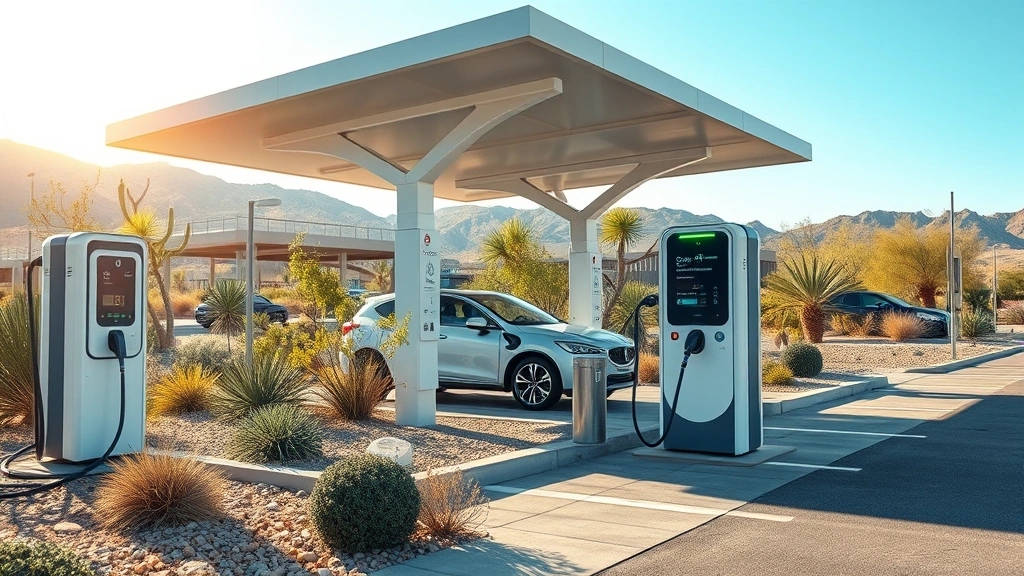
Stripes has not announced plans to install electric vehicle charging stations at its locations, which represents a missed opportunity for aligning with the transportation industry’s sustainability transition. Many progressive fuel retailers and convenience store chains are beginning to offer EV charging infrastructure, recognizing this as a critical sustainability initiative.
Comparison with Industry Leaders
Examining how Stripes’ sustainability efforts compare to industry peers provides valuable context. Major national chains and progressive fuel retailers have implemented significantly more comprehensive environmental programs than Stripes currently offers.
Shell, for example, has committed to achieving net-zero carbon emissions by 2050 and has begun installing EV charging stations at many locations. BP has similar long-term climate commitments and is investing heavily in renewable energy infrastructure. Chevron and other major oil companies have established sustainability frameworks that, while still focused on fossil fuels, include meaningful environmental investments.
Regional chains like Love’s Travel Stops have begun implementing solar panels at some locations and offering EV charging options. Even smaller convenience store networks have started adopting LED lighting, energy-efficient HVAC systems, and water conservation measures more systematically than Stripes appears to have done.
This comparison isn’t meant to unfairly criticize Stripes but rather to highlight that the fuel retail industry includes examples of more ambitious sustainability efforts. For consumers concerned about supporting environmentally responsible businesses, these comparisons matter when making fuel purchasing decisions.
Stripes’ limited public sustainability messaging may reflect several factors: regional market dynamics, operational priorities, or simply a different corporate philosophy regarding environmental initiatives. Regardless of the reasons, the gap between Stripes’ current practices and industry-leading sustainability efforts is significant.
Alternative Fueling Options
For environmentally conscious consumers, understanding alternative fueling options is essential for making sustainable transportation choices. While Stripes primarily focuses on conventional gasoline and diesel fuel, the broader fuel market is evolving toward cleaner alternatives.
Electric Vehicles: The most environmentally impactful alternative involves transitioning to electric vehicles entirely. Learn more about the advantages of electric vehicles to understand how this technology can dramatically reduce your transportation carbon footprint. EVs produce zero tailpipe emissions and, when charged with renewable electricity, represent the cleanest transportation option available.
Hybrid Vehicles: For consumers not yet ready for full electrification, hybrid vehicles offer significant emissions reductions. These vehicles combine electric motors with traditional engines, improving fuel efficiency and reducing overall fuel consumption by 30-50% compared to conventional cars.
Biofuels: Some fuel retailers offer E10 gasoline (containing 10% ethanol) or higher ethanol blends like E15 or E85. While biofuels reduce petroleum dependence, their environmental benefits depend on production methods and agricultural practices. Many Stripes locations do offer E10 gasoline, representing a modest alternative fuel option.
Natural Gas: Compressed natural gas (CNG) vehicles produce fewer emissions than gasoline-powered cars, though infrastructure remains limited. Some commercial fleets use CNG, but consumer availability remains minimal in most areas where Stripes operates.
Stripes could significantly enhance its sustainability profile by investing in EV charging infrastructure and promoting alternative fuels more actively. This would position the chain as environmentally progressive while meeting evolving consumer demands.
How Consumers Can Make Greener Choices
While Stripes’ current sustainability efforts remain modest, individual consumers have substantial power to reduce their environmental impact through conscious choices. Understanding these options empowers you to align your fuel purchasing with your environmental values.
Reduce Overall Fuel Consumption: The most effective environmental strategy is consuming less fuel regardless of which station you visit. Combine errands into single trips, use public transportation when possible, and carpool to reduce fuel needs. These behavioral changes have immediate, measurable environmental benefits.
Improve Vehicle Efficiency: Proper vehicle maintenance—including regular tire pressure checks, air filter replacements, and engine tuning—improves fuel economy by 5-15%. This reduces both fuel consumption and emissions while saving money at the pump.
Choose Fuel-Efficient Vehicles: When purchasing a vehicle, prioritize fuel economy ratings. A car averaging 35 mpg versus 25 mpg will consume roughly 30% less fuel over its lifetime, significantly reducing your environmental footprint.
Support Sustainable Energy Solutions: Learn about sustainable energy solutions that can reduce your overall energy consumption and carbon footprint beyond transportation. Home solar installations, energy-efficient appliances, and renewable electricity plans all contribute to environmental protection.
Advocate for Change: Contact Stripes corporate leadership to express interest in sustainability initiatives. Consumer demand drives corporate environmental investment. Expressing your preferences for EV charging infrastructure and renewable energy options signals market interest that companies cannot ignore.
Consider Vehicle Electrification: For your next vehicle purchase, seriously evaluate electric options. Green technology innovations have made EVs increasingly practical, affordable, and accessible. Switching to an electric vehicle eliminates gas station visits entirely while providing superior environmental benefits.
These individual actions compound across thousands of consumers, creating market pressure for broader industry change. By making conscious choices and supporting environmentally responsible businesses, you contribute to transforming the fuel retail industry toward sustainability.
Stripes’ Future Sustainability Potential
Looking forward, Stripes has significant opportunities to enhance its environmental profile and better align with consumer expectations for corporate sustainability. The company’s regional focus and independent operational structure actually provide advantages for implementing targeted environmental initiatives.
Installing EV charging stations at high-traffic Stripes locations would position the chain as a sustainability leader in the Southwest region. This infrastructure investment would serve growing EV adoption while generating new revenue streams. Similarly, implementing comprehensive solar panels at suitable locations could reduce operational energy costs while demonstrating environmental commitment.
Stripes could also enhance sustainability through supply chain improvements, waste reduction programs, and employee environmental training. Publishing annual sustainability reports would increase transparency and accountability while showcasing genuine environmental efforts to consumers.
The convenience store and fuel retail industry is transitioning, whether rapidly or slowly, toward cleaner energy solutions. Forward-thinking companies that embrace this transition early gain competitive advantages, attract environmentally conscious consumers, and position themselves for long-term success in an evolving market.
For consumers interested in broader sustainability practices, explore how to reduce your environmental footprint through comprehensive lifestyle changes beyond fuel choices. Additionally, reviewing environmental sustainability examples provides inspiration and practical strategies for making a measurable environmental difference.
FAQ
Does Stripes Gas Station offer electric vehicle charging?
Currently, Stripes does not offer EV charging infrastructure at its locations. This represents a gap compared to some progressive fuel retailers who are beginning to install charging stations to serve the growing electric vehicle market.
What fuel standards must Stripes meet?
All Stripes fuel must comply with EPA Tier 2 standards, which regulate sulfur content, aromatics, and other emissions-related parameters. This ensures fuel quality meets federal environmental requirements, though it represents baseline compliance rather than advanced sustainability.
Does Stripes use renewable energy at its facilities?
Stripes has not publicly announced comprehensive renewable energy initiatives at its locations. While some individual stores may use LED lighting or other efficiency measures, the chain lacks a public commitment to solar, wind, or other renewable energy sources.
How can I reduce my environmental impact while using traditional gas stations?
Focus on reducing overall fuel consumption through trip consolidation, vehicle maintenance, and improved driving habits. Consider transitioning to a fuel-efficient hybrid or electric vehicle for maximum environmental benefit. These individual actions have greater impact than choosing between conventional gas stations.
Are biofuels available at Stripes?
Many Stripes locations offer E10 gasoline containing 10% ethanol, a renewable fuel blend. However, higher ethanol blends like E85 are not widely available at Stripes locations. Check your local Stripes store for specific fuel options.
What should I know about Stripes’ corporate environmental policy?
Stripes has not published comprehensive public sustainability policies or environmental commitments comparable to major national chains. The company focuses primarily on regulatory compliance rather than ambitious environmental initiatives, though this could change with increased consumer demand.
How does fuel consumption at Stripes compare to other stations?
Fuel quality and environmental standards are regulated federally, so gasoline from Stripes meets the same emissions standards as fuel from other U.S. retailers. The environmental difference lies in operational practices like energy use, waste management, and alternative fuel availability rather than the fuel itself.
What’s the most sustainable transportation choice?
Electric vehicles represent the most sustainable transportation option, especially when charged with renewable electricity. Hybrid vehicles offer significant improvements over conventional cars, followed by fuel-efficient gasoline vehicles. Behavioral changes like reducing driving also provide substantial environmental benefits.


