Are Flexible Gas Lines Eco-Friendly? Expert Insights on Sustainability and Safety
When evaluating the environmental impact of home heating and cooking systems, many homeowners overlook a critical component: the flexible gas line. These connectors, which transport natural gas or propane from supply sources to appliances, play a significant role in both safety and sustainability. Understanding whether flexible gas lines are genuinely eco-friendly requires examining their materials, installation efficiency, leak potential, and how they compare to alternative energy solutions.
The question of eco-friendliness extends beyond simple yes-or-no answers. Flexible gas lines present a complex sustainability picture involving manufacturing processes, operational efficiency, methane emissions, and their role within broader home energy systems. This comprehensive guide explores expert insights on flexible gas line environmental impact, helping you make informed decisions about your home’s energy infrastructure.
What Are Flexible Gas Lines and How Do They Work?
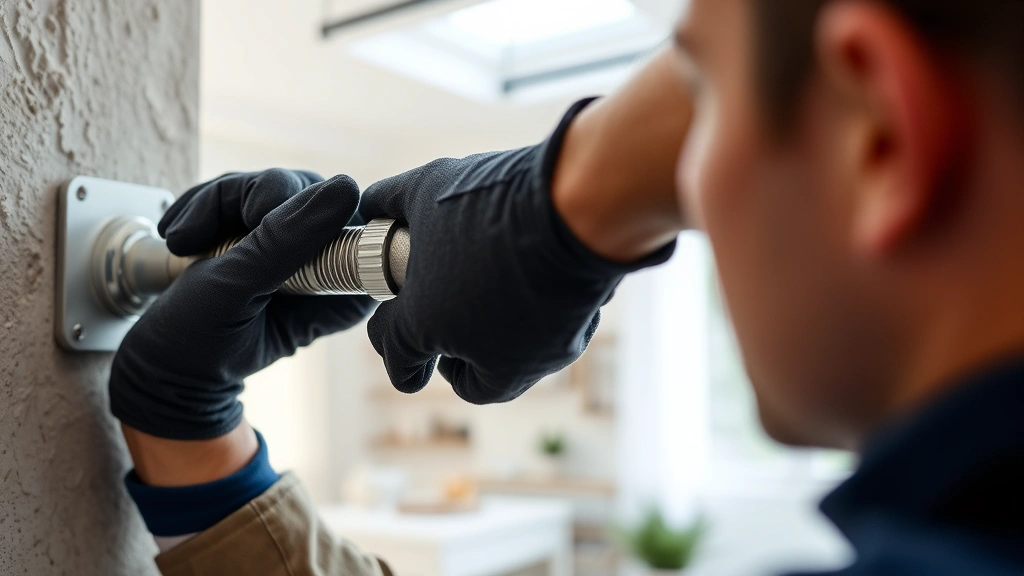
Flexible gas lines, commonly known as corrugated stainless steel tubing (CSST) or flexible metal hoses, serve as connectors between gas meters, appliances, and supply lines. Unlike rigid copper or steel piping, these lines feature a corrugated exterior design that allows bending and flexibility, making installation more straightforward and cost-effective.
The typical flexible gas line consists of a stainless steel outer layer, a plastic inner tube, and sometimes additional protective coatings. This construction provides durability while maintaining the flexibility necessary for modern residential and commercial applications. Many homeowners appreciate flexible gas lines because they reduce installation complexity, require fewer fittings, and adapt to existing building layouts more easily than rigid alternatives.
Understanding how these systems function within your home’s broader energy infrastructure is essential for assessing their true environmental footprint. The efficiency of gas delivery, potential for leaks, and integration with other appliances all influence whether flexible gas lines contribute positively or negatively to your home’s sustainability profile.
Environmental Impact of Manufacturing and Materials
The manufacturing process for flexible gas lines involves several resource-intensive steps. Production requires extracting and processing stainless steel, which demands significant energy input and generates carbon emissions. The plastic components typically include polyethylene or nylon, derived from petroleum products, further increasing the manufacturing carbon footprint.
According to research from the EPA’s Greener Products initiative, metal and plastic production accounts for approximately 7-9% of global industrial emissions. For flexible gas lines specifically, the stainless steel component is the most resource-intensive element. A single flexible gas line weighs between 0.3 to 0.8 pounds, with manufacturing generating roughly 2-3 pounds of CO2 equivalent per unit produced.
However, the manufacturing impact must be contextualized against the product’s lifespan. Flexible gas lines typically last 20-30 years, meaning the annualized carbon footprint becomes significantly lower when distributed across decades of use. Compared to replacing rigid piping systems more frequently, flexible lines may actually present a more sustainable manufacturing choice over extended periods.
The production of flexible gas lines has improved in recent years as manufacturers adopt more efficient processes. Many modern facilities utilize renewable energy sources and implement recycling programs for production waste. When selecting flexible gas lines, choosing products from manufacturers committed to green technology innovations can reduce your environmental impact.
Methane Leaks and Climate Implications
The most significant environmental concern regarding flexible gas lines relates to methane emissions from leaks. Natural gas, primarily composed of methane, is a potent greenhouse gas with a global warming potential approximately 28-34 times greater than carbon dioxide over a 100-year period, according to the Intergovernmental Panel on Climate Change.
Flexible gas lines present both advantages and disadvantages concerning leak potential. The corrugated design can trap moisture and corrosive materials in crevices, potentially leading to pinhole leaks over time. Studies indicate that flexible gas lines experience leak rates of approximately 0.5-1.5% annually in older installations, though modern CSST products perform significantly better.
Conversely, flexible gas lines offer installation advantages that reduce leak risk compared to rigid systems. Fewer connection points mean fewer potential leak locations. When properly installed by certified professionals, flexible gas lines demonstrate leak rates comparable to or lower than rigid piping alternatives. The key factor determining environmental impact is installation quality and regular maintenance.
A study published in the Journal of Environmental Engineering found that properly maintained flexible gas line systems contribute negligibly to residential methane emissions, while poorly installed systems can contribute 5-15 kilograms of methane annually to the atmosphere. This substantial difference underscores the importance of professional installation and periodic inspections.
Installation Efficiency and System Performance
One often-overlooked aspect of flexible gas line sustainability involves installation efficiency. Traditional rigid piping requires extensive planning, cutting, threading, and welding—processes that consume time, energy, and resources. Flexible gas lines streamline this process significantly.
The reduced installation complexity translates to measurable environmental benefits. Shorter installation times mean lower labor-related energy consumption. Fewer specialized tools and processes are required, reducing the overall carbon footprint of system setup. Additionally, flexible gas lines accommodate retrofit situations more easily, enabling homeowners to upgrade existing systems without extensive renovations that would generate construction waste.
From an operational efficiency standpoint, flexible gas lines perform identically to rigid systems when properly installed. Gas flows through both types at equivalent rates and pressures. However, the flexibility itself provides subtle advantages: the lines can absorb vibrations from appliances and pressure fluctuations, potentially extending appliance lifespan and reducing overall system stress.
When examining sustainable energy solutions, installation efficiency deserves consideration alongside operational performance. A system that’s easier and faster to install with fewer resource inputs represents a meaningful sustainability advantage, particularly when multiplied across millions of residential installations.
Comparing Flexible Lines to Rigid Piping Systems
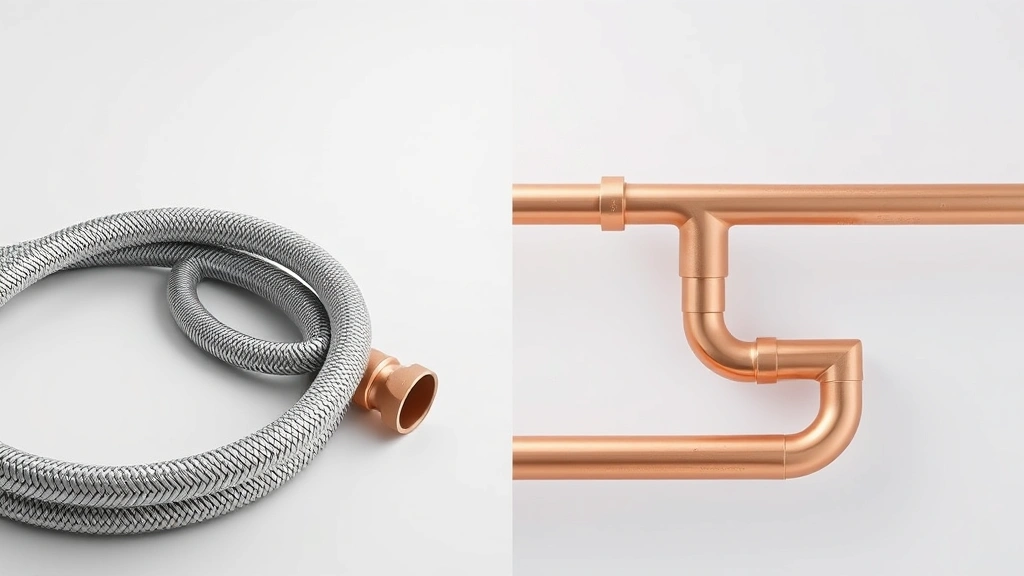
Understanding flexible gas line sustainability requires comparing them to alternatives. Rigid piping systems—traditionally copper, steel, or PVC—offer different environmental profiles worth examining.
Copper piping: While durable and reliable, copper extraction and processing generate significant environmental impact. Copper mining produces substantial waste and consumes considerable energy. Copper piping also requires specialized installation expertise, increasing labor costs and carbon footprint. However, copper’s longevity (50+ years) and recyclability provide offsetting benefits.
Steel piping: Steel offers durability similar to copper but with slightly lower manufacturing impact. Steel piping requires welding and threading, consuming more energy during installation than flexible alternatives. Corrosion concerns necessitate protective coatings, adding environmental burden.
PVC piping: Plastic piping presents the lowest manufacturing carbon footprint but raises concerns about plastic waste and leaching. PVC production involves toxic chemicals, and end-of-life disposal presents environmental challenges since PVC rarely biodegrades.
Flexible gas lines generally fall between these extremes. They offer manufacturing efficiency advantages over copper and steel while avoiding PVC’s waste concerns. The corrugated stainless steel design balances durability, performance, and environmental consideration more effectively than most alternatives.
Sustainability Within Broader Energy Strategies
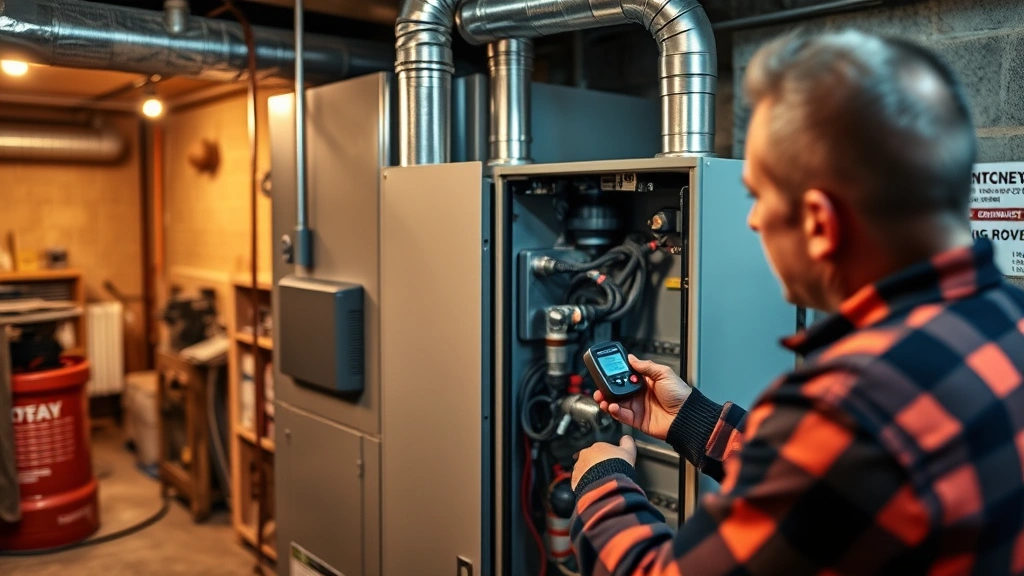
Assessing flexible gas line eco-friendliness requires situating them within your home’s complete energy strategy. A flexible gas line connecting a high-efficiency condensing furnace presents a different sustainability profile than one supplying an older, inefficient water heater.
The relationship between natural gas versus propane and overall home sustainability depends on multiple factors. Natural gas generally produces fewer emissions than propane during combustion, though both are fossil fuels. The true environmental impact depends on your region’s energy grid composition, heating needs, and available alternatives.
Progressive homeowners should view flexible gas lines as transitional infrastructure rather than permanent solutions. As renewable energy adoption accelerates, many homes will transition from gas-based heating to electric heat pumps and other sustainable alternatives. Flexible gas lines that facilitate this transition—by enabling easier installation of modern, efficient appliances—contribute positively to overall sustainability goals.
Consider that advantages of electric vehicles parallel benefits of electrifying home heating systems. Just as vehicle electrification reduces transportation emissions, home electrification—replacing gas appliances with electric alternatives powered by renewable energy—represents the ultimate sustainability goal. Flexible gas lines should be evaluated within this broader context.
Experts increasingly recommend viewing natural gas infrastructure as part of a transition strategy rather than a permanent fixture. Modern flexible gas lines enable easier conversion to electric appliances when ready, supporting long-term sustainability objectives.
Best Practices for Eco-Conscious Homeowners
If you’re installing or maintaining flexible gas lines, several practices maximize environmental responsibility:
- Professional Installation: Hire certified professionals familiar with current building codes and best practices. Proper installation dramatically reduces leak risk and ensures optimal system performance. The modest additional cost provides significant environmental and safety benefits.
- Regular Inspections: Schedule professional inspections every 2-3 years to identify potential leaks early. Early detection prevents years of methane emissions and ensures your system operates safely and efficiently.
- Quality Materials: Select flexible gas lines from reputable manufacturers who prioritize quality control and sustainable manufacturing practices. Premium CSST products often feature improved corrosion resistance and lower leak rates.
- Proper Maintenance: Ensure adequate ventilation around flexible gas lines to prevent moisture accumulation. Keep lines protected from physical damage and extreme temperature fluctuations.
- Leak Detection: Familiarize yourself with signs of gas leaks (hissing sounds, rotten egg odors). Install carbon monoxide detectors in appropriate locations. Report suspected leaks to your gas provider immediately.
- Efficiency Upgrades: When replacing appliances, prioritize high-efficiency models. A flexible gas line serving a high-efficiency furnace contributes more positively to sustainability than one supplying an older unit.
- Future Planning: Consider your long-term energy goals. If you’re planning to transition to electric heating or eliminate gas dependence, factor this into current decisions about flexible gas line installation and upgrades.
Exploring environmental sustainability examples reveals that comprehensive approaches—combining efficient appliances, proper installation, regular maintenance, and long-term planning—yield the greatest benefits. Flexible gas lines represent one component within this larger sustainability framework.
The U.S. Department of Energy provides comprehensive guidance on gas line safety and efficiency. Their resources emphasize that proper installation and maintenance are critical for both environmental and safety performance.
For homeowners committed to reducing their environmental footprint, consulting with sustainability experts and energy professionals helps develop comprehensive strategies addressing heating systems, appliance efficiency, and long-term energy goals.
FAQ
Are flexible gas lines made from recyclable materials?
Yes, the stainless steel components of flexible gas lines are fully recyclable. However, the plastic inner tubes and protective coatings present recycling challenges. At end-of-life, most flexible gas lines can be partially recycled, though recovery rates vary by facility and material composition.
How long do flexible gas lines typically last?
Quality flexible gas lines generally last 20-30 years with proper installation and maintenance. Some premium products designed for corrosion resistance may last longer. Regular inspections help identify deterioration early and prevent leaks.
Do flexible gas lines leak more than rigid pipes?
Modern CSST flexible gas lines, when properly installed, demonstrate leak rates comparable to rigid piping. Older or poorly installed flexible systems may experience higher leak rates. Professional installation and regular maintenance are critical factors determining leak performance.
What’s the carbon footprint of manufacturing a flexible gas line?
A typical flexible gas line generates approximately 2-3 pounds of CO2 equivalent during manufacturing. When distributed across a 25-year lifespan, this represents roughly 0.08-0.12 pounds of annualized carbon impact per line—a relatively modest contribution compared to the appliances these lines serve.
Should I replace rigid piping with flexible gas lines for environmental reasons?
Replacing functioning rigid piping with flexible alternatives typically doesn’t provide sufficient environmental benefit to justify the installation costs and disruption. However, when upgrading appliances or renovating, flexible lines may offer installation advantages. Focus environmental efforts on improving appliance efficiency and reducing overall gas consumption.
Can flexible gas lines support transition to renewable energy?
Yes, flexible gas lines can facilitate easier conversion to electric appliances when transitioning away from gas-based heating and cooking. Their flexibility and reduced installation complexity make appliance replacements more straightforward, supporting long-term sustainability goals.
What certifications indicate sustainable flexible gas line products?
Look for products meeting current safety standards (ANSI/AGA certification) from manufacturers pursuing environmental certifications like ISO 14001. Some manufacturers disclose carbon footprint data and sustainable manufacturing practices—factors worth considering when selecting products.


