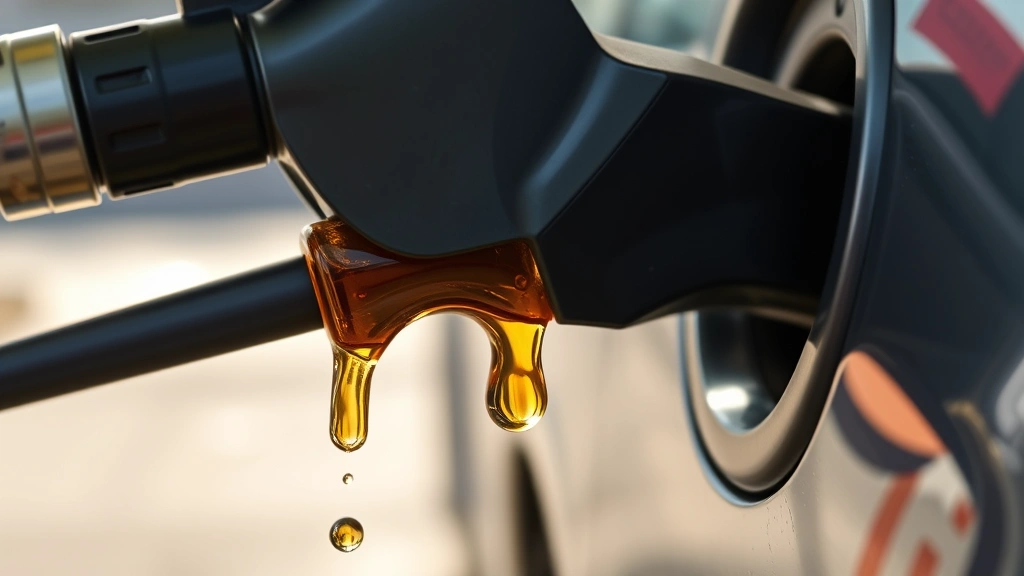
How Much Does a Gallon of Gas Weigh? Facts Inside
Gasoline is one of the most consumed commodities globally, yet many people don’t understand its basic physical properties—including its weight. Whether you’re curious about fuel efficiency, transportation logistics, or simply want to understand the substance you’re putting in your vehicle, knowing how much a gallon of gas weighs is surprisingly important. This seemingly simple question opens doors to understanding energy density, environmental impact, and the mechanics of modern transportation.
A gallon of gasoline weighs approximately 6 to 6.3 pounds (2.7 to 2.9 kilograms), depending on temperature, composition, and specific gravity variations. This weight is crucial for calculating fuel consumption, vehicle performance, and understanding the energy content stored in each gallon. Understanding fuel weight helps drivers, engineers, and sustainability advocates make informed decisions about energy use and environmental impact.

Understanding Gasoline Weight and Density
The weight of a gallon of gasoline is fundamentally tied to its density. Gasoline has a density of approximately 0.71 to 0.77 grams per milliliter (g/mL), which translates to roughly 6.0 to 6.3 pounds per gallon. This density is significantly lower than water, which weighs 8.34 pounds per gallon, which is why gasoline floats on water—a critical safety consideration in environmental spills.
The reason gasoline is less dense than water relates to its molecular composition. Gasoline is a complex mixture of hydrocarbons, primarily alkanes and aromatic compounds derived from crude oil. These carbon and hydrogen molecules are lighter per unit volume than water molecules (H₂O), resulting in the characteristic low density that makes gasoline an efficient fuel source relative to its weight.
Temperature plays a significant role in gasoline weight. As gasoline heats up, it expands and becomes less dense, meaning a gallon at 100°F weighs slightly less than a gallon at 32°F. Gas stations account for this by using temperature-compensated pumps, ensuring customers receive consistent volume and energy content regardless of ambient conditions. This is why understanding fuel dynamics matters for both consumers and industry professionals.
The specific gravity of gasoline—its density relative to water—typically ranges from 0.71 to 0.77. Premium gasoline may have slightly different density characteristics than regular unleaded, though the weight difference per gallon is negligible. Understanding these density variations helps explain why fuel efficiency can vary seasonally and why fuel specifications matter for engine performance.

Factors That Affect Gasoline Weight
Temperature Fluctuations are the primary variable affecting gasoline weight. Warmer gasoline expands, reducing its density. This is why gas pumps are calibrated to account for temperature variations throughout the day and across seasons. A gallon dispensed in summer may contain slightly less mass than a gallon dispensed in winter, though the volume remains constant.
Fuel Composition and Additives influence gasoline weight. Modern gasoline contains detergents, antioxidants, corrosion inhibitors, and other additives mandated by environmental regulations. These additives can slightly alter the overall density. Additionally, gasoline blends vary by region—winter blends have different volatility characteristics than summer blends, affecting their density profiles.
Crude Oil Source and Refining Process impact the final product’s density. Different crude oils have varying hydrocarbon compositions. Sweet crude (low sulfur) versus sour crude (high sulfur) produces gasoline with different characteristics. Refineries adjust their processes to meet specific gravity standards while maintaining performance requirements and environmental compliance.
Ethanol Content is increasingly important as biofuel mandates expand. Ethanol-blended gasoline (E10, E15) has different density characteristics than pure petroleum gasoline. Ethanol weighs approximately 6.6 pounds per gallon, slightly more than gasoline, so higher ethanol blends will have marginally higher weight per gallon.
Atmospheric Pressure has minimal but measurable effects on gasoline density. Elevation and weather patterns can slightly compress or expand gasoline vapor spaces in storage tanks, affecting the actual mass of gasoline dispensed during different atmospheric conditions.
Why Gasoline Weight Matters
Understanding gasoline weight is essential for numerous practical and technical reasons. For vehicle owners exploring advantages of electric vehicles, knowing fuel properties helps contextualize energy density comparisons. Gasoline’s weight-to-energy ratio is exceptional—that 6-pound gallon contains roughly 115,000 British Thermal Units (BTUs) of energy.
Aircraft engineers and aviation fuel specialists must precisely calculate fuel weight for flight planning. A passenger aircraft carrying 5,000 gallons of jet fuel is carrying approximately 30,000 to 35,000 pounds of fuel, which directly impacts payload capacity, fuel consumption calculations, and safety margins. Miscalculating fuel weight has contributed to aviation incidents, making this knowledge critical for safety.
Shipping and logistics companies must account for gasoline weight when transporting fuel. A standard tanker truck carrying 9,000 gallons of gasoline is transporting approximately 54,000 pounds of product, plus the weight of the vehicle itself. This affects bridge weight limits, fuel taxes, and transportation efficiency calculations.
Environmental monitoring requires understanding fuel weight. When spills occur, regulatory agencies must calculate the mass of gasoline released to assess environmental impact and cleanup requirements. The EPA’s oil spill response protocols rely on precise weight calculations to determine appropriate remediation strategies.
For personal vehicle owners, fuel weight affects overall vehicle mass and consequently fuel efficiency. A full tank of gasoline adds 360+ pounds to a vehicle’s weight, which impacts acceleration, braking, and fuel consumption. This is why hypermilers often travel with minimal fuel—reducing vehicle weight improves miles per gallon performance.
Gasoline vs. Other Fuels Comparison
Comparing gasoline weight to alternative fuels reveals why gasoline has dominated transportation for over a century. Diesel fuel weighs approximately 7.0 to 7.2 pounds per gallon, about 10-15% heavier than gasoline. Despite higher weight, diesel’s superior energy density (around 128,000 BTUs per gallon) makes it more efficient for heavy-duty applications, supporting the case for sustainable energy solutions in commercial transportation.
Ethanol, the biofuel increasingly blended with gasoline, weighs 6.6 pounds per gallon. While ethanol contains less energy per gallon than gasoline (approximately 77,000 BTUs), its renewable source and lower carbon intensity make it attractive for reducing your environmental footprint. The weight difference explains why E85 fuel (85% ethanol) vehicles require larger fuel tanks for equivalent range.
Propane, a gaseous fuel, weighs only 4.2 pounds per gallon when liquefied, making it lighter than gasoline. However, propane’s lower energy density (84,000 BTUs per gallon) requires larger storage volumes and more frequent refueling. This comparison illustrates why natural gas vs propane comparisons matter for fuel selection.
Hydrogen fuel represents the ultimate in fuel lightness—gaseous hydrogen weighs only 0.018 pounds per gallon when compressed to 10,000 PSI. However, hydrogen’s extremely low density means fuel tanks must be larger and more robust, offsetting weight advantages. Despite these challenges, hydrogen fuel cells represent a promising zero-emission future.
Electricity, stored in batteries, doesn’t have a traditional weight per gallon metric, but battery density (typically 150-250 watt-hours per kilogram) is substantially lower than gasoline’s energy density. This is why electric vehicles require heavy battery packs—a Tesla Model 3’s 75 kWh battery weighs approximately 400-500 pounds, whereas equivalent gasoline energy would weigh only 5-6 pounds.
Environmental Implications of Fuel Weight
The weight of gasoline directly correlates with its environmental impact. When a gallon of gasoline burns in an internal combustion engine, it combines with atmospheric oxygen, producing approximately 20 pounds of carbon dioxide. This 20:1 weight ratio (CO₂ produced to fuel burned) demonstrates why climate research from the IPCC emphasizes transportation’s significant contribution to greenhouse gas emissions.
Understanding fuel weight helps contextualize carbon footprint calculations. The average American driver consumes roughly 500 gallons of gasoline annually, equivalent to 3,000 pounds of fuel. This consumption produces approximately 10,000 pounds of CO₂ per driver per year—more than three times the fuel weight itself. This multiplication effect illustrates why transportation represents approximately 27% of total U.S. greenhouse gas emissions.
Fuel weight considerations extend to vehicle manufacturing and lifecycle analysis. Heavier vehicles require more fuel to operate, creating a feedback loop where weight increases environmental impact. This is why principles of sustainability increasingly emphasize vehicle lightweighting and electrification as complementary strategies.
The environmental impact of fuel weight also appears in extraction and refining. Transporting crude oil, processing it into gasoline, and distributing the finished fuel requires significant energy. The energy required to produce, transport, and refine gasoline adds roughly 20-30% to the carbon footprint beyond combustion emissions. Understanding fuel weight helps consumers appreciate these hidden environmental costs.
Renewable fuel alternatives address weight-related environmental concerns. Biofuels, despite similar weight characteristics, offer lower carbon intensity if produced sustainably. The U.S. Department of Energy’s bioenergy programs research how renewable fuels can reduce transportation’s environmental impact while maintaining compatibility with existing infrastructure.
Practical Applications and Calculations
Calculating Total Fuel Weight: To determine the total weight of fuel in your vehicle, multiply gallons by 6.2 pounds. A 15-gallon fill-up adds approximately 93 pounds to your vehicle’s weight. A typical sedan with a 16-gallon tank carries up to 99 pounds of fuel when full. Large SUVs with 25-gallon tanks carry 155 pounds of fuel, significantly impacting fuel economy.
Fuel Efficiency Calculations: Professional drivers and fleet managers use fuel weight data for efficiency optimization. Reducing fuel load from a full tank to three-quarter tank saves 23 pounds, potentially improving fuel economy by 0.5-1.0 mile per gallon on highway driving. For commercial fleets covering millions of miles annually, these calculations translate to substantial fuel and cost savings.
Aviation Fuel Planning: Pilots use the standard calculation that Jet A fuel weighs 6.8 pounds per gallon (slightly heavier than automotive gasoline due to different composition). A small aircraft with a 50-gallon fuel capacity carries 340 pounds of fuel. This weight significantly impacts range, climb performance, and payload capacity, requiring precise calculations for safe flight operations.
Storage and Safety: Understanding gasoline weight helps determine appropriate storage container capacity. A 5-gallon portable fuel container weighs approximately 31 pounds when full (plus the container weight of 1-2 pounds). A 55-gallon drum weighs approximately 342 pounds when filled with gasoline, requiring proper handling equipment and storage facilities.
Environmental Spill Response: When gasoline spills, responders must calculate volume to mass conversions. A 100-gallon spill represents approximately 620 pounds of product requiring cleanup. The National Transportation Safety Board uses weight calculations to assess environmental damage and determine appropriate response protocols for fuel transportation accidents.
FAQ
Why does gasoline weigh less than water?
Gasoline weighs less than water because it’s composed of hydrocarbons (carbon and hydrogen molecules) that are less dense than water molecules (H₂O). Gasoline’s density of 0.71-0.77 g/mL compared to water’s 1.0 g/mL explains why gasoline floats on water—a critical property for environmental safety and spill containment.
Does temperature really affect how much a gallon of gas weighs?
Yes, temperature significantly affects gasoline weight. As temperature increases, gasoline expands and becomes less dense. A gallon of gasoline at 100°F weighs approximately 0.1-0.2 pounds less than the same gallon at 32°F. Gas stations use temperature-compensated pumps to ensure customers receive consistent energy content despite these variations.
How much does a full tank of gas weigh in my car?
Most cars have fuel tanks ranging from 12 to 16 gallons. A full tank weighs approximately 74-99 pounds (12 × 6.2 to 16 × 6.2). This weight directly impacts your vehicle’s acceleration, braking distance, and fuel economy. Reducing fuel load can improve miles per gallon performance, particularly in city driving.
Is premium gasoline heavier than regular gasoline?
Premium and regular gasoline have virtually identical weight per gallon, typically 6.0-6.3 pounds. The difference between them is octane rating (resistance to engine knock), not weight or density. Premium fuel contains additional detergents and additives that may marginally affect density, but differences are negligible for practical purposes.
How does gasoline weight compare to diesel fuel?
Diesel fuel weighs approximately 7.0-7.2 pounds per gallon, about 10-15% heavier than gasoline. Despite higher weight, diesel contains more energy per gallon (approximately 128,000 BTUs versus gasoline’s 115,000 BTUs), making it more efficient for heavy-duty applications and long-haul transportation.
Why is fuel weight important for aircraft?
Fuel weight is critical for aviation because it directly impacts aircraft performance, range, and safety. Pilots must calculate fuel weight precisely to determine payload capacity, climb performance, and range. A miscalculation could result in insufficient fuel for reaching the destination or exceeding maximum weight limits, creating serious safety risks.
Does ethanol-blended fuel weigh more than pure gasoline?
Ethanol weighs approximately 6.6 pounds per gallon, slightly more than pure gasoline. E10 fuel (10% ethanol) weighs marginally more than pure gasoline, while E85 fuel (85% ethanol) weighs noticeably more. This weight difference explains why E85 vehicles have larger fuel tanks and lower fuel economy compared to gasoline-powered vehicles.
How does understanding fuel weight help reduce environmental impact?
Understanding fuel weight contextualizes carbon emissions and energy consumption. A 6-pound gallon of gasoline produces approximately 20 pounds of CO₂ when burned, illustrating the disproportionate environmental impact of fuel combustion. This knowledge motivates adoption of electric vehicles, efficient driving practices, and renewable fuel alternatives.


