
Switch to Biofuel? Environmental Impact Data
The global energy landscape is undergoing a dramatic transformation as climate concerns intensify and fossil fuel alternatives gain traction. Among the most promising contenders is biofuel—a renewable energy source derived from organic materials. For homeowners and businesses considering alternatives to traditional gas for burner applications, understanding biofuel’s environmental impact is essential. This comprehensive guide examines the scientific data, benefits, challenges, and practical considerations for transitioning to biofuel-based heating solutions.
Biofuels represent a significant departure from conventional petroleum products. They’re produced from biomass sources including agricultural waste, vegetable oils, animal fats, and dedicated energy crops. When used as a gas for burner replacement, biofuels can dramatically reduce carbon emissions and dependence on finite fossil resources. However, the decision to switch requires careful evaluation of multiple environmental factors, economic implications, and compatibility with existing heating systems.

What Is Biofuel and How Does It Work?
Biofuels are combustible fuels produced from biomass—organic matter derived from recently living organisms. Unlike fossil fuels that accumulated over millions of years, biofuels represent a renewable cycle where carbon dioxide released during combustion can be reabsorbed by growing plants. This fundamental difference positions biofuel as a potentially carbon-neutral energy source when production and transportation are optimized.
The most common biofuels for heating applications include biodiesel (produced from vegetable oils and animal fats) and bioethanol (derived from fermented sugars and starches). When used as a replacement for conventional gas for burner systems, these fuels can be blended with traditional fuels or used in specialized burners designed for biofuel compatibility. The combustion process releases energy through chemical reactions, producing heat suitable for residential and commercial heating needs.
Understanding biofuel chemistry is crucial for appreciating its environmental advantages. When plants grow, they absorb atmospheric carbon dioxide through photosynthesis. When biofuel derived from these plants is burned, that carbon is released back into the atmosphere—creating a closed-loop carbon cycle. This contrasts sharply with fossil fuels, which release ancient carbon that was sequestered underground, contributing to net atmospheric carbon increases.
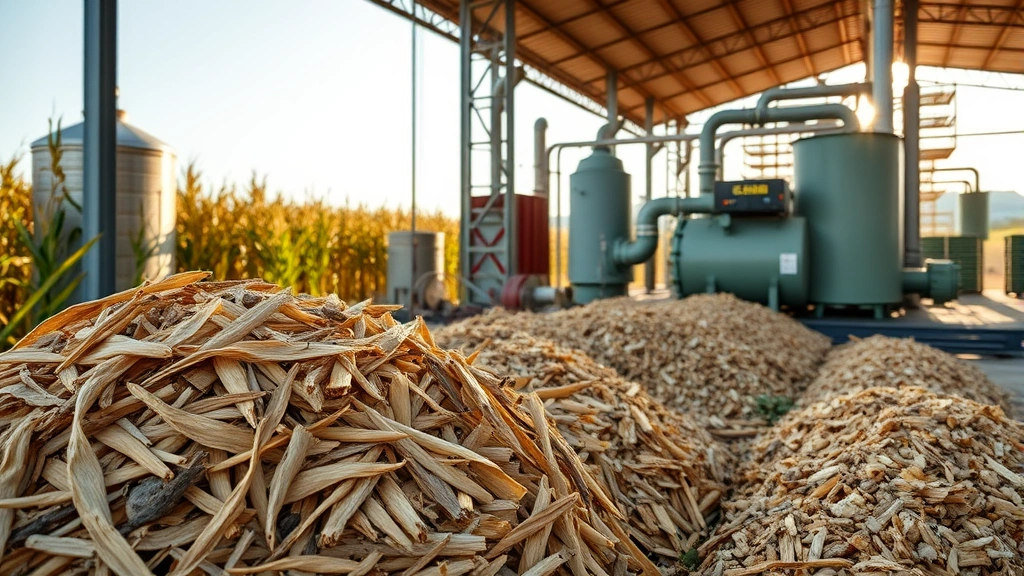
Carbon Emissions: The Environmental Case for Biofuel
Scientific research consistently demonstrates that biofuels produce significantly lower greenhouse gas emissions compared to traditional fossil fuels. According to the EPA’s Renewable Fuel Standard Program, biodiesel can reduce lifecycle greenhouse gas emissions by up to 57% compared to petroleum diesel. For bioethanol, the reduction can reach 34% when produced from corn and up to 86% when derived from cellulose.
These impressive figures represent the total lifecycle emissions—from feedstock cultivation through fuel combustion. The environmental advantage becomes clearer when examining specific metrics. A typical household switching from conventional gas for burner heating to biofuel blends could reduce annual carbon dioxide emissions by 2-4 tons, equivalent to removing a car from the road for several months.
The combustion efficiency of biofuels also contributes to environmental benefits. Modern biofuel burners often achieve combustion efficiency rates of 85-95%, compared to 80-85% for traditional gas burners. This improved efficiency means more energy reaches your heating system and less waste heat escapes through exhaust pipes. Over time, this translates to reduced fuel consumption and proportionally lower emissions.
When examining regional variations, biofuel benefits depend significantly on the electricity grid’s composition. In regions powered primarily by renewable energy, biofuel production and processing emit fewer emissions, amplifying the overall environmental advantage. Conversely, in areas reliant on coal-generated electricity, the benefit margin narrows but remains positive.
Lifecycle Analysis of Biofuel Production
Comprehensive environmental assessment requires examining the complete lifecycle of biofuel production—from crop cultivation through end-use combustion. This holistic approach, known as lifecycle assessment (LCA), reveals the true environmental impact beyond simple combustion emissions.
Agricultural Phase: Growing feedstock crops consumes water, requires fertilizers and pesticides, and demands land resources. These inputs carry environmental costs including nutrient runoff that creates aquatic dead zones and pesticide residues affecting non-target organisms. However, many biofuel programs increasingly utilize agricultural waste and marginal lands, reducing these impacts substantially.
Processing and Refining: Converting raw biomass into usable biofuel requires energy-intensive processing. Modern facilities increasingly utilize renewable energy sources, with some achieving near-zero net energy inputs through biogas recovery and heat recycling. The efficiency of processing facilities significantly influences the final environmental balance.
Transportation and Distribution: Moving biofuel from production facilities to end-users generates additional emissions. However, biofuel production can be geographically distributed, reducing transportation distances compared to centralized petroleum refineries. Regional biofuel production supports local energy independence while minimizing logistics emissions.
End-Use Combustion: The final stage releases biofuel’s chemical energy as heat. This phase produces lower emissions than fossil fuels due to the closed-loop carbon cycle. Particulate matter and NOx emissions depend on burner technology and maintenance, with modern systems producing significantly cleaner exhaust than older equipment.
Comprehensive LCA studies published by the National Renewable Energy Laboratory (NREL) consistently demonstrate that biofuels offer net environmental benefits across diverse production scenarios. Even accounting for all lifecycle stages, biofuels reduce total greenhouse gas emissions by 20-86% depending on feedstock type and production methodology.
Types of Biofuels for Heating Systems
Not all biofuels suit heating applications equally. Understanding available options helps determine the best choice for your specific situation.
Biodiesel (B100): Pure biodiesel produced from vegetable oils and animal fats can replace conventional diesel in compatible burners. Blends like B20 (20% biodiesel, 80% conventional diesel) work in most existing systems without modification. Biodiesel offers excellent lubrication properties and higher cetane numbers than petroleum diesel, potentially extending burner equipment lifespan.
Bioheat Blends: Commercial blends combining biodiesel with conventional heating oil (typically 5-20% biodiesel content) provide immediate emission reductions while maintaining compatibility with existing heating infrastructure. These blends require no equipment modifications and can transition households to renewable energy gradually.
Bioethanol: Ethanol derived from fermented grains and sugarcane can fuel specialized burners and stoves. Some regions offer E10-E15 blends compatible with conventional systems, though dedicated ethanol heating systems offer superior efficiency.
Biogas: Methane generated from anaerobic digestion of organic waste can substitute for natural gas for burner applications. Biogas offers the advantage of utilizing waste streams that would otherwise decompose, releasing methane to the atmosphere. This fuel type represents genuine waste-to-energy conversion.
Each biofuel type presents distinct advantages and considerations. Sustainable energy solutions increasingly emphasize mixed approaches, combining multiple renewable fuels to optimize environmental and economic outcomes.
Comparing Biofuel to Traditional Gas Burners
Direct comparison between biofuel and conventional gas for burner systems reveals substantial environmental and performance differences.
Emissions Profile: Switching from natural gas to biodiesel blends reduces CO₂ emissions by approximately 20-30%, while pure biodiesel achieves 50-60% reductions. Biogas offers similar benefits when derived from waste streams. Natural gas, while cleaner than coal, remains a fossil fuel with inherent carbon emissions that cannot be eliminated through efficiency improvements alone.
Energy Content: Biodiesel provides approximately 93% of the energy content of petroleum diesel—a negligible difference that rarely impacts heating performance. Bioethanol contains roughly 66% of gasoline’s energy, requiring larger fuel volumes but still offering viable heating solutions in compatible systems.
System Compatibility: Most existing gas for burner systems require modifications or replacement to utilize biofuels effectively. Biodiesel blends (B5-B20) often work in conventional diesel burners with minimal changes, while higher concentrations or bioethanol demand specialized equipment. This transition cost represents a significant consideration in switching decisions.
Maintenance Requirements: Biofuels exhibit superior lubrication properties compared to conventional fuels, potentially reducing wear on fuel injection systems and pump components. However, biodiesel’s hygroscopic nature (tendency to absorb water) demands careful storage and tank management to prevent microbial growth and corrosion.
Heating Efficiency: Modern biofuel burners achieve efficiency comparable to conventional systems, typically 85-90%. Properly maintained equipment offers no efficiency penalty when switching to biofuels. Some studies suggest marginal efficiency improvements due to superior combustion characteristics.
Sustainability Challenges and Concerns
While biofuels offer genuine environmental benefits, legitimate challenges warrant careful consideration before committing to widespread adoption.
Land Use Competition: Dedicating agricultural land to fuel production rather than food crops raises ethical concerns, particularly in developing nations. First-generation biofuels derived from food crops can inadvertently contribute to food insecurity and agricultural land degradation. Second and third-generation biofuels using agricultural waste and non-food crops mitigate this issue significantly.
Biodiversity Impact: Large-scale biofuel plantations can reduce habitat diversity, particularly when monocultures replace biodiverse ecosystems. Sustainable biofuel production emphasizes crop rotation, integrated pest management, and preservation of high-conservation-value lands to minimize biodiversity losses.
Water Consumption: Biofuel crop production demands substantial water inputs, potentially straining water resources in arid regions. However, this concern applies primarily to first-generation biofuels; advanced biofuel production from waste materials eliminates agricultural water demand.
Nitrogen Runoff: Fertilizer application in biofuel crop cultivation contributes to nutrient pollution in waterways. Precision agriculture techniques, controlled-release fertilizers, and integrated nutrient management substantially reduce this environmental impact.
Carbon Payback Period: The time required for biofuel production and use to offset its own production emissions varies by feedstock and methodology. Most studies indicate payback periods of 1-3 years, after which emissions benefits accumulate. This relatively short timeframe supports biofuel’s net environmental advantage over multi-decade equipment lifecycles.
The Global Bioenergy Partnership works extensively to establish sustainability standards ensuring biofuel production minimizes negative environmental consequences while maximizing climate benefits.
Cost-Benefit Analysis
Economic considerations significantly influence biofuel adoption decisions. Understanding true costs requires examining multiple factors.
Fuel Pricing: Biofuel costs fluctuate based on feedstock prices, production capacity, and regional availability. Biodiesel typically costs 10-20% more than conventional diesel, though this premium varies seasonally and geographically. Subsidies and tax credits in many jurisdictions significantly narrow or eliminate this price differential.
Equipment Modifications: Converting existing gas for burner systems to biofuel compatibility requires investment ranging from $500 (minor modifications for low-concentration blends) to $3,000-5,000 (complete system replacement for pure biodiesel or bioethanol). This upfront cost must be amortized against long-term fuel savings and environmental benefits.
Maintenance Costs: Biofuel’s superior lubrication properties can reduce maintenance requirements, potentially offsetting conversion costs over equipment lifespans. However, water management in biodiesel storage demands attention and occasional tank cleaning.
Environmental Valuation: Assigning monetary value to carbon emissions reduction and air quality improvements strengthens biofuel’s economic case. At carbon pricing levels of $50-150 per metric ton (increasingly common in climate-conscious markets), annual emissions reductions of 2-4 tons translate to $100-600 in annual environmental value.
Long-Term Projections: As fossil fuel prices rise due to supply constraints and climate regulations, biofuel cost advantages improve. Conversely, expanding biofuel production should eventually reduce prices through economies of scale. Most analyses project biofuel achieving cost parity with conventional fuels within 10-15 years.
For households seeking immediate environmental impact alongside economic rationality, reducing your environmental footprint through biofuel adoption often represents the most accessible large-scale action available.
Making the Switch: Practical Considerations
Transitioning to biofuel heating requires systematic planning and informed decision-making.
Assess Current Equipment: Determine your heating system’s fuel type, age, and condition. Modern diesel and oil burners (manufactured after 2000) typically accommodate low-concentration biodiesel blends without modification. Older systems may require fuel line and filter upgrades. Consult your equipment manufacturer’s specifications before proceeding.
Evaluate Local Availability: Biofuel availability varies dramatically by region. Research local suppliers, distribution networks, and any existing biofuel infrastructure. Some areas offer established bioheat networks with reliable supply chains; others require special ordering or tank installation.
Start with Blends: Most experts recommend beginning with low-concentration biodiesel blends (B5-B10) to ensure equipment compatibility before transitioning to higher concentrations. This graduated approach minimizes risk while allowing equipment adjustments if necessary.
Investigate Incentives: Federal tax credits, state rebates, and utility incentive programs substantially reduce biofuel conversion costs. Research available programs in your jurisdiction—some regions offer grants covering 25-50% of conversion expenses.
Coordinate with natural gas versus propane analysis: If you currently use natural gas, consider whether biogas or other renewable alternatives align with your long-term sustainability goals. Some regions offer biogas from municipal waste treatment facilities, providing genuine waste-to-energy solutions.
Monitor Performance: After switching, track heating performance, fuel consumption, and maintenance requirements. Most users report heating performance equivalent to conventional fuels within one heating season as equipment adjusts to biofuel characteristics.
Explore Complementary Technologies: Combining biofuel heating with green technology innovations such as heat pumps, solar thermal systems, and advanced insulation creates comprehensive decarbonization strategies. Integrated approaches often prove more cost-effective than singular fuel switching.
Progressive homeowners increasingly recognize that heating fuel selection represents one of the highest-impact personal climate decisions. Transitioning from conventional gas for burner systems to biofuel-based alternatives demonstrates genuine commitment to environmental stewardship while maintaining comfort and reliability.
FAQ
Is biofuel safe for residential heating?
Yes, biofuel is safe for residential heating when used in compatible equipment and properly stored. Biodiesel and bioethanol meet rigorous safety standards established by the American Society for Testing and Materials (ASTM). Storage requires attention to water management and tank maintenance, but presents no greater hazard than conventional fuels.
Can I use biofuel in my existing heating system?
Compatibility depends on your specific equipment. Low-concentration biodiesel blends (B5-B10) work in most diesel and oil heating systems manufactured after 2000. Higher concentrations or pure biofuels may require equipment modifications. Consult your manufacturer’s specifications or contact a certified heating technician for evaluation.
How much will biofuel conversion cost?
Costs vary significantly based on your current system and desired biofuel type. Minor modifications for low-concentration blends might cost $200-500, while complete system replacement for pure biodiesel could reach $3,000-5,000. Federal and state incentives often cover 25-50% of conversion costs, substantially reducing net expenses.
Does biofuel reduce heating efficiency?
No, properly maintained biofuel systems achieve heating efficiency equivalent to conventional fuel systems. Modern biofuel burners typically achieve 85-90% efficiency, matching or exceeding conventional equipment. Some studies suggest marginal efficiency improvements due to superior combustion characteristics.
What’s the environmental benefit of switching to biofuel?
Switching from conventional diesel to biodiesel blends reduces lifecycle greenhouse gas emissions by 20-30%, with pure biodiesel achieving 50-60% reductions. A typical household could eliminate 2-4 tons of annual CO₂ emissions—equivalent to removing a vehicle from the road for several months.
Where can I find biofuel for heating?
Biofuel availability depends on your location. Search for local biodiesel distributors, heating oil suppliers offering bioheat blends, or municipal biogas programs. Online directories and state energy offices provide comprehensive supplier listings. Some regions offer home delivery comparable to conventional heating fuel.
Is biofuel more expensive than conventional fuel?
Biofuel typically costs 10-20% more than conventional fuel, though regional variations and seasonal price fluctuations apply. Tax credits and subsidies in many jurisdictions eliminate or reverse this premium. As biofuel production expands, price parity with conventional fuels becomes increasingly likely.
What about food security concerns with biofuel?
First-generation biofuels derived from food crops raise legitimate food security concerns. However, advanced biofuels utilize agricultural waste, dedicated energy crops on marginal lands, and non-food feedstocks, eliminating food competition. When selecting biofuel products, prioritize suppliers emphasizing sustainable, waste-based feedstocks.


