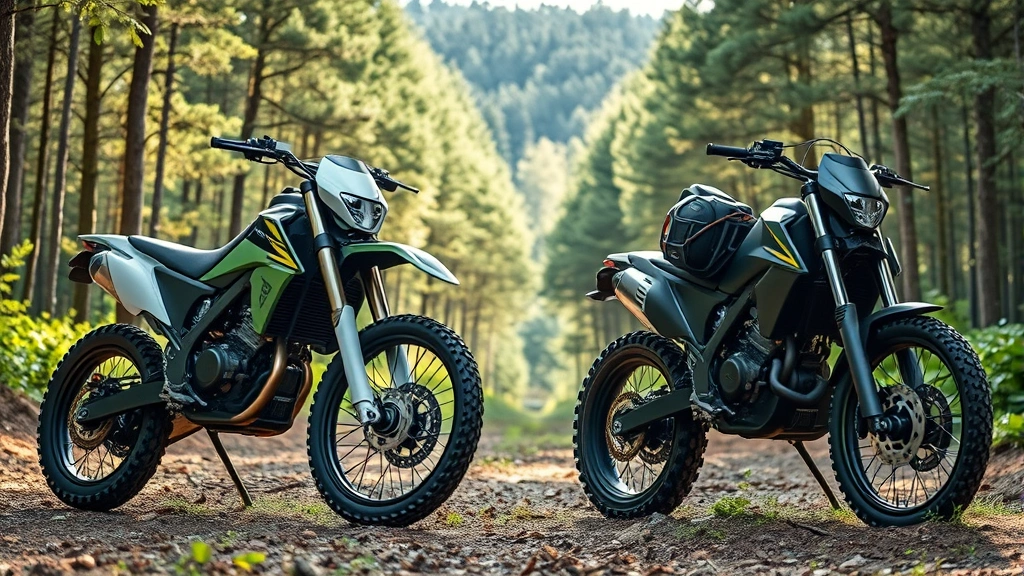
Gas vs. Electric Dirt Bikes: Eco Impact Study
The debate between gas and electric dirt bikes has intensified as environmental consciousness grows among outdoor enthusiasts and recreational riders. While traditional gas-powered dirt bikes have dominated the market for decades, electric alternatives are rapidly emerging as viable competitors. This comprehensive analysis examines the ecological footprint of both technologies, from manufacturing through end-of-life disposal, to help riders make informed decisions aligned with sustainability goals.
Understanding the environmental impact of recreational vehicles extends beyond tailpipe emissions. A complete lifecycle assessment must account for battery production, fuel extraction, energy generation, maintenance requirements, and disposal practices. The choice between a gas gas dirt bike and its electric counterpart involves complex environmental trade-offs that deserve careful examination.
Emissions Comparison: Direct Environmental Impact
Gas-powered dirt bikes produce direct emissions that contribute to air pollution and climate change. A typical gas dirt bike emits nitrogen oxides (NOx), particulate matter, and volatile organic compounds (VOCs) during operation. According to research from the EPA’s small engine regulations, small off-road engines like those in dirt bikes produce disproportionately high emissions relative to their size. A single gas dirt bike can emit as much pollution as several full-size vehicles in certain circumstances.
Electric dirt bikes produce zero direct emissions during operation, making them immediately appealing from an environmental perspective. However, the electricity powering these bikes comes from various sources, including fossil fuels in many regions. The overall emissions profile depends heavily on the grid’s energy mix. In regions powered primarily by renewable energy, electric dirt bikes offer substantial environmental advantages. Even in areas with mixed energy sources, electric bikes typically produce fewer lifecycle emissions than their gas counterparts.
The advantages of electric vehicles extend beyond dirt bikes to broader transportation sectors, demonstrating a clear industry trend toward electrification. Research consistently shows that electric powertrains produce fewer greenhouse gases over their operational lifetime, even accounting for electricity generation methods.
Manufacturing and Resource Extraction
The manufacturing phase presents one of the most significant environmental considerations when comparing these two technologies. Gas dirt bikes require relatively straightforward production processes involving metal fabrication, engine assembly, and component integration. However, extracting and refining petroleum for fuel represents a substantial upstream environmental cost not immediately visible to consumers.
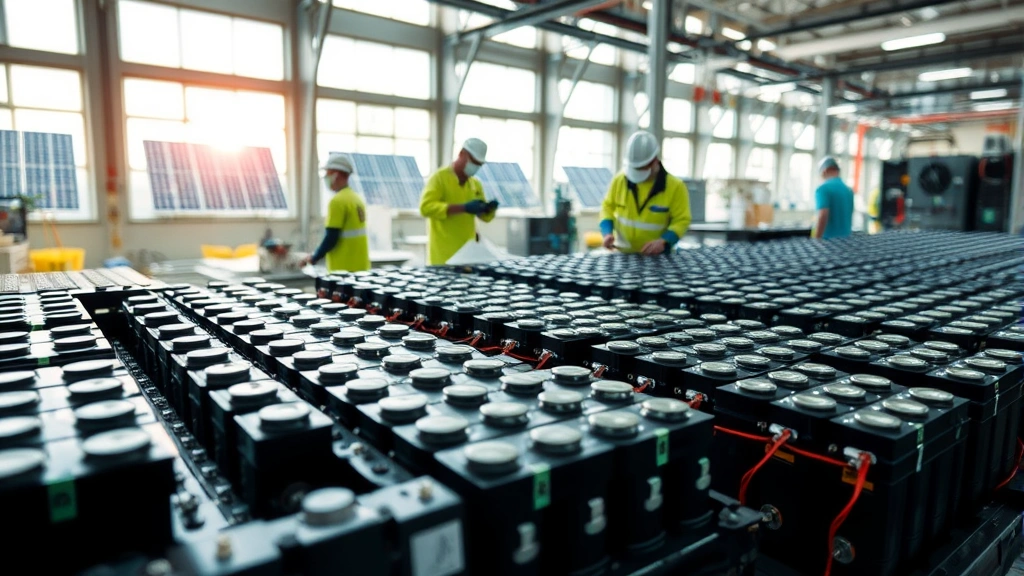
Electric dirt bikes introduce different manufacturing challenges, primarily centered on battery production. Lithium-ion batteries, the current industry standard, require mining lithium, cobalt, nickel, and other rare earth elements. These mining operations can cause habitat destruction, water pollution, and generate significant carbon emissions. A comprehensive study from the Nature journal on battery production impacts reveals that battery manufacturing accounts for approximately 30-40% of an electric vehicle’s lifecycle emissions.
Despite these manufacturing challenges, electric dirt bikes typically offset their production emissions within 1-2 years of operation through reduced fuel consumption and lower operational emissions. Gas bikes continue accumulating emissions throughout their operational life without comparable offset benefits. The green technology innovations transforming our future increasingly focus on improving battery production efficiency and sourcing materials more responsibly.
Manufacturers are actively working to reduce battery production impacts through improved recycling programs, alternative materials research, and more efficient manufacturing processes. Companies investing in sustainable energy solutions within their production facilities are setting new industry standards for environmental responsibility.
Energy Efficiency and Fuel Sources
Electric motors demonstrate superior energy efficiency compared to internal combustion engines. Electric dirt bikes convert approximately 77-90% of electrical energy into mechanical motion, while gas engines typically achieve only 12-30% efficiency. This dramatic difference means electric bikes require significantly less total energy input to deliver comparable performance.
The efficiency advantage becomes even more pronounced when considering energy source diversity. Electric bikes can theoretically be powered by any electricity source—solar panels, wind turbines, hydroelectric plants, or grid electricity from renewable sources. Gas bikes remain dependent on petroleum products, a finite resource with increasingly volatile pricing and geopolitical implications.
In regions with high renewable energy penetration, such as California, Denmark, or Costa Rica, electric dirt bikes become substantially cleaner than their gas counterparts. Even in areas where fossil fuels dominate the grid, the centralized nature of power generation allows for more efficient emissions control and pollutant capture compared to distributed emissions from thousands of individual gas engines.
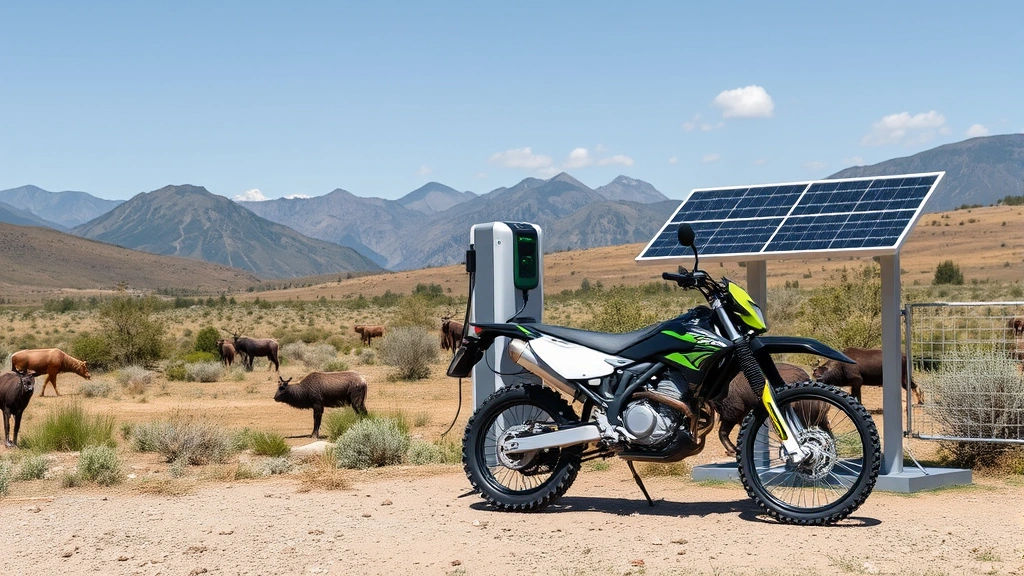
Looking at practical riding scenarios, electric dirt bikes powered by renewable energy sources represent the most sustainable option available. Riders in environmentally conscious regions can charge their bikes using home solar systems, wind energy subscriptions, or utility programs that prioritize renewable sources.
Battery Technology and Lifespan
Modern lithium-ion batteries used in electric dirt bikes typically maintain 80% capacity after 1,000-2,000 charge cycles, translating to 5-10 years of typical recreational use. This lifespan is substantially longer than many consumers initially expect. Battery degradation occurs gradually, allowing riders to continue using their bikes beyond the warranty period with only slightly reduced range and performance.
The recycling infrastructure for lithium-ion batteries is rapidly expanding. Battery recycling processes can recover 90-95% of lithium, cobalt, and nickel, significantly reducing the need for new mining operations. As recycling networks mature and become more economically viable, the environmental impact of battery production decreases substantially. Second-life applications for degraded batteries in stationary energy storage systems extend their environmental value beyond initial use.
Gas dirt bikes require regular oil changes, spark plug replacements, air filter cleaning, and periodic engine maintenance. Each of these activities generates waste—used oil, contaminated filters, and worn components. Used motor oil disposal presents significant environmental challenges, with improper disposal contaminating groundwater and harming aquatic ecosystems. A single quart of improperly disposed motor oil can contaminate up to one million gallons of water.
Battery maintenance requirements are minimal by comparison. Electric dirt bikes need periodic brake fluid checks, tire rotations, and battery management system monitoring—tasks generating minimal waste. The reduced maintenance burden translates to lower long-term environmental costs and reduced trips to service facilities.
Long-Term Maintenance and Environmental Cost
The maintenance profile of gas dirt bikes creates substantial environmental costs beyond the initial purchase. Regular oil changes produce used oil waste requiring proper disposal. Air filters, fuel filters, spark plugs, and other consumables generate waste streams throughout the bike’s operational life. A gas dirt bike might require 20-30 oil changes during a typical 10-year lifespan, each generating approximately one quart of hazardous waste.
Fuel storage and handling present additional environmental risks. Gasoline spills during refueling, leaks from fuel tanks, and improper storage can contaminate soil and groundwater. Volatile organic compounds evaporate from fuel tanks and carburetors, contributing to ground-level ozone formation and air quality degradation. These diffuse emissions, while individually small, accumulate significantly across the millions of small engines operating globally.
Electric dirt bikes eliminate these maintenance-related environmental risks entirely. No oil changes mean no used oil disposal concerns. No fuel storage means no spillage risks or VOC emissions. Battery cooling systems use sealed coolant circuits requiring no regular replacement. Over a 10-year ownership period, an electric dirt bike generates dramatically less maintenance waste than a comparable gas model.
The operational simplicity of electric motors also extends bike lifespan. With fewer moving parts and no combustion-related wear, electric powertrains often remain functional well beyond the point where gas engines require major overhauls or replacement. Longer operational life spreads manufacturing impacts over more years of use, improving the overall environmental profile.
Sound Pollution and Ecosystem Health
Gas dirt bikes generate significant noise pollution, typically producing 95-110 decibels at the source. This noise extends beyond simple annoyance, affecting wildlife behavior, communication patterns, and stress levels across multiple species. Research from wildlife biology organizations demonstrates that motorized recreational activities disrupt animal habitats and alter ecosystem dynamics in protected areas.
Electric dirt bikes operate nearly silently, typically producing only 60-75 decibels—comparable to normal conversation levels. This dramatic noise reduction eliminates a major source of ecosystem disruption. Wildlife can maintain natural communication patterns, predator-prey relationships remain undisturbed, and habitat stress from human recreational activity decreases substantially.
The noise pollution benefits extend to human communities surrounding recreational areas. Reduced noise enables better coexistence between outdoor enthusiasts and residential areas. National parks and protected lands increasingly favor electric recreational vehicles precisely because they minimize ecosystem disruption while maintaining recreational opportunities.
Economic Sustainability Considerations
While electric dirt bikes typically cost more initially than gas models, the total cost of ownership often favors electric options over extended periods. Lower fuel and maintenance costs offset higher purchase prices within 3-5 years for typical recreational riders. As battery technology improves and production scales increase, purchase price differentials continue narrowing.
Economic sustainability extends beyond personal finances to broader resource efficiency. Gas bikes require continuous petroleum extraction, refining, and transportation—a complex supply chain with significant environmental and economic costs. Electric bikes leverage existing electricity infrastructure and can utilize renewable energy sources with minimal additional infrastructure investment.
The resale value of electric dirt bikes remains relatively stable as the market matures and battery technology becomes better understood. Early adopters initially faced concerns about battery longevity affecting resale value, but as real-world performance data accumulates, buyer confidence increases. This market maturation improves overall economic sustainability for electric bike ownership.
Government incentives increasingly favor electric recreational vehicles through tax credits, rebates, and expedited purchase programs. These financial mechanisms recognize the environmental and public health benefits of transitioning away from gas-powered small engines. Riders considering new purchases should investigate available incentives in their regions.
FAQ
What is the actual lifespan of electric dirt bike batteries?
Modern lithium-ion batteries in electric dirt bikes typically last 5-10 years or 1,000-2,000 charge cycles. Real-world performance data shows gradual degradation rather than sudden failure, allowing continued use beyond warranty periods with reduced range. Battery recycling programs can recover materials for new batteries or second-life applications in stationary storage systems.
How does electric dirt bike charging impact home electricity bills?
Charging an electric dirt bike costs significantly less than purchasing gasoline. A typical charge (2-4 kWh) costs $0.25-$0.60 depending on local electricity rates, compared to $8-$15 in fuel for equivalent gas bike riding. Over a year, this difference can exceed $500-$1,000 in operational savings.
Can electric dirt bikes perform comparably to gas models?
Modern electric dirt bikes deliver comparable or superior performance in acceleration, torque delivery, and hill-climbing ability. Top speed and range vary by model and battery capacity, but recreational-grade electric bikes now match gas bikes across most performance metrics. Purpose-built racing models exist in both categories with specialized performance characteristics.
What happens to electric dirt bike batteries at end of life?
Battery recycling infrastructure recovers 90-95% of valuable materials including lithium, cobalt, and nickel. Second-life applications use degraded batteries in stationary energy storage systems before final recycling. Manufacturers increasingly implement take-back programs ensuring responsible end-of-life battery management.
Are electric dirt bikes suitable for all riding conditions?
Electric dirt bikes perform well in most recreational riding scenarios. Muddy and wet conditions pose no greater challenges than for gas bikes. Range limitations matter primarily for extended backcountry trips, though most recreational riding occurs within electric range capabilities. Cold weather reduces range by 15-25%, but doesn’t prevent operation.
How does the environmental impact compare over a 10-year ownership period?
Over 10 years, an electric dirt bike powered by average grid electricity produces approximately 50-70% fewer emissions than a comparable gas model. In regions with high renewable energy penetration, this advantage increases to 80-95% emission reductions. Manufacturing impacts are offset within 1-2 years through operational efficiency gains.


