Gas Grill Regulator Safety Tips: Expert Insights for Sustainable Outdoor Cooking
A gas grill regulator is one of the most critical safety components in your outdoor cooking setup, yet many homeowners overlook its importance. This essential device controls the flow of propane or natural gas from your tank to your grill’s burners, maintaining consistent pressure and preventing dangerous gas leaks. Understanding how to properly maintain, inspect, and use your gas grill regulator can mean the difference between safe, enjoyable barbecuing and a potentially hazardous situation.
As we move toward more sustainable living practices, choosing energy-efficient grilling methods and maintaining equipment properly extends product lifespan and reduces waste. This comprehensive guide covers everything you need to know about gas grill regulator safety, from basic functionality to advanced troubleshooting techniques. Whether you’re a seasoned grill master or a weekend barbecue enthusiast, these expert insights will help you operate your equipment safely and responsibly.
How Gas Grill Regulators Work
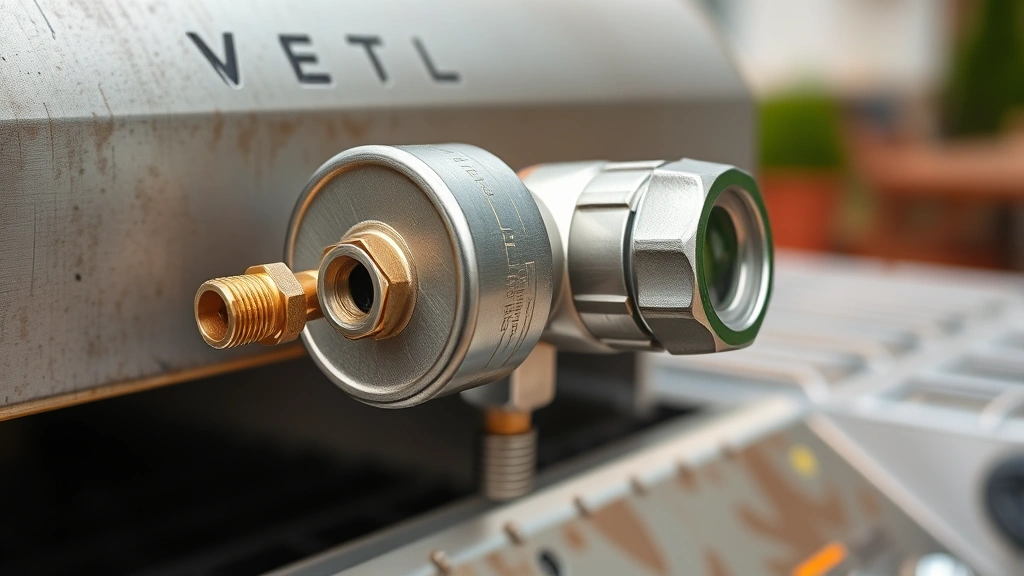
Understanding the mechanics behind your gas grill regulator is fundamental to safe operation. A regulator functions as a pressure-reducing valve that takes high-pressure gas from your propane tank or natural gas line and converts it to the lower, consistent pressure needed for your grill’s burners. This process involves several internal components working in harmony to maintain optimal cooking conditions.
The regulator contains a diaphragm, spring, and valve assembly that automatically adjusts to maintain preset pressure levels. When you turn on your grill, gas flows through the regulator, which senses any pressure changes and makes micro-adjustments to keep the output steady. This is why your grill performs consistently whether your tank is nearly full or approaching empty. The natural gas versus propane comparison is important because different fuel types may require specific regulator types designed for their unique pressure characteristics.
Modern regulators include safety features like excess flow valves that automatically shut off gas flow if pressure spikes unexpectedly, protecting your grill from damage and preventing dangerous gas releases. The vent hole on the regulator body allows internal pressure to equalize with atmospheric pressure, which is why you should never cover or block this opening. Understanding these components helps you recognize when something isn’t working properly and when professional intervention is necessary.
Signs Your Regulator Needs Attention
Your grill will display several warning signs when the regulator isn’t functioning optimally. Uneven heating is one of the most common indicators—if some burners produce more heat than others despite being set to the same level, your regulator may be failing to maintain consistent pressure. This not only affects cooking quality but also indicates potential safety concerns.
Listen for unusual sounds coming from your grill when it’s operating. A hissing sound suggests a gas leak, while clicking or popping noises might indicate ignition problems related to improper gas flow. Difficulty igniting burners is another red flag; if your grill requires multiple attempts to light or won’t light at all despite having fuel, the regulator may not be delivering adequate pressure to the ignition system.
Visual inspection can reveal problems too. Look for frost or ice formation around the regulator body, which indicates the regulator is working too hard and cooling excessively—a sign of internal damage. Cracks, corrosion, or visible damage to the regulator housing warrant immediate replacement. Smell is also important; if you detect a rotten egg odor (the characteristic smell of propane), evacuate the area immediately and contact emergency services.
Yellow or orange flames instead of blue flames suggest incomplete combustion, often caused by regulator issues preventing proper air-gas mixture. This not only reduces cooking efficiency but also increases harmful emissions. Sustainable grilling practices include maintaining equipment to minimize environmental impact and energy waste, so addressing these signs promptly is both a safety and environmental responsibility.
Regular Inspection and Maintenance
Implementing a routine inspection schedule for your gas grill regulator prevents most safety issues before they develop. Begin each grilling season with a thorough visual inspection. Check the regulator body for cracks, dents, or corrosion. Look at the connection points where the regulator attaches to both the gas tank and the grill’s control valve, ensuring all fittings are tight and secure.
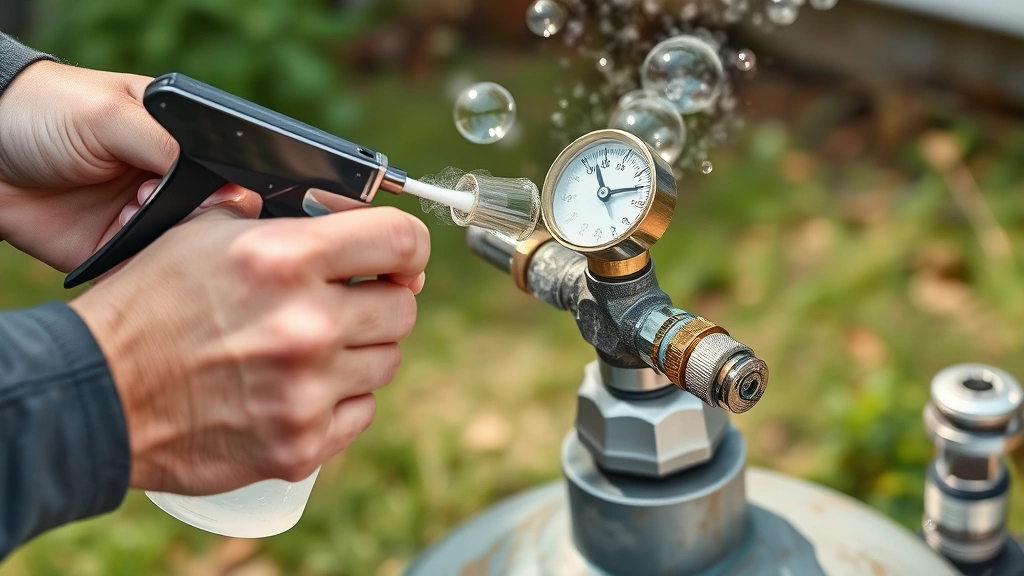
The most critical maintenance task involves testing for gas leaks using the soap and water method. Mix a solution of dish soap and water, then apply it to all connection points, seams, and the vent hole while the grill is operating. Bubbles indicate a leak. If you find leaks at connection points, try tightening the fittings with a wrench. If bubbles appear at the regulator body itself or the vent hole, the regulator needs replacement—this cannot be repaired.
Check the regulator’s hose for cracks, kinks, or deterioration. Propane hoses should be replaced every five to seven years even if they appear undamaged, as internal degradation can occur invisibly. Inspect the brass or stainless steel ferrules (small rings) at connection points; if they’re damaged or worn, they should be replaced to maintain proper seals. Keep the area around your regulator clean and free from debris, insects, and spider webs that could clog the vent hole.
Document your maintenance activities in a simple log. Note inspection dates, any issues found, repairs made, and parts replaced. This record helps you track patterns and plan preventive maintenance. As part of reducing your environmental footprint, proper equipment maintenance extends product life and reduces the waste associated with premature replacement.
Installation Best Practices
Whether you’re installing a new regulator or having one professionally installed, understanding proper procedures ensures safe operation. The regulator must be positioned correctly relative to your grill and tank. Never install a regulator with the vent hole facing downward; this allows water to enter and damage internal components. The vent hole should face downward at a slight angle or horizontally to allow moisture to drain naturally while preventing water accumulation.
Connection quality is paramount. All connections between the tank, regulator, and grill must use appropriate fittings designed for your specific fuel type. Propane and natural gas regulators are not interchangeable, so verify you have the correct type before installation. Use two wrenches when tightening fittings—one to hold the stationary piece and one to turn the connector. This prevents damage to the regulator body and ensures proper seal integrity.
The regulator should be installed in a location protected from weather extremes while still allowing proper ventilation. Avoid installing regulators in enclosed spaces, as they need access to atmospheric pressure for proper operation. If your grill is under a permanent structure, ensure adequate airflow around the regulator. Keep the regulator away from direct sunlight when possible, as excessive heat can affect internal pressure regulation.
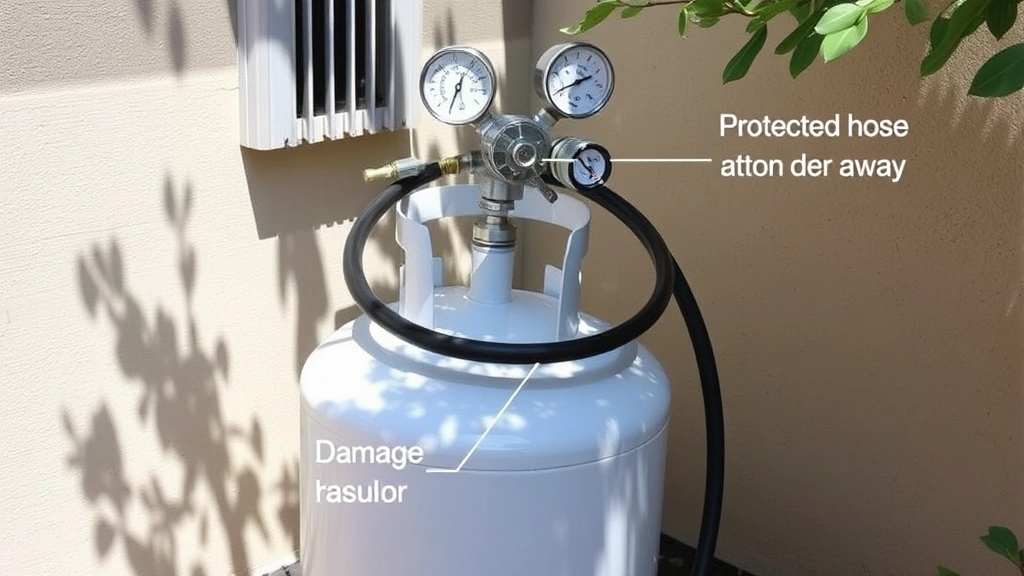
Follow manufacturer specifications for hose length and routing. Hoses should not be kinked, pinched, or routed through high-traffic areas where they could be damaged. Keep hoses away from heat sources and sharp edges. If professional installation is required, hire a certified technician. The small cost of professional installation is worthwhile insurance against improper setup that could create safety hazards.
Common Safety Hazards
Understanding potential dangers helps you avoid dangerous situations. Gas leaks are the most serious hazard associated with regulator failure. Even small leaks can accumulate to dangerous levels, particularly in enclosed or poorly ventilated spaces. Never use a flame to check for leaks; always use the soap and water method. If you suspect a leak you cannot locate, contact your gas supplier or a qualified technician.
Regulator freeze-up can occur in cold weather or when the regulator is working at maximum capacity. This happens because gas expansion inside the regulator causes cooling. When a regulator freezes, it stops functioning, cutting off gas supply to your grill. While this is a safety feature preventing excessive gas flow, it indicates the regulator may need replacement or the demand on your system exceeds its capacity. Never attempt to thaw a frozen regulator with heat; allow it to warm naturally.
Overpressure situations occur when regulators fail to properly reduce tank pressure. This can damage grill components and create safety risks. Excess flow valves are designed to prevent this, but they only function properly in a well-maintained regulator. Never block or tamper with safety features.
Improper tank storage affects regulator safety. Propane tanks should be stored upright in well-ventilated areas, away from living spaces. Never store tanks indoors, in basements, or in enclosed garages. Damaged tanks can compromise the regulator connection and create leak hazards. When connecting a new tank, always check the connection point for damage before attaching the regulator.
Consider exploring sustainable energy solutions as alternatives to traditional gas grilling. Electric grills and solar-powered outdoor cooking options eliminate regulator safety concerns entirely while reducing your carbon footprint.
Seasonal Care Guidelines
Different seasons present unique challenges for gas grill regulator maintenance. Spring preparation should include a complete regulator inspection before the busy grilling season begins. Drain any water that accumulated in the regulator during winter by opening the regulator’s bleed screw slightly. Check all connections for corrosion from winter moisture exposure.
During summer operation, monitor your regulator more frequently due to increased use. Heat can accelerate internal component wear, so check for leaks weekly if you grill frequently. Ensure your tank is in shade when possible to prevent excessive pressure buildup, which stresses the regulator. Keep the regulator clean and free from grease splatter, which can clog the vent hole.
Fall maintenance involves preparing your equipment for winter dormancy. Clean the regulator thoroughly and ensure all connections are tight. If you’ll store your grill outdoors through winter, cover it with a weather-resistant grill cover that allows air circulation around the regulator. Never seal the regulator in an airtight covering, as this traps moisture.
Winter storage requires special attention. If you live in a cold climate and won’t use your grill for extended periods, consider disconnecting the tank and storing it properly. Leave the regulator attached to the grill but protected from the elements. If you continue grilling in winter, monitor the regulator more closely for freeze-up issues. Keep propane tanks in upright positions and protect them from snow and ice accumulation.
When to Replace Your Regulator
Understanding when replacement is necessary prevents safety compromises. Regulators typically last five to fifteen years depending on climate, usage frequency, and maintenance quality. However, certain conditions warrant immediate replacement regardless of age.
Replace your regulator if you find leaks at the regulator body itself, as these cannot be repaired. If the vent hole is permanently damaged or clogged and cannot be cleared, replacement is necessary. Any visible cracks or severe corrosion means the regulator should be replaced. If your regulator freezes repeatedly despite proper usage and storage, replacement is likely needed.
If your grill exhibits the signs mentioned earlier—uneven heating, ignition problems, flame discoloration—and you’ve ruled out other causes, the regulator may need replacement. Don’t attempt to repair a faulty regulator; replacement is always the safer option. Regulators are relatively inexpensive compared to the potential cost of gas-related accidents.
When replacing your regulator, ensure you purchase the correct type for your grill and fuel source. Bring your old regulator to the store to verify compatibility. Have a professional install the new regulator if you’re uncertain about the process. Many gas suppliers offer installation services as part of tank exchange programs.
As part of green technology innovations, newer regulator models often feature improved efficiency and safety features. Upgrading to a modern regulator can improve performance while reducing your grilling’s environmental impact through more efficient fuel consumption.
FAQ
How often should I inspect my gas grill regulator?
Inspect your regulator at the beginning of each grilling season and monthly during active use. If you grill frequently, weekly inspections are recommended. Always check for leaks using the soap and water method before each grilling session.
Can I repair a leaking regulator?
Leaks at connection points may be fixable by tightening fittings. However, leaks originating from the regulator body itself cannot be repaired and require replacement. Never attempt internal repairs on a regulator.
What should I do if I smell gas around my grill?
Evacuate the area immediately and move to fresh air. Don’t use any ignition sources. Call your gas supplier’s emergency line or emergency services. Do not attempt to locate or fix the leak yourself.
Is it normal for my regulator to get cold?
Mild cooling is normal, but excessive frost or ice formation indicates a problem. This can occur during high-demand grilling or with a failing regulator. If freeze-up occurs, stop using the grill and have the regulator inspected.
Can I use a propane regulator on a natural gas grill?
No. Propane and natural gas regulators are designed for different pressure ranges and are not interchangeable. Using the wrong type can create safety hazards and damage your grill. Always verify you have the correct regulator type.
How do I know if my regulator needs replacing?
Signs include persistent leaks, uneven heating, ignition problems, visible damage, and repeated freeze-up issues. When in doubt, have a professional inspect your regulator to determine if replacement is necessary.
What’s the difference between a high-pressure and low-pressure regulator?
High-pressure regulators (for tanks) reduce pressure from the tank to about 10-15 PSI. Low-pressure regulators (for natural gas lines) maintain even lower pressure. Your grill requires a low-pressure regulator. Using the wrong type is dangerous.
Can weather affect my regulator’s performance?
Yes. Cold weather can cause freeze-up, while excessive heat can increase internal pressure. Moisture from rain or snow can damage internal components. Proper storage and protection help minimize weather-related issues. Review the SustainWise Hub Blog for seasonal maintenance guides.


